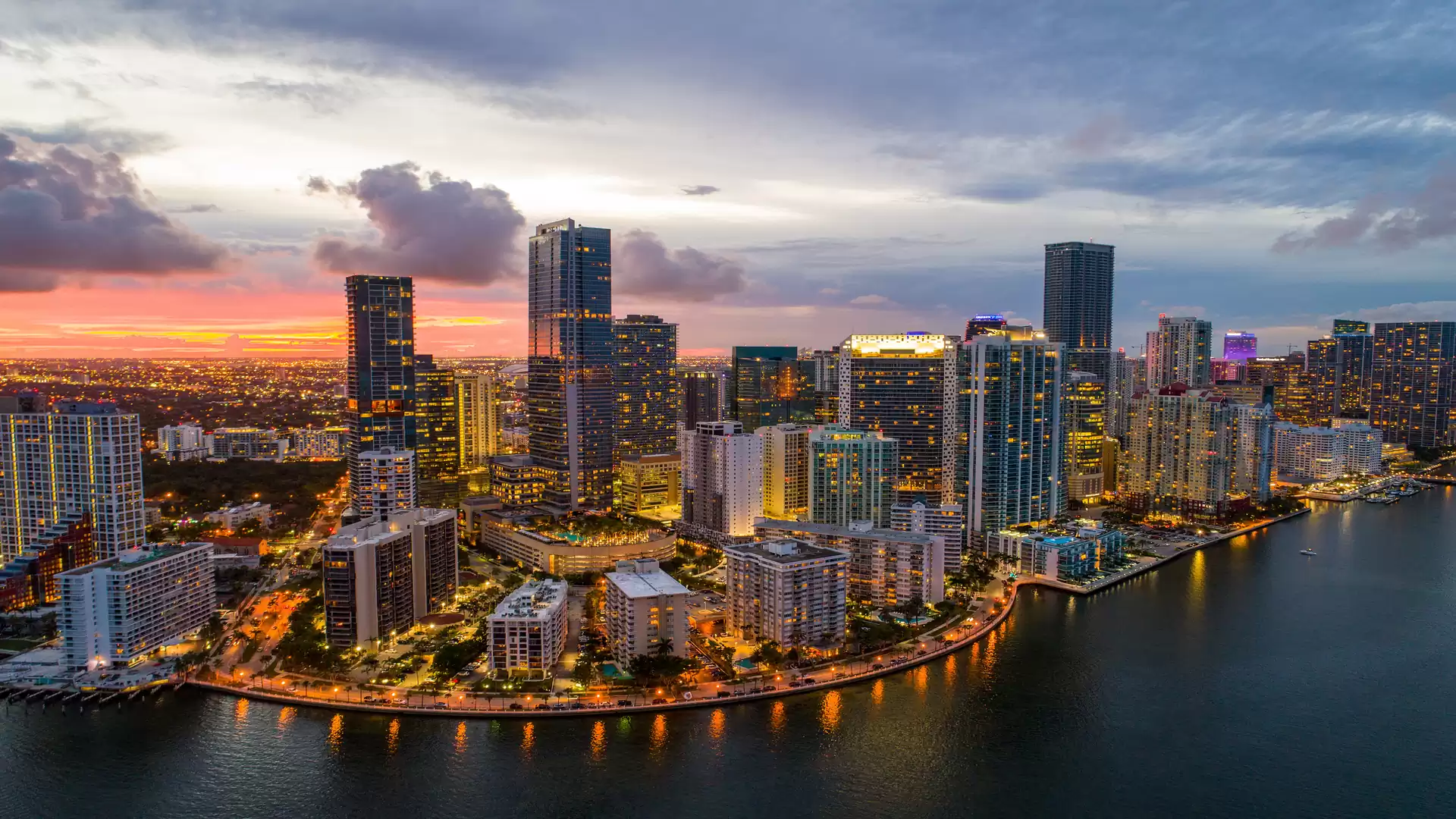
We cruise through Miami South Beach. Seat lowered, one hand on the handlebar, occasionally raising a hand in greeting — that's the American way of cycling. Guerby sets the route, and we follow like a well-behaved family of ducks, one after the other. Suddenly, chaos ensues; Guerby forgot to signal a turn. At the last moment, we all veer left.
"Sorry, guys," Guerby calls over, flashing a casual grin and motioning for us to come closer. In Miami, bikers share the road with cars. No honking or shouting; everyone rides along comfortably. However, we do attract some curious glances. Apparently, not many choose to cycle down Ocean Drive in the midday sun.
Nowadays, there are about 1,000 bikes available for rent. In March 2011, Miami Beach launched a public bike-sharing program known as "DecoBike," featuring around 100 solar-powered stations throughout the city. It doesn't get greener than this.
Miami is riding the green wave: public transportation plans have expanded in recent years, and numerous initiatives for clean streets and waterways have been introduced. The city is also ideally situated for eco-tourism, surrounded by two nature reserves: the Everglades National Park, a UNESCO World Heritage site known for its unique wetlands, and the Biscayne National Park, featuring mangrove forests and vibrant coral reefs.
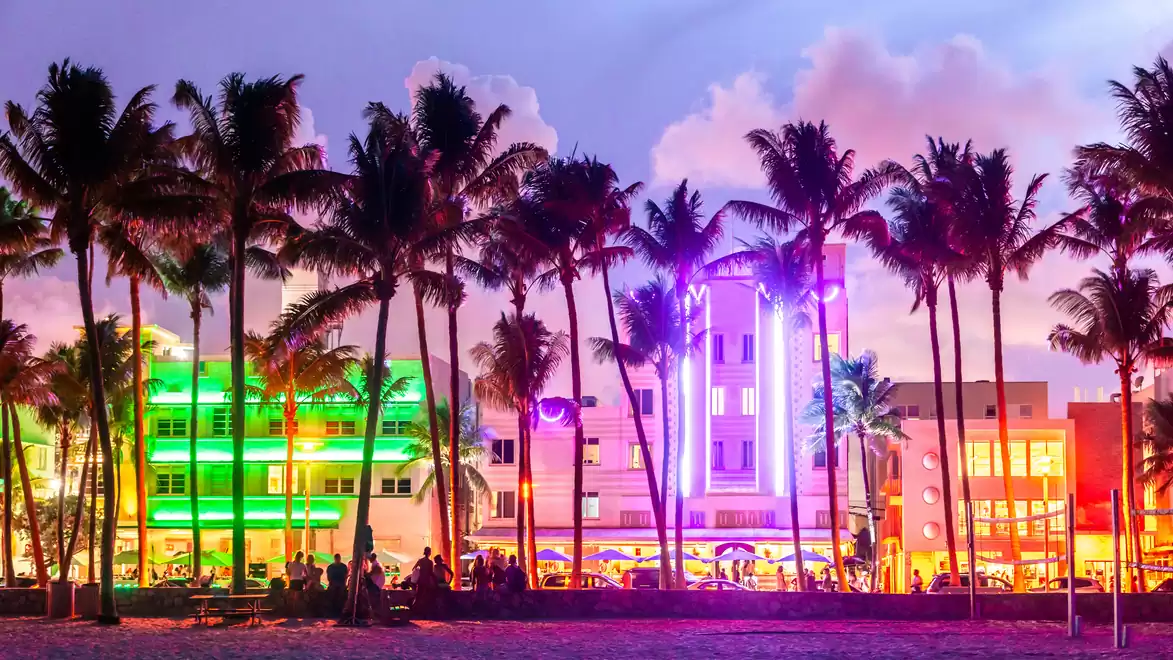
In the hospitality industry, there's a growing awareness of ecological practices, such as conserving energy and water or creating dishes with seasonal, local products. The traffic light turns green. "Guerby, it doesn't get greener than this!" I snap our bike guide out of his daydreams. We continue down the Ocean Drive, the most famous street in Miami Beach, passing by Art Deco buildings that give the city its distinctive look.
"There are nearly 1,000 historic buildings in this district," Guerby shouts before disappearing around the next corner. The pastel-colored facades, often in shades of blue, green, or pink, are symmetrical and box-shaped. Many feature glass blocks, flat roofs, and neon lights. A typical element: windows with "eyebrows" — small overhangs designed to block sunlight from entering. These buildings date back to the 1930s and 1940s when air conditioning was as unimaginable as smartphones.
One building catches my eye. Haven't I seen it somewhere before? A tall black fence made of brass bars leads to several stone steps, behind which stands a grand villa surrounded by tall trees whose branches and leaves seem to embrace the house protectively. "Gianni Versace lived here. Today, it's a luxury hotel," Guerby explains in response to my questioning look.
We continue weaving through the district until Guerby parks his bike in front of a boxing club. Are we about to watch his daily training session? In Miami, staying fit seems to be a public affair. The outdoor gyms along the promenade had already caught my attention earlier. Everyone lifting weights or doing pull-ups there looked like they stepped out of a fitness video.
Inside the boxing club, it smells of sweat and mustiness. My eyes need time to adjust to the dim light. Then I notice the numerous photos on the walls, all featuring the same person: boxing legend Muhammad Ali. "Ali used to train here," Guerby explains. After this brief stop, we hop back on our bikes and return to the Ocean Drive. I dodge joggers and other cyclists. Miami is on the move.
The next day, I hope for as little movement as possible. Without batting an eye, an alligator lies a few meters away in the lush green grass. Its eyes are fixed on a point, so dark and inscrutable they almost seem translucent. I wonder how long it's been since its last meal.
Guide Miles knows how alligators operate. Over the loudspeaker, he shares his knowledge: "Imagine you're the only one in your neighborhood with a pool. Many creatures come by — snakes, frogs, birds. You enjoy the company — but eventually, you get really hungry and, unfortunately, have to eat one of them," Miles narrates. And the moral of the story? "An alligator is and remains a villain."
Um, can we move on now? Fortunately, at that moment, the little train continues its journey through the Everglades National Park. Small and large water pools alternate with vast plains and small tree islands. The chirping of crickets and croaking of frogs swell into a true concert in some areas, only to suddenly fade into background music, as if someone turned down the volume. The air smells like freshly mowed grass after a summer rain.
There are various ways to explore the Everglades, the largest subtropical wilderness in the United States: on foot, by bike, or by tram. It's a green paradise, just a 45-minute drive from the bustling metropolis, covering an area of 1.5 million acres in the southern tip of Florida.
"Oh look, the bird with the golden slipper," Miles' voice suddenly comes through the loudspeaker. The snowy egret with its elegant footwear flies gracefully over the vast plain. Among approximately 1,000 different plant species, orchids, ferns, and around 100 different tree species, about 400 bird species and 60 amphibian and reptile species reside here. Additionally, 40 mammal species like black bears, bobcats, and the Florida panther call this place home.
The black python feels so comfortable in the swamp that it has become a massive nuisance. Legends circulate about these creatures eating crocodiles, taking the saying "I'm so full I could burst" too literally, and actually bursting after consuming an alligator. Perhaps their eyes were bigger than their appetite. Or was it a crocodile that ate the python? Either way, the Everglades are the only place in the world where alligators and crocodiles share the same habitat.
Alligators are true sweet tooths and can only live in freshwater. Crocodiles, on the other hand, prefer salty environments and are commonly found where the River of Grass flows into the Florida Bay and the Atlantic Ocean. The nature reserve is also home to millions of mosquitoes, which seem to thrive in the subtropical climate. Thus, the serene swamp landscape is frequently interrupted by the constant slapping sounds of people trying to fend them off — sounds that quietly drift across the vast plains until they disappear entirely.
One thing is certain: we won't get bogged down here!
Chef Julie Frans proudly presents her natural haven — her herb garden at The Palms Hotel. Although you can cross it in just a few steps, the enthusiasm of the participants gathered for the Wednesday tour remains undiminished. iPhones are whipped out, children are positioned in front of basil, lemon balm, and sage, and photos are taken for the family album.
"Oh look, this is a garden," exclaims a woman excitedly as she approaches the small group with her two children. A two- and a four-year-old who have never seen a garden? Well, better late than never. Julie gathers herbs in a small basket and, accompanied by the oohs and aahs of the participants, prepares a delicious fresh watermelon-feta salad beside the garden, mixing in the herbs.
"In the restaurant, I try to cook almost exclusively with seasonal products from the region," she explains — and guests appreciate it. Delicacies like lobster with avocado and palm hearts or beef carpaccio with Parmesan, baby arugula, and capers are featured on the menu.
Green consciousness may not be sprouting like weeds in Miami, but with proper care, this delicate plant can certainly grow.
The relaxed tropical vibes and laid-back atmosphere draw visitors from across the region.
Miami offers Beaches, Magic.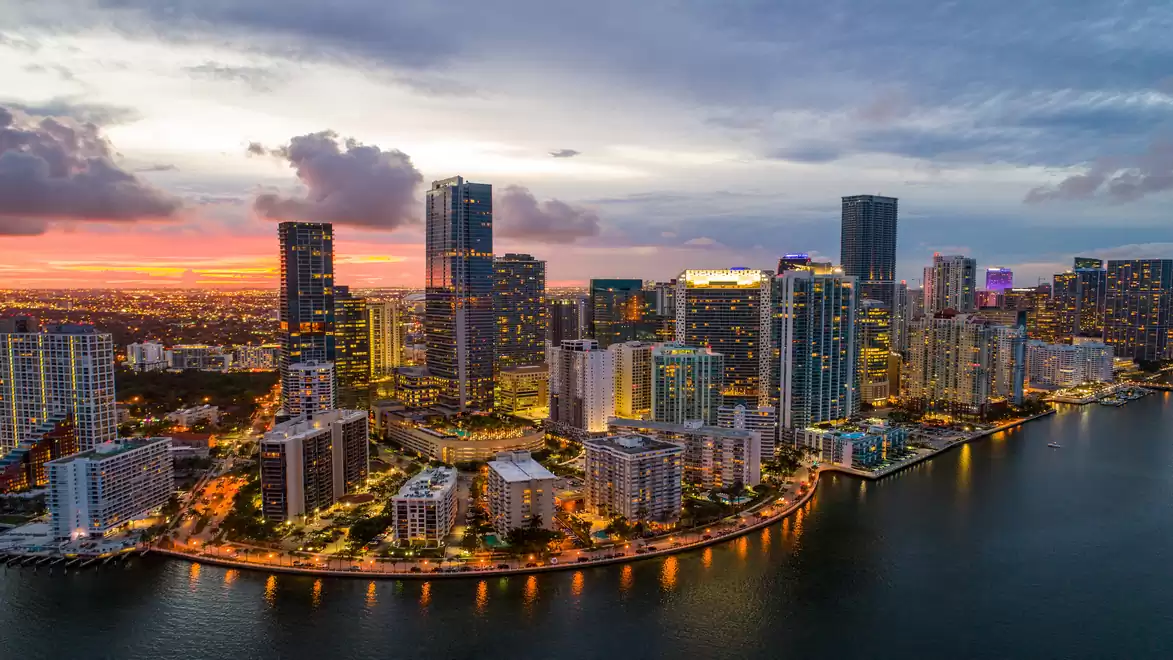
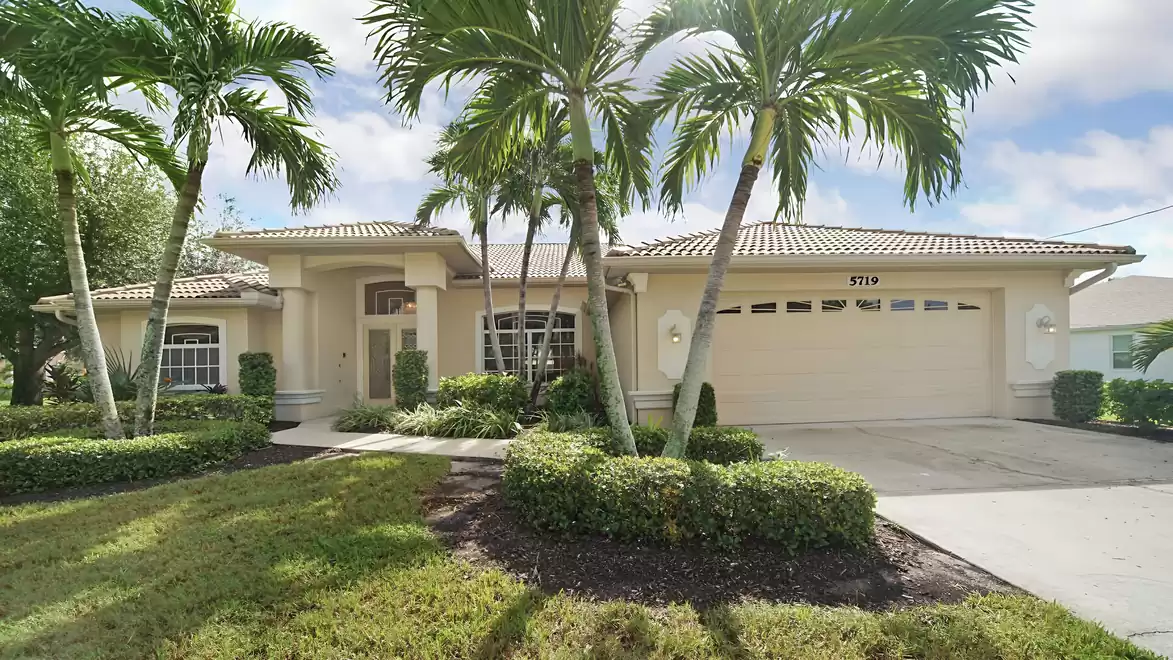
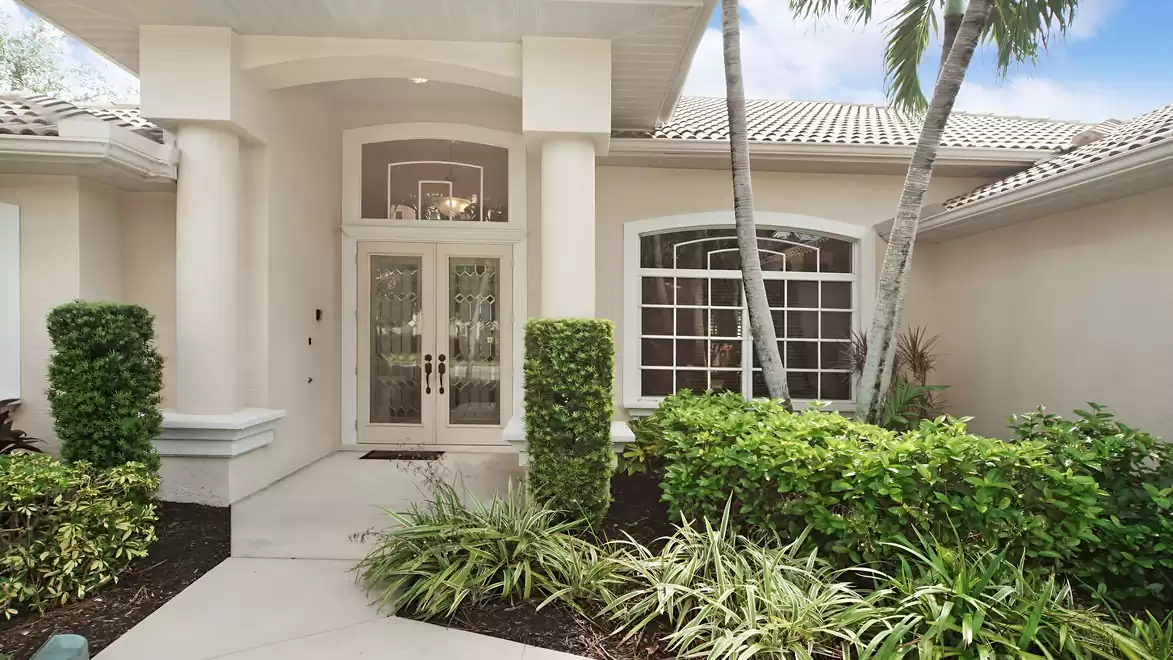
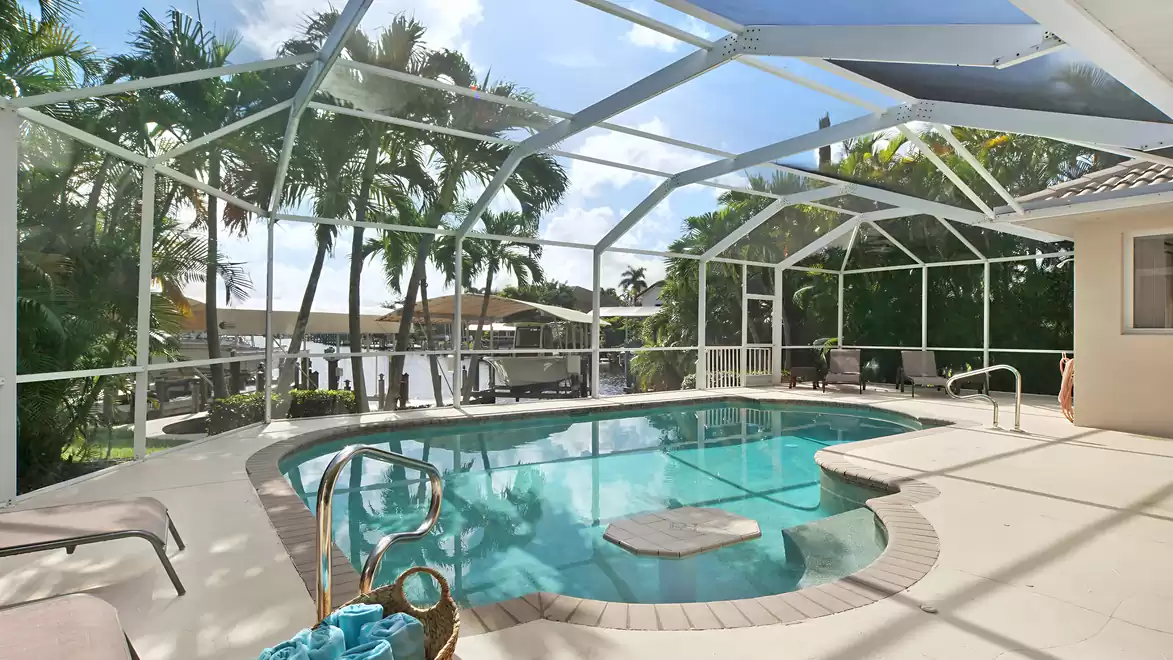
 Bedroom: 3 (2 King, Queen)
 Bathroom: 2