Florida has its own unique culture, wildlife, history, and vocabulary. Whether you are planning a vacation, exploring Southwest Florida, or simply curious about local terms, this Florida Dictionary helps you better understand the people, places, animals, traditions, and expressions that make the Sunshine State so special.
From famous attractions and historic figures to native wildlife, regional foods, coastal communities, and everyday Florida terminology, this glossary provides clear explanations for hundreds of Florida-related topics. You'll find useful information about destinations such as Naples, Fort Myers, Cape Coral, the Everglades, and many other locations throughout the state.
The dictionary is organized alphabetically, making it easy to browse or quickly find specific terms. Whether you are a first-time visitor, seasonal resident, vacation homeowner, or Florida enthusiast, this resource offers valuable insights into the state's unique lifestyle and heritage.
Explore Florida's fascinating history, nature, culture, attractions, and local expressions through our comprehensive Florida Dictionary. Discover the meanings behind the words, places, and traditions that define life in the Sunshine State.

Addison Mizner (1872–1933) profoundly shaped Florida’s architectural landscape by introducing the Mediterranean Revival style to the region. This style blends Spanish and Italian architectural elements and continues to define much of Palm Beach and Boca Raton today. (Wikipedia)
Mizner’s designs are distinguished by the following key features:
These elements created a unique Mediterranean ambiance that remains a defining feature of Florida’s architecture. (Flagler Museum)
One of Mizner’s most famous works is the Everglades Club in Palm Beach, which was the first major building to popularize Mediterranean Revival architecture in Florida. The success of this project led to commissions for numerous villas, hotels, and upscale residential communities. (Boca Raton Historical Society)
Addison Mizner left an indelible mark on Florida’s architecture with his visionary approach. His style was widely adopted by later architects and can be seen in many of the state’s landmark buildings today. His work solidified the Mediterranean aesthetic as a defining feature of Florida’s coastal cities. (Architectural Digest)
Addison Mizner is considered one of the most influential figures in Florida’s architectural history. His visionary designs transformed the state’s appearance, and his buildings continue to be a testament to elegance and Mediterranean charm.

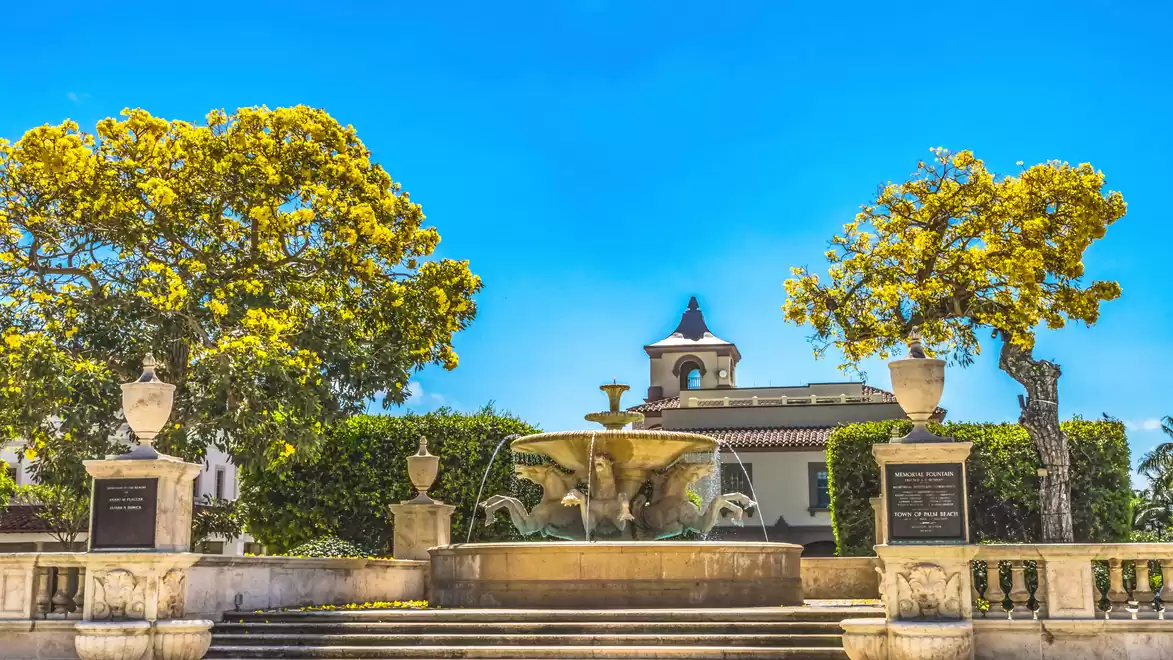

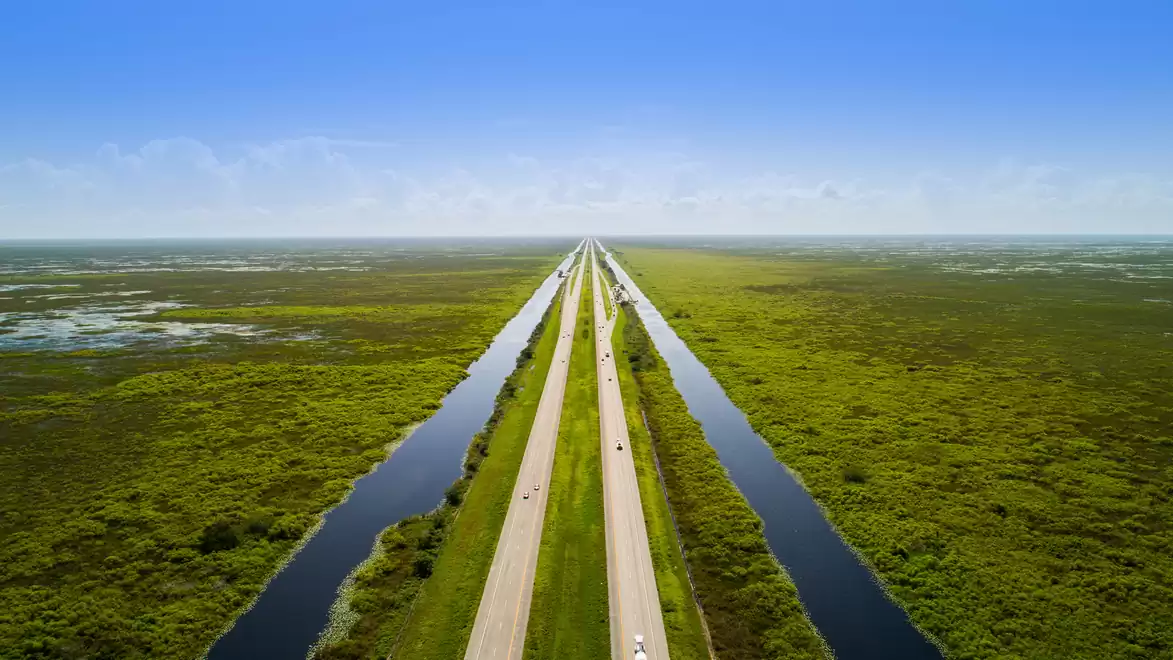
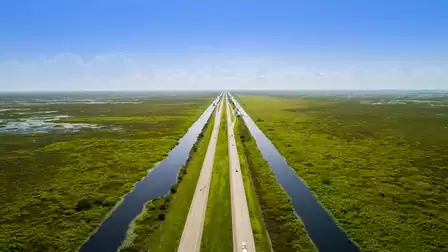
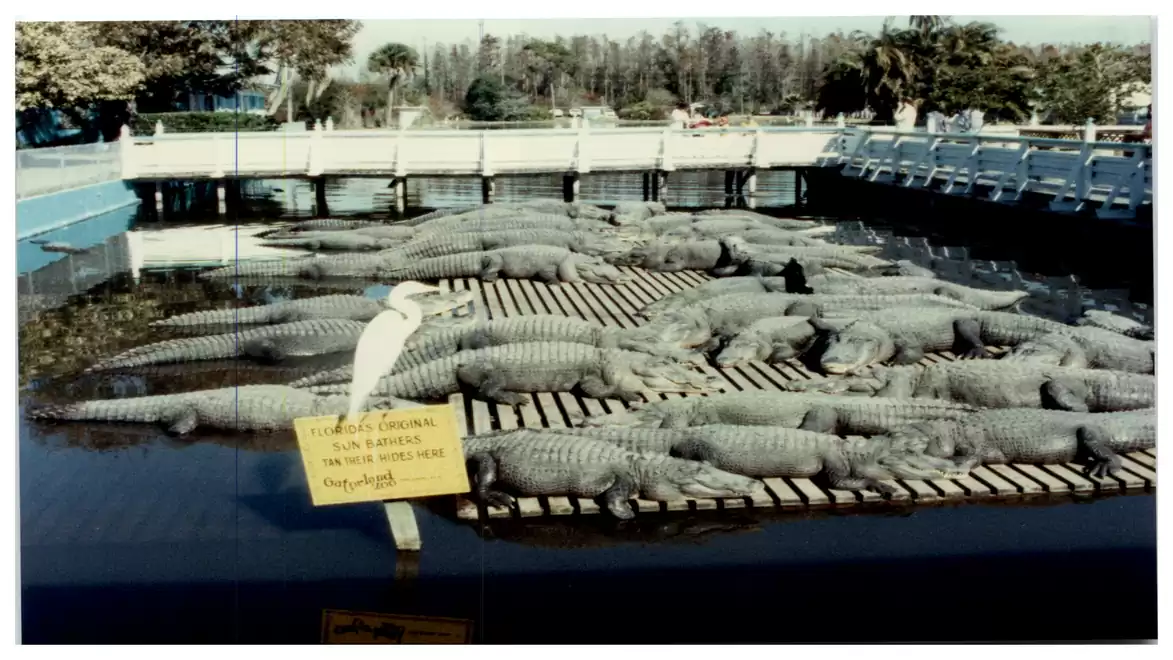
Alligator Alley is a remarkable highway cutting through the heart of the Everglades in Florida. Part of Interstate 75 (I-75), it connects Naples on the Gulf Coast with Fort Lauderdale on the Atlantic Coast. Spanning approximately 130 kilometers, this route not only provides a fast connection between Florida’s coasts but also offers breathtaking views of one of North America’s most unique landscapes.
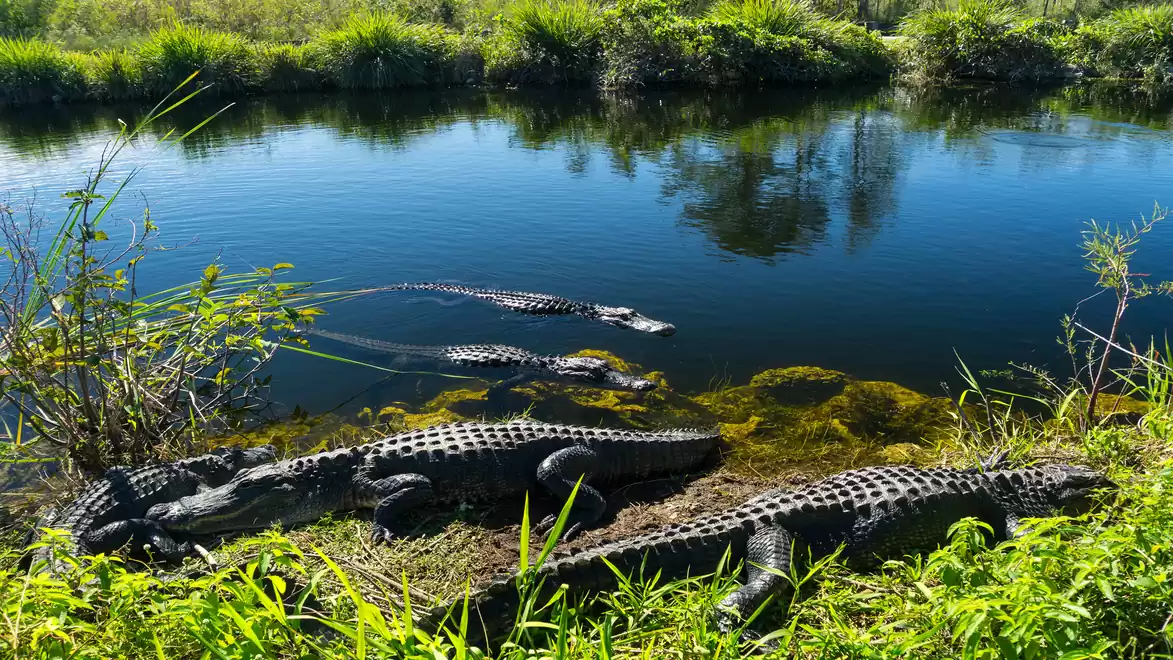
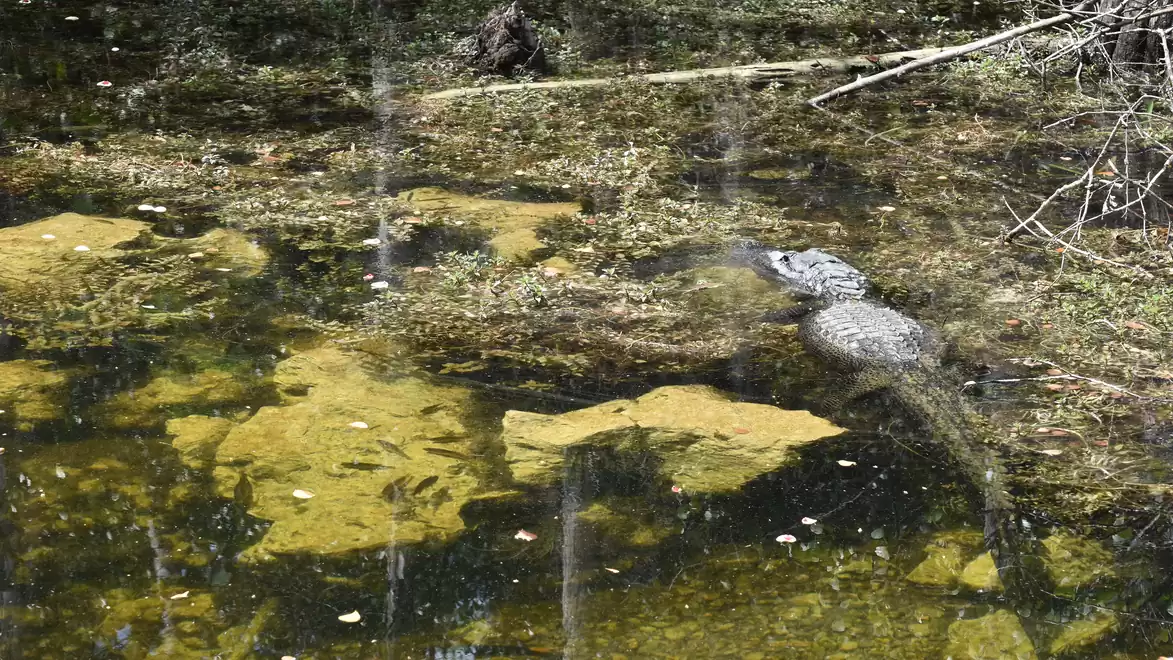
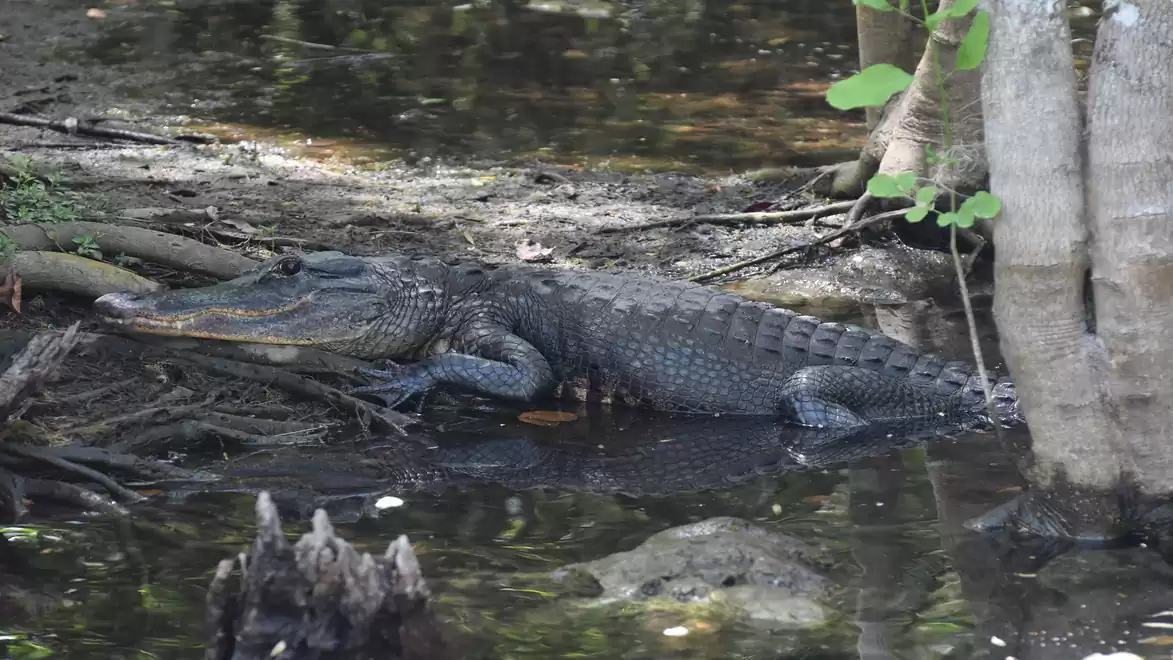
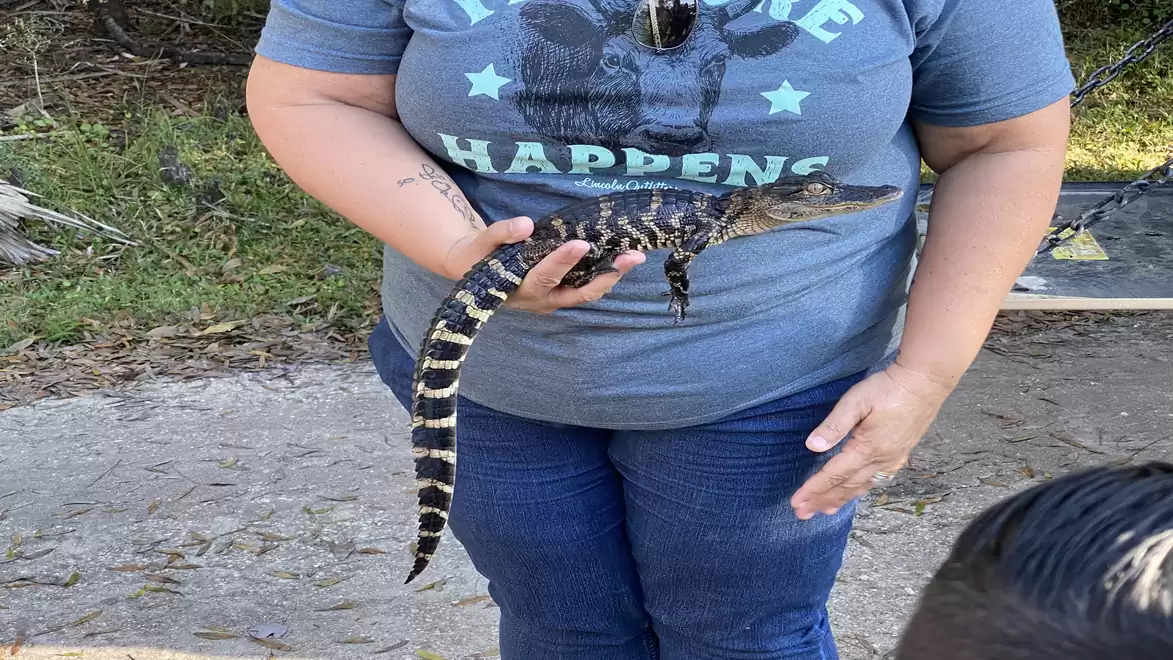
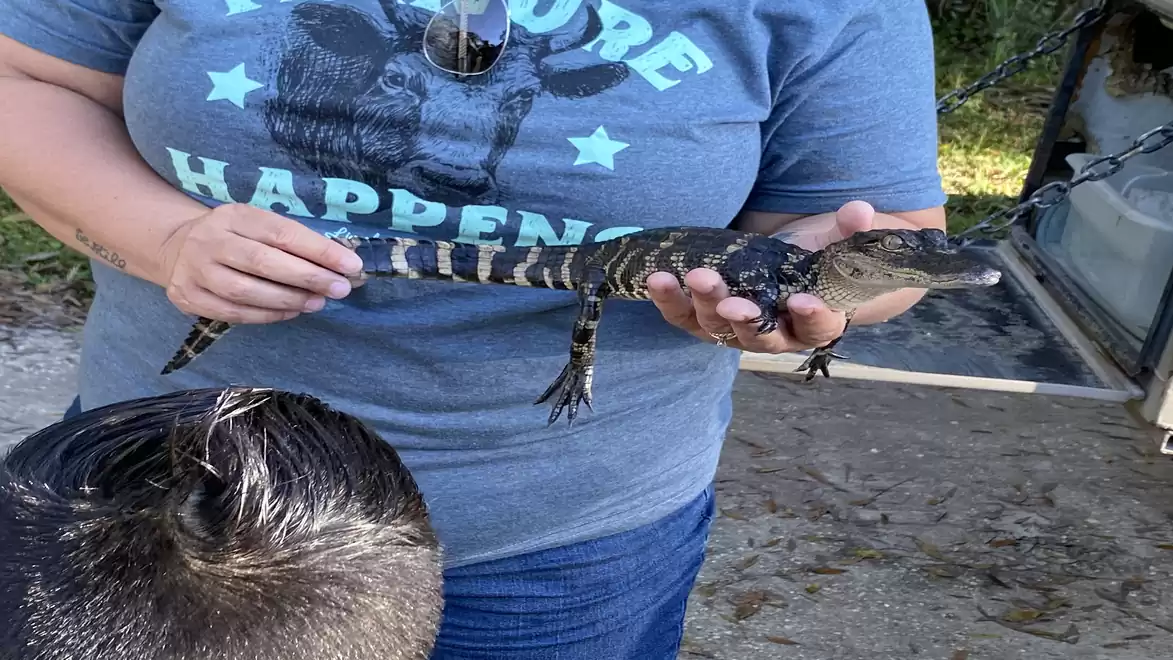
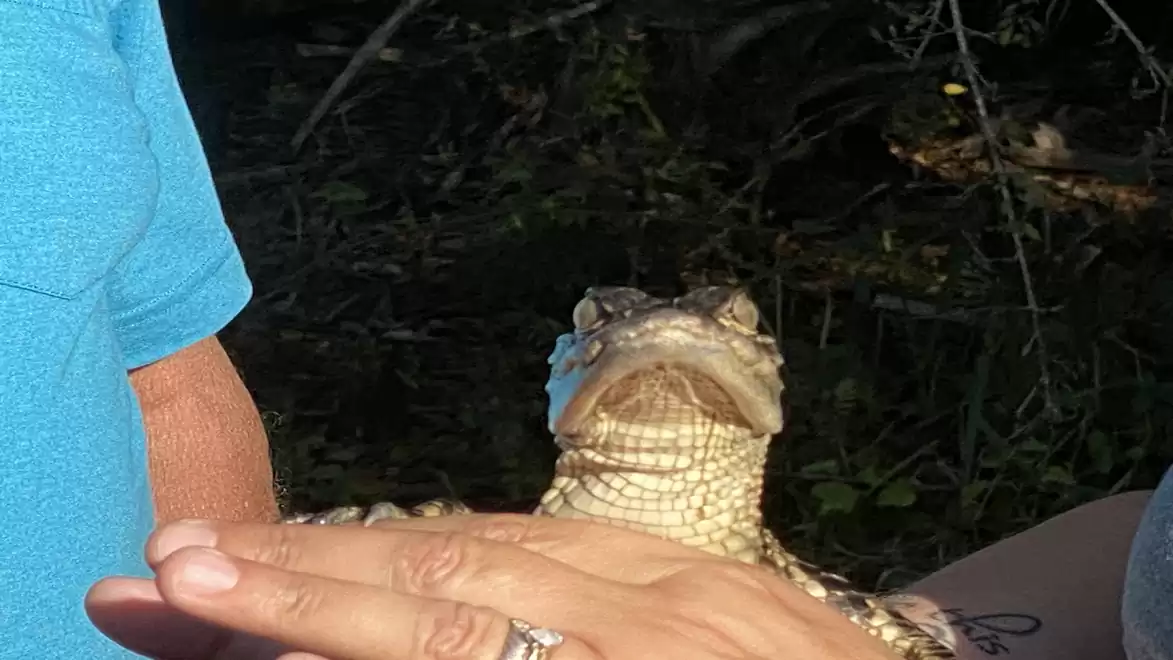
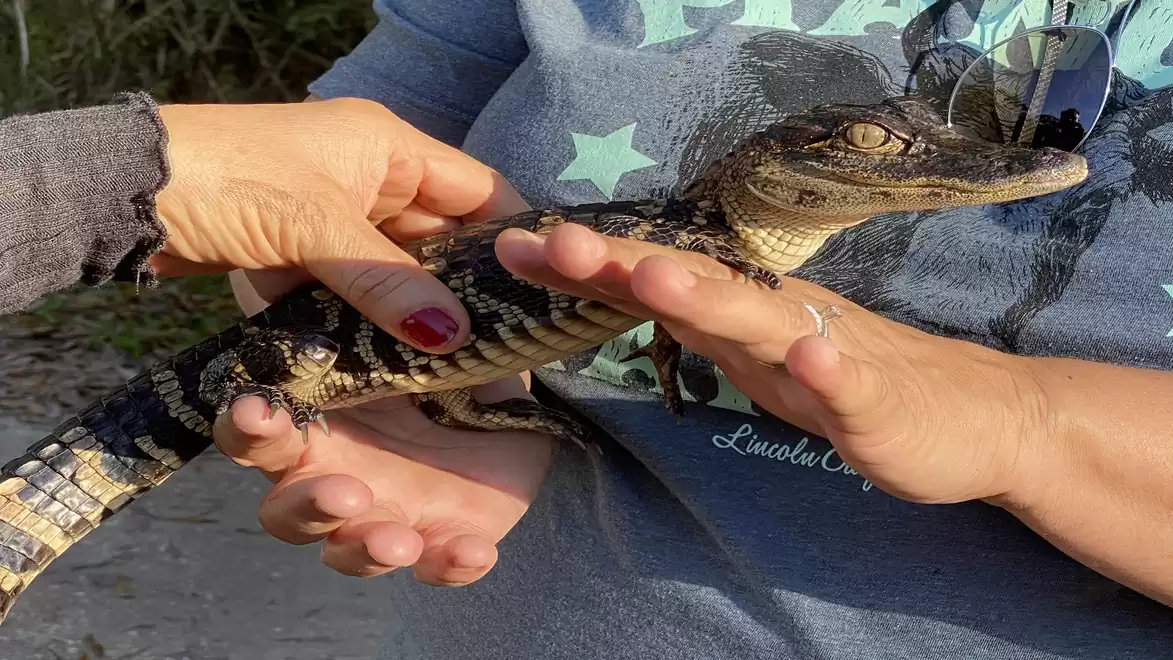
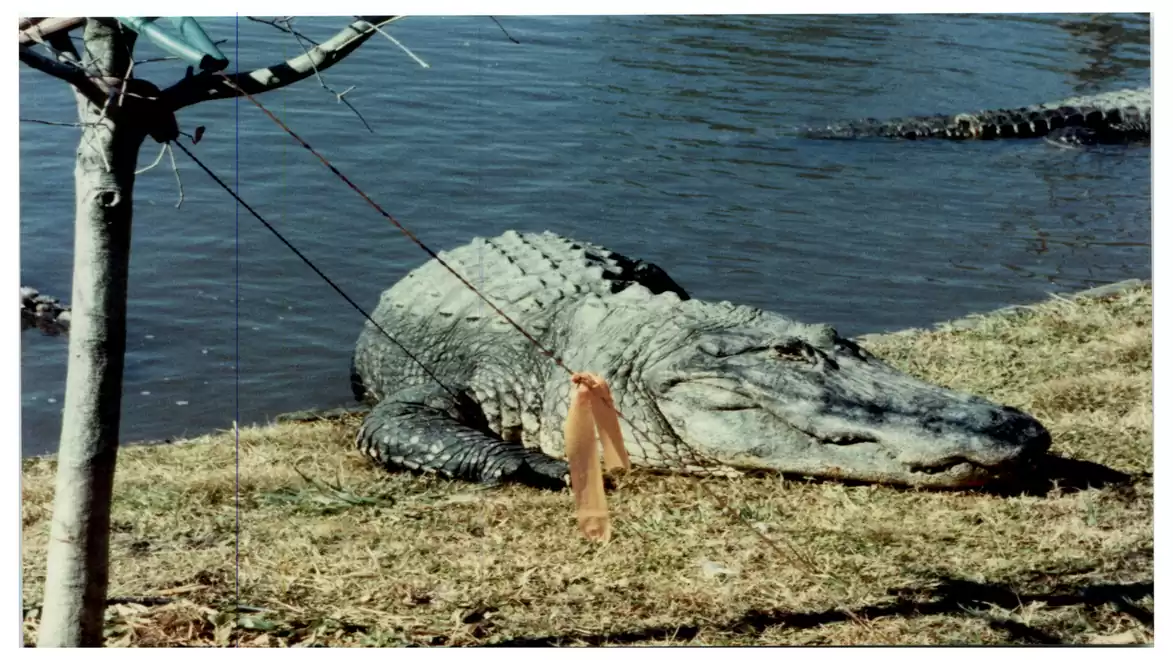
The name Alligator Alley is no coincidence – numerous alligators can be seen basking in the canals and swamps along the road. Bridges and rest areas offer great opportunities to observe these magnificent creatures from a safe distance.
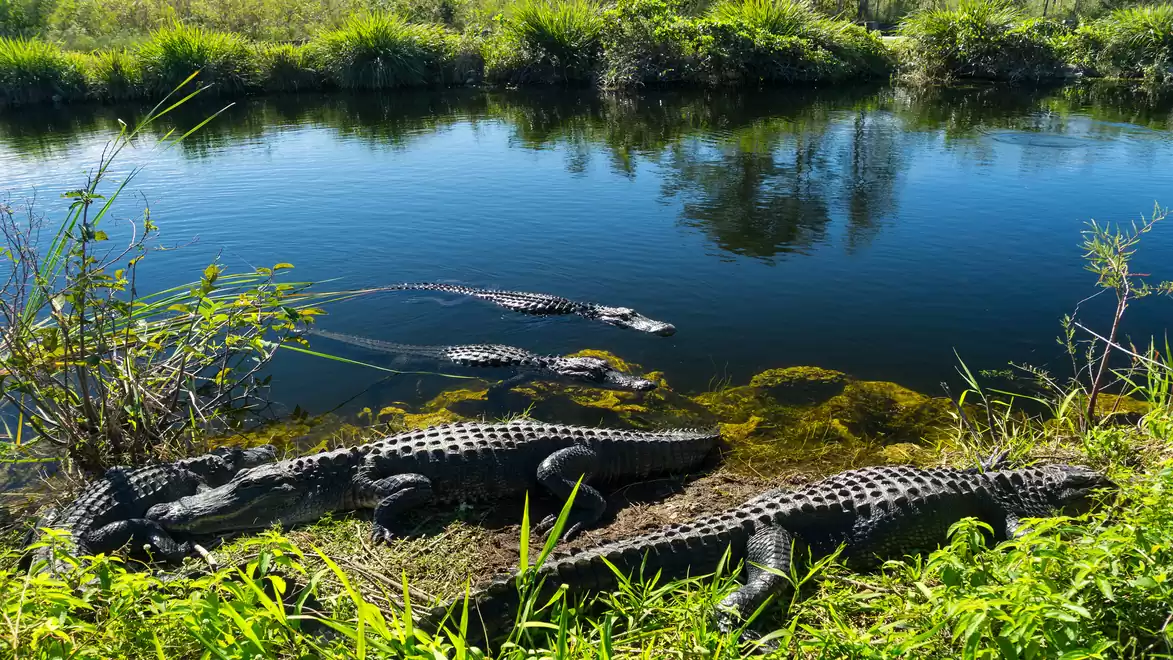
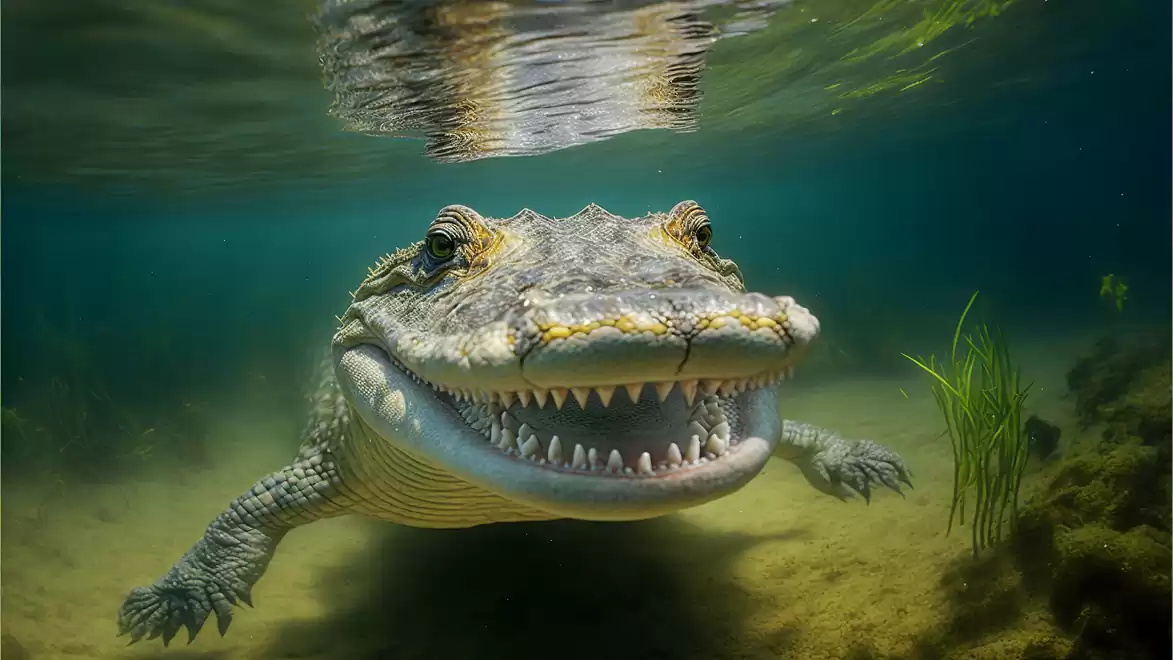
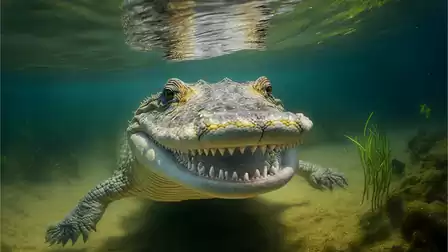
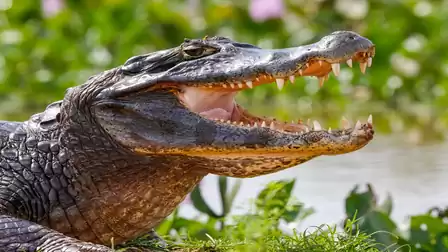
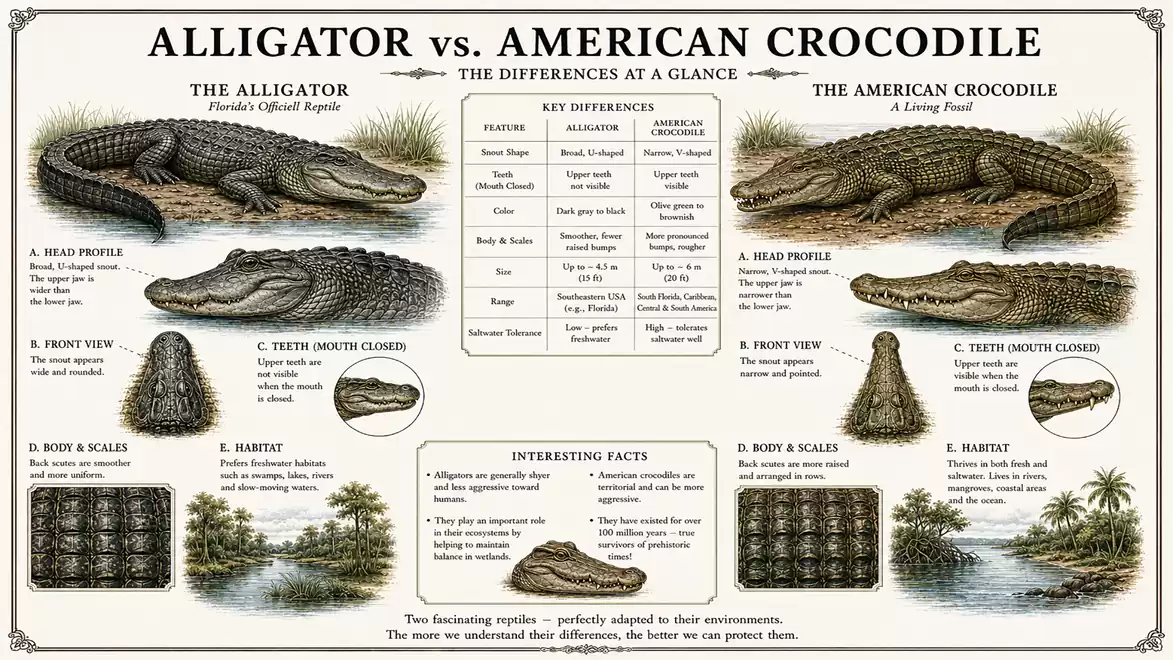
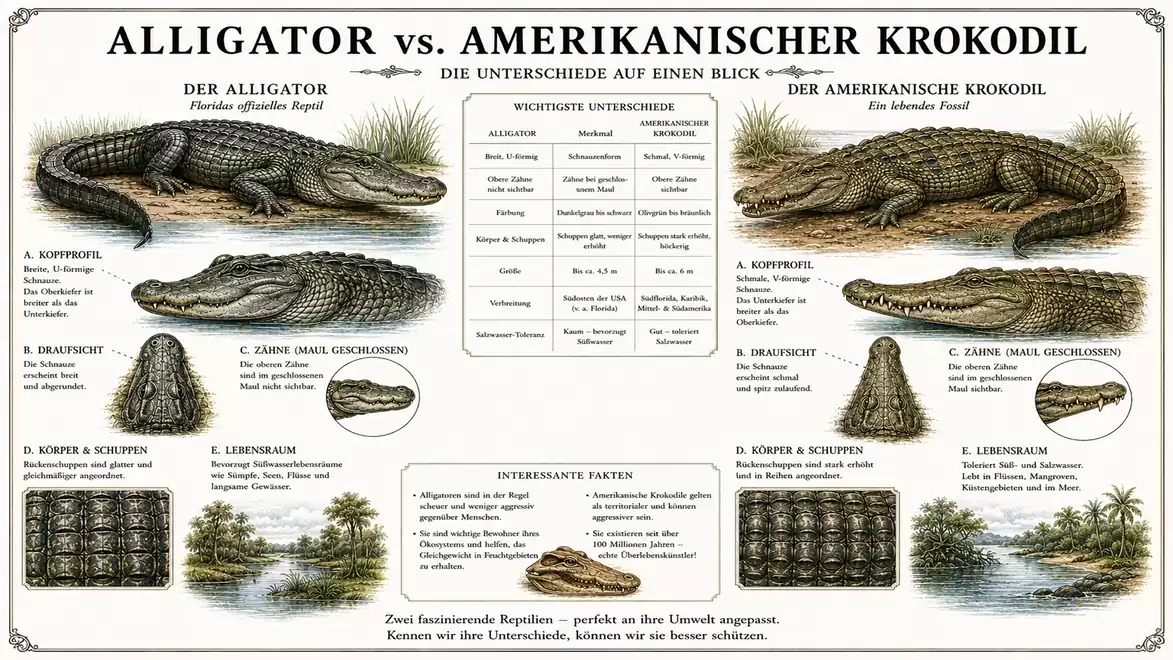
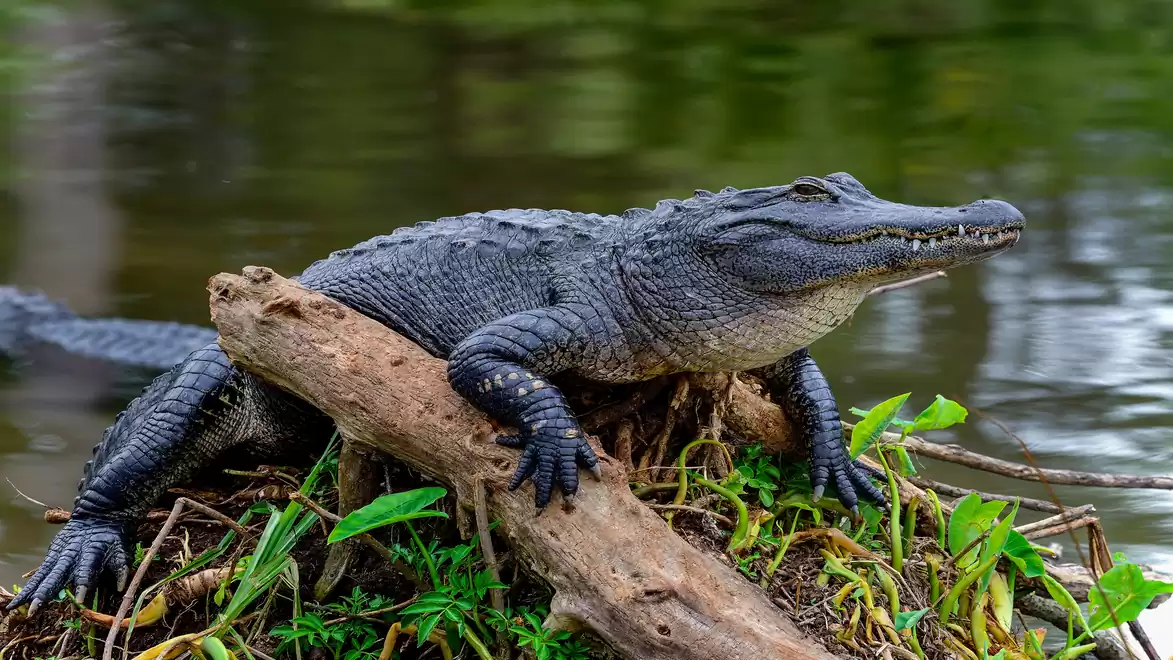
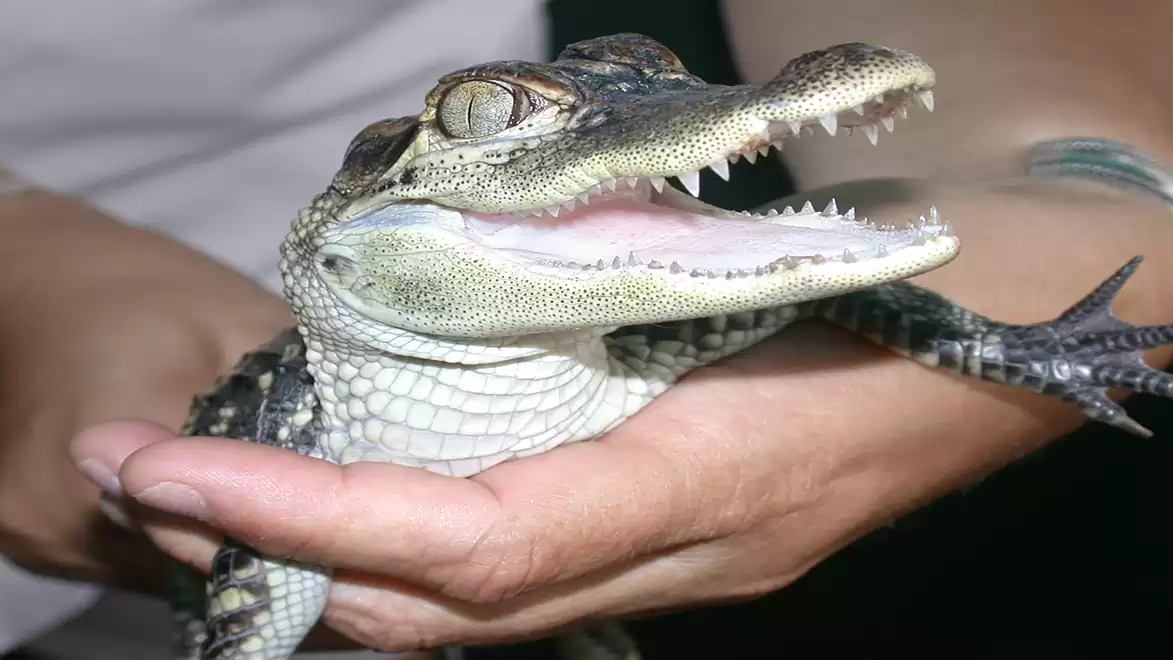
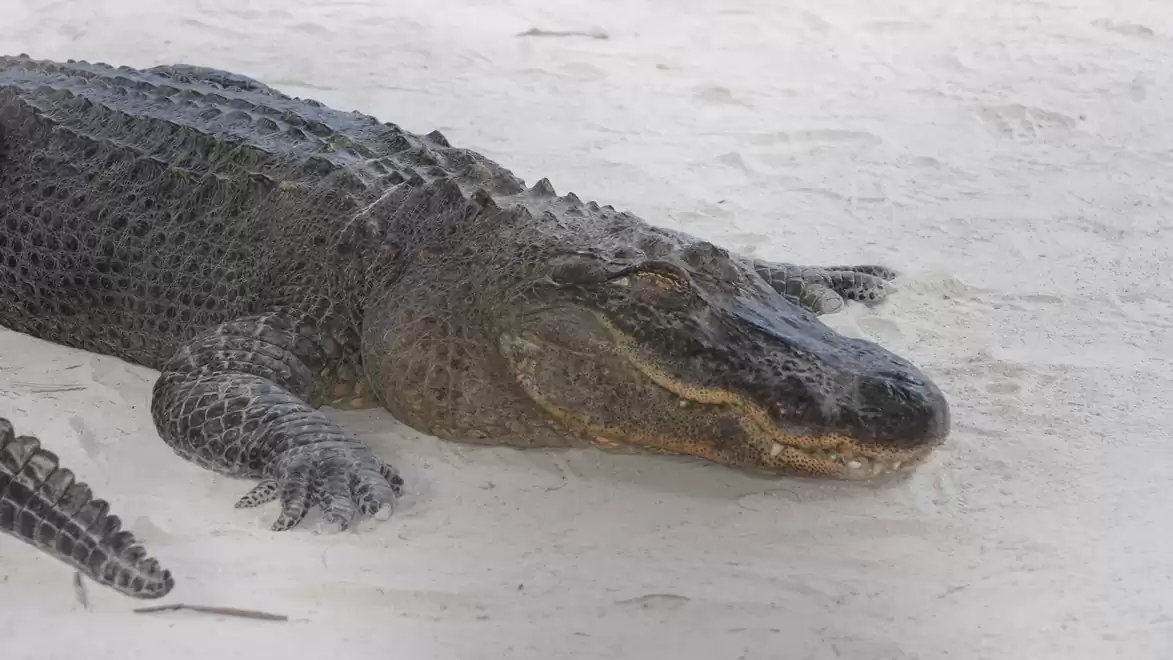
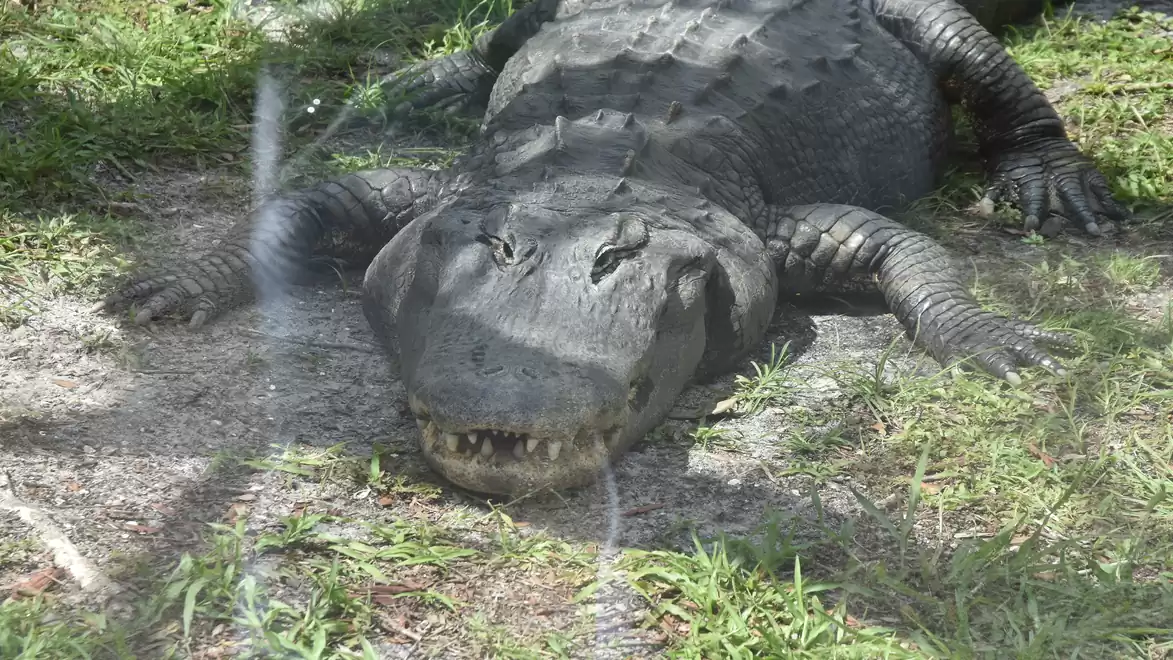
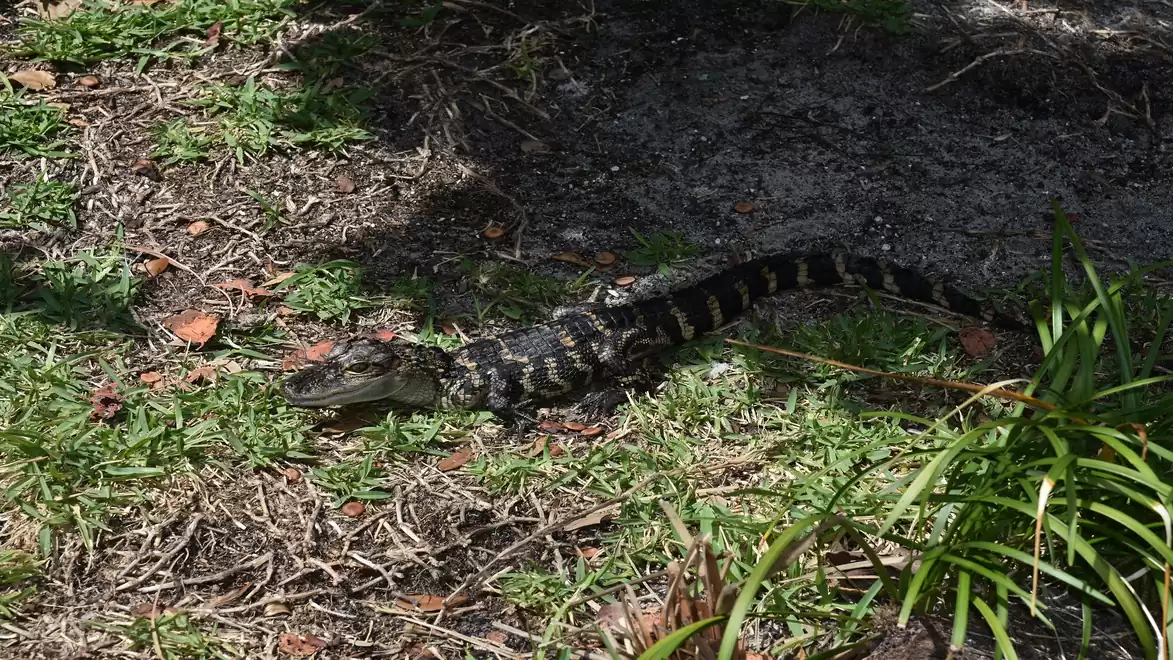
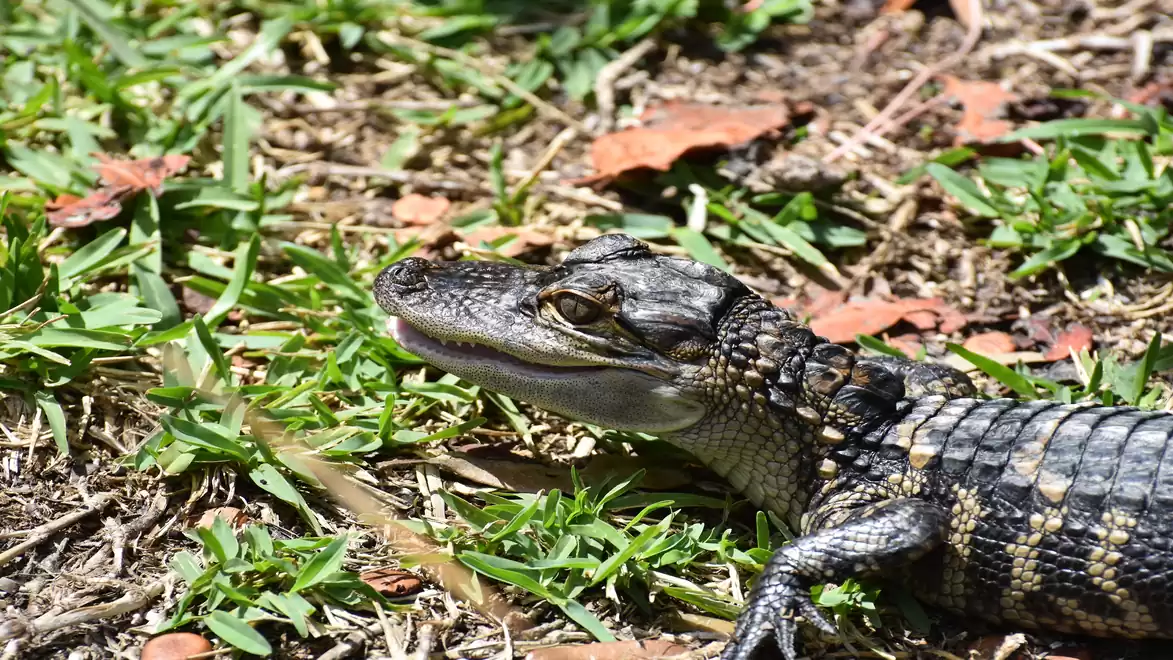
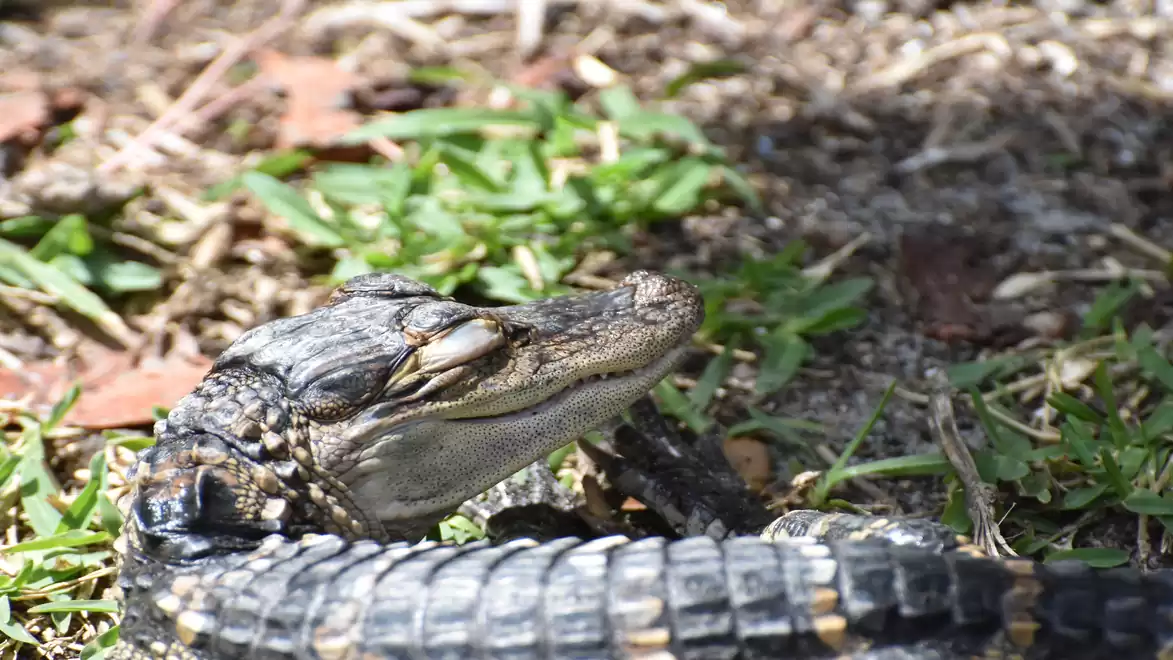
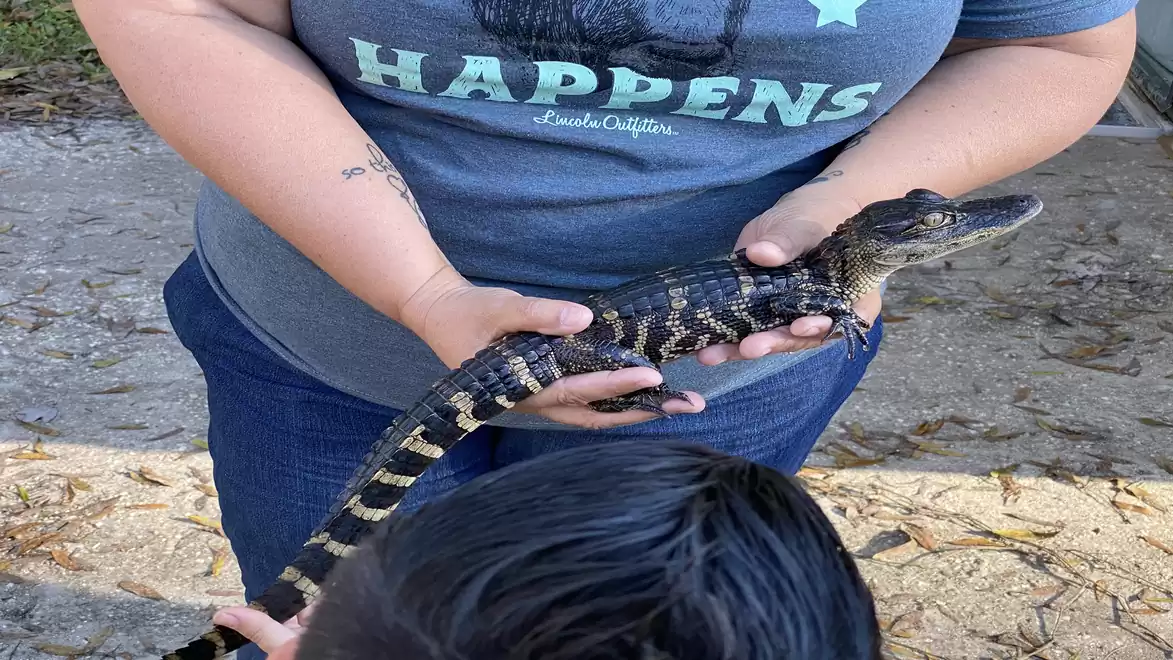
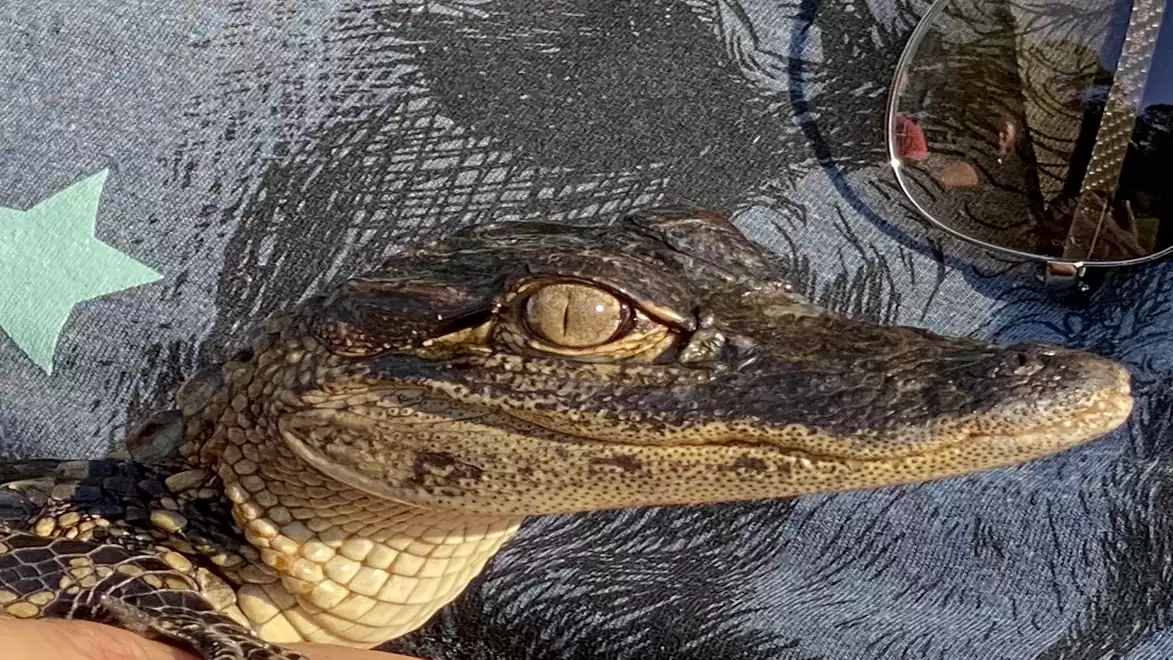
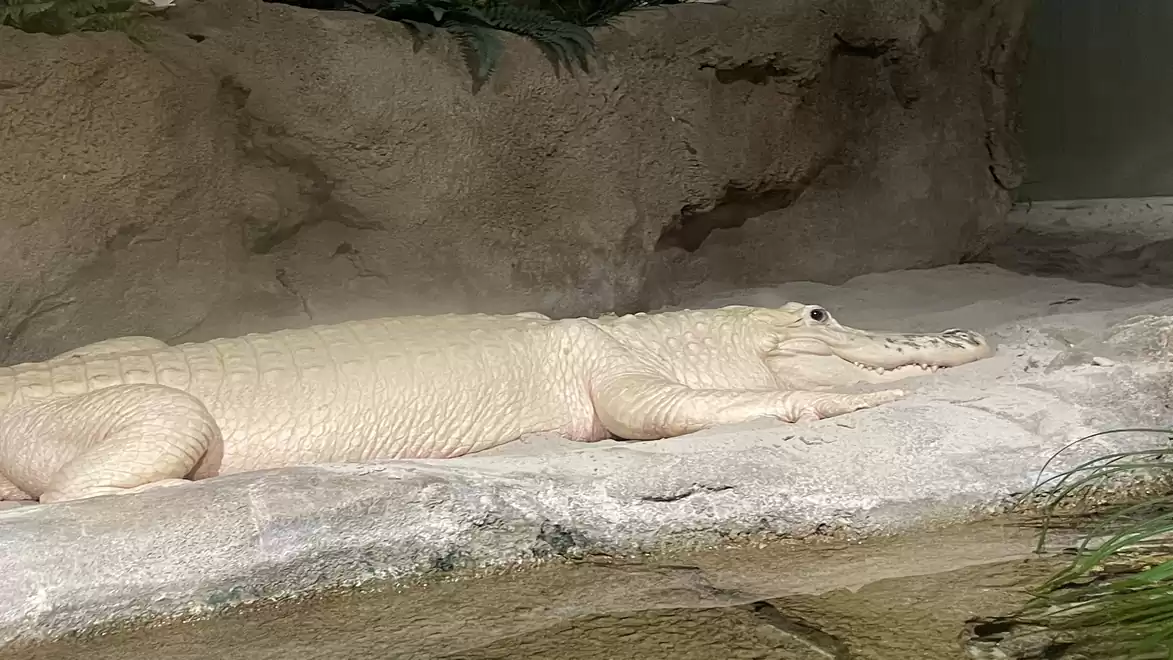
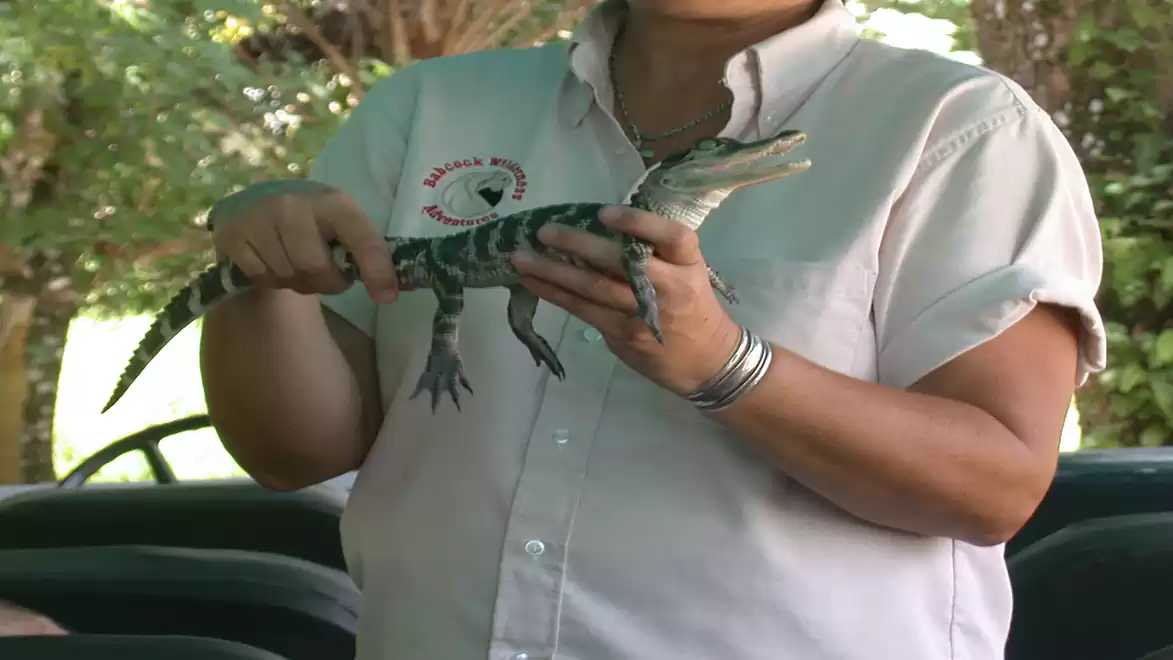
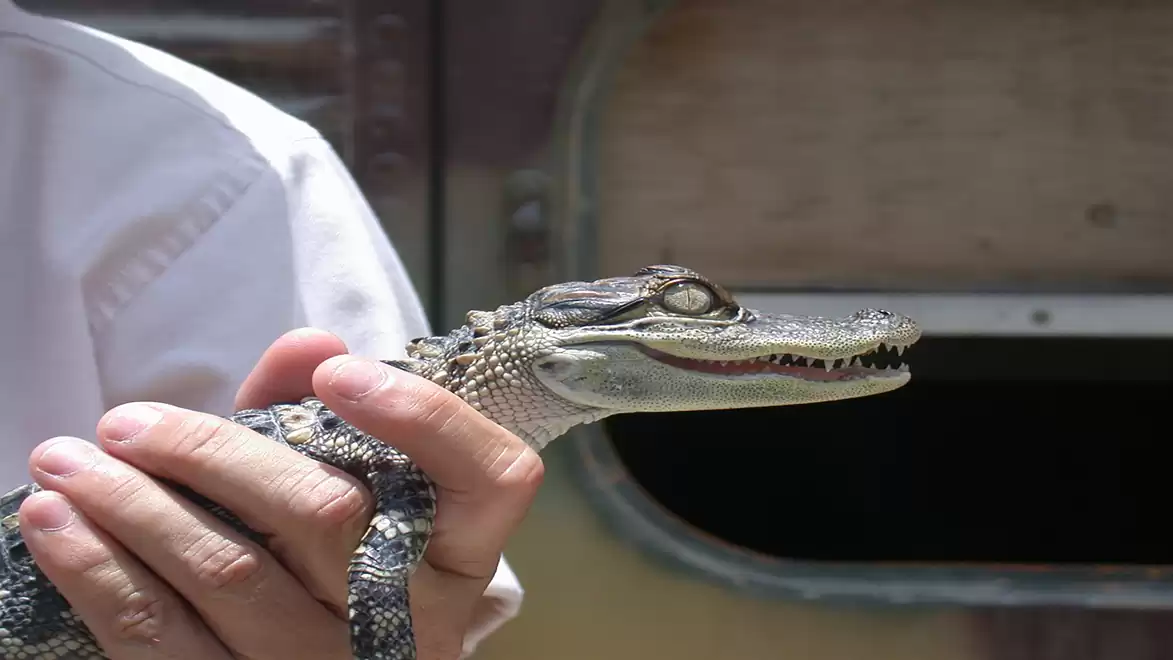
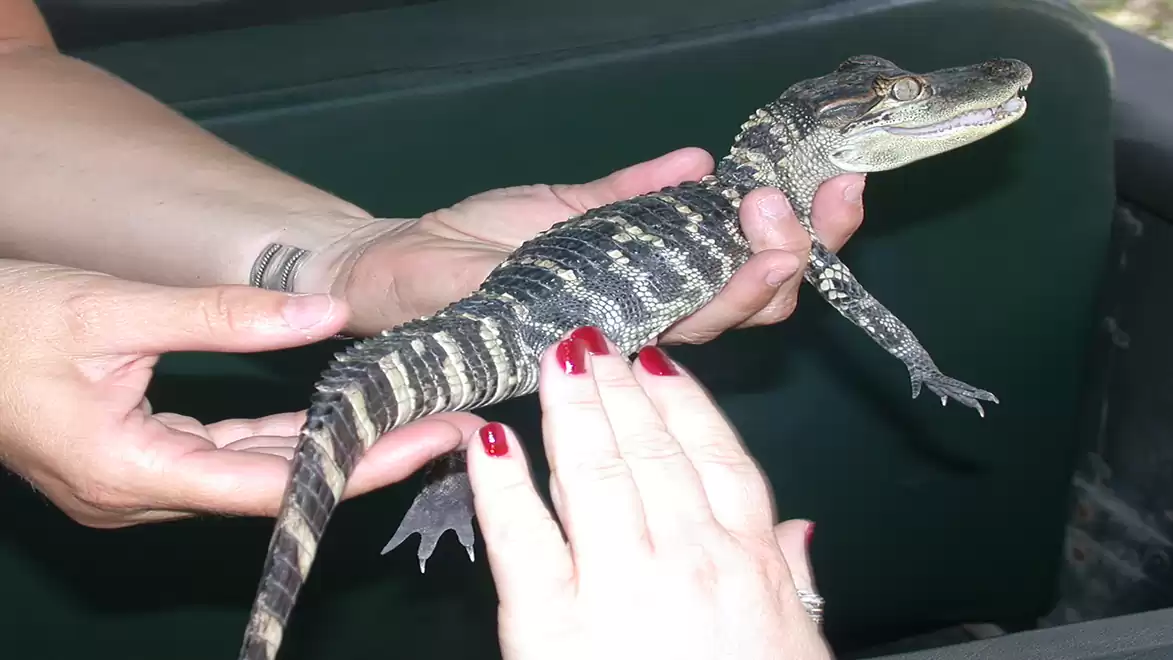
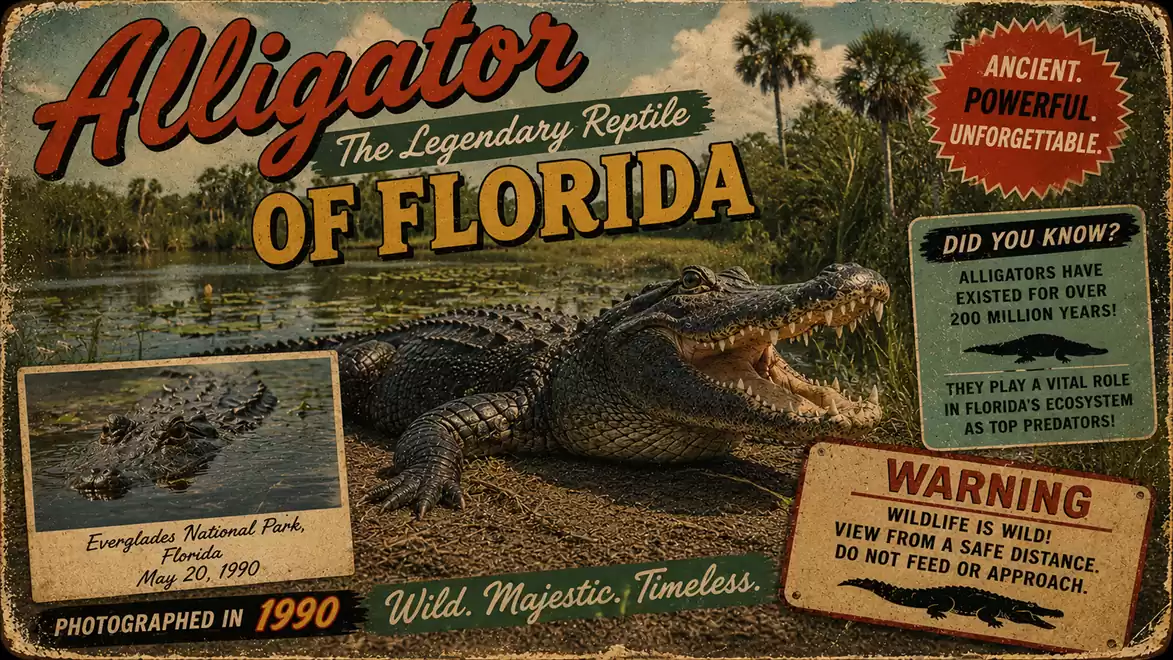
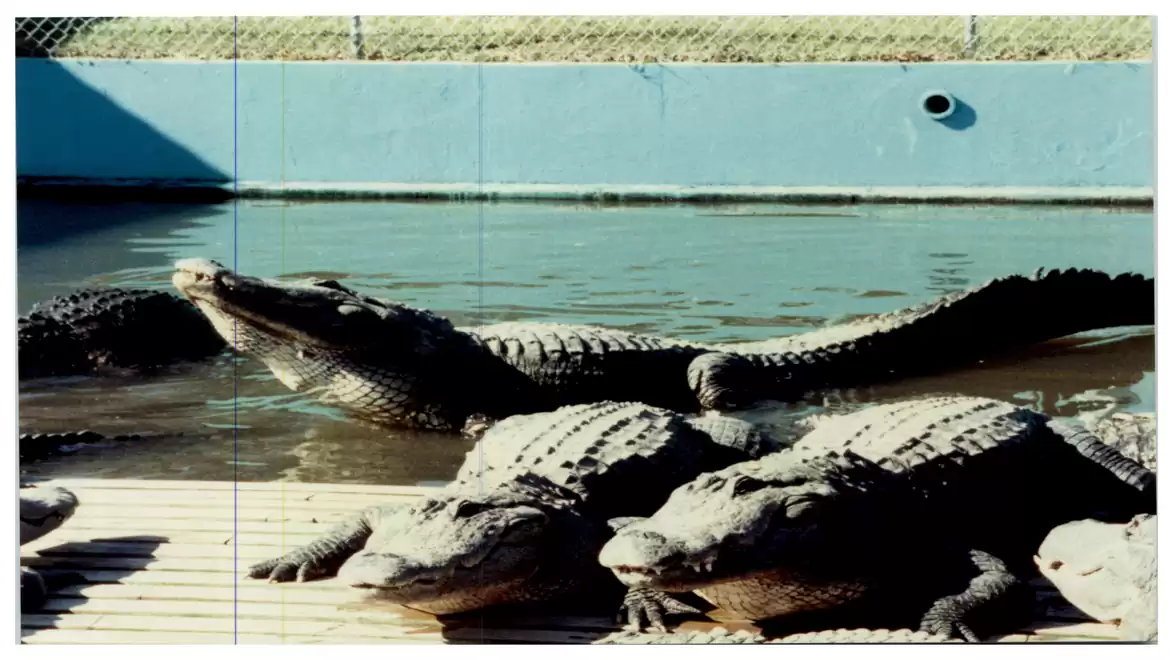
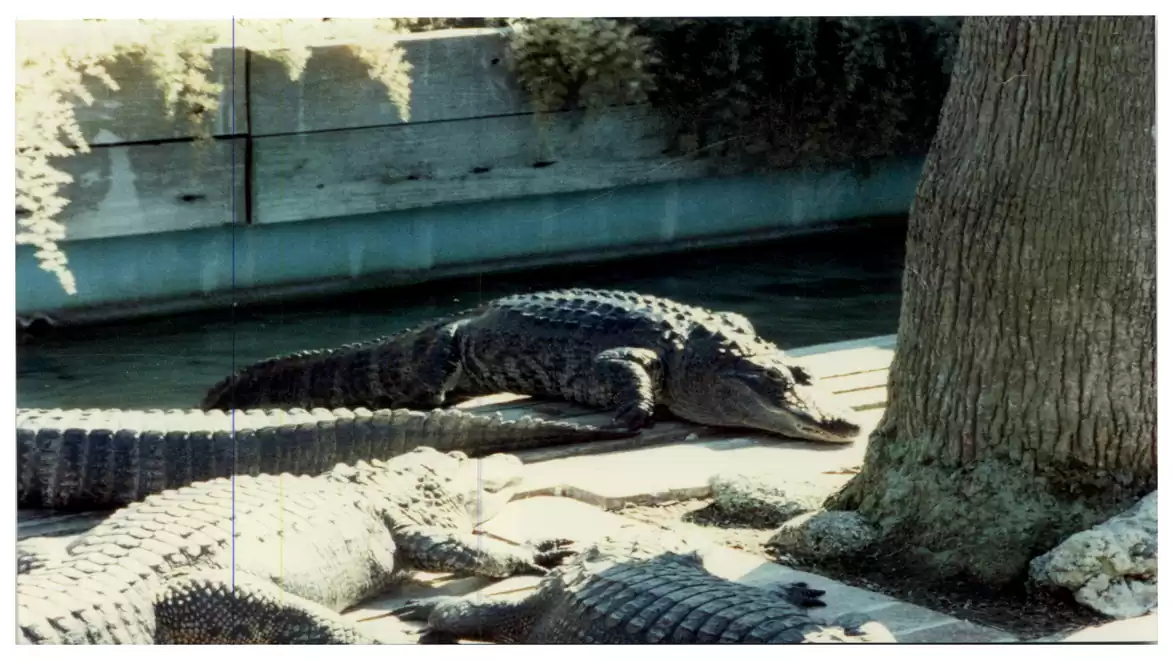
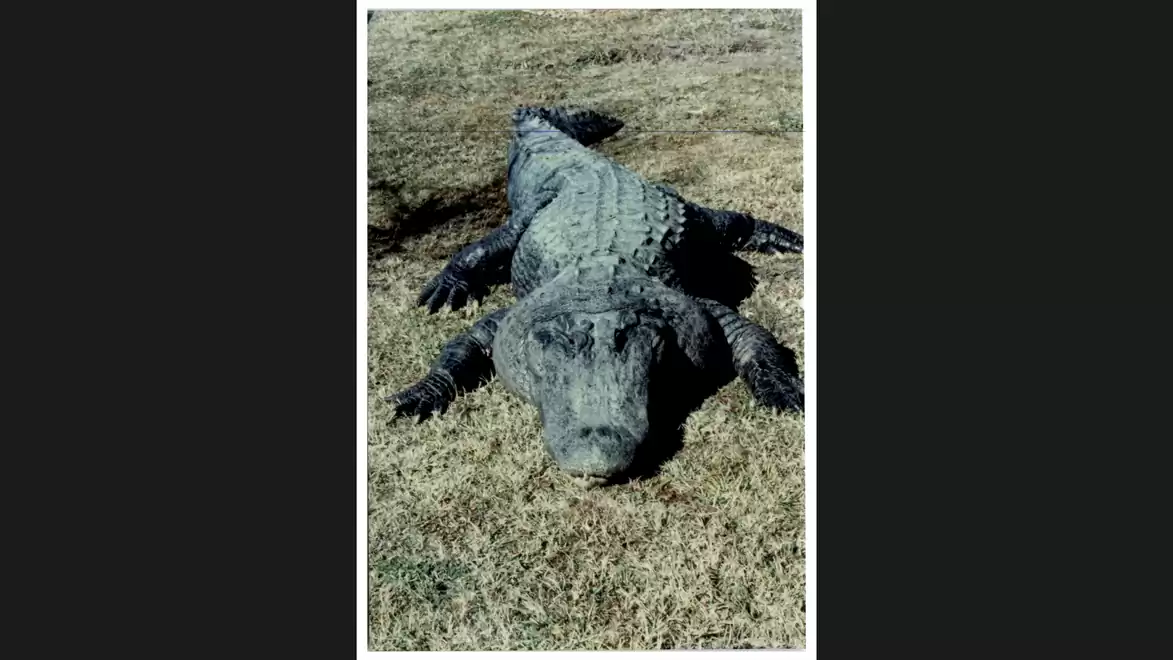
The Alligator (*Alligator mississippiensis*) is one of Florida’s most iconic animals and the official state reptile. These powerful creatures grow to an average length of 6 to 12 feet (1.8 to 3.6 meters) and can weigh up to 1,000 pounds (450 kg). Males are significantly larger than females. (Florida Fish and Wildlife Conservation Commission)
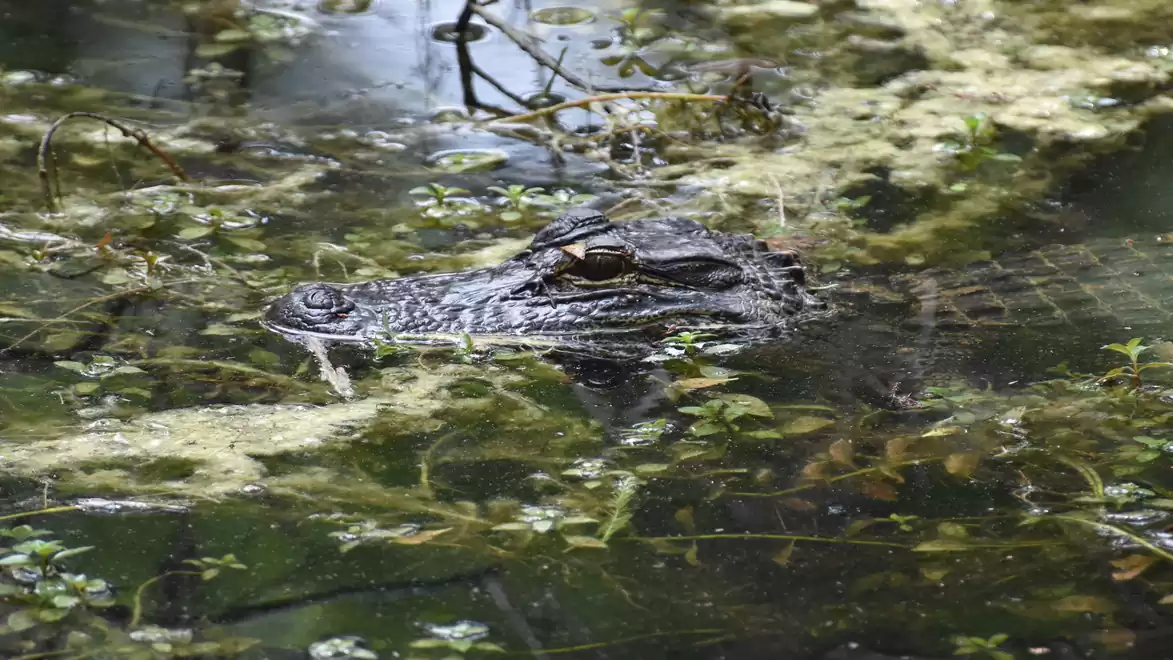
Alligators inhabit swamps, rivers, lakes, and ponds throughout Florida. They thrive in freshwater environments but can also tolerate brackish water. Florida is home to an estimated 1.3 million alligators, making it one of the most alligator-populated states in the U.S. (National Geographic)
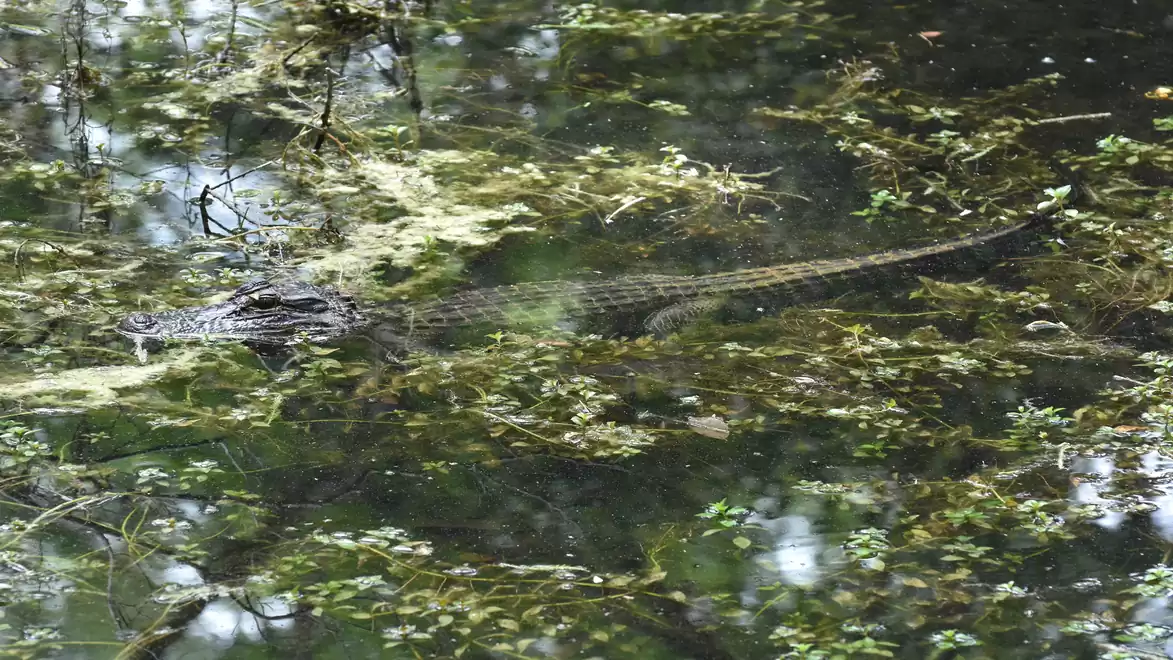
The Alligator is an opportunistic predator, feeding on fish, birds, turtles, and small to medium-sized mammals. Juveniles mainly consume insects, amphibians, and small fish. Alligators are most active at dusk and during nighttime. Their powerful jaws allow them to capture and subdue prey with ease.
Alligators begin mating in spring. Females lay up to 50 eggs in a nest of vegetation and mud. The nest temperature determines the sex of the hatchlings: Warmer temperatures produce males, while cooler temperatures result in females. Once hatched, the mother carefully carries her young to the water using her jaws.
Alligators typically avoid humans but can become aggressive if provoked. Florida has clear safety guidelines for coexisting with alligators:
(FWC – Living with Alligators)
The Alligator is a fascinating species and a symbol of Florida’s untamed wilderness. In the Everglades and other protected areas, visitors can safely observe these incredible reptiles from a distance.

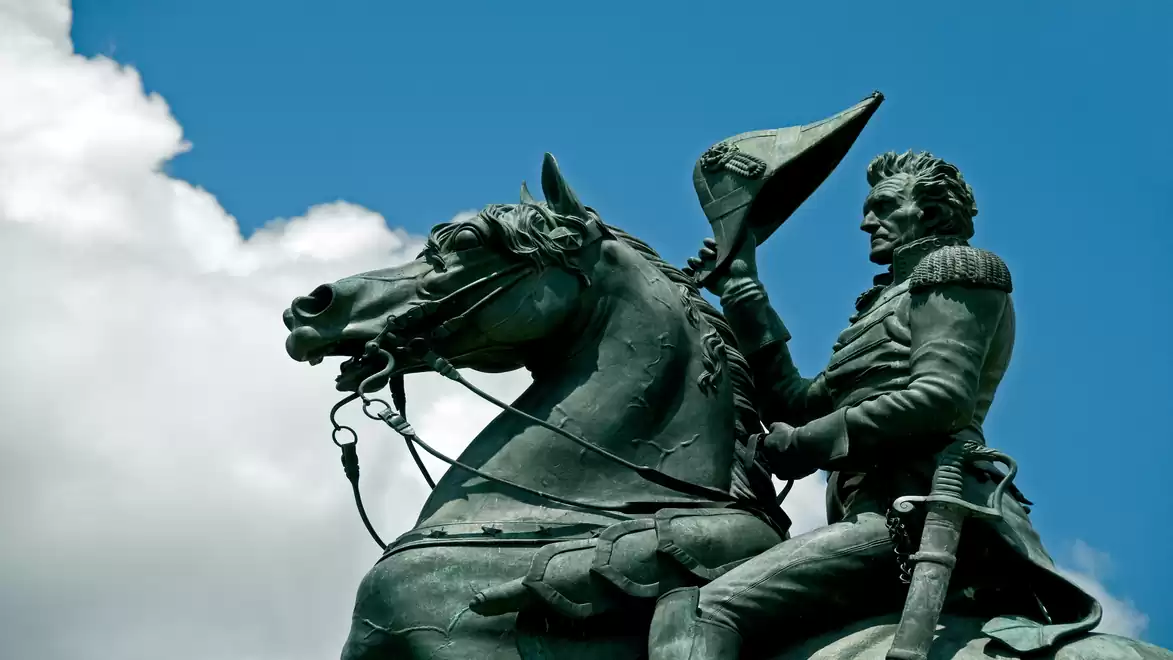
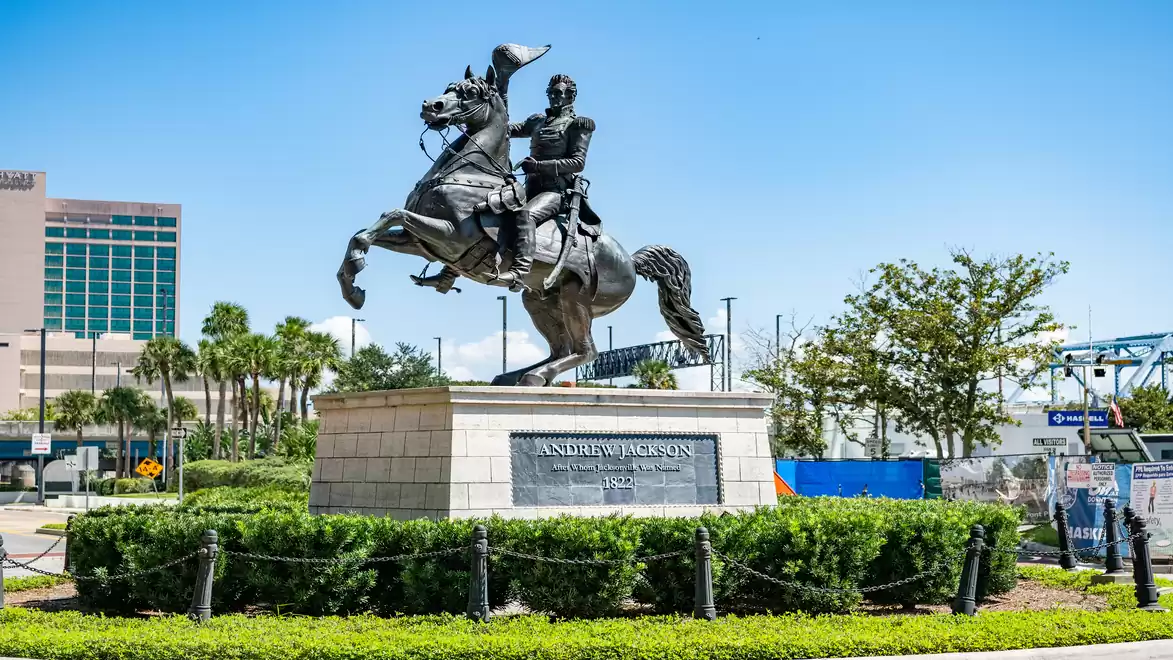
Andrew Jackson (1767–1845) was the seventh President of the United States (1829–1837) and a significant figure in American history. His military successes during the War of 1812 brought him national recognition and paved the way for his political career. (H History)
As a general, Jackson led troops into Florida in 1817 to confront the Seminoles. His campaign included the destruction of villages, the capture of Spanish forts such as St. Marks and Pensacola, and the displacement of the Seminoles further south into Florida. These actions led to the First Seminole War (1817–1818). (Encyclopedia Britannica)
During his presidency, Jackson signed the Indian Removal Act of 1830, which authorized the relocation of Native American tribes east of the Mississippi River to lands west of the river. This legislation resulted in the forced displacement of thousands of indigenous people, known as the Trail of Tears, during which many perished. (Encyclopedia Britannica)
Despite the Indian Removal Act, the Seminoles resisted relocation, leading to the Second Seminole War (1835–1842). A small group of Seminoles remained in Florida, and their descendants continue to live in reservations within the state today. (Encyclopedia Britannica)
Andrew Jackson's legacy is complex; while celebrated as a hero of the War of 1812, his policies toward Native Americans and his role in their displacement remain subjects of ongoing criticism and debate.


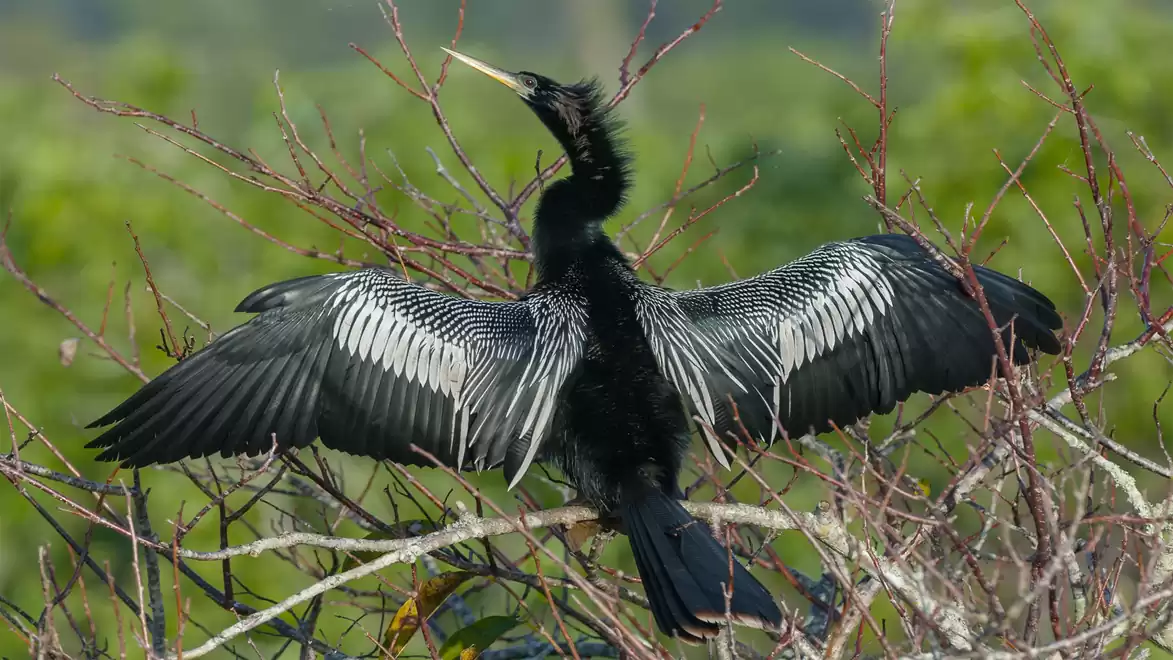
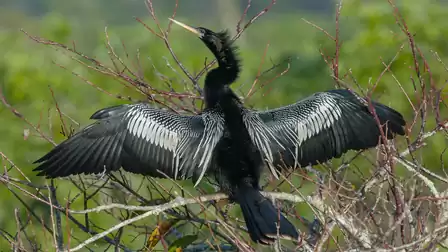
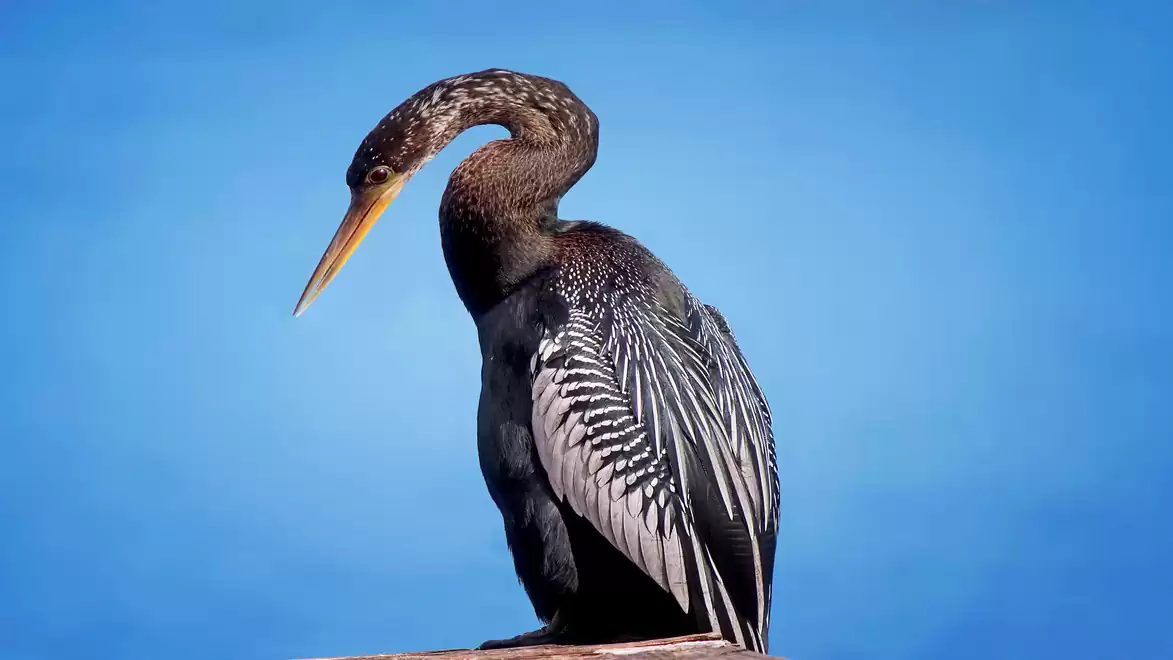
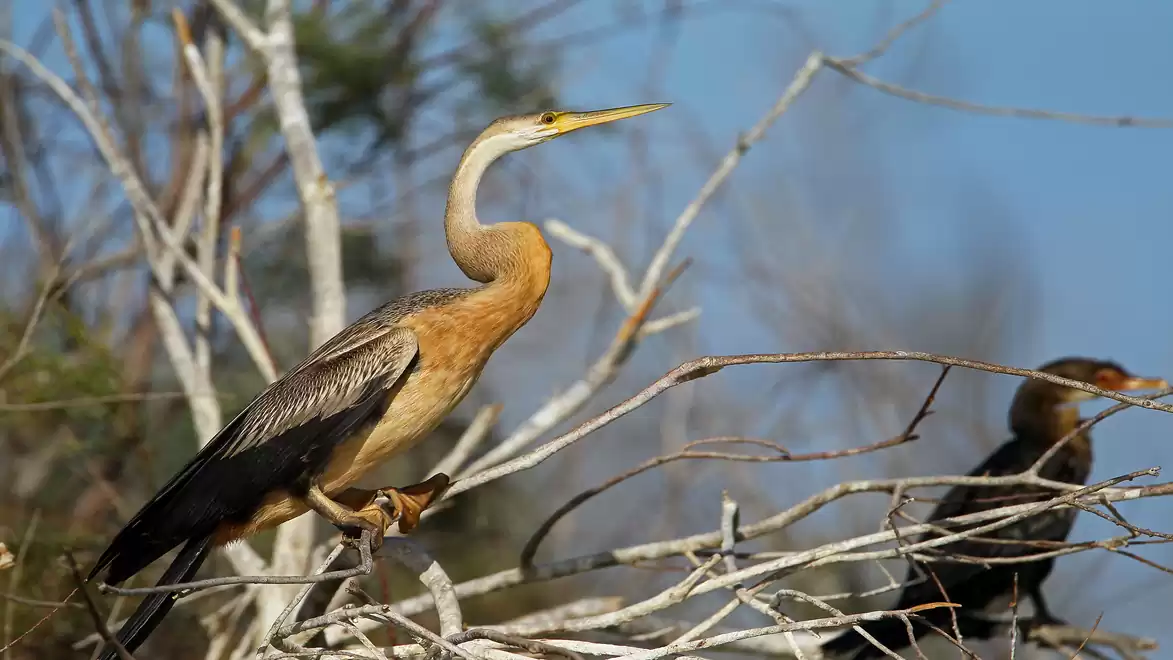
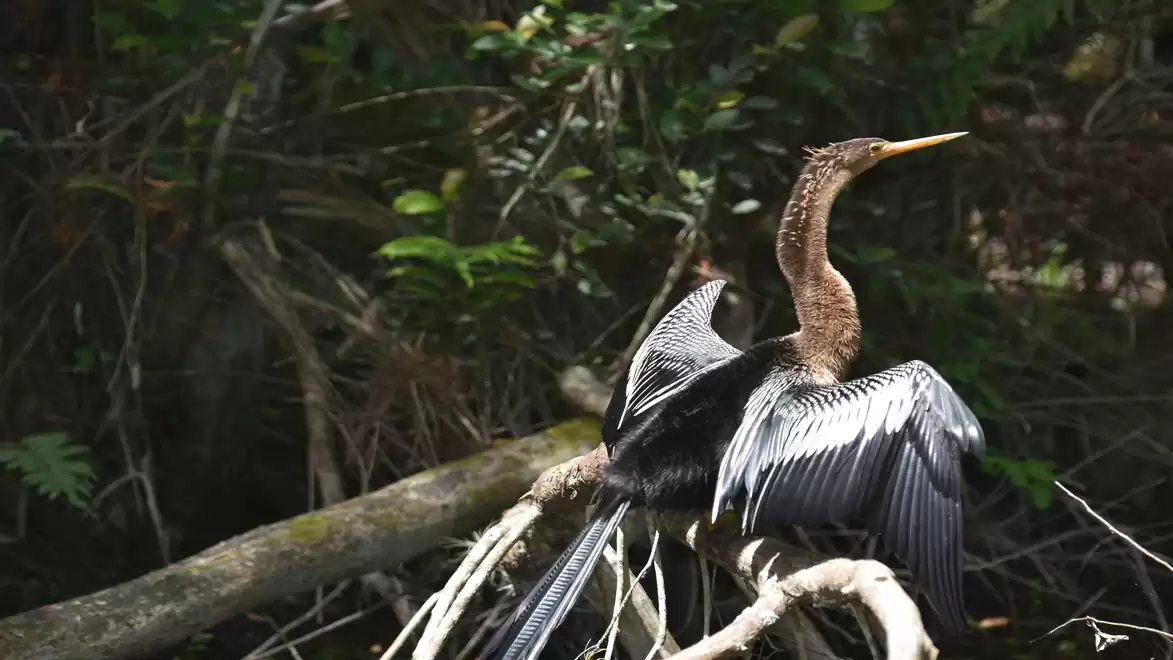
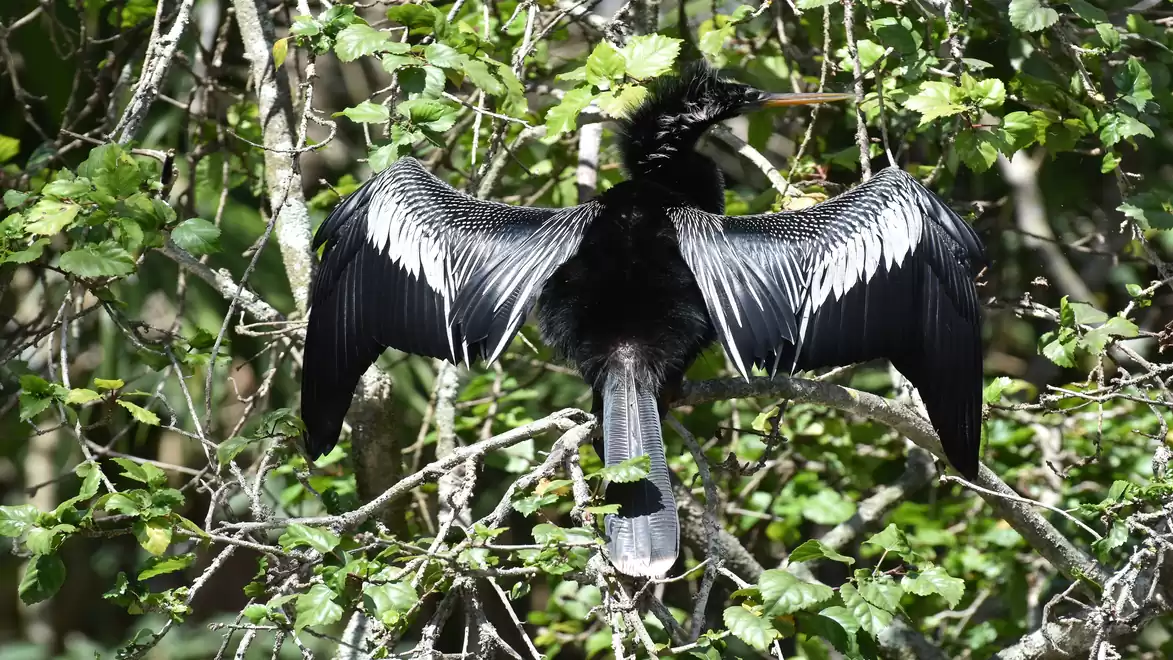
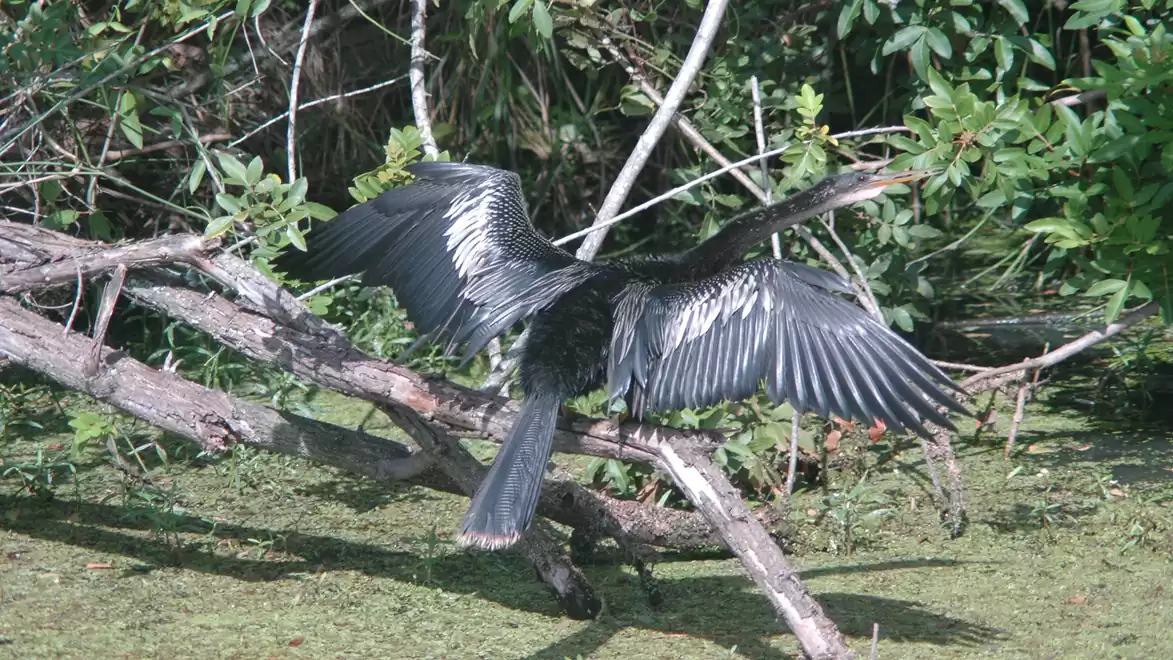
The Anhinga (*Anhinga anhinga*), also known as the Snakebird, is a unique waterbird distinguished by its long, slender neck and exceptional diving skills. It earned its nickname because it swims with its body submerged, leaving only its head and neck above the water – a stealthy technique that makes it an efficient hunter. (Audubon Field Guide)
The Anhinga thrives in swamps, rivers, lakes, and marshes across Florida and the southeastern United States. It is most commonly found in the Everglades, where it hunts in slow-moving freshwater environments. Unlike cormorants, Anhingas prefer freshwater habitats and rarely venture into coastal areas. (All About Birds)
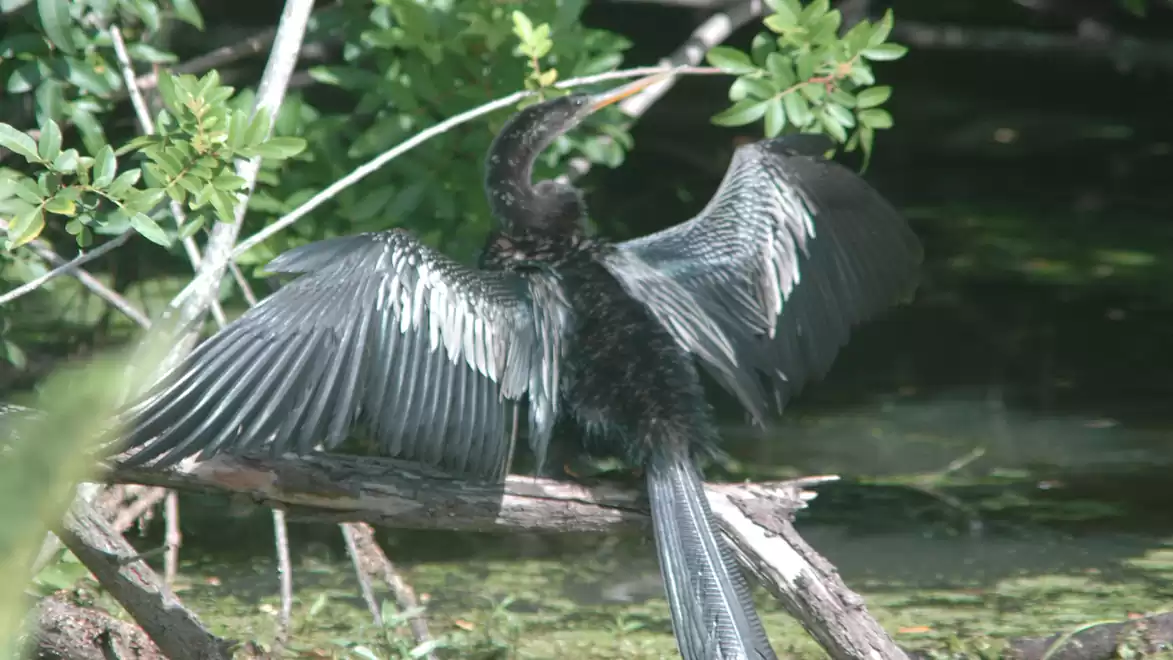
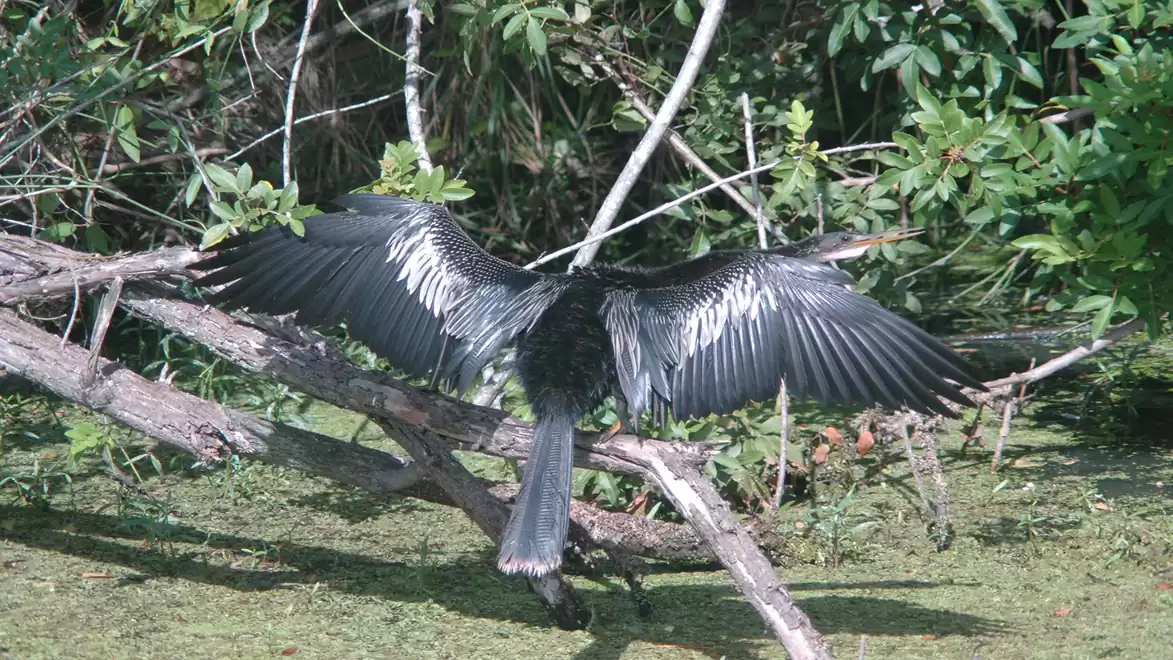
The Snakebird is a skilled diver, feeding mainly on fish, amphibians, and small reptiles. Using its long, sharp beak, it spears its prey underwater before tossing it into the air to swallow it headfirst. Since its feathers are not waterproof, the Anhinga can dive with ease but must dry its wings after swimming. This distinctive pose is often seen along Florida’s waterways. (Audubon Field Guide)
During the breeding season, Anhingas build their nests in trees or dense shrubs near water. The female lays three to five eggs, and both parents take turns incubating them. Juvenile birds remain in the nest for several weeks before learning to fly. Males have glossy black feathers, while females are distinguished by their brown heads and necks. (All About Birds)
One of the best places to observe the Anhinga is the Anhinga Trail in Everglades National Park. This boardwalk takes visitors through marshy landscapes where these birds are often seen drying their wings. Other great spots include the Corkscrew Swamp Sanctuary and the Merritt Island National Wildlife Refuge.
The Anhinga is not just an expert hunter but also a crucial part of Florida’s wetland ecosystems. Its distinctive hunting style and striking appearance make it one of the state’s most fascinating birds.
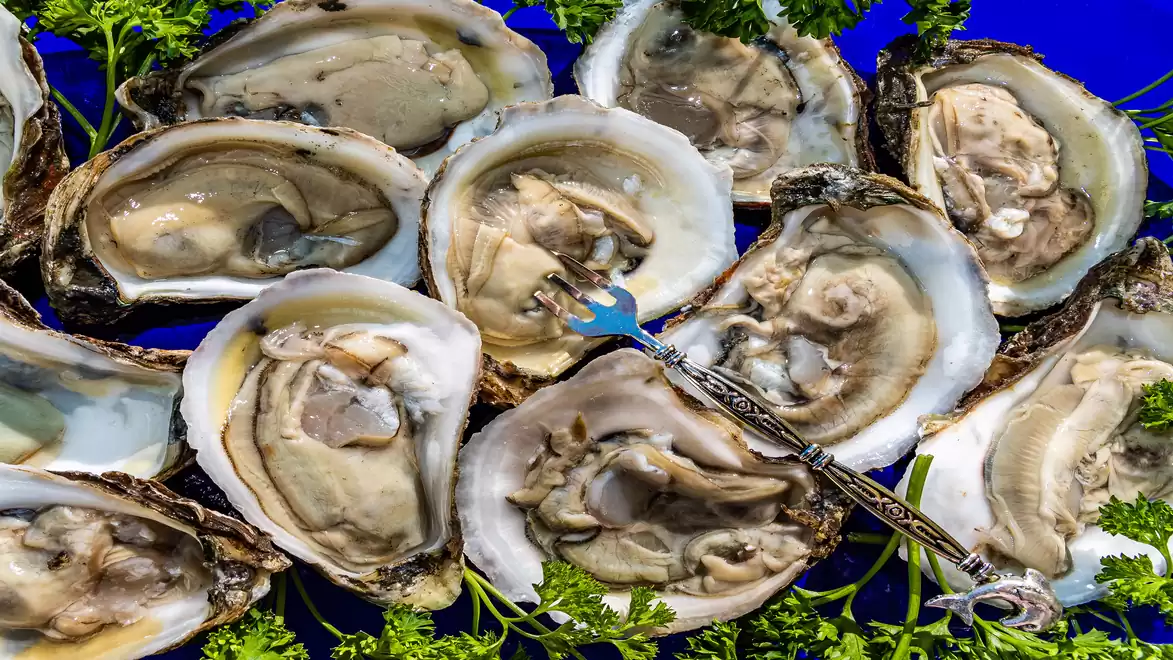
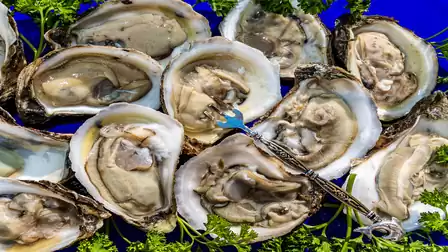
Apalachicola oysters are a culinary delicacy from Northwest Florida, specifically from Apalachicola Bay in Franklin County. This area is known for its historic oyster beds and has long been a hub of traditional oyster harvesting.
The flavor of Apalachicola oysters is mild, slightly salty, and exceptionally fresh – a result of the bay’s unique mix of fresh and saltwater. These natural conditions foster an ideal habitat for plump, high-quality oysters.
Oyster harvesting has deep roots in Apalachicola's local culture and economy. Many regional seafood restaurants and markets offer fresh oysters straight from the bay.
In recent years, environmental changes, overharvesting, and water management challenges have impacted oyster populations. Consequently, state-led conservation and restoration programs have been initiated.
Note: The harvesting and sale of Apalachicola oysters may be temporarily restricted by law. For up-to-date information, consult the Florida Fish and Wildlife Conservation Commission (FWC).
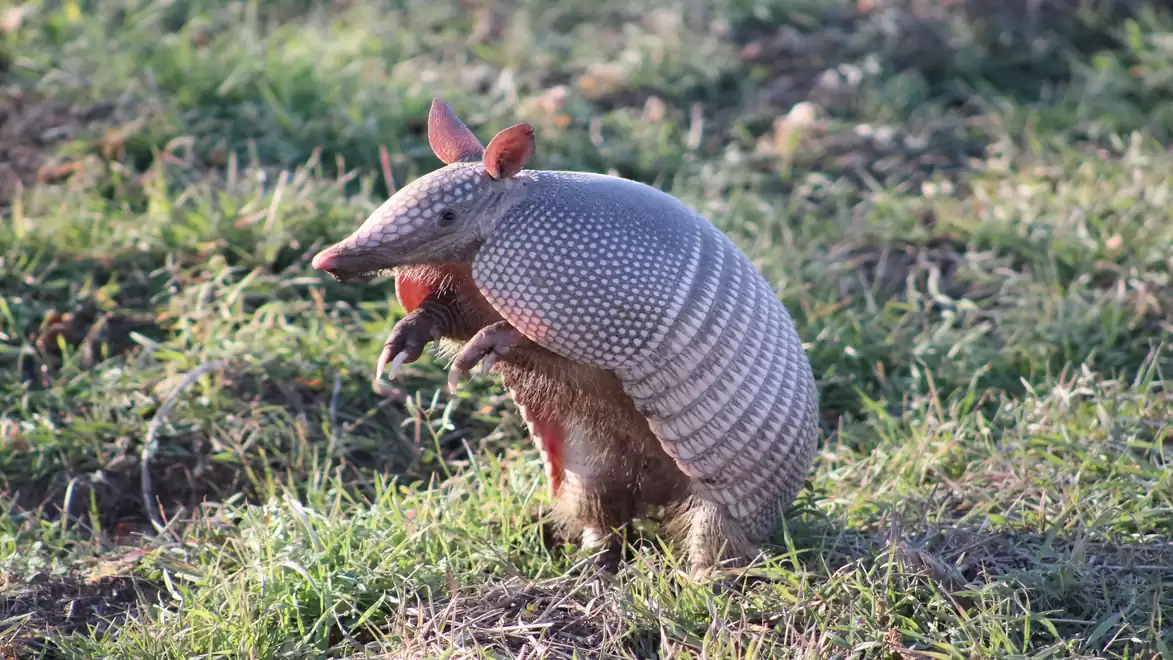
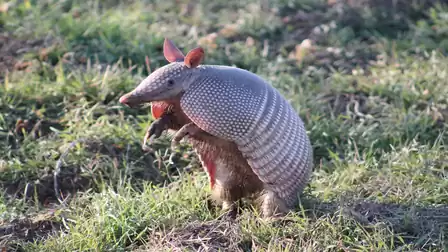
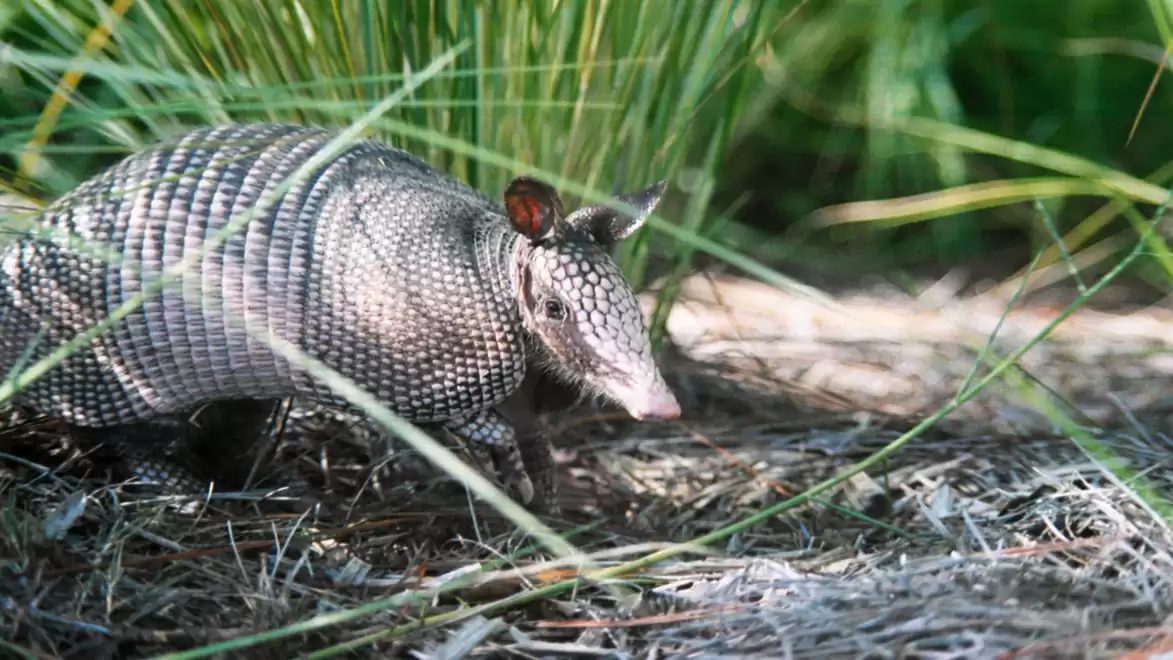
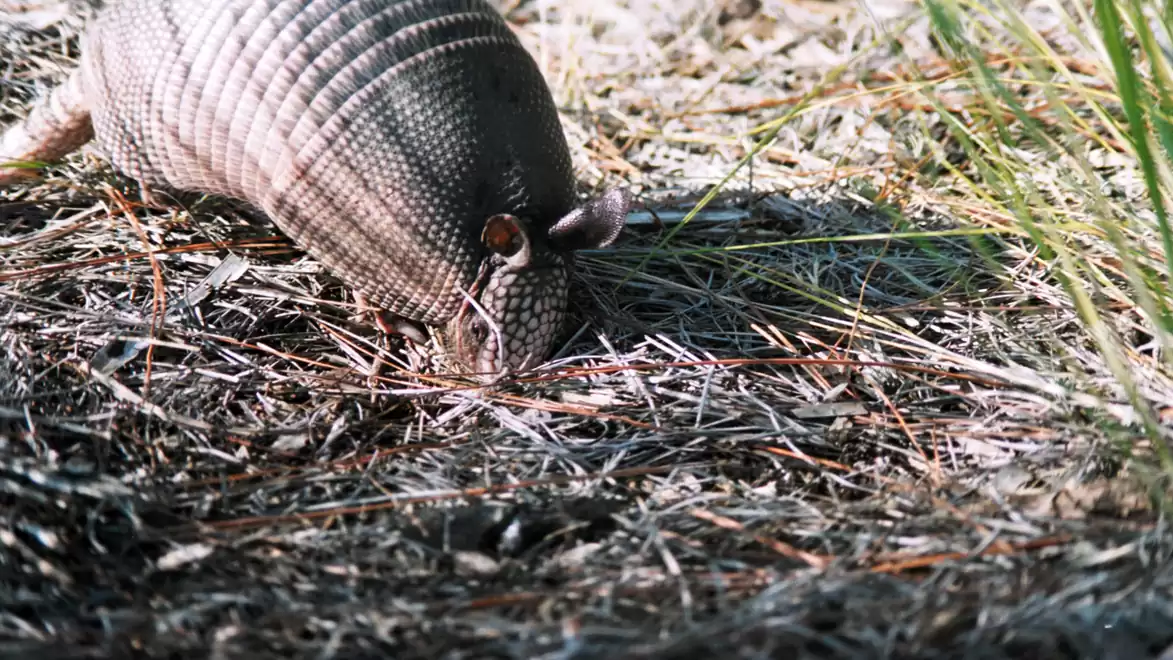
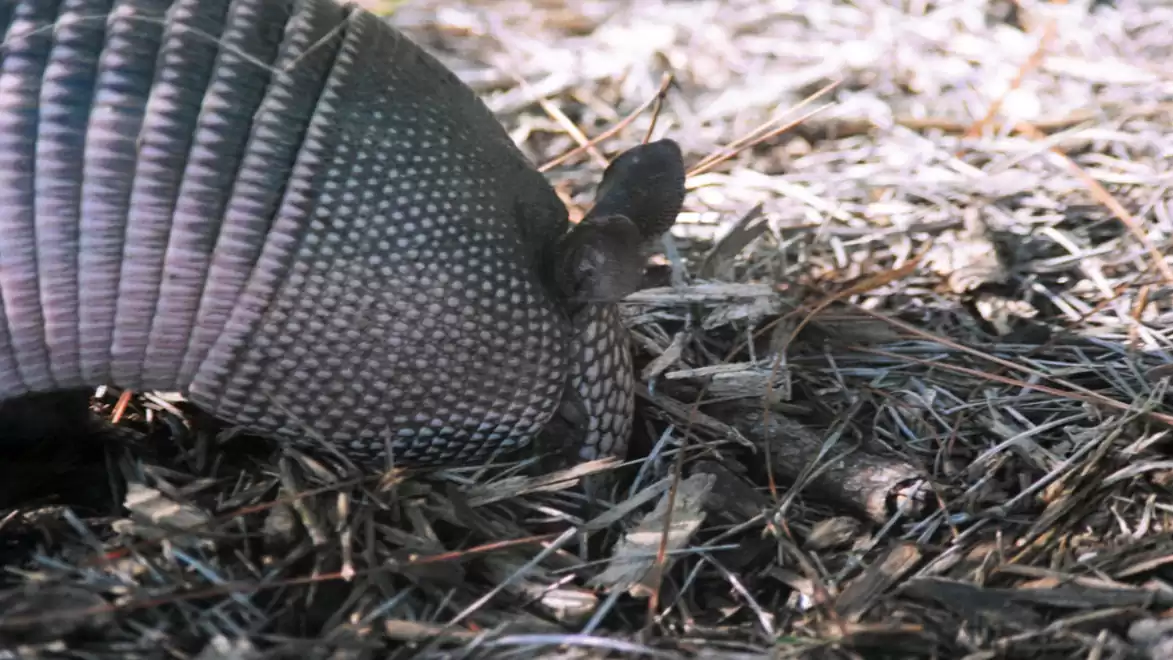
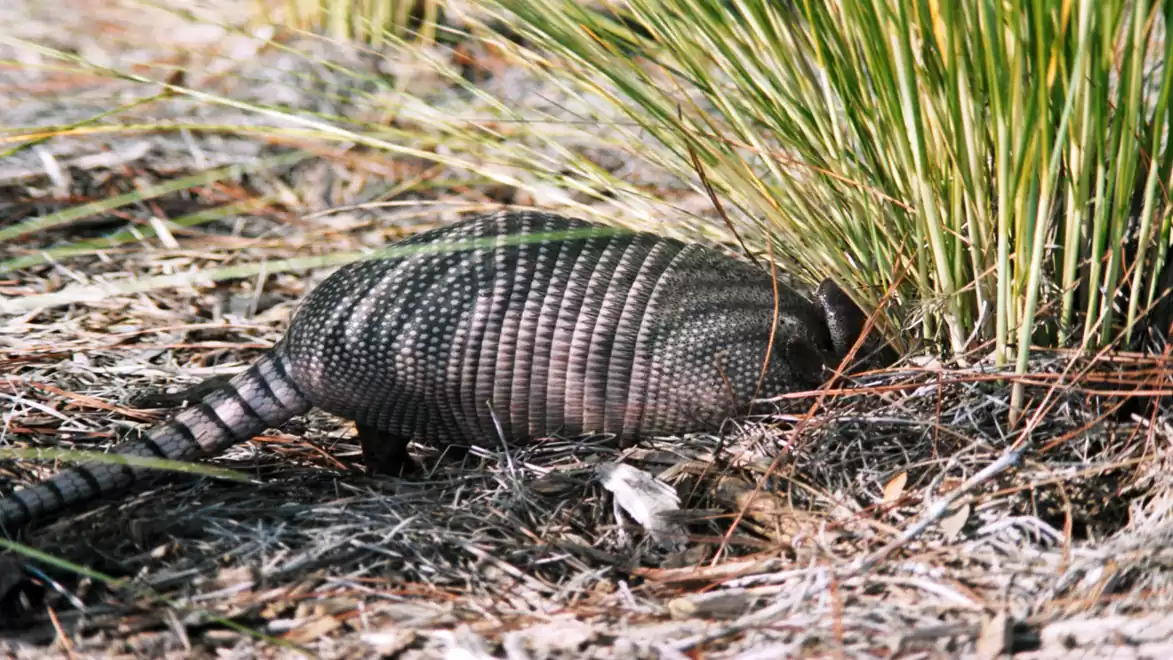
The Nine-banded Armadillo (*Dasypus novemcinctus*), commonly known as the Armadillo, is one of Florida’s most unique mammals. As a member of the armored xenarthrans, it is the only armadillo species found in North America. With a body length of 15 to 17 inches (38 to 43 cm) (excluding the tail) and a weight between 7.7 and 17.6 pounds (3.5 to 8 kg), it looks like a living fossil. (National Geographic)
The Armadillo thrives in warm, humid environments such as forests, grasslands, and swamps. Originally from South America, it gradually expanded its range into the southern United States. It is particularly common in Florida, Texas, and Louisiana. Thanks to its excellent burrowing skills, it can survive even in drier areas by digging underground shelters. (Florida Fish and Wildlife Conservation Commission)
Armadillos are primarily nocturnal, spending their days hidden in self-dug burrows. Their diet consists mostly of insects, worms, larvae, small reptiles, and plant material. Using their powerful claws, they dig through soil in search of food, making them nature’s pest controllers.
The Nine-banded Armadillo is a distant relative of the extinct Glyptodon, a massive armored mammal from the Pleistocene era. While a Glyptodon could grow up to 13 feet (4 meters) long and weigh over 4,400 pounds (2 tons), today’s armadillo is much smaller—but no less resilient. (Wikipedia: Glyptodon)
The Armadillo is a remarkable example of adaptation and survival. While some may see it as a nuisance due to its burrowing habits, it plays a vital role in Florida’s ecosystem.
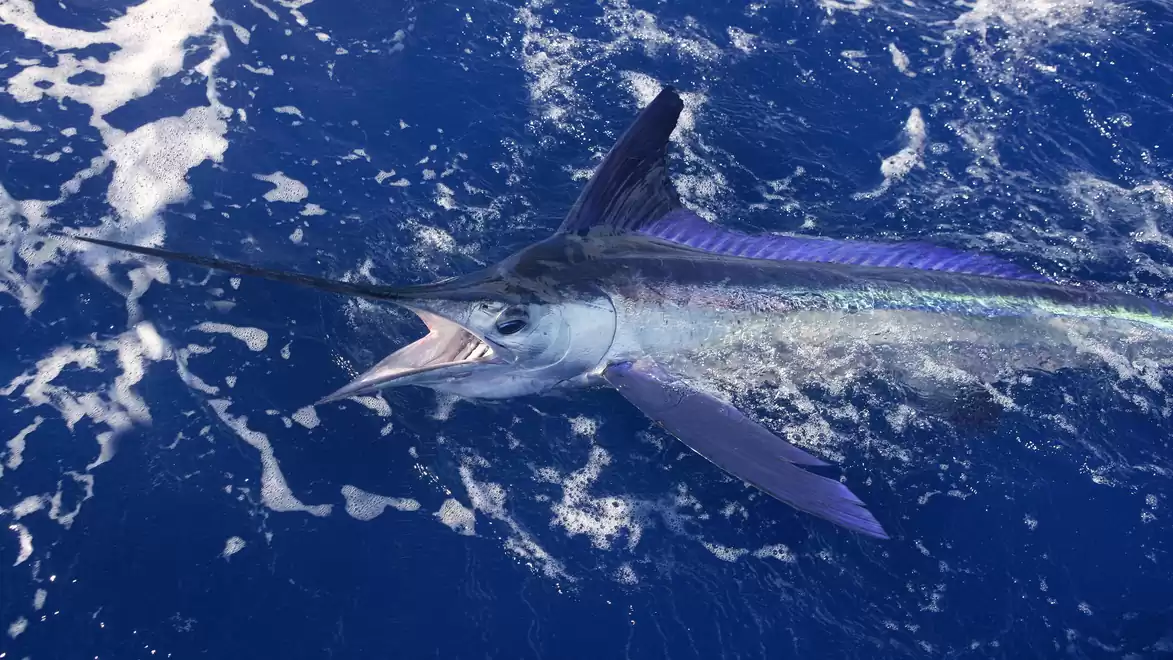
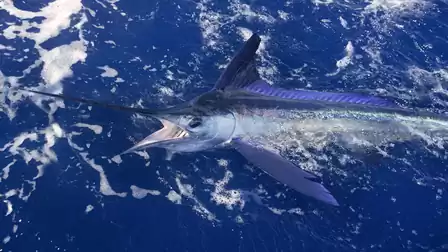
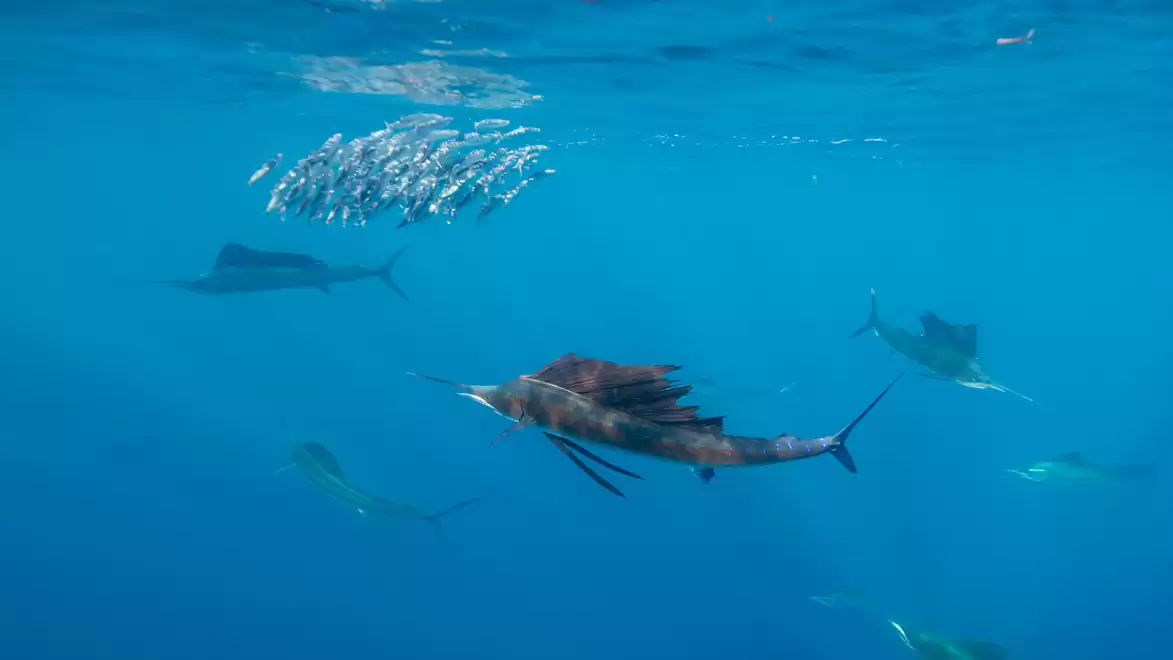
The Atlantic Sailfish (*Istiophorus albicans*), the official saltwater fish of Florida, is one of the fastest fish in the world, reaching speeds of up to 59 mph (95 km/h). With its streamlined body and distinctive large dorsal fin, it is a formidable predator of the open ocean. (Wikipedia)
The Atlantic Sailfish is found in tropical and subtropical waters, frequently spotted along the Florida Keys, the Atlantic coastline of Florida, and the Gulf of Mexico. While it prefers the open ocean, it often ventures near coastal waters in search of food.
This fish is a highly skilled hunter, feeding primarily on sardines, mackerel, squid, and crustaceans. It uses its elongated, pointed bill to slash through schools of fish, making it easier to catch prey. Its incredible speed allows it to execute lightning-fast maneuvers in the water. (Oceana)
The Atlantic Sailfish is one of the most prized species for deep-sea sport fishing. A particularly famous catch occurred in 1934 when renowned writer Ernest Hemingway landed a 2.80-meter (9.2-foot) sailfish off the coast of Key West, reinforcing his passion for big-game fishing. (Florida Sportsman)
Despite its widespread presence, the Atlantic Sailfish faces threats from overfishing. Thanks to strict catch regulations and conservation efforts, its population remains stable. Many anglers practice catch-and-release fishing to ensure the species' long-term survival. (NOAA Fisheries)
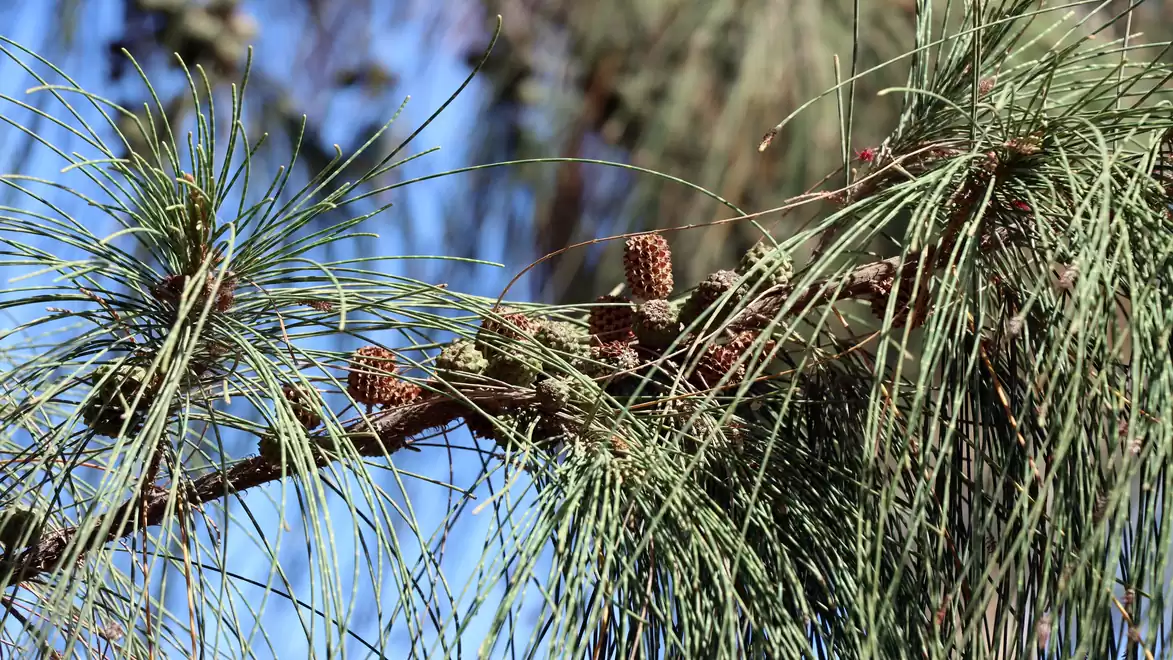
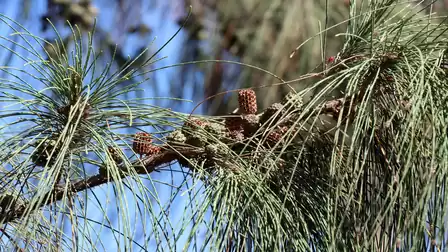
The Australian Pine (*Casuarina equisetifolia*), also known as Casuarina or She-oak, is a non-native tree introduced to Florida in the late 19th century. Initially planted for lumber, shade, and as a windbreak, this tree has proven to be highly invasive, now posing a threat to native flora and fauna. (Pinellas County Invasive Species Fact Sheet)
The Australian Pine is a fast-growing evergreen tree that can reach heights of up to 150 feet. It forms dense stands that block sunlight, preventing the growth of native vegetation. Its shallow root system contributes to beach erosion, as it does not stabilize sand as effectively as the roots of native dune plants. (Everglades Cooperative Invasive Species Management Area)
The invasion of the Australian Pine has significant negative effects on Florida's coastal ecosystems. It displaces native plant species, leading to a loss of biodiversity. Additionally, it disrupts nesting areas of endangered sea turtles and the threatened American crocodile, as its dense stands block access to suitable nesting sites. (Everglades Cooperative Invasive Species Management Area)
Due to its invasive nature, the Australian Pine has been classified as a noxious weed in Florida, and planting or cultivating it is legally prohibited. Property owners are encouraged to remove existing trees to prevent further spread. Effective control measures include cutting down the trees and applying herbicides to the stumps to prevent regrowth. (UF/IFAS Gardening Solutions)
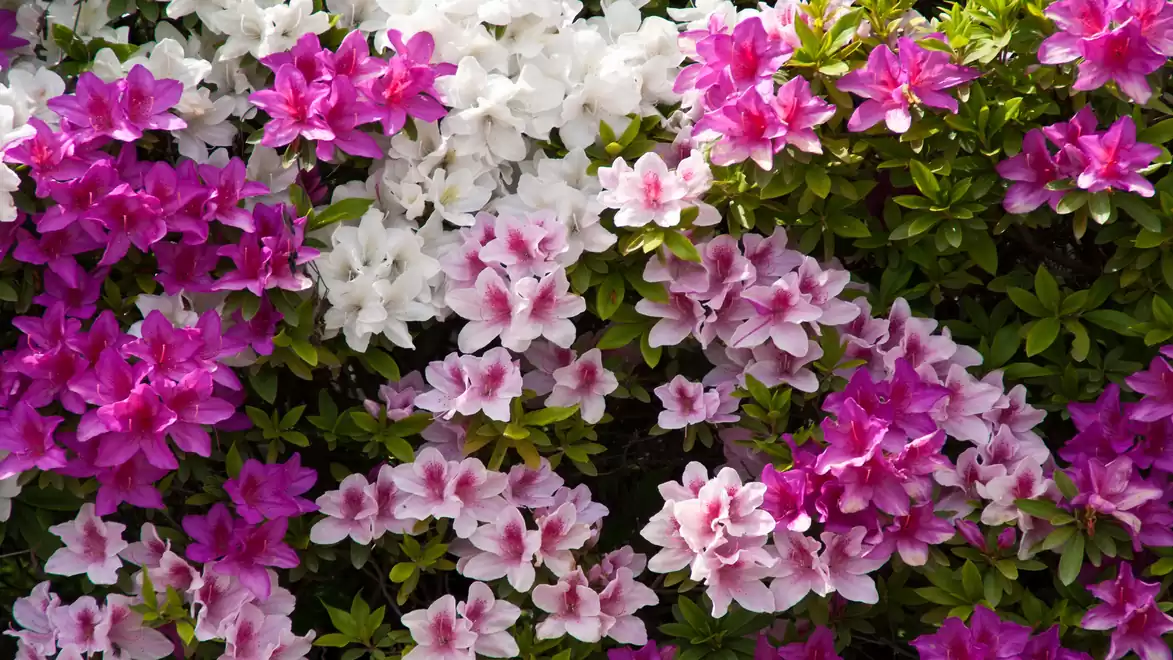
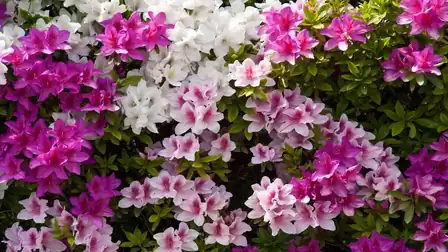
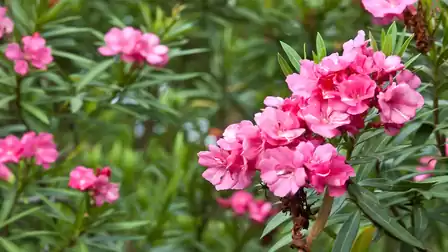
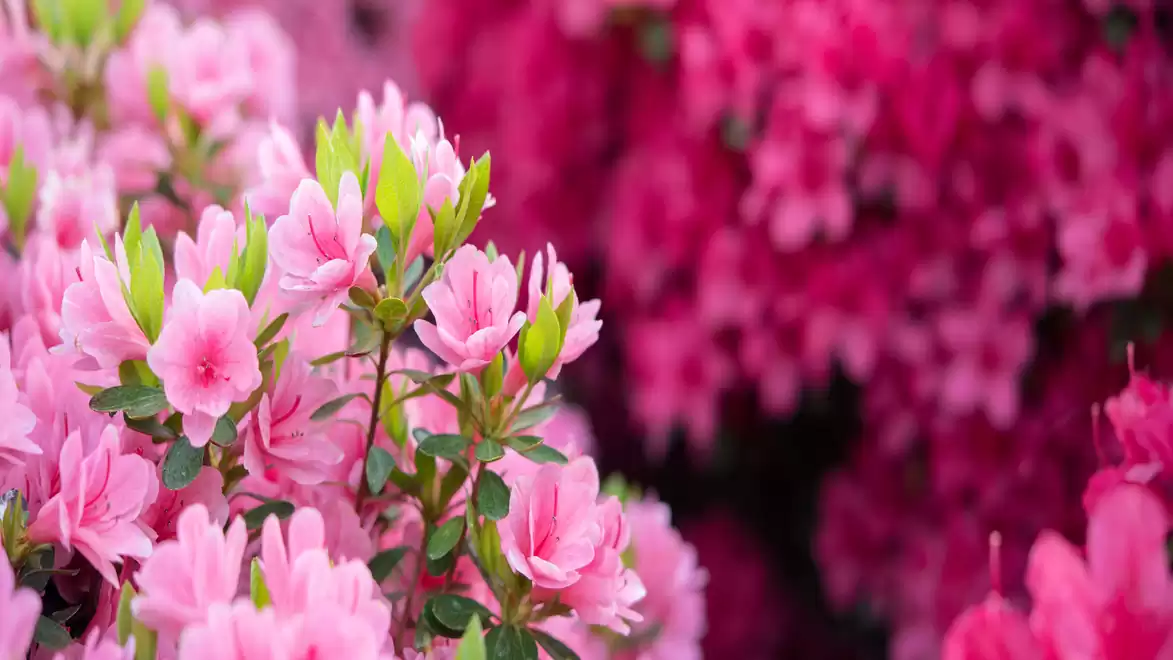
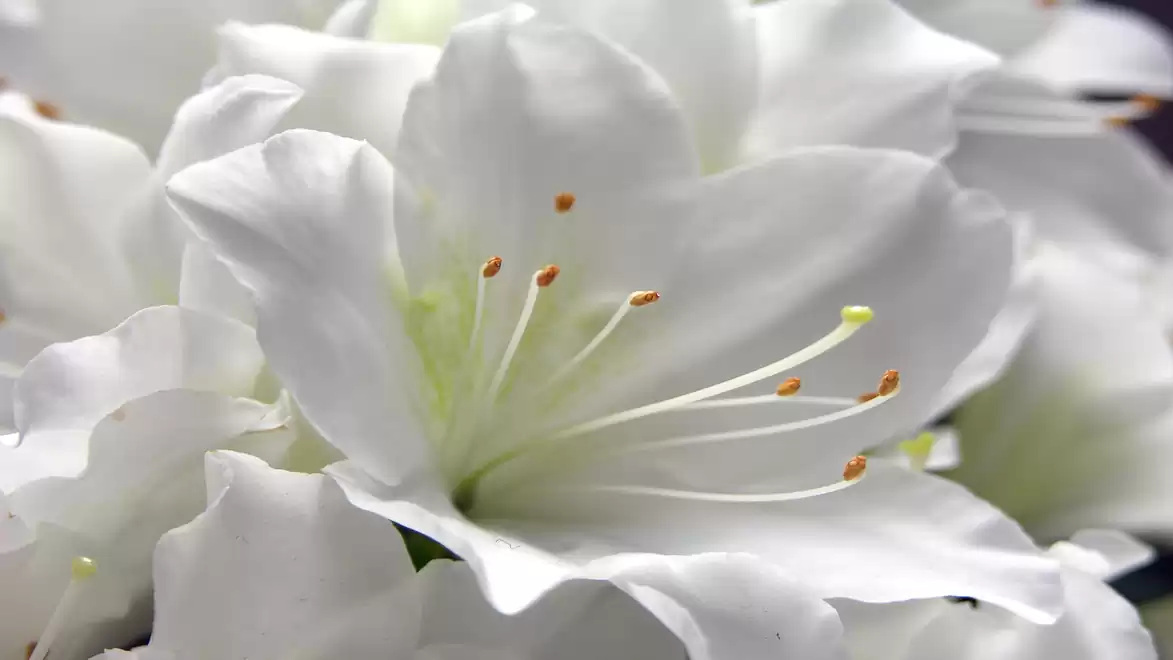
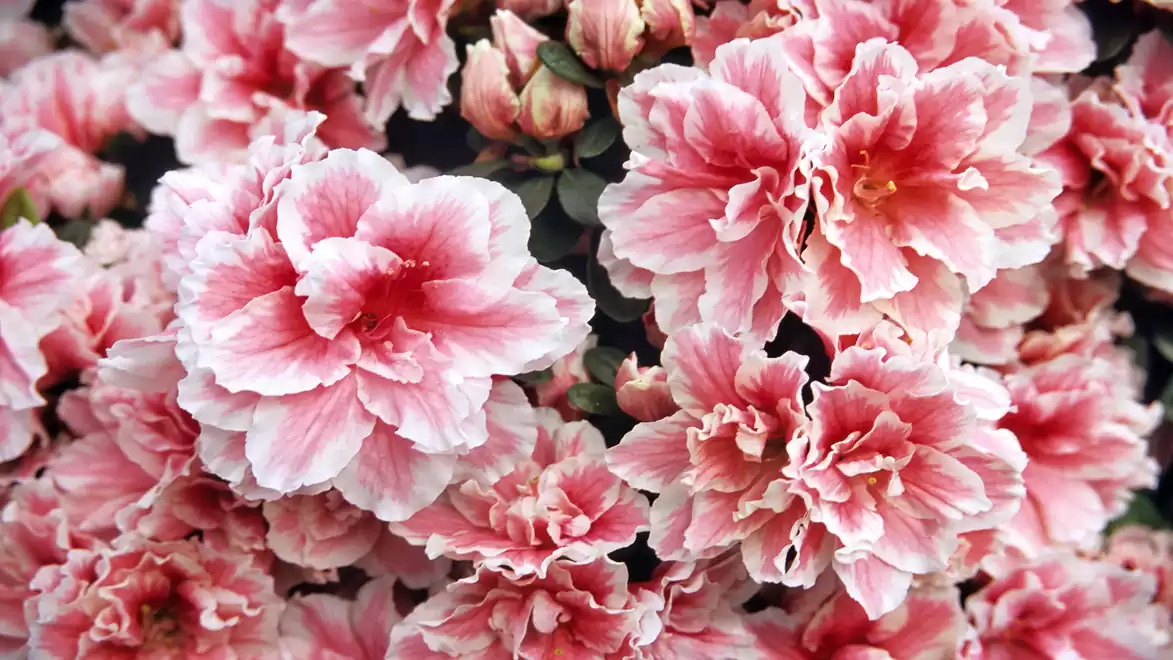
Azaleas are renowned for their spectacular abundance of blooms and vibrant colors, as well as their evergreen foliage. These characteristics make them a popular choice in landscape gardening. They thrive throughout most of Florida, except for the southernmost tip of the state. In southwest Florida, clusters of bright blooms appear in autumn, while in central and northern Florida, they can be admired from winter through spring.
Azaleas prefer a partially shaded to semi-shaded location with well-drained, humus-rich soil. An acidic to slightly acidic pH between 4.5 and 5.5 is ideal. Waterlogging should be avoided, as they are sensitive to it. A mulch layer of leaf compost helps retain moisture and maintain soil acidity. (The Spruce)
During the blooming period, Azaleas require consistent soil moisture. It is important to water them regularly, especially during dry spells. Light fertilization with specialized rhododendron fertilizer in the spring promotes healthy growth and abundant flowering. (The Spruce)
Regular pruning is not strictly necessary for Azaleas. However, a light shaping after flowering can help maintain a compact form and rejuvenate the plant. Remove dead or damaged branches to promote the plant's health. (The Spruce)
Thanks to their compact growth habit, Azaleas are excellent for small gardens or front yards. They pair well with other rhododendron species and woodland perennials and stand out particularly against evergreen hedges. Their abundant blooms make them a focal point in any garden landscape. (The Spruce)
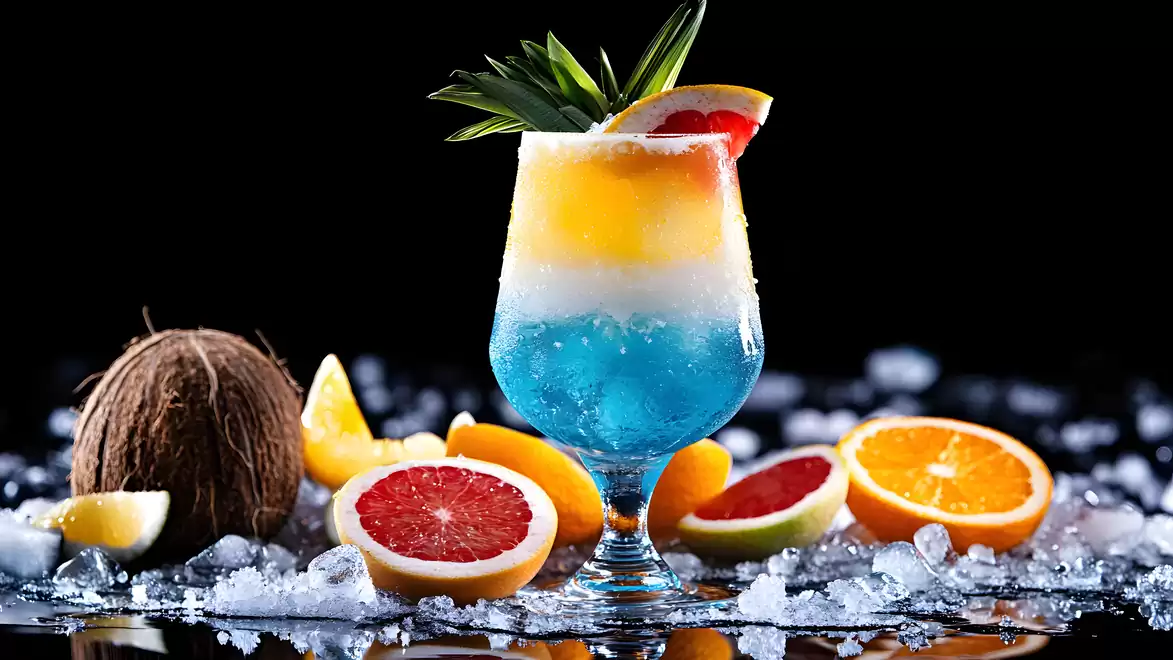
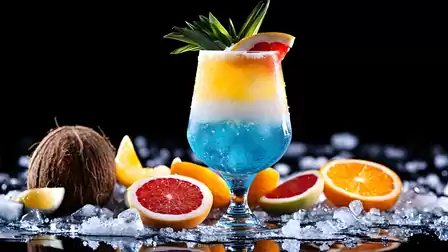
The Bahama Mama is a tropical cocktail that embodies the Caribbean spirit and a relaxed vacation vibe. Blending rum, coconut, pineapple, and orange, this drink is the perfect refreshment for hot days – whether by the beach or at the pool.
Add all ingredients to a cocktail shaker filled with ice and shake well. Strain into a large glass with fresh ice cubes. Garnish with a pineapple slice or a cherry – and enjoy!
This sweet and fruity cocktail is especially popular in Florida, where it’s served in many bars, especially in the coastal regions. It brings the Caribbean lifestyle straight to your glass and is the perfect drink to enjoy while watching the ocean.
Whether it’s Caribbean cocktails, dreamy beaches, or exciting adventures – Florida has something for everyone. Book your vacation home in Cape Coral, Naples, or Fort Myers and experience the ultimate holiday vibe!
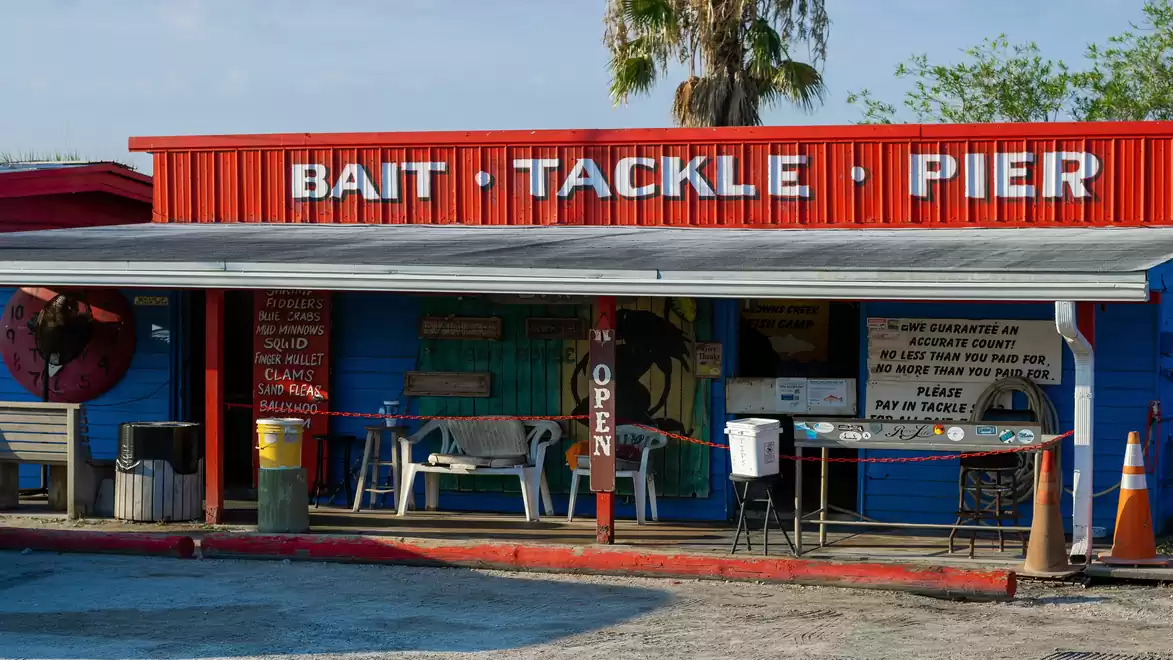
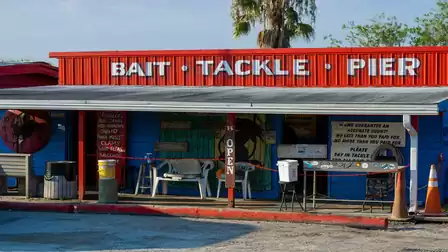
A Bait Shop is a store specializing in fishing gear and bait. Whether you're a hobby angler or a professional, a well-stocked Bait Shop provides everything needed for a successful day of fishing.
A good Bait Shop is more than just a store – it’s a meeting point for anglers, a source of insider knowledge, and often the first stop before heading out to fish. Many Bait Shops are located near harbors, beaches, or fishing spots and open early in the morning so anglers can get a head start. Whether you're fishing for Snapper, Tarpon, or Speckled Trout in Florida – stopping by a Bait Shop is an essential part of preparing for your next fishing adventure!

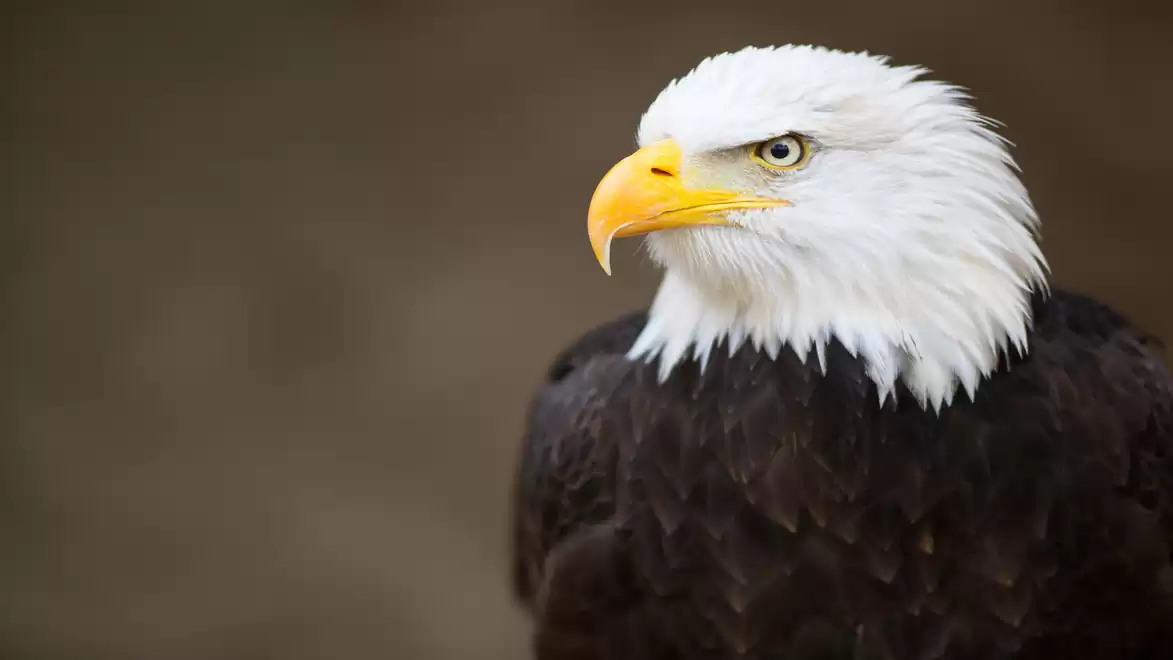
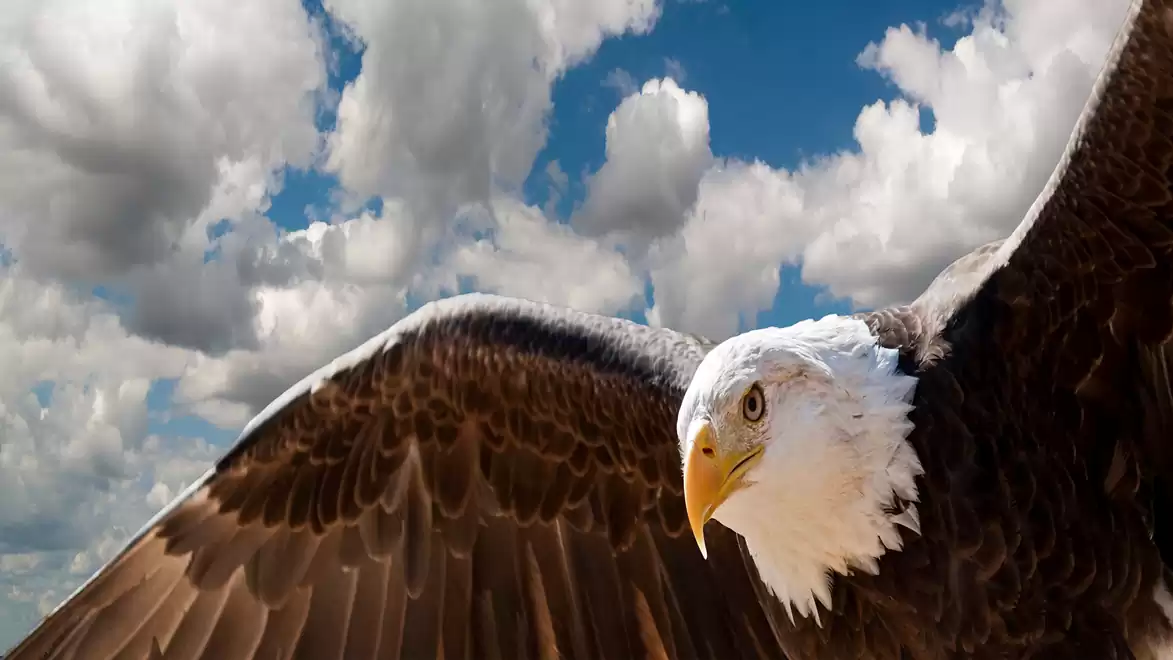
The Bald Eagle (*Haliaeetus leucocephalus*) has been the national emblem of the United States since 1782, symbolizing freedom and strength. This impressive bird is the only eagle species native exclusively to North America. Adult Bald Eagles are easily identified by their dark brown bodies and distinctive white heads and tails, while juveniles are entirely dark brown. (Der Weißkopfseeadler in Florida)
Florida hosts one of the largest populations of Bald Eagles in the United States. Notably, the Three Lakes Wildlife Management Area in Osceola County, covering over 63,000 acres, serves as a significant sanctuary for these majestic birds. This area provides ideal conditions for Bald Eagles, especially near lakes, rivers, and wetlands, where they build their nests in the crowns of large trees. (Three Lakes Wildlife Management Area - FWC)
Bald Eagles are known for their monogamous relationships, often mating for life. They construct massive nests, known as eyries, which they may expand annually. These nests are typically located in the crowns of large trees near water bodies rich in fish. Females usually lay one to three eggs, which both parents incubate alternately. After hatching, the chicks are fed and cared for by both parents until they fledge.
In the late 20th century, Bald Eagles were on the brink of extinction in the contiguous United States, primarily due to habitat loss, illegal hunting, and the effects of the pesticide DDT. Through intensive conservation efforts, such as the banning of DDT and protective measures for their habitats, populations have rebounded. In 2007, they were removed from the list of endangered species, marking a significant triumph for wildlife conservation. (Bald Eagle - Wikipedia)
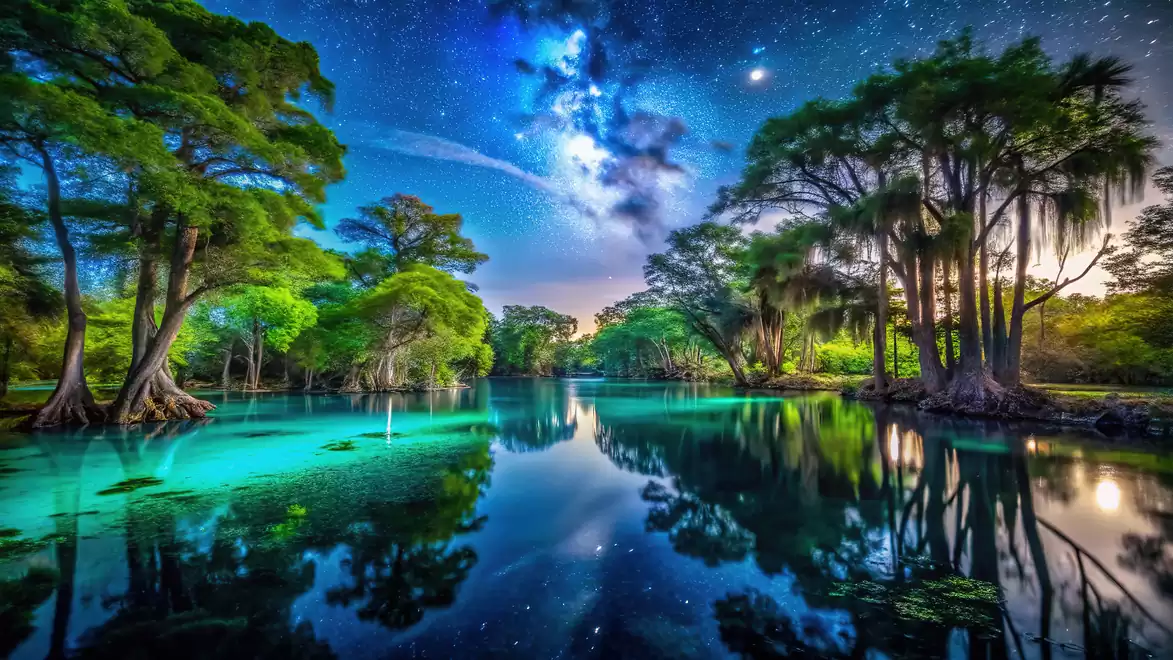
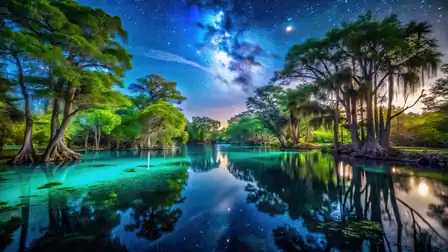
Bioluminescence is a fascinating natural phenomenon where living organisms produce their own light. This mysterious glow appears in many forms – from glowing marine algae and fireflies to deep-sea fish.
Bioluminescence occurs through a chemical reaction within the cells of certain organisms. A special enzyme, luciferase, reacts with the molecule luciferin in the presence of oxygen, emitting light. This cold light serves various purposes:
One of the most breathtaking examples of bioluminescence is the bioluminescent algae bloom, observed at certain beaches worldwide. When disturbed, millions of tiny algae glow, illuminating the waves in a mysterious blue light. Some of the best places to witness this natural wonder include:
Bioluminescence is not only a mesmerizing natural spectacle but also a fascinating field of research. Scientists are exploring how this natural light can be used in medicine and technology:
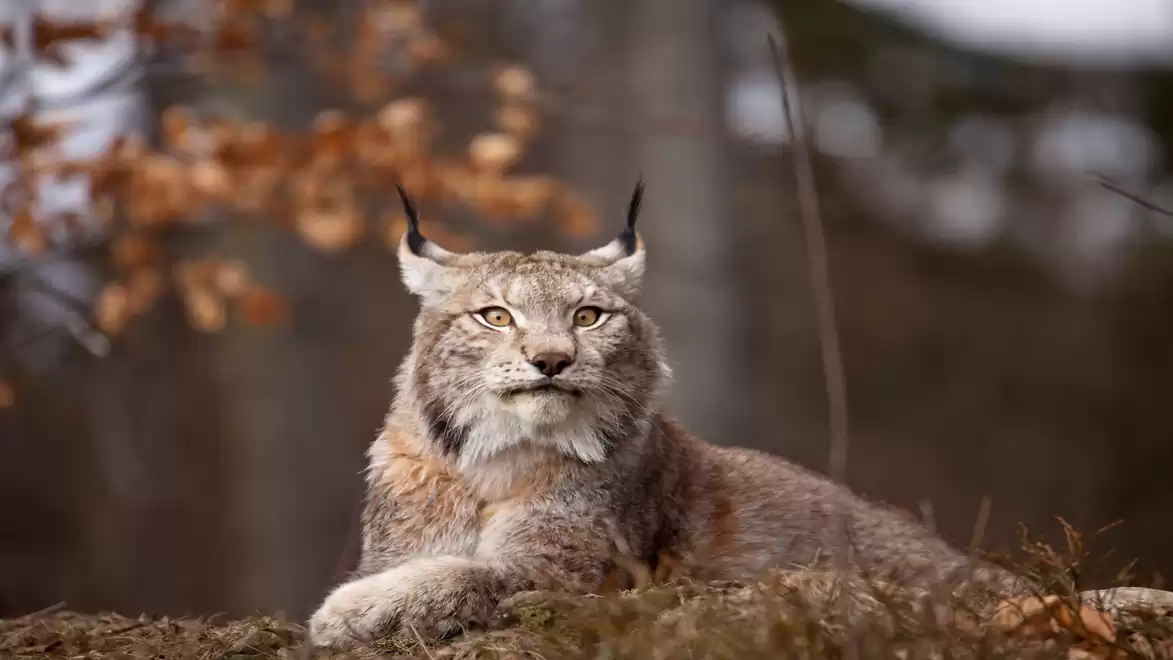
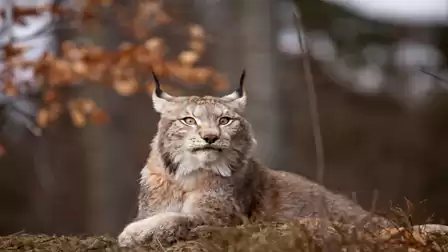
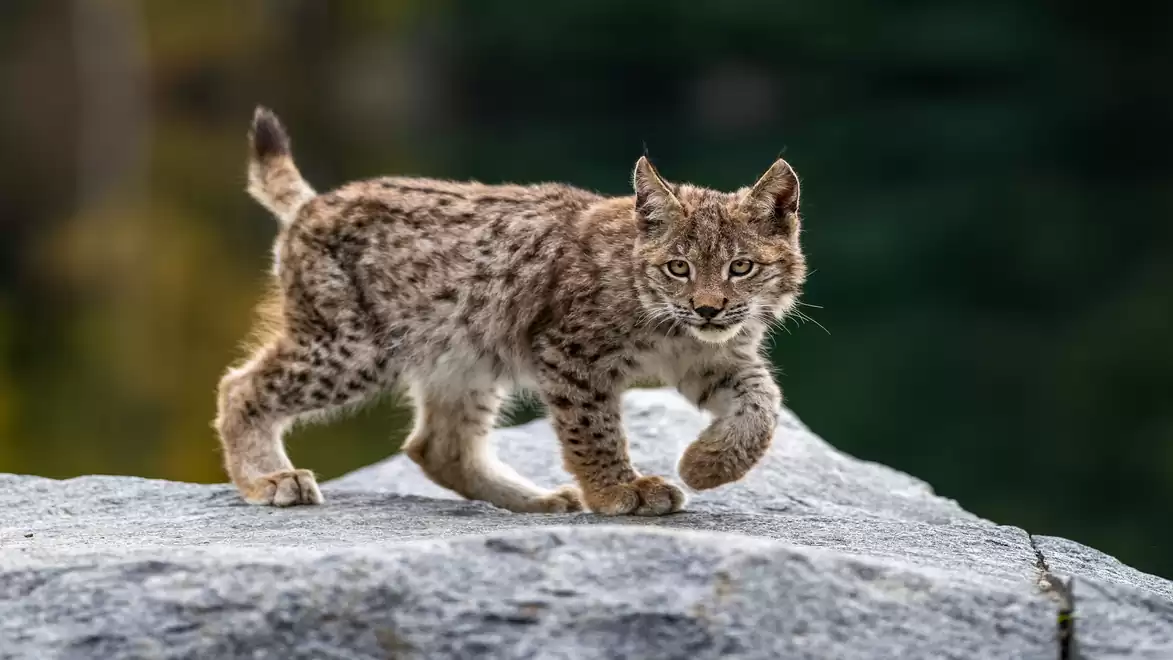
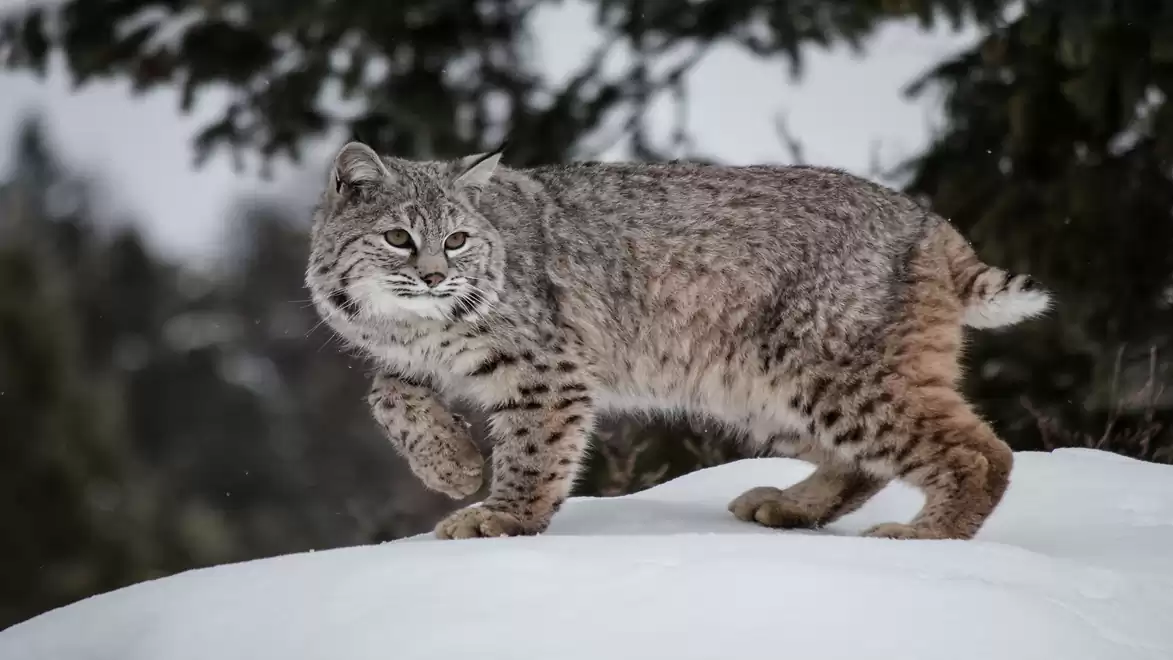
The Bobcat (*Lynx rufus*), named for its short or "bobbed" tail, is a medium-sized wildcat native to North America. Measuring about 26 to 40 inches (65 to 100 cm) in length and weighing between 11 and 26 pounds (5 to 12 kg), it is larger than a domestic cat. Its fur ranges from pale yellow to reddish-brown, covered in black spots and streaks. Distinctive features include pointed ears with black tufts and a short, black-tipped tail. (National Wildlife Federation)
Bobcats are highly adaptable and inhabit various environments, including forests, semi-deserts, swamps, and urban fringes. In Florida, they are found throughout the state, from rural areas to suburban edges. However, they prefer wooded and grassy areas where they can find ample cover for hunting. (Florida Fish and Wildlife Conservation Commission)
Bobcats are solitary and primarily active at dawn and dusk. They are territorial animals and mark their range with urine, feces, and scratch marks on trees. Their territories can range between 1 and 12 square miles, depending on food availability. (Busch Wildlife Sanctuary)
As opportunistic carnivores, Bobcats prey on a variety of animals, including small mammals, birds, and reptiles. They are stealthy hunters with exceptional vision and hearing, often stalking their prey before making a swift attack. (National Wildlife Federation)
The Bobcat’s breeding season typically occurs in spring. After a gestation period of about 50 to 60 days, females give birth to one to six kittens, usually three. The young stay with their mother until fall, learning essential hunting skills before becoming independent. (National Wildlife Federation)
The Bobcat is an impressive example of Florida’s diverse wildlife. Though elusive, lucky observers might spot one at dawn or dusk, stealthily hunting along abandoned roads or wooded trails.
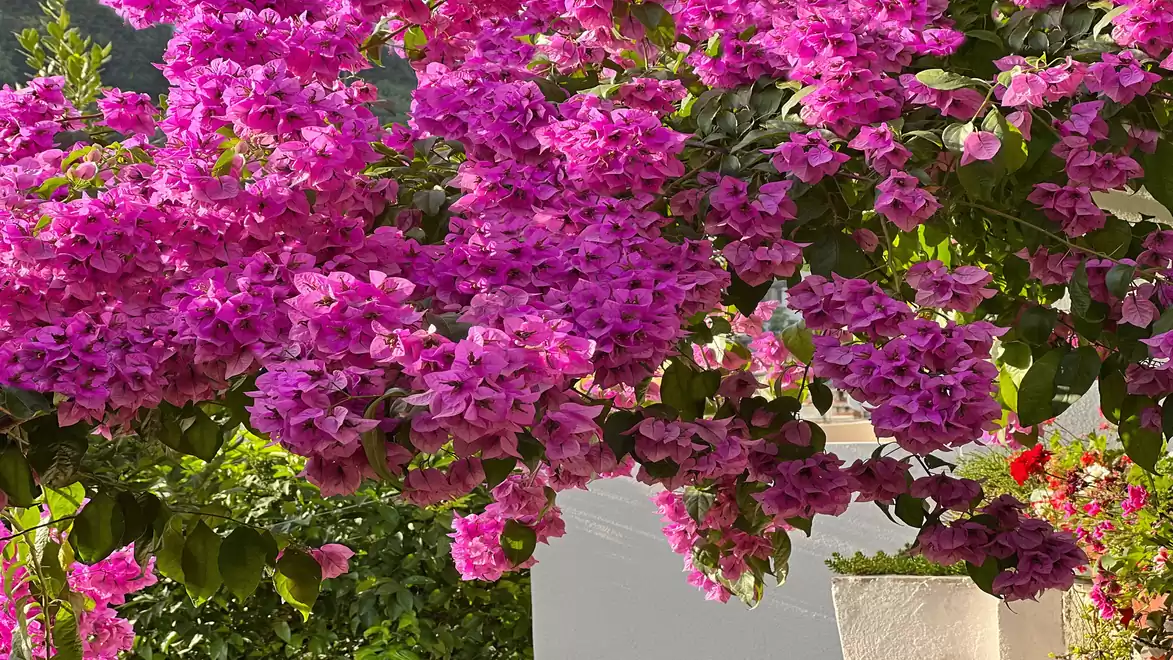
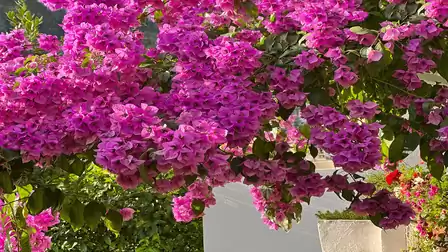
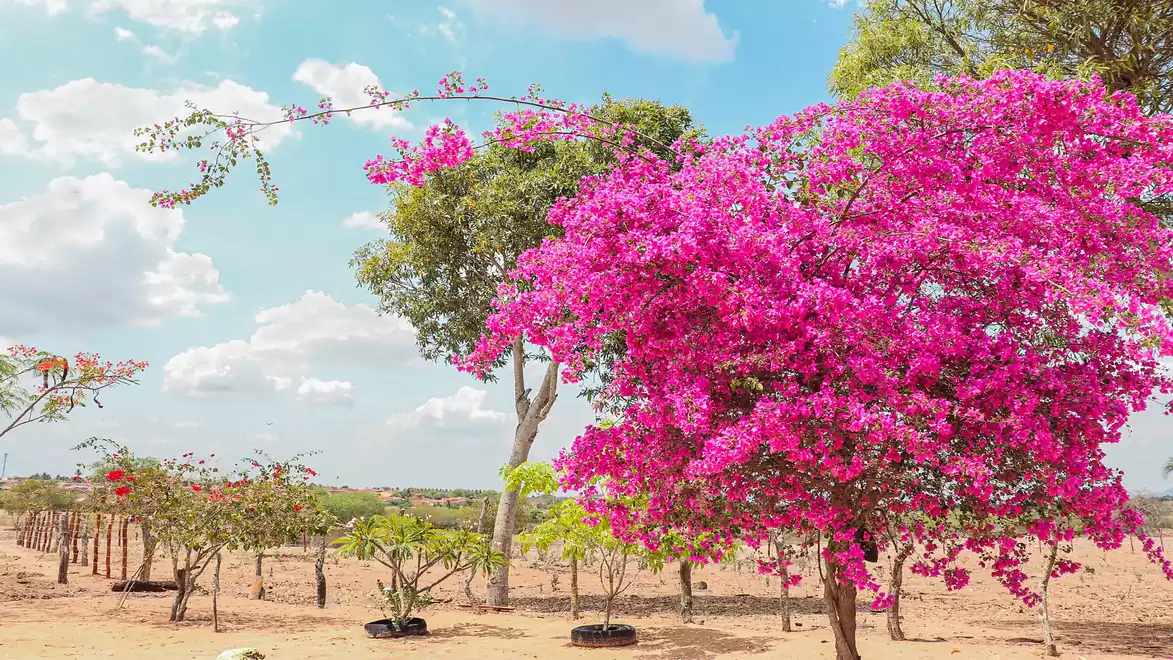
The Bougainvillea (*Bougainvillea spectabilis*), also known as the paper flower, is one of the most striking plants in South Florida. With its bright blooms in salmon pink, deep purple, scarlet red, and white, it adds a vibrant touch to landscapes year-round. It is especially at its peak in winter and spring. (UF/IFAS Gardening Solutions)
This fast-growing climber thrives in full sun, requiring at least six hours of direct sunlight daily. It prefers well-drained, slightly acidic soil and should not be overwatered, as excessive moisture can reduce blooming. Regular pruning encourages denser growth and more abundant flowering. (RHS Gardening Guide)
The vibrant “petals” are actually bracts that surround the plant’s small, white flowers. Because of their thin, paper-like texture, Bougainvillea is also called the paper flower. It is drought-tolerant and well suited to Florida’s hot climate. (Wikipedia)
In warmer areas of Florida, Bougainvillea climbs walls, pergolas, and fences effortlessly. In the northern parts of the state, where temperatures drop, it is often grown in pots to allow for easy relocation indoors during colder months. (Better Homes & Gardens)
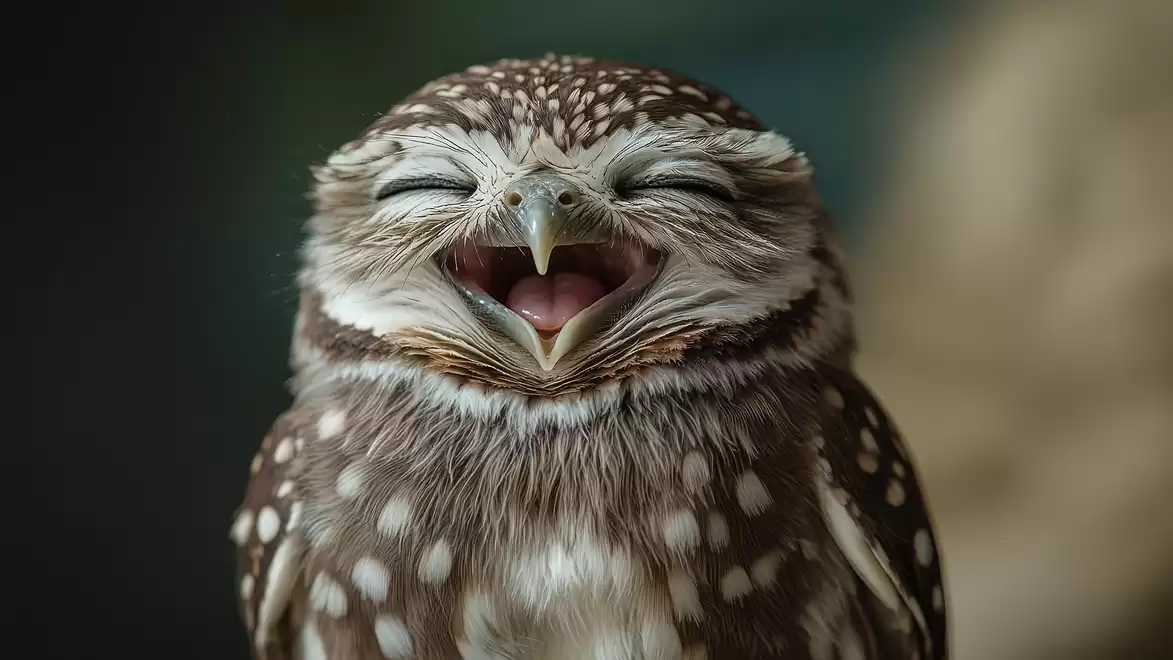
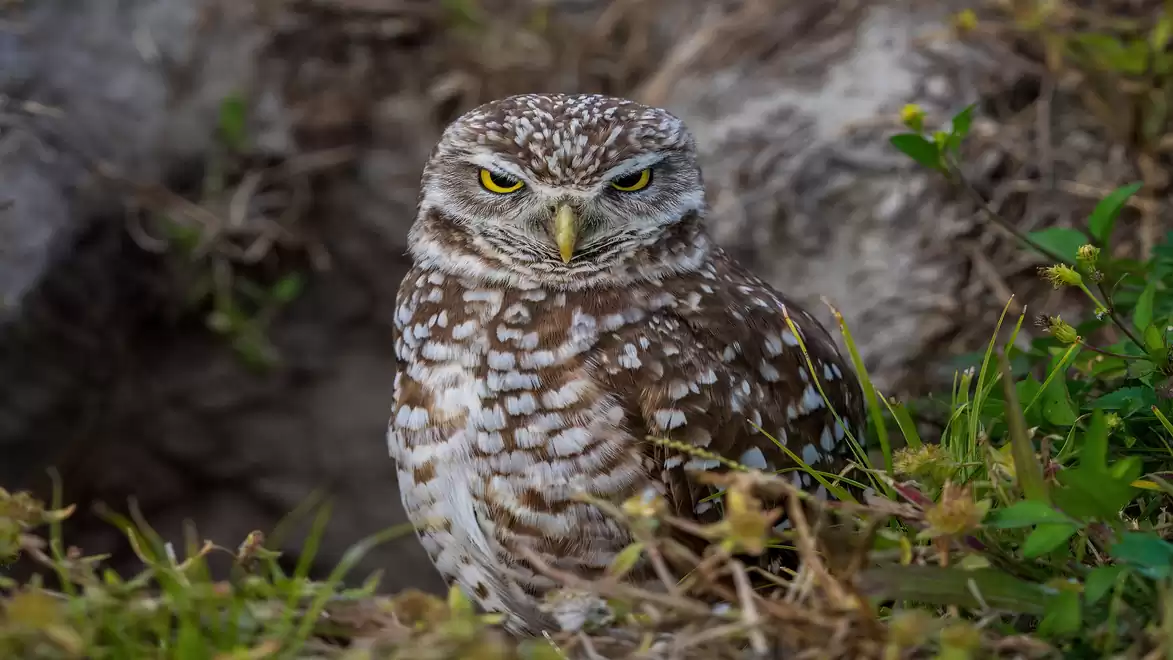
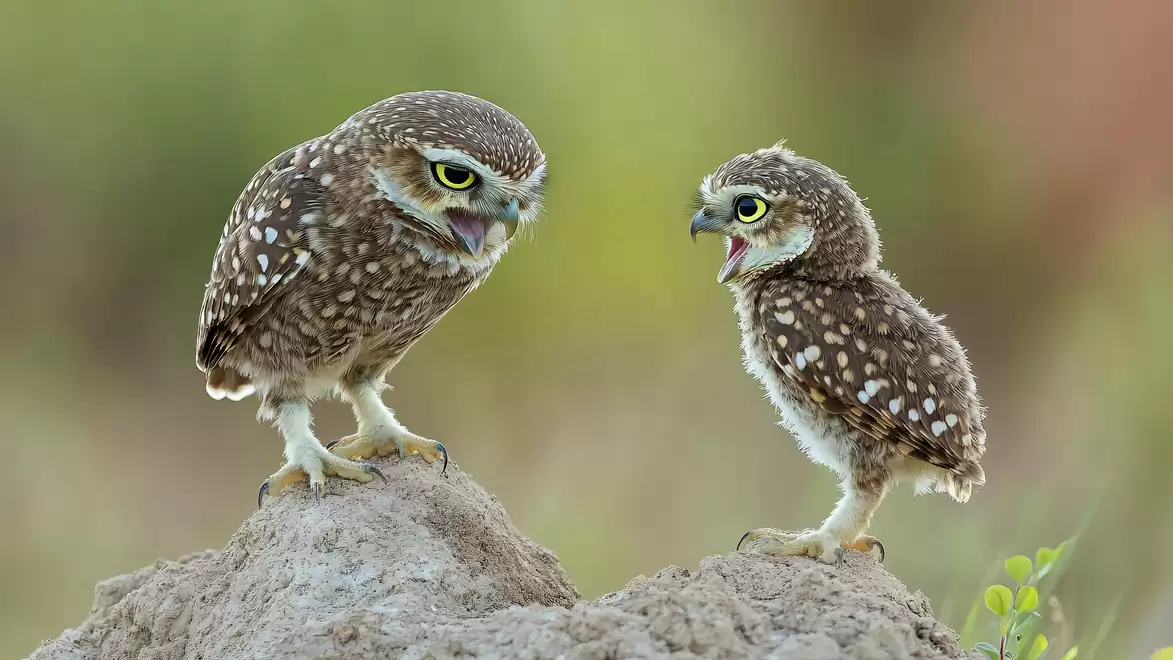
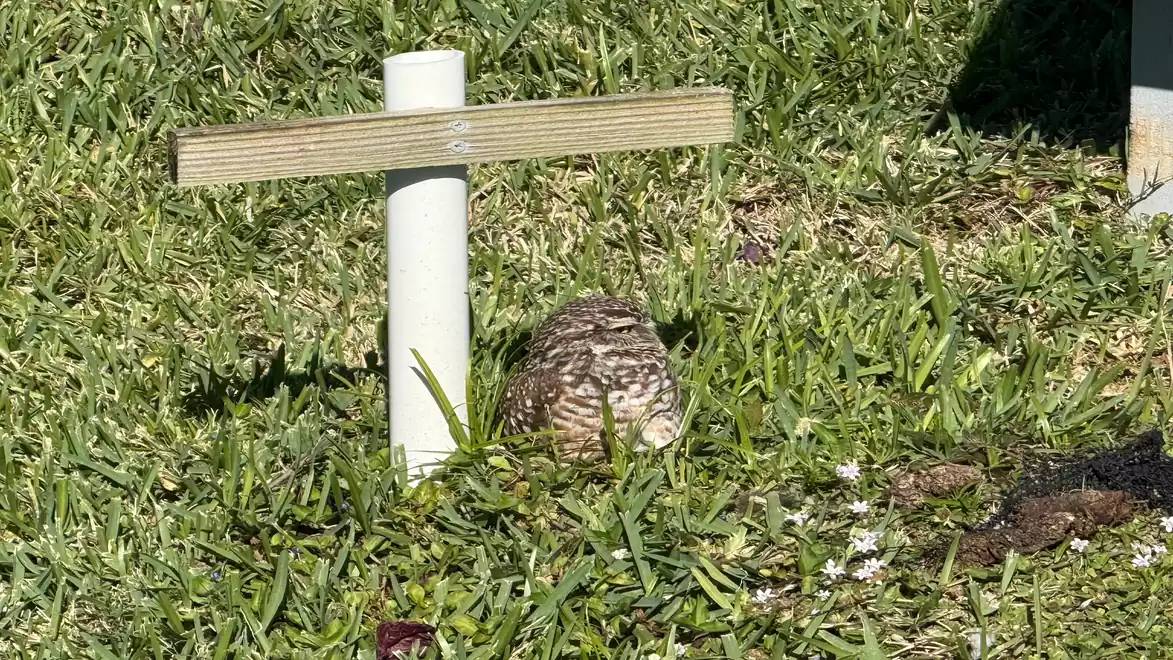
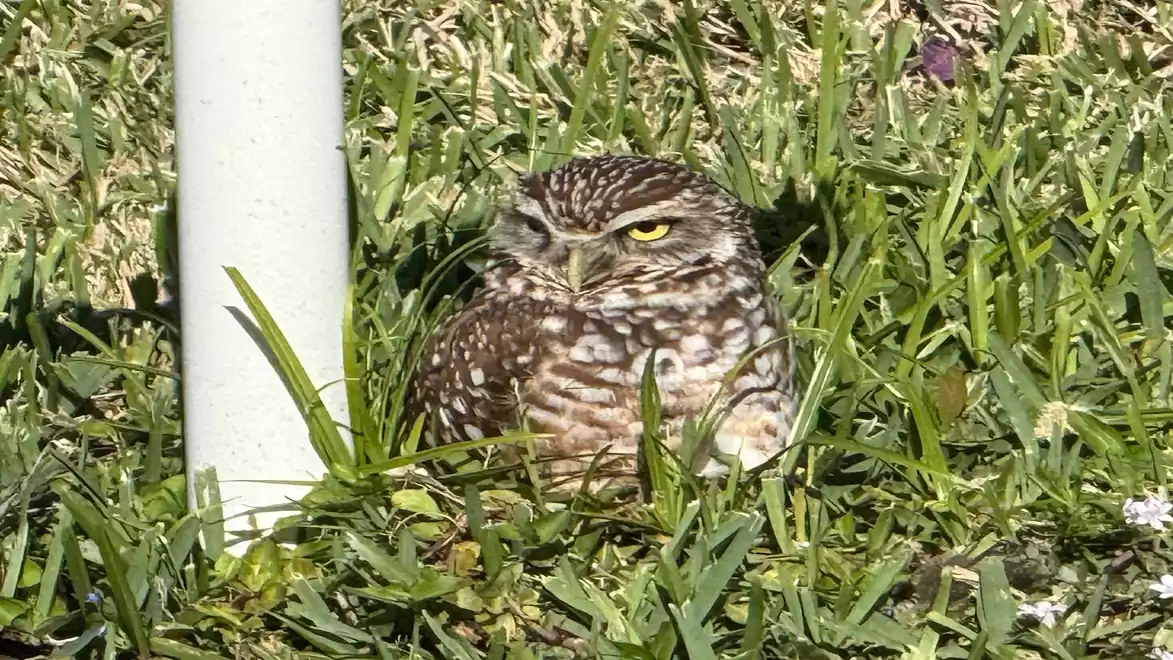
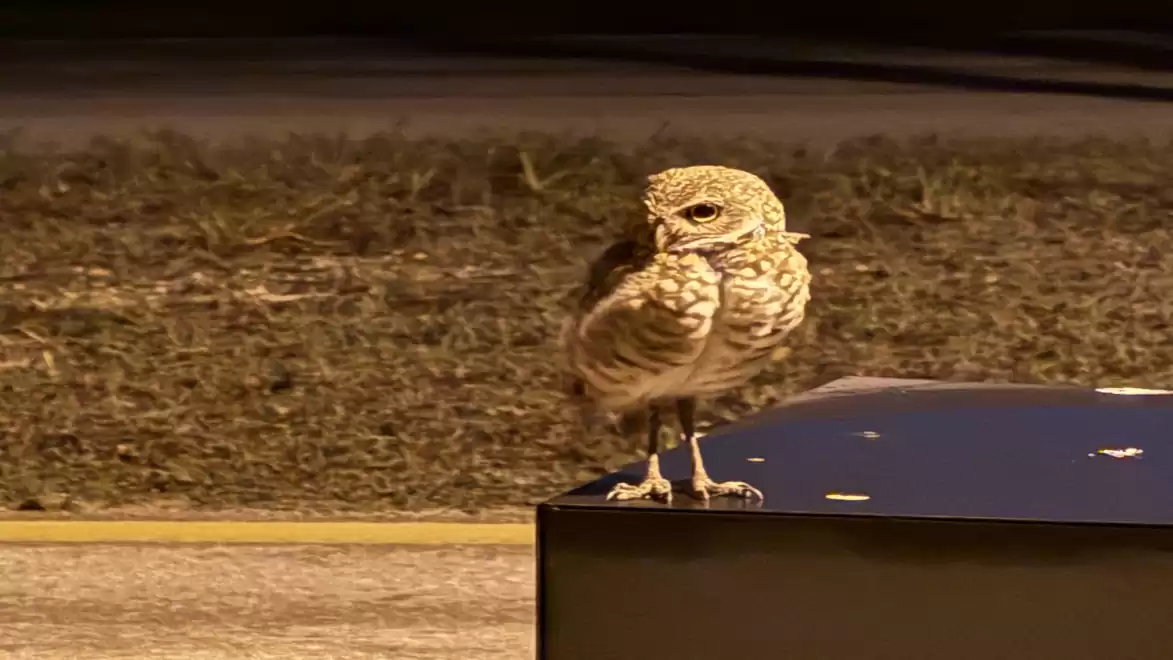
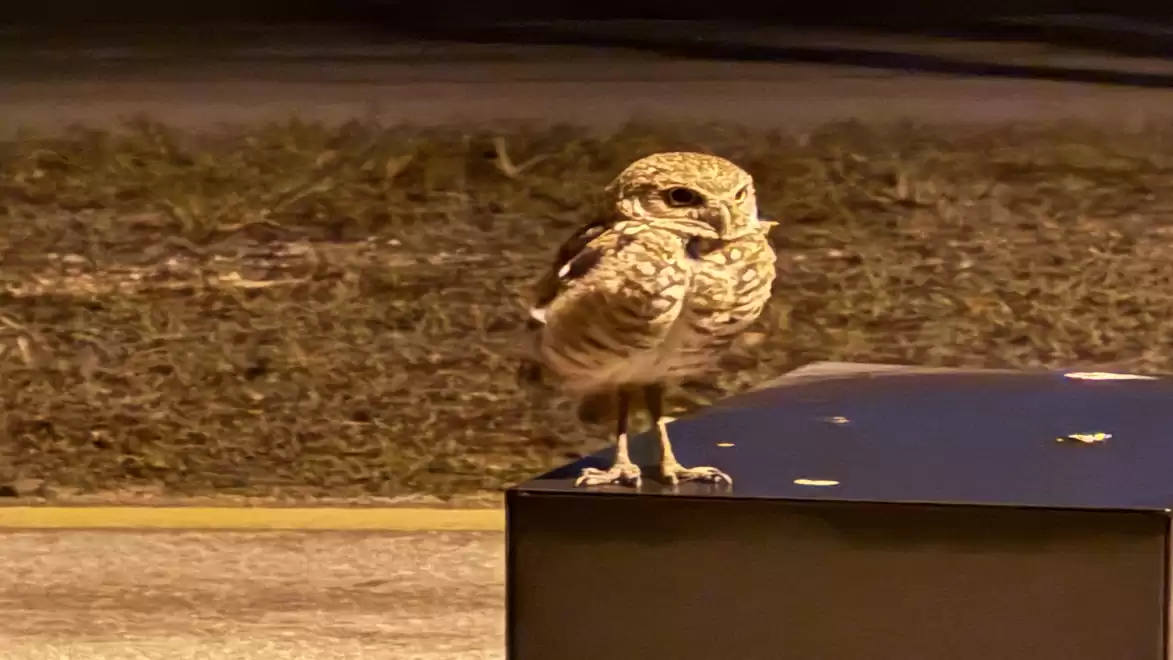
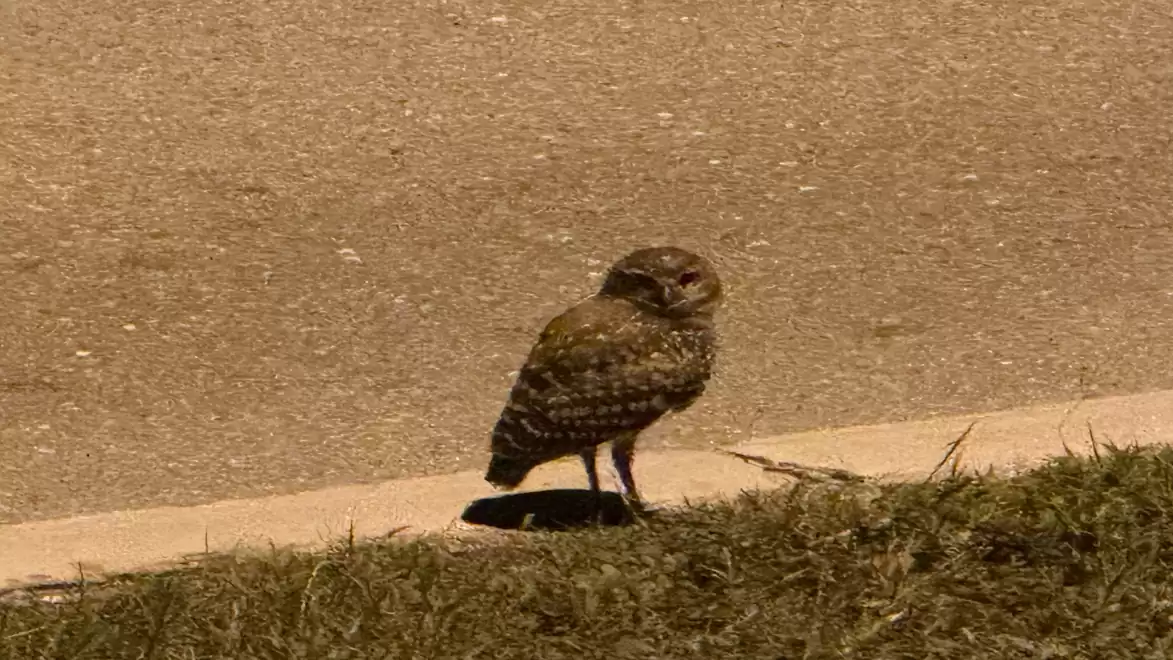
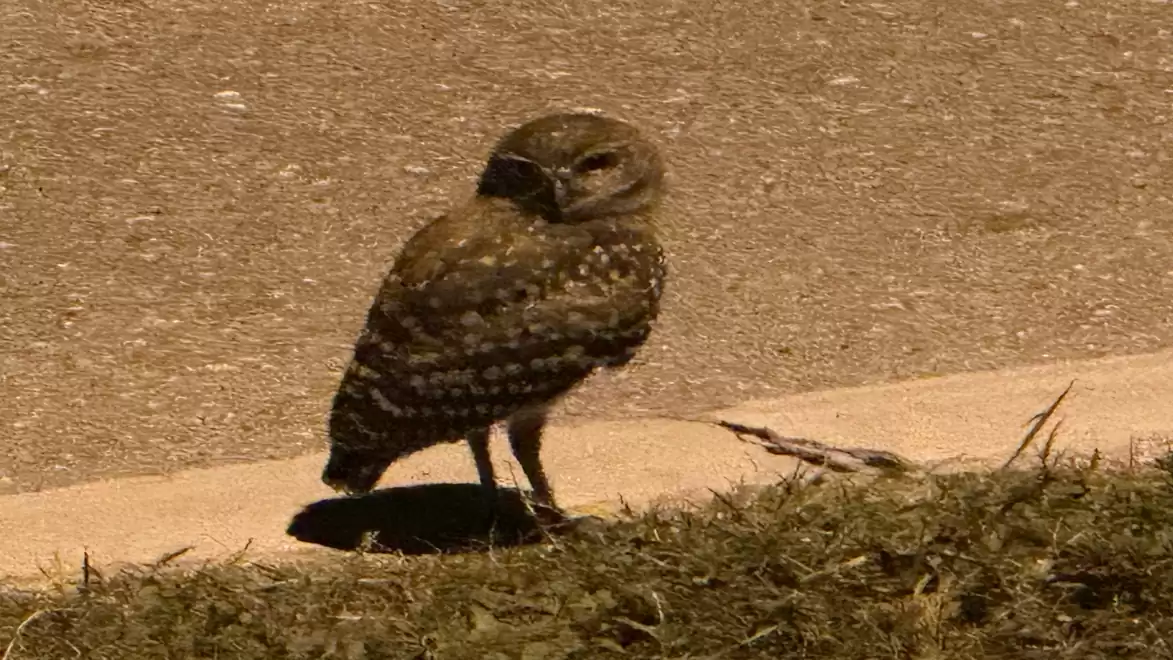
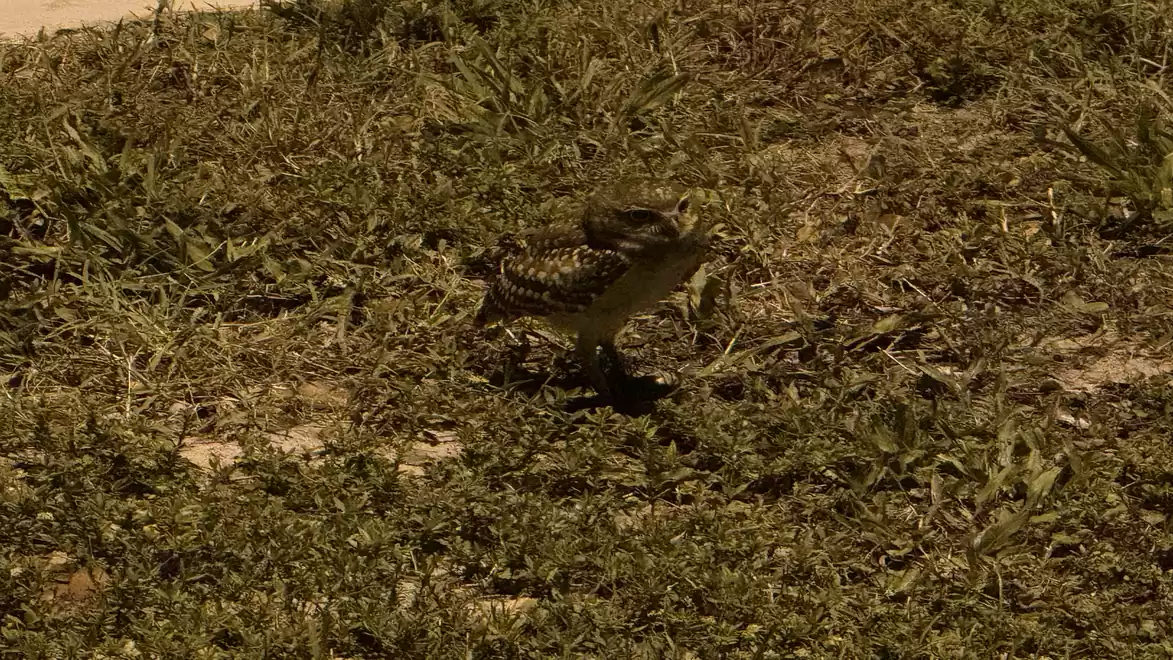
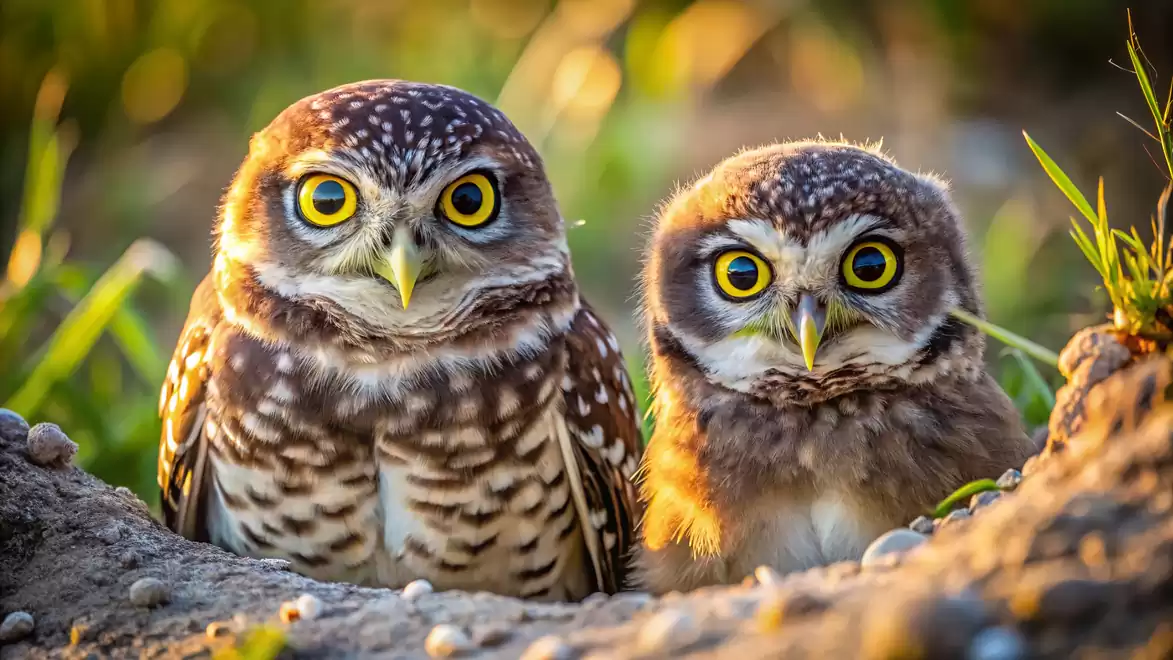
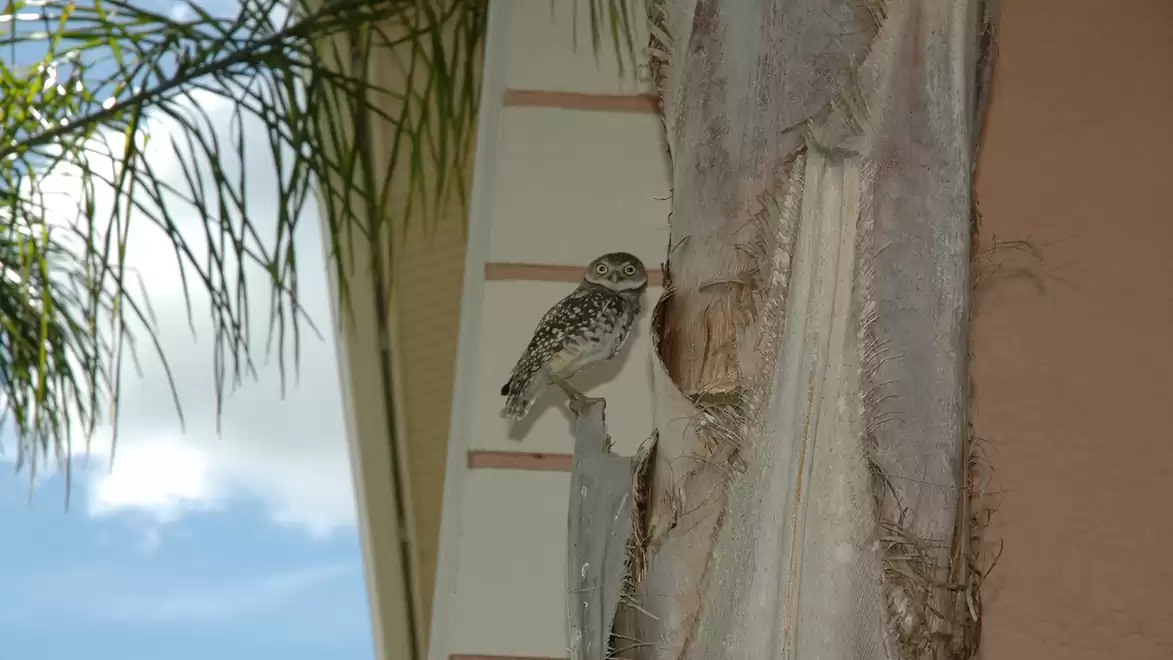
The Burrowing Owl (Athene cunicularia) is a small yet remarkable owl species known for its long legs and distinctive habit of living in underground burrows. Unlike most owls, burrowing owls are often active during the day and prefer open landscapes such as grasslands, deserts, and prairies. They are commonly found in Florida, particularly in sandy, open areas, where they make their homes in self-dug burrows or those abandoned by other animals. (Wikipedia)
Burrowing owls have bright yellow eyes, a flat facial disc without ear tufts, and brown plumage speckled with white spots. Their chest and abdomen are lighter, featuring white and brown stripes or spots. Adults measure between 19 and 28 centimeters in length, with a wingspan of about 50 to 61 centimeters. Unlike many other owl species, males and females have a similar appearance, although females tend to be slightly heavier. (All About Birds)
The burrowing owl is native to North and South America. In the United States, they are most commonly found in states such as Florida, Arizona, Texas, and California, as well as in parts of the Midwest. They prefer flat, open terrain with little vegetation, making them well-suited for grasslands, dry deserts, and agricultural fields. In South America, they are found throughout various regions, except for dense rainforests and high-altitude areas in the Andes. (U.S. Fish & Wildlife Service)
Unlike their nocturnal relatives, burrowing owls are often active during daylight hours, especially in the early morning and late afternoon. They rely on their exceptional vision and keen sense of hearing to hunt insects, small mammals, reptiles, and even amphibians. Their long legs allow them to run swiftly on the ground, which helps them capture prey efficiently. Burrowing owls are also known for their unique defensive behavior—when threatened, they produce a hissing noise that mimics the sound of a rattlesnake to deter predators. (National Wildlife Federation)
Breeding season for burrowing owls in North America typically begins in March or April. They nest in burrows dug into the ground, often utilizing abandoned tunnels made by prairie dogs or other burrowing animals. The female lays between 4 and 12 eggs, which she incubates for approximately 28 days while the male provides food. The young owls remain in the burrow for around six weeks before they begin to venture outside and learn to fly. (Audubon Society)
Despite their adaptability, burrowing owls face significant threats due to habitat destruction, urban expansion, and the decline of burrowing mammals that create their nesting sites. In some areas, they are classified as a species of concern, particularly in regions where their populations have declined. Conservation efforts include the protection of grassland habitats, the installation of artificial burrows, and public awareness campaigns to ensure their survival. (U.S. Fish & Wildlife Service)
The Burrowing Owl is an extraordinary bird, distinct from other owls due to its daytime activity and underground nesting habits. While its population faces challenges, conservation initiatives continue to support and preserve this unique species. Visitors to Florida and other regions may have the opportunity to witness these fascinating birds in their natural habitat.
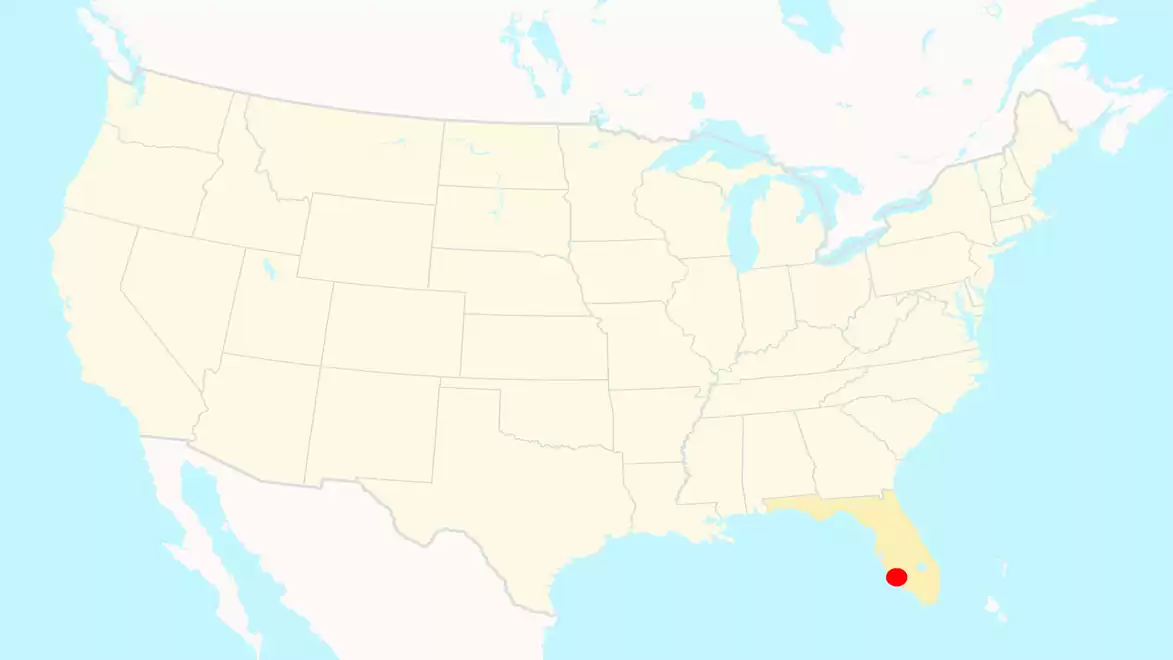
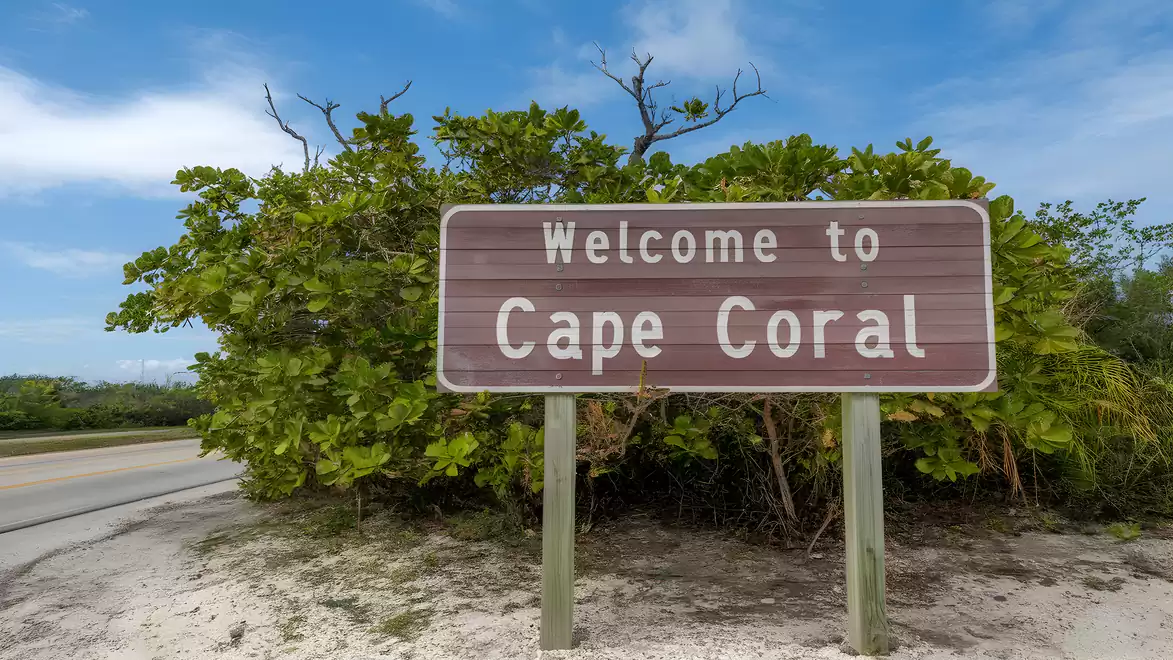
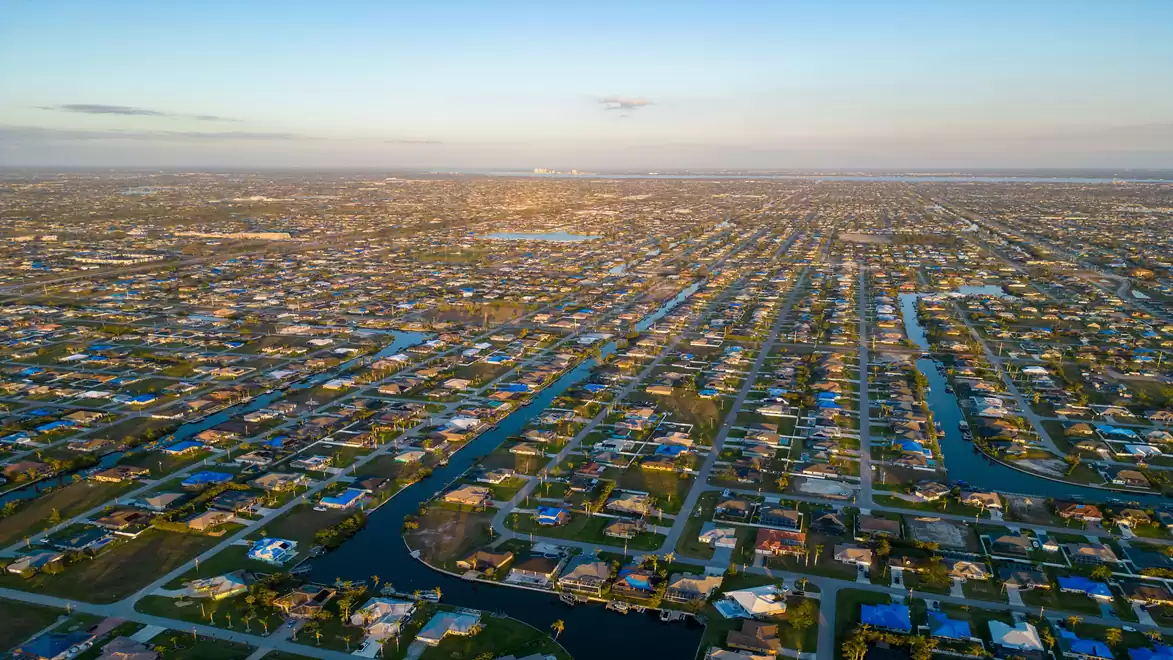
The name Cape Coral comes with a whimsical tale: When the Rosen brothers first arrived at what is now Cape Coral, they encountered two massive crocodiles who claimed ownership of the land called Redfish Point. In mutual agreement, the crocodiles allowed the brothers to dig canals—provided they were kept clean. In honor of this pact, the brothers named the city after their reptilian counterparts: Cape and Coral.
In reality, Cape Coral was established in 1957 by Leonard and Jack Rosen, who purchased Redfish Point. The name “Cape Coral” was deliberately selected by their company, Gulf American Land Corporation, to sound appealing, easy to remember, and evocative of waterfront living. The blend of “Cape” and “Coral” was meant to suggest tropical elegance and proximity to the sea—perfect for marketing a waterfront paradise.
The memorable name was part of a broader branding strategy: Aerial tours, television commercials, and hands-on marketing helped sell the dream. Today, Cape Coral boasts more than 400 miles of canals and is one of Florida’s fastest-growing cities—proof that a name, when chosen wisely, can shape the destiny of a community.
To improve accessibility, the Rosens financed the construction of the Cape Coral Bridge, opened in 1964, connecting Cape Coral to Fort Myers. Later, the Midpoint Bridge was added in 1997. The city continued to develop with schools, medical facilities, and recreational amenities. Today, Cape Coral is one of Florida's fastest-growing cities, boasting over 180,000 residents.
The legacy of the Rosen brothers endures in Cape Coral. Rosen Park, named in their honor, now offers a marina with access to the Gulf of Mexico. Their vision of a "Waterfront Wonderland" has become a reality, attracting residents and visitors from around the globe.
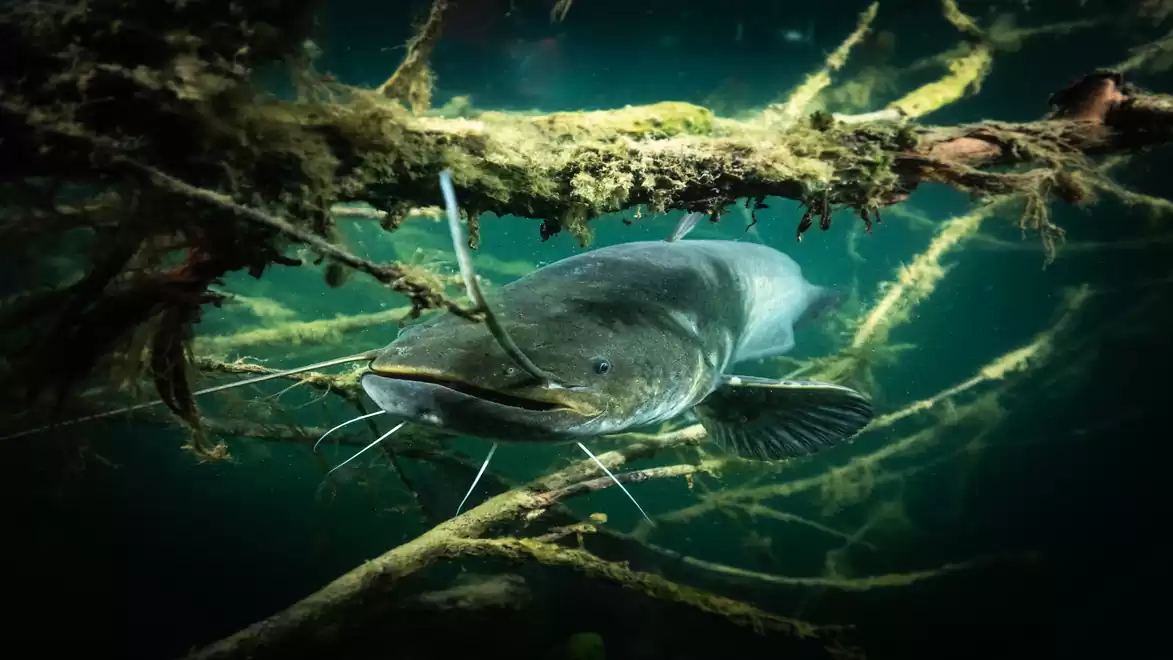
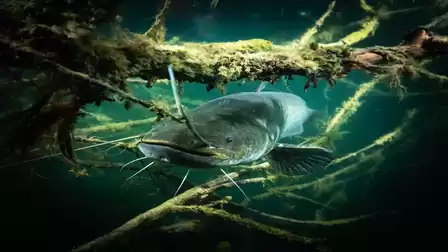
Florida is home to numerous catfish species, identifiable by the whisker-like appendages around their mouths. One of the most renowned species is the Channel Catfish (Ictalurus punctatus). This fish boasts sweet, white, and tender flesh, making it a favorite among anglers and culinary enthusiasts alike. (Traum Urlaub Florida)
The Channel Catfish is widespread across North America, inhabiting a variety of water bodies, including lakes, rivers, swamps, and even low-salinity estuaries. In Florida, they are commonly found in lakes and rivers. (Florida Museum)
Channel Catfish possess specialized taste buds all over their bodies, aiding them in locating food in murky waters. They have a slender body with characteristic dark spots along their sides. This species can reach considerable sizes and is a popular catch among anglers. (Ferienvilla Cape Coral)
The catfish, particularly the Channel Catfish, is a fascinating component of Florida's aquatic life. Its delicate flesh and adaptability to various habitats make it a valued fish among both anglers and culinary enthusiasts.
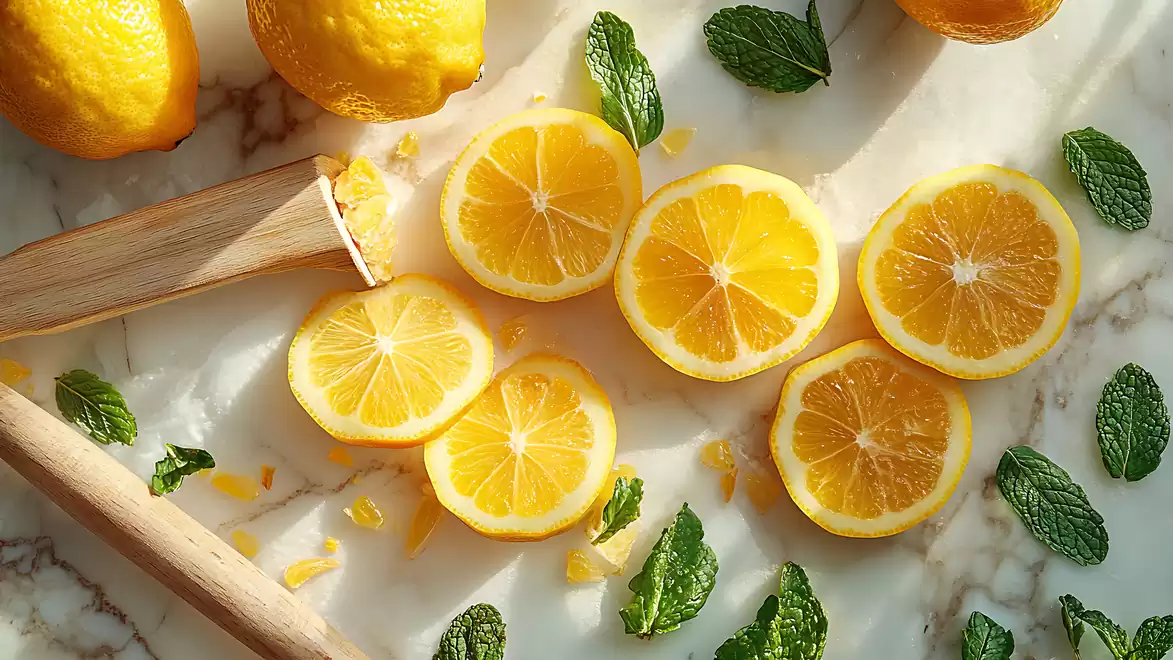
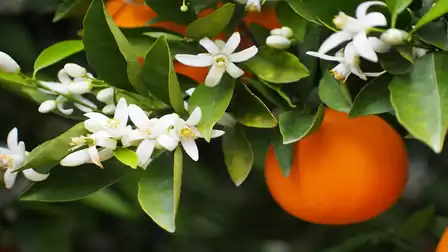
Florida is famous for its sun-ripened citrus fruits. In addition to sweet oranges, you'll find tangerines, grapefruits, lemons, and limes growing in abundance. These juicy delights are perfect as a healthy snack or can add a zesty touch to various recipes.
Whether used in a tangy seafood sauce, a spicy fruit salsa, or a tropical citrus ice cream, Florida’s citrus fruits infuse dishes with refreshing brightness. Visitors can explore the variety at local farmers markets or enjoy samples directly from regional growers.
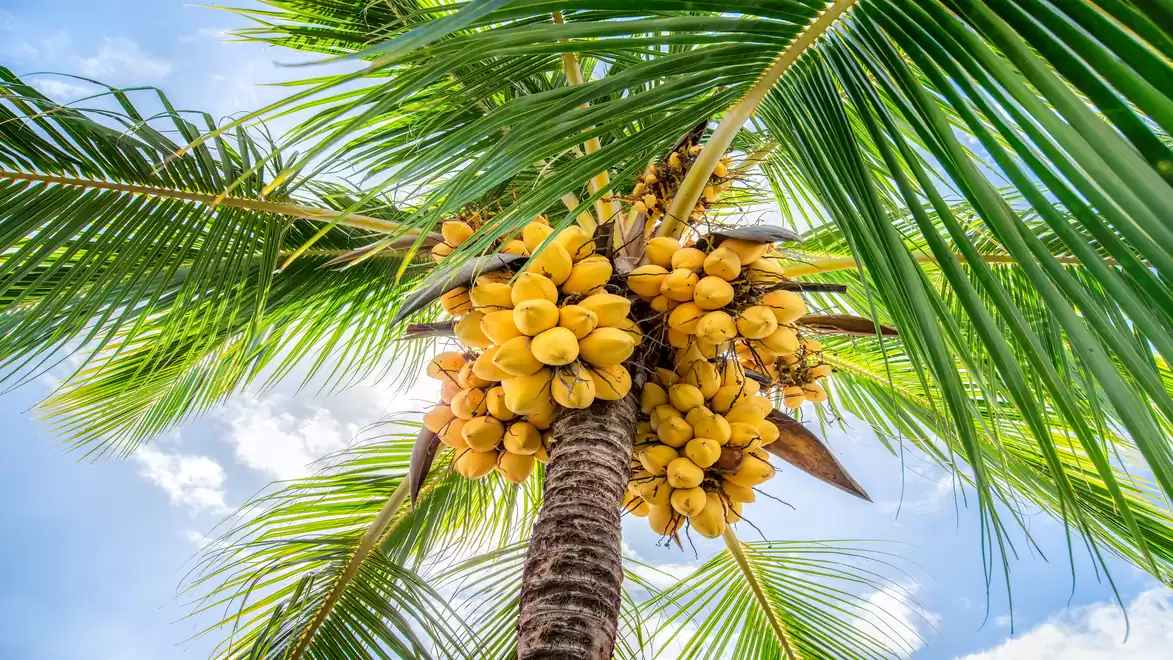
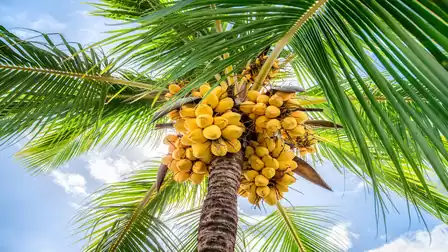
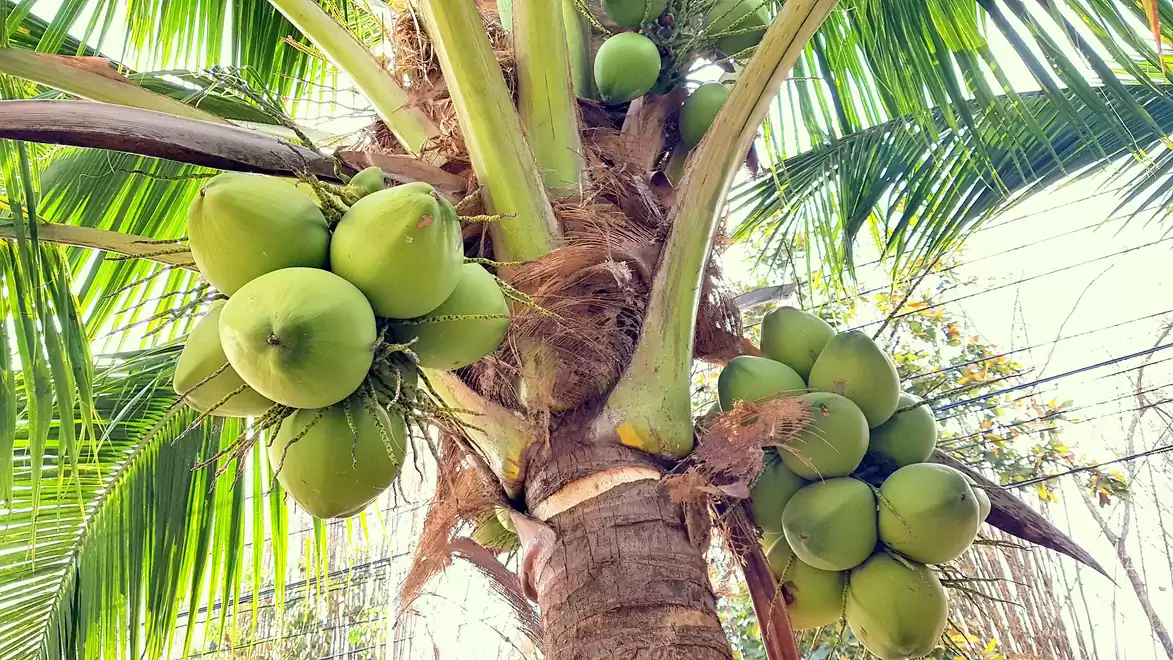
The Coconut Palm (Cocos nucifera) is one of the most well-known and economically significant palm species in the world. It thrives in tropical coastal regions and is especially famous for its coconuts, which have a wide range of uses – from food to cosmetic products.
The Coconut Palm requires a tropical climate, plenty of sunlight, and well-drained, sandy soils. It is salt-tolerant and often grows directly on beaches, where its roots are regularly exposed to seawater.
The Coconut Palm is one of the most versatile plants in the world:
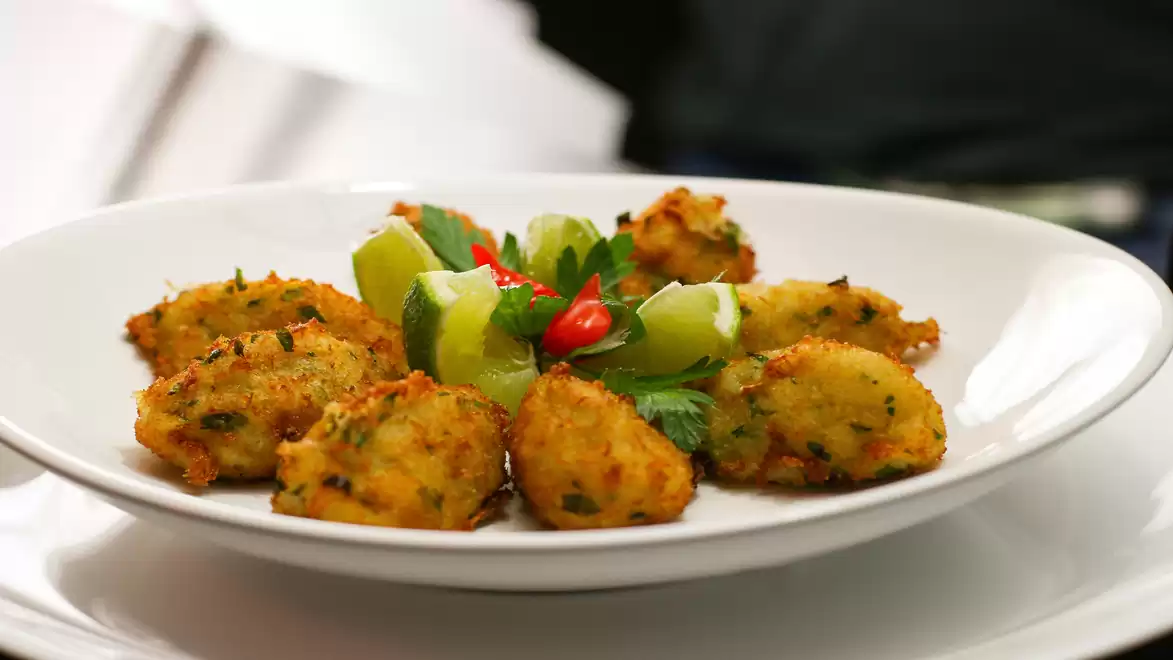
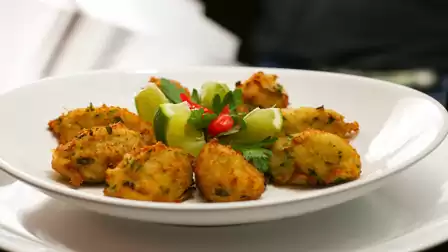
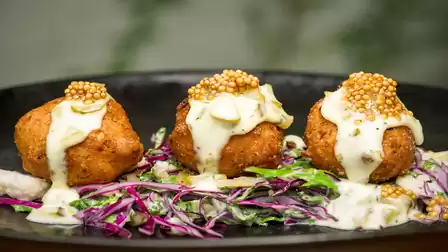
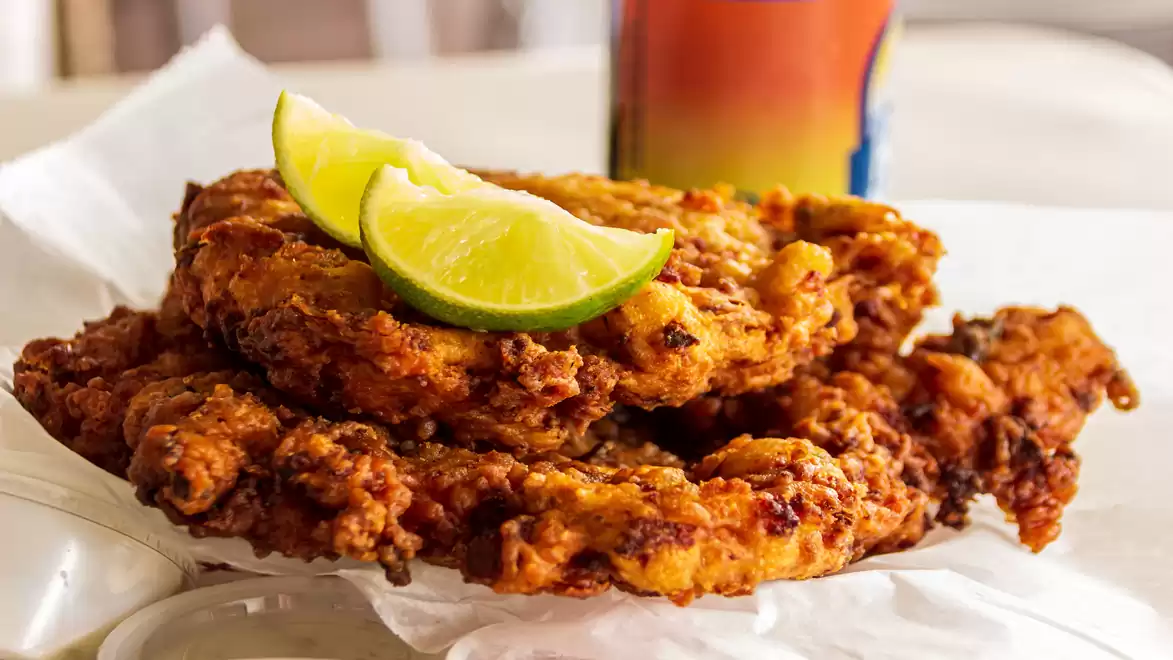
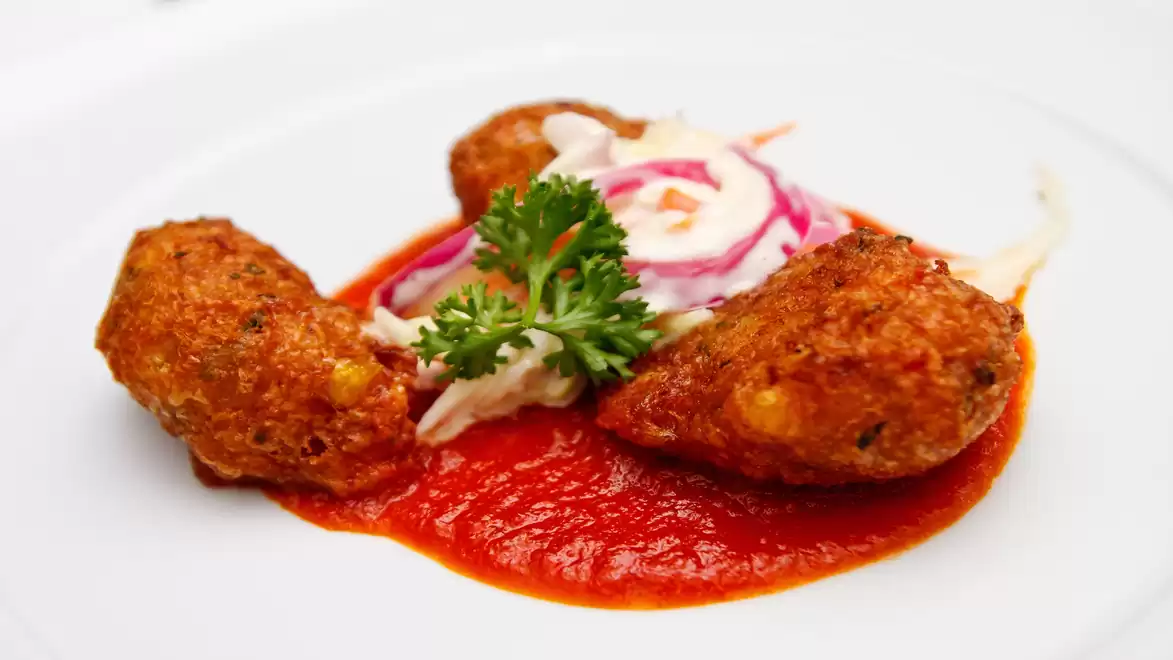
Conch fritters are a beloved appetizer in Caribbean cuisine, especially in the Bahamas and the Florida Keys. They are made from the tender meat of the conch, mixed with a seasoned batter and deep-fried to a golden brown. The result is a crispy snack with a mild, slightly sweet flavor, often served with various dipping sauces. (Edible Communities)
To prepare conch fritters, the conch meat is first minced to tenderize it. It is then combined with a batter made from cornmeal, chopped onions, bell peppers, celery, and seasonings like garlic, lemon juice, and hot sauces. Small portions of this mixture are formed into balls and deep-fried until golden brown. They are typically served with dipping sauces such as cocktail sauce, mayonnaise, or a spicy remoulade. (Wikipedia)
In South Florida, particularly in the Florida Keys, conch fritters are a staple of the local cuisine. Many restaurants offer their own version of this delicacy. For instance, "The Conch Shack" in Key West serves freshly prepared conch fritters with various dips, making it a popular spot for both locals and tourists. (The Conch Shack)
Conch fritters are more than just a snack; they represent the culinary tradition of the Caribbean and Florida. Their unique flavor and crispy texture make them a must-try for anyone looking to explore the diverse cuisine of these regions.
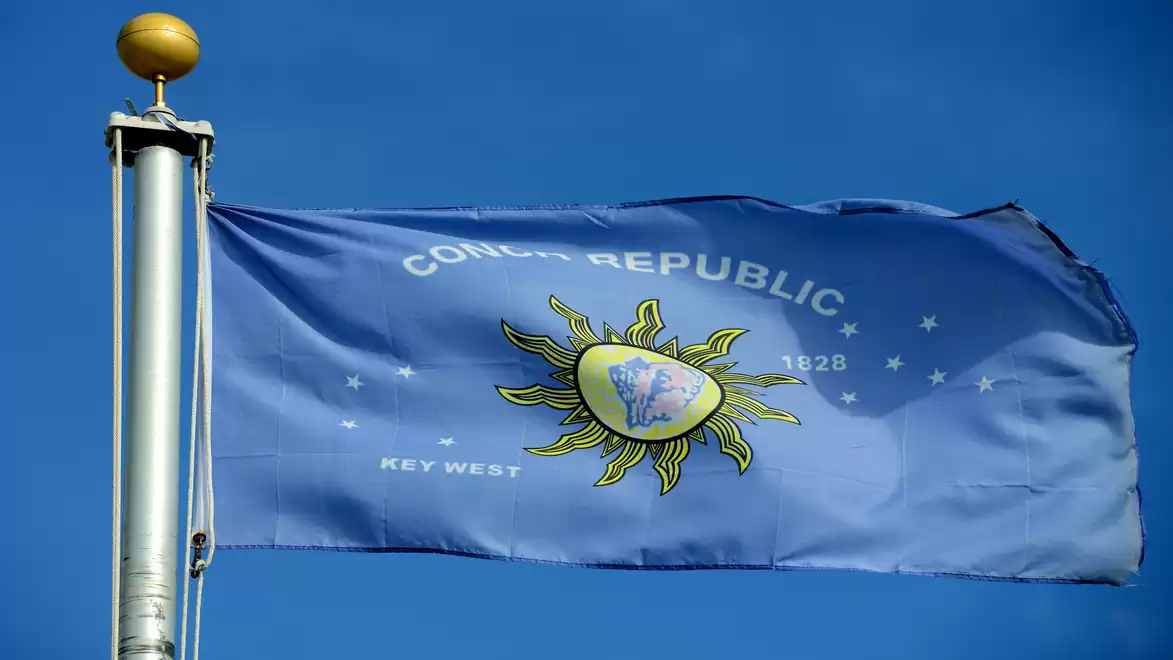
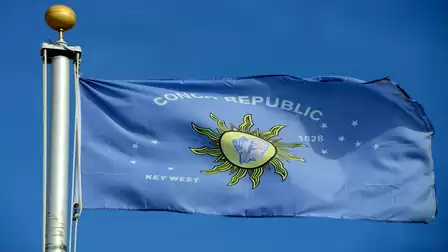
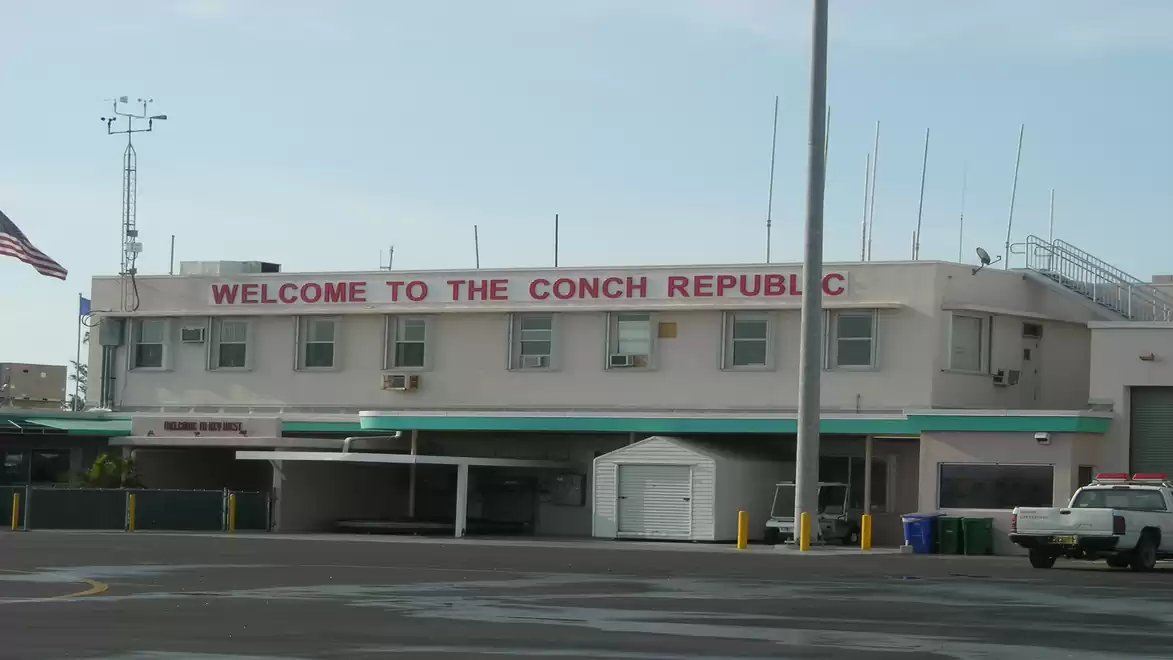
The Conch Republic is one of the most unusual and humorous anecdotes in the history of Florida. It was established on April 23, 1982, when Key West symbolically declared its independence from the United States.
In the early 1980s, the U.S. government set up a border checkpoint on US-1 – the only road connecting Key West to the mainland. This measure was intended to prevent illegal immigration and drug smuggling. However, for the residents of Key West, it had major consequences:
When the city administration of Key West protested against the measures and received no response from the government, they opted for a humorous solution: Key West declared itself independent and founded the Conch Republic. After the symbolic declaration of independence, the Conch Republic "declared war" on the U.S. The then "Prime Minister" Dennis Wardlow wielded a baguette as a weapon and "attacked" a U.S. military officer with it. Just one minute later, they surrendered unconditionally – demanding financial aid as "war reparations."
The event made global headlines – and the U.S. government eventually lifted the border checkpoint. Since then, the "independence" of the Conch Republic has been celebrated annually with a festival, parades, and boat races. Visitors can even purchase Conch Republic passports, which, while not legally valid, are a popular souvenir.
The humor and free spirit of Key West remain alive, and its residents take pride in living in their own "nation" – at least in spirit. The Conch Republic perfectly embodies the rebellious and vibrant character of this island city.
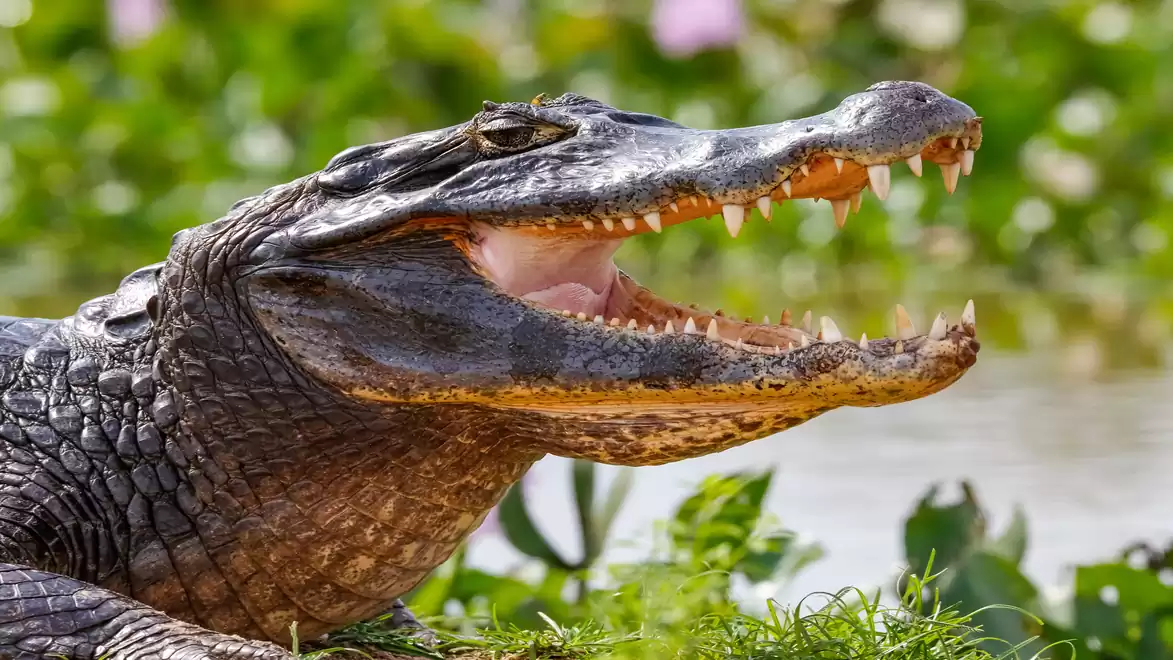
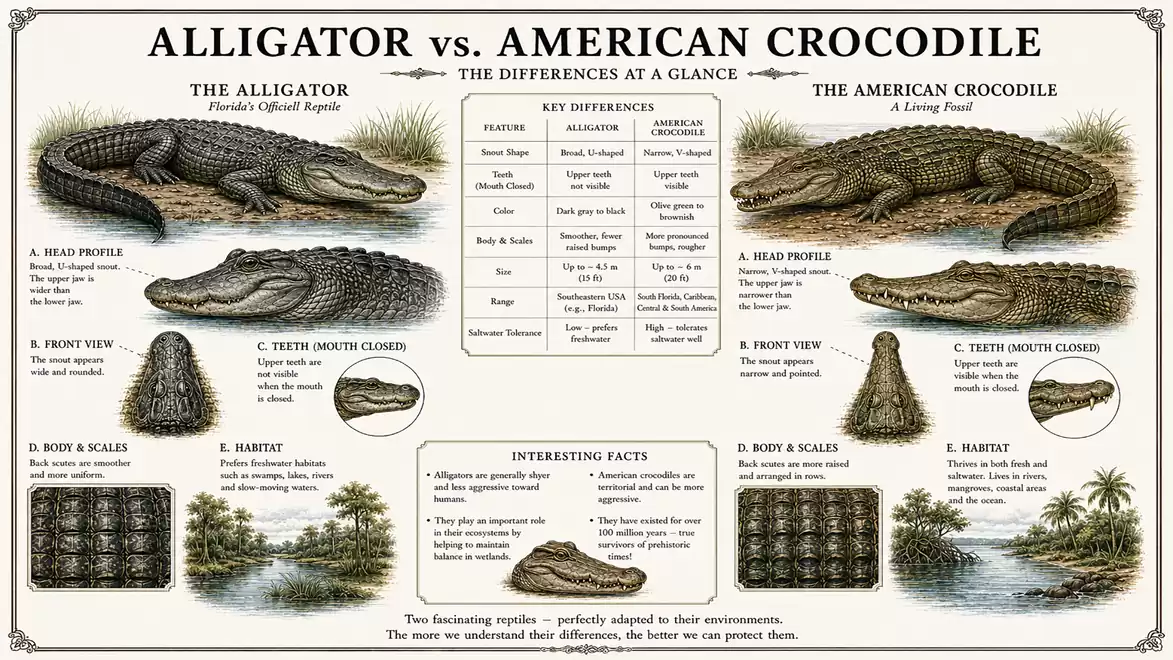
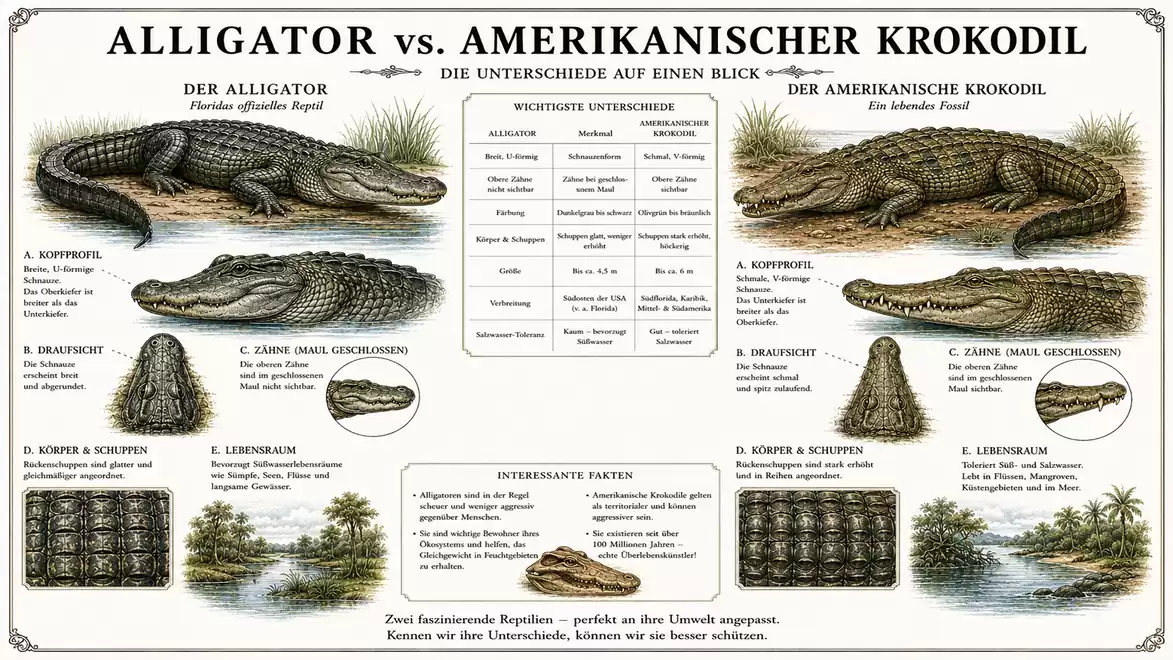
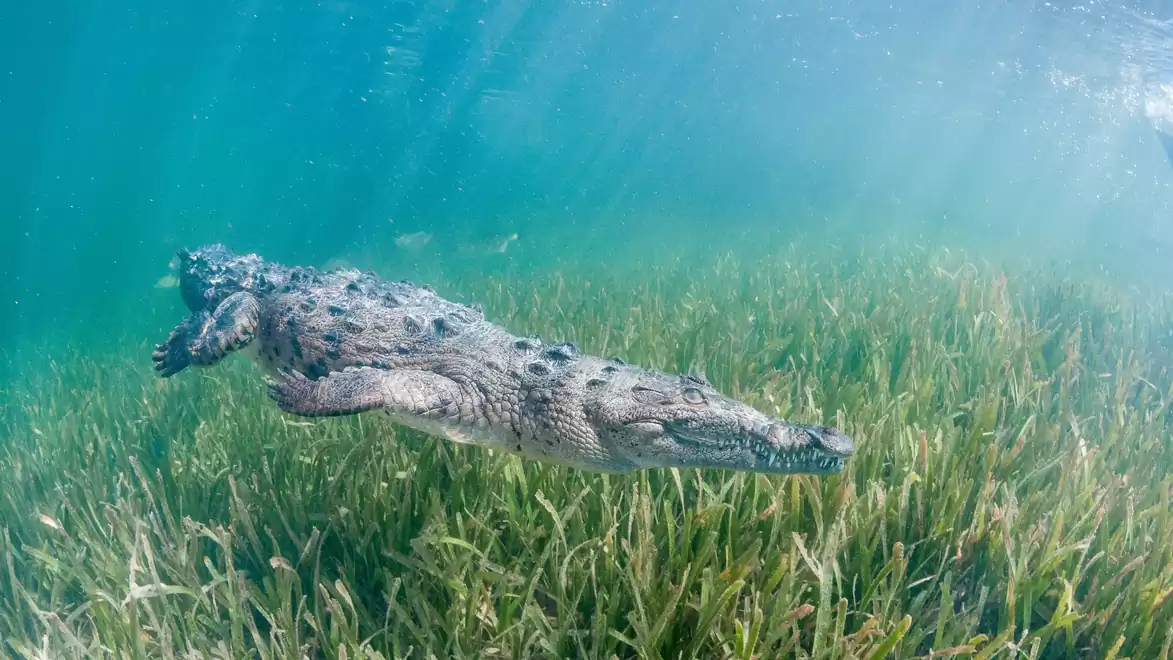
The American crocodile (*Crocodylus acutus*) is an impressive reptile native to warmer regions of the Americas. With an average length of 3 to 4 meters, and in exceptional cases up to 7 meters, it is one of the largest crocodile species in the New World. Its narrow, pointed snout distinguishes it from the alligator. (Wikipedia: American Crocodile)
In the USA, the American crocodile is primarily found in southern Florida, especially in the Everglades and the Florida Keys. It prefers brackish coastal waters, mangrove swamps, and river mouths. Despite previous hunting pressures, the population has rebounded, with an estimated 2,000 crocodiles now residing in Florida. (National Park Service: American Crocodile)
American crocodiles are primarily nocturnal and feed on fish, birds, and mammals. They are shy and generally avoid contact with humans. Attacks on humans are extremely rare. (Florida Fish and Wildlife Conservation Commission: American Crocodile)
Thanks to successful conservation efforts, the status of the American crocodile in Florida has been downgraded from "endangered" to "threatened." However, protecting their habitat remains crucial for the species' survival. (National Park Service: American Crocodile)
The American crocodile is a living fossil and an essential component of the ecosystem in Florida's coastal regions. Its presence serves as a reminder of the importance of conservation and respect for the wild beauty of nature.
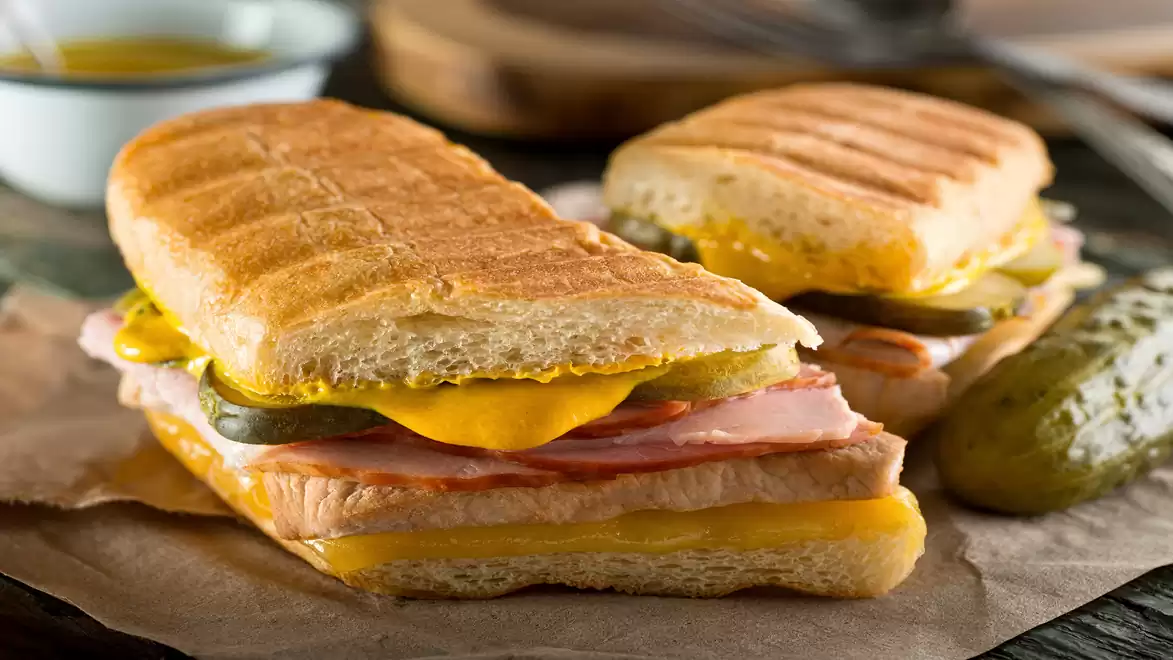
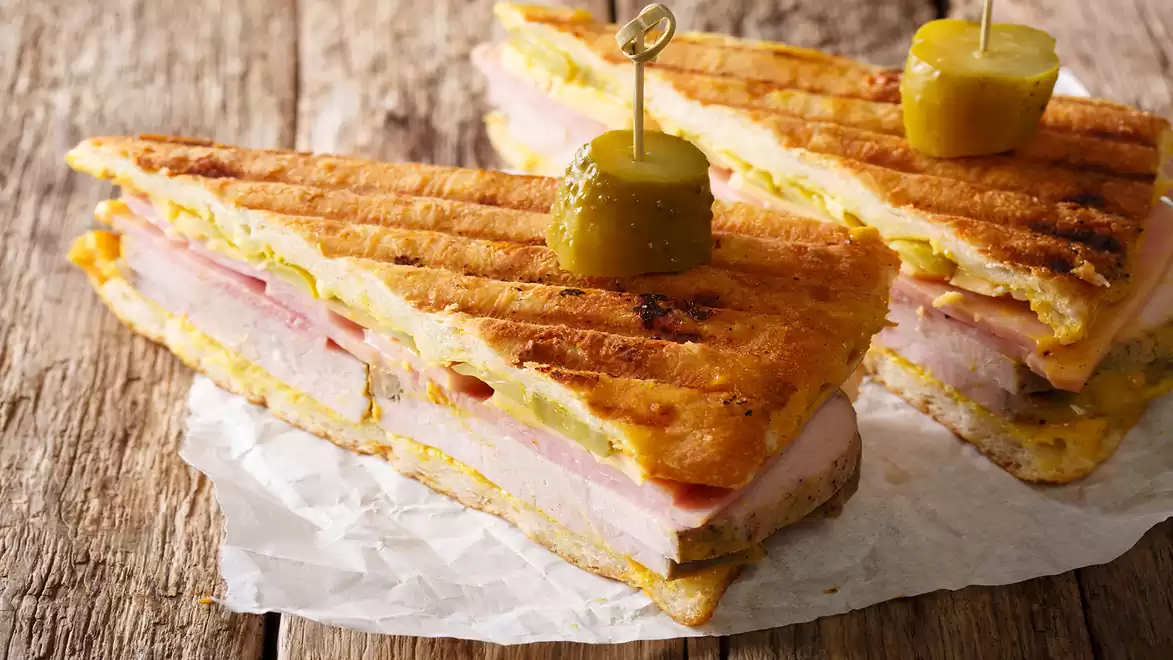
The Cuban sandwich, also known as the Cubano, is a grilled sandwich that originated in the Cuban immigrant communities of Florida, particularly in Tampa and Miami. It traditionally consists of Cuban bread filled with layers of roasted pork, ham, Swiss cheese, dill pickles, and mustard. The sandwich is then pressed on a grill, called a plancha, until the bread is crispy and the cheese is melted. (Wikipedia)
The exact origin of the Cuban sandwich is debated. Some sources claim it was created in the cafés of Ybor City in Tampa, where Cuban cigar workers labored in the early 20th century. Others believe it was developed in the Cuban communities of Key West or even in Cuba itself. Regardless of its origin, the sandwich quickly became a staple of local cuisine in South Florida.
In Tampa, the traditional Cuban sandwich includes salami, reflecting the influence of Italian immigrants in the area. In Miami, however, the sandwich is made without salami, and some variations add ingredients like lettuce, tomatoes, or mayonnaise, although these additions are often frowned upon by purists. (Serious Eats)
Choosing the right bread is crucial for an authentic Cuban sandwich. Cuban bread has a light, crispy crust and a soft, airy crumb. If unavailable, French or Italian bread can serve as substitutes. The sandwich should be grilled on a plancha or a panini press to achieve the characteristic crispiness. (King Arthur Baking)
The Cuban sandwich is a delicious example of the culinary fusion of various cultures in South Florida. With its combination of savory meats, melted cheese, and crunchy pickles, it offers an unparalleled taste experience that delights both locals and visitors alike.
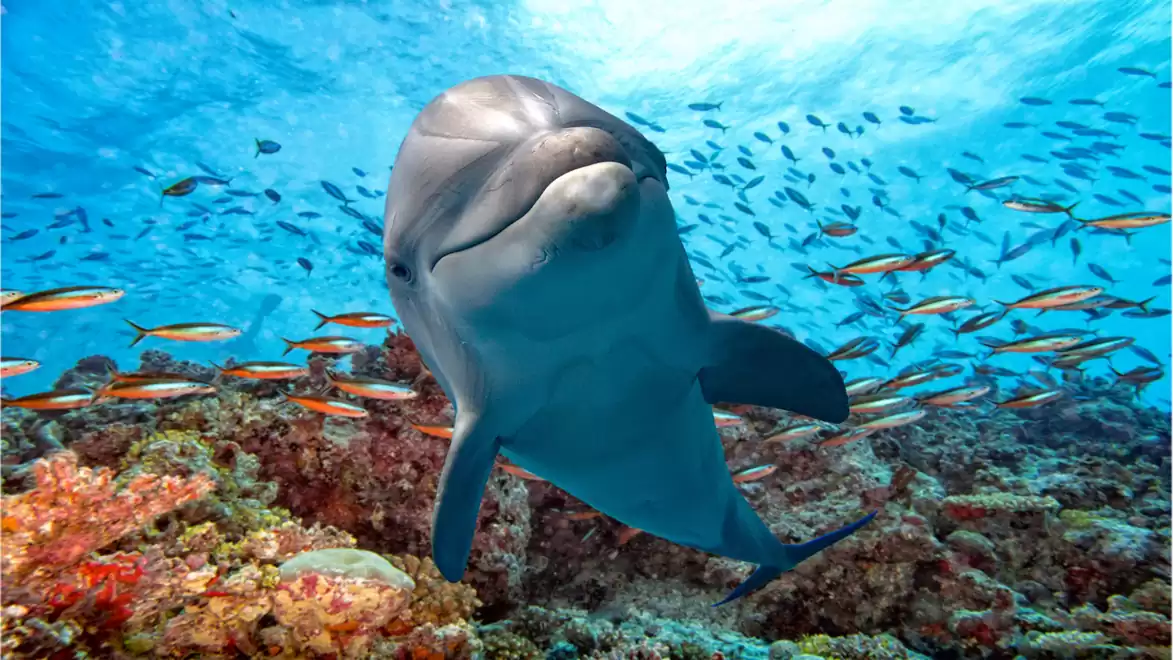
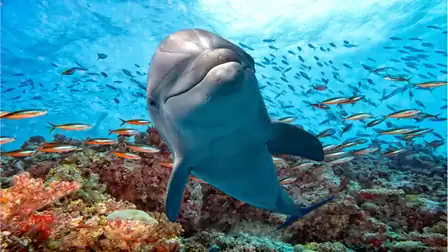
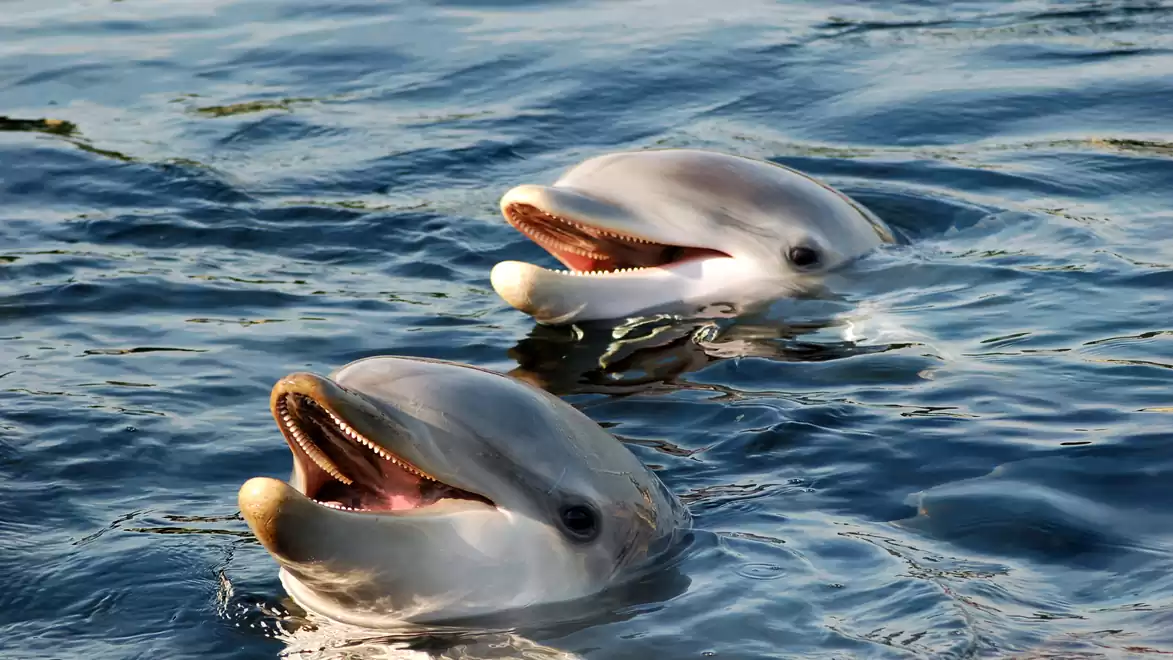
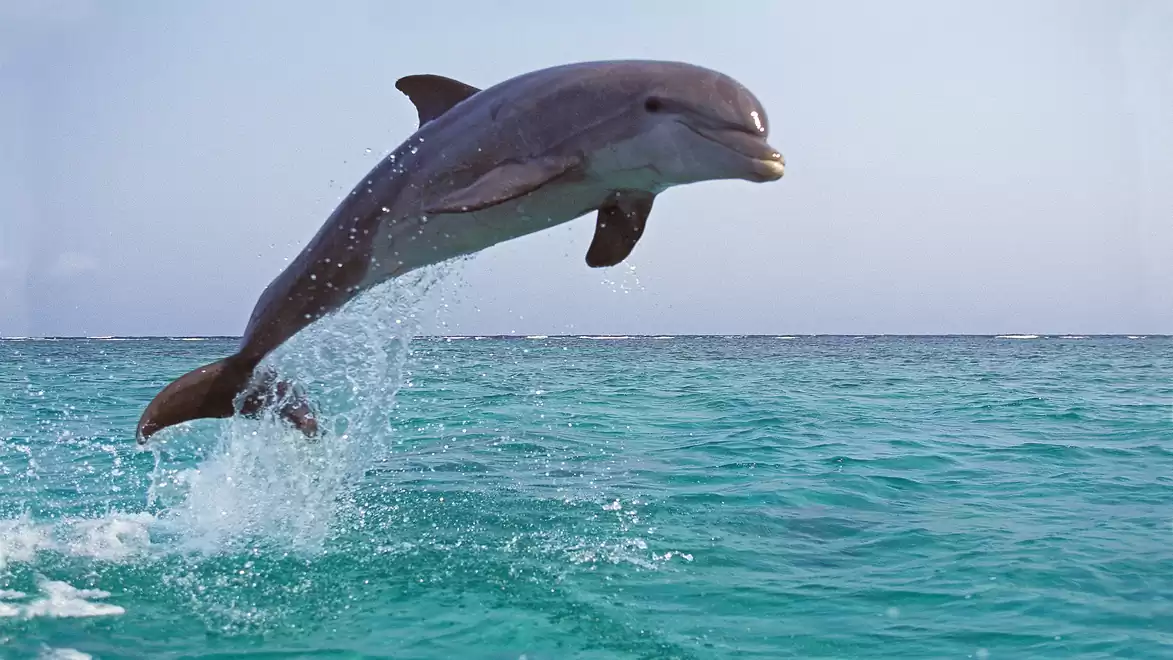
The dolphin (*Tursiops truncatus*), commonly known as the bottlenose dolphin, has been Florida’s official saltwater mammal since 1975. These warm-blooded marine mammals are famous for their high intelligence, complex social behavior, and their characteristic “smile.” Dolphins communicate using a variety of clicks, whistles, and body language and live in social groups called pods. (Florida Department of State)
Dolphins are abundant in the warm coastal waters of Florida. They are commonly seen along the shores from Pensacola to the Florida Keys and are known to ride the waves created by boats. Their preferred habitats include shallow coastal areas, bays, and estuaries, where they find abundant food and protection. (Dolphins in Florida)
As top marine predators, dolphins primarily feed on fish, squid, and crustaceans. They hunt in groups using advanced techniques such as coordinated hunting and echolocation to track down prey. Known for their playful nature, dolphins frequently leap from the water and interact with boats and swimmers. (National Geographic)
Florida offers multiple opportunities to observe dolphins in the wild or even swim with them. Eco-tours and dolphin watching cruises are popular throughout the state. Some of the best places for dolphin encounters include:
Facilities such as Dolphins Plus in Key Largo provide interactive programs where visitors can swim with trained dolphins. (Dolphins Plus)
Dolphins are protected under the Marine Mammal Protection Act (MMPA), which prohibits harassment and harmful interactions. Organizations such as the Dolphin Research Center work to study, rescue, and rehabilitate dolphins while educating the public on marine conservation. Visitors can support these efforts by choosing responsible dolphin tours and avoiding facilities that exploit marine mammals. (Dolphin Research Center)
The dolphin is more than just a fascinating marine creature—it is a symbol of Florida’s rich coastal ecosystem. Whether seen from a boat, a beach, or in a conservation center, these intelligent mammals remain a highlight of any Florida experience.
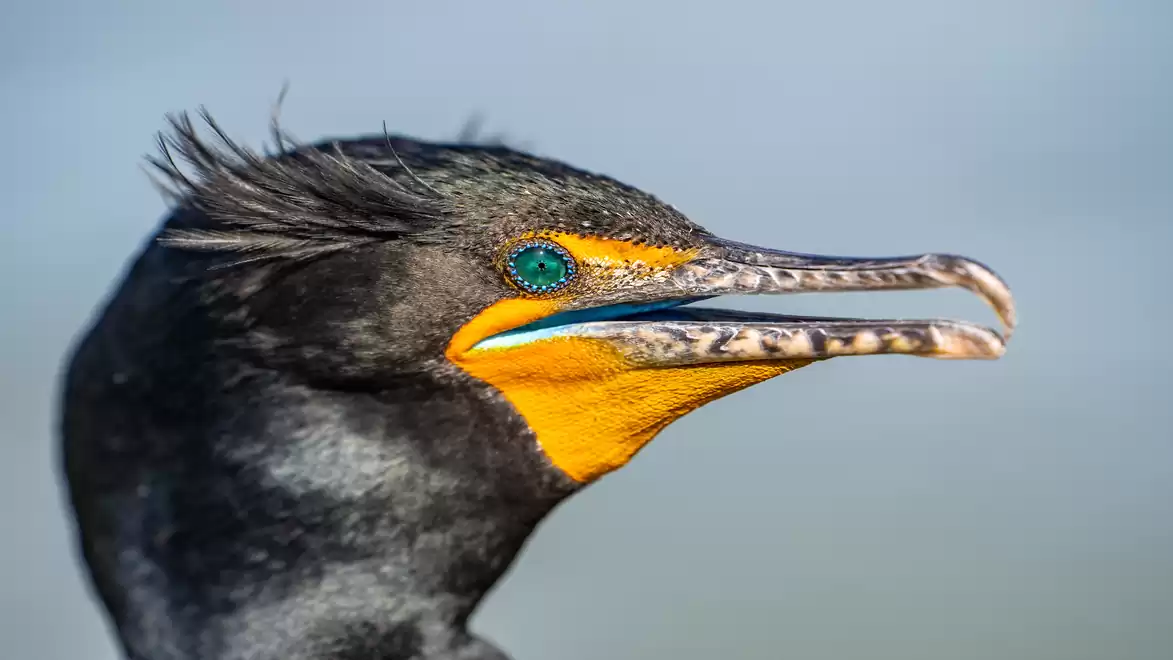
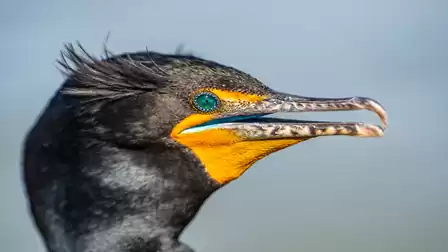
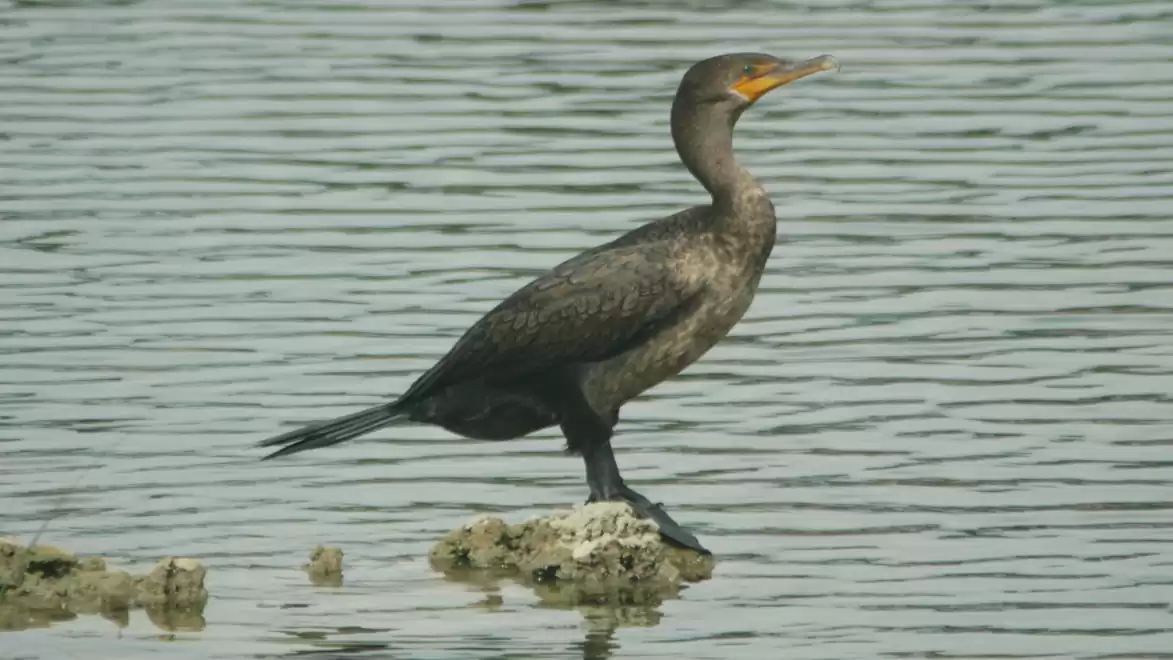
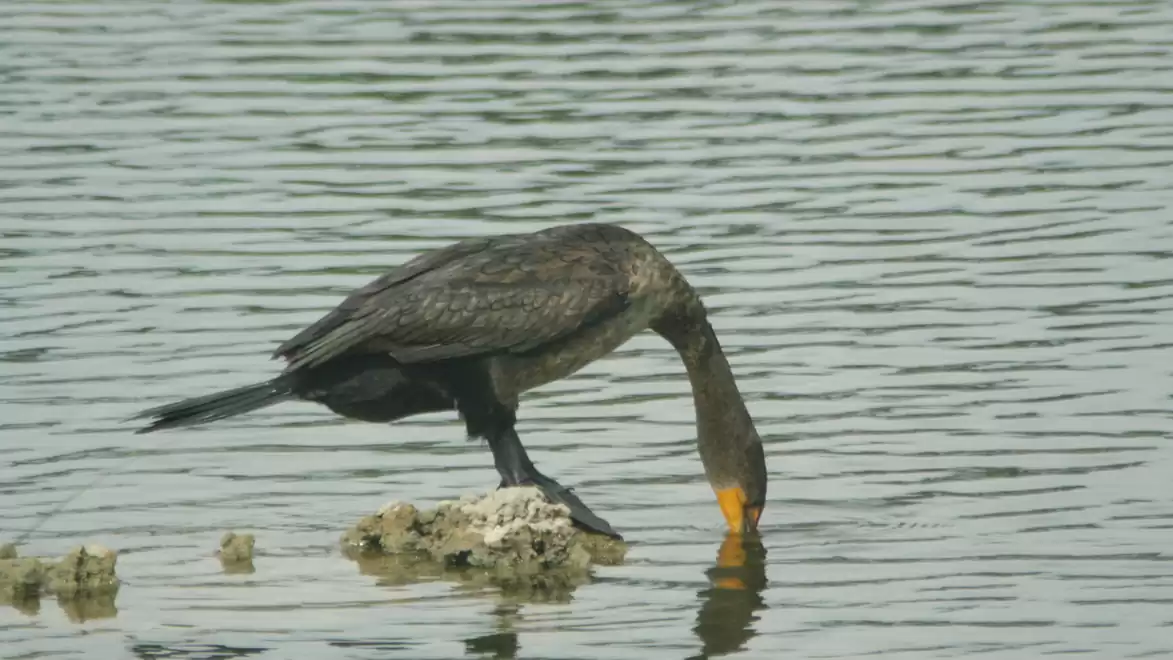
The Double-crested Cormorant (*Nannopterum auritum*) is a large, water-dwelling bird found throughout North America. It measures between 27 and 35 inches (70–90 cm) in length, with an impressive wingspan of around 4 feet (120 cm). Its predominantly black feathers take on a greenish sheen in sunlight, and its most distinctive feature is the pair of white feather tufts that appear on its head during the breeding season—giving it the name "double-crested." Its hooked bill is perfectly adapted for catching slippery fish. (All About Birds)
Double-crested Cormorants thrive in a wide range of aquatic environments, including coastal regions, estuaries, rivers, lakes, and wetlands. Their range extends from Alaska and Canada down through the United States and into parts of Mexico and the Caribbean. They are highly adaptable and can be found in both saltwater and freshwater habitats, often roosting near fish-rich areas. (Audubon Field Guide)
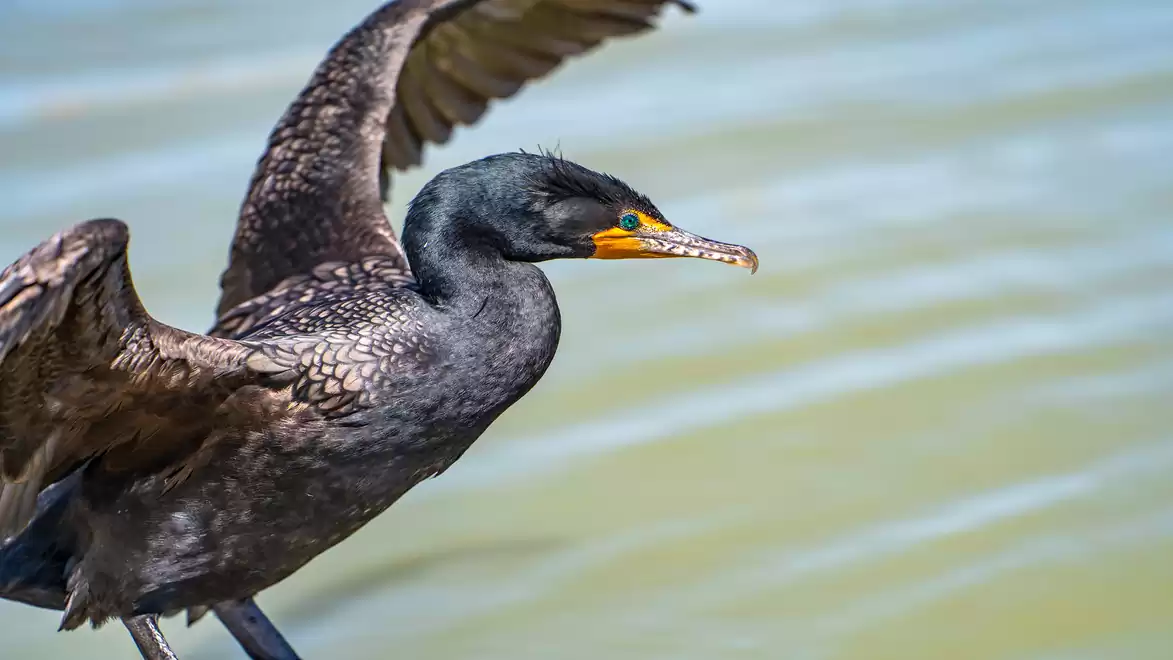
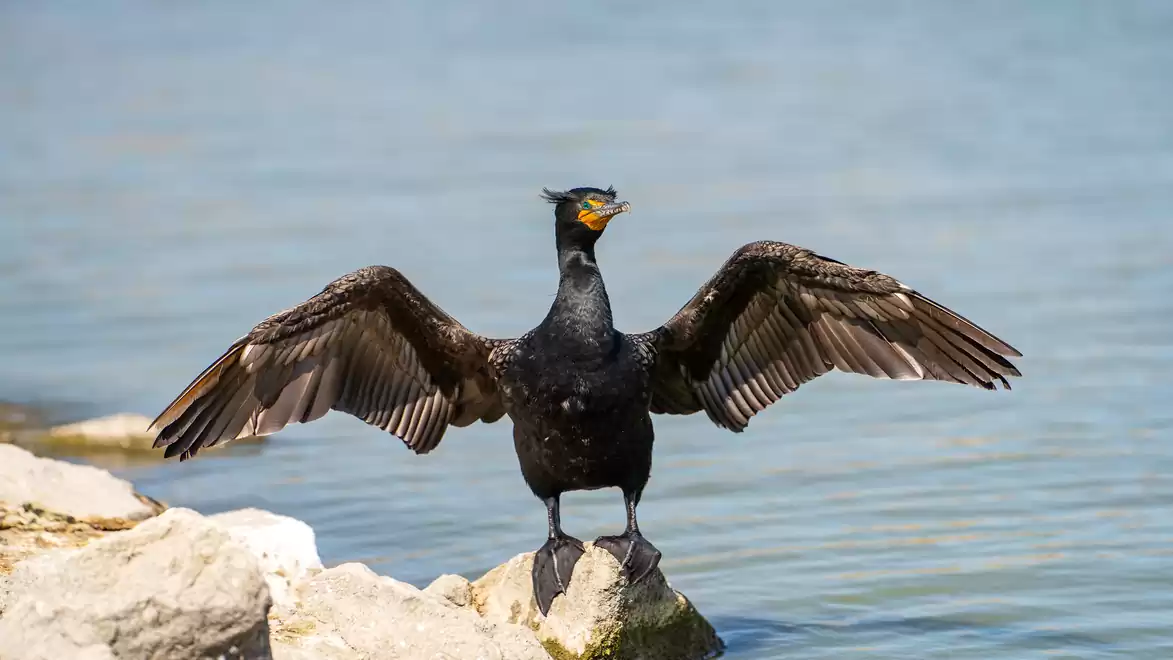
As expert divers, Double-crested Cormorants primarily feed on fish, using their powerful webbed feet to propel themselves underwater. They can dive to depths of up to 100 feet (30 meters) and stay submerged for more than a minute while pursuing their prey. Their expandable throat pouch allows them to hold and swallow fish up to 12 inches (30 cm) in length. Unlike many waterbirds, their feathers are not fully waterproof, which helps them dive efficiently but requires them to dry their wings after swimming. This is why they are often seen perched with wings outstretched.
These birds are highly social and nest in large colonies, sometimes containing hundreds or even thousands of pairs. They prefer nesting in trees near water, on rocky islands, or on artificial structures. Both parents share incubation duties, and their chicks are born helpless, relying on their parents for food and protection. During the breeding season, their characteristic white tufts are most visible, adding to their striking appearance. (Audubon Field Guide)
The Double-crested Cormorant is often confused with the Anhinga, also known as the "snakebird." While both species are excellent divers, the Anhinga has a longer, thinner neck and a sharp, straight beak used for spearing fish, whereas the cormorant has a hooked bill designed for grabbing and swallowing prey. Additionally, the Anhinga is more frequently found in freshwater, while the Double-crested Cormorant prefers saltwater habitats. (All About Birds)
The Double-crested Cormorant plays a vital role in aquatic ecosystems by helping regulate fish populations. Despite past threats from hunting and habitat destruction, their numbers have rebounded, and they are now a common sight along North America's coasts and waterways. Whether seen drying their wings in the sun or diving for fish, these birds are a fascinating part of Florida's rich birdlife.
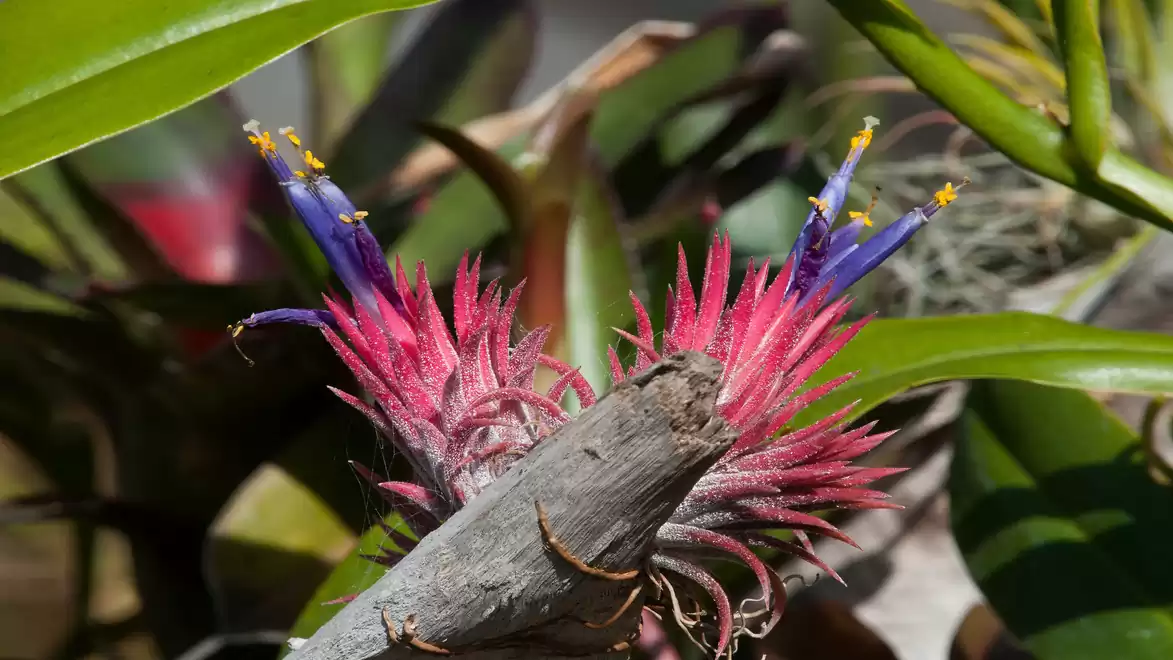
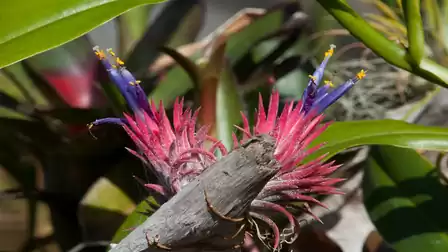
Epiphytes, also known as air plants, are plants that grow on trees or other plants without extracting nutrients from them. Instead, they absorb water and essential minerals from the air, rain, and occasionally from organic debris. These unique plants are most commonly found in tropical rainforests. (Spektrum der Wissenschaft)
In tropical rainforests, epiphytes can make up one-third of all plant species. They contribute to biodiversity by providing shelter and sustenance for insects, amphibians, and other organisms. (National Library of Medicine)
To thrive without soil, epiphytes have developed specialized adaptations:
Epiphytes are remarkable survivalists that have perfectly adapted to life in the treetops. Their ability to grow without soil makes them a fascinating plant group that plays a crucial role in many ecosystems.
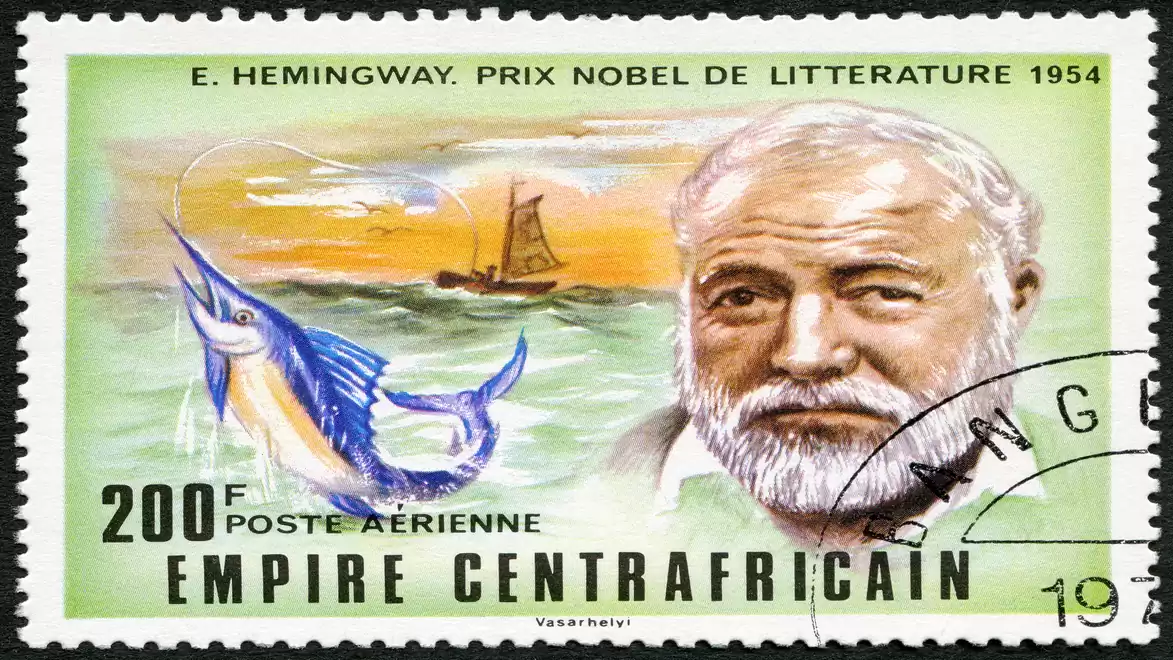
Ernest Hemingway (1899–1961) was an American author and journalist whose clear prose and masculine themes significantly influenced 20th-century literature. His most famous works include “For Whom the Bell Tolls”, “To Have and Have Not”, and “The Old Man and the Sea”, for which he was awarded the Pulitzer Prize in 1953. In 1954, he received the Nobel Prize in Literature. (Wikipedia)
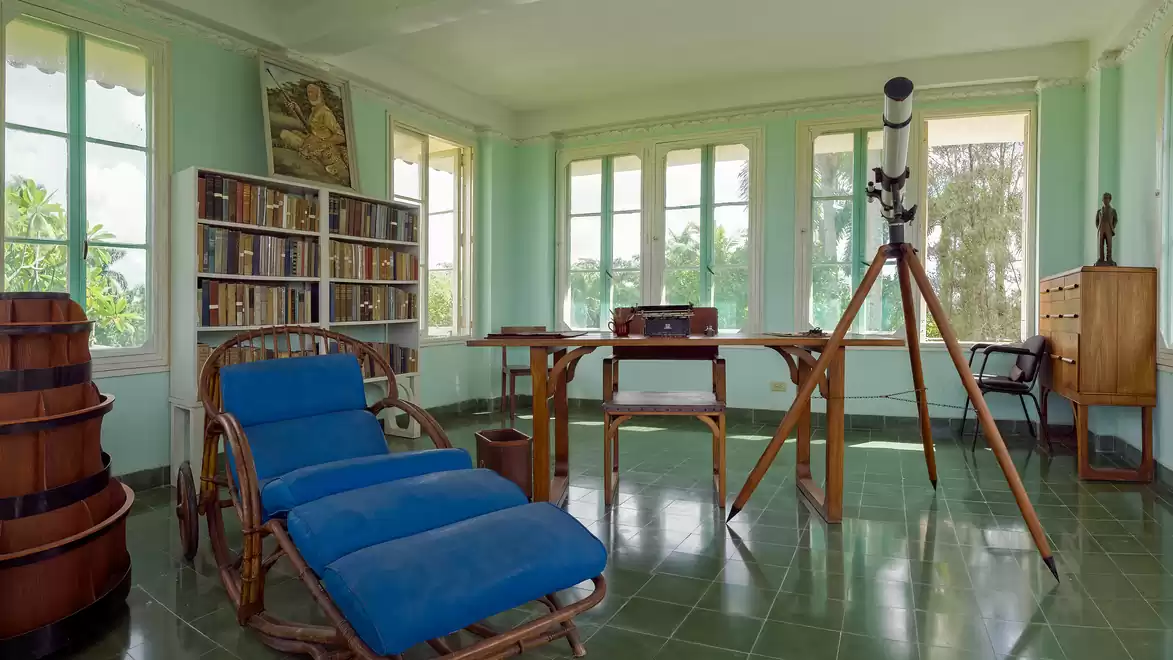
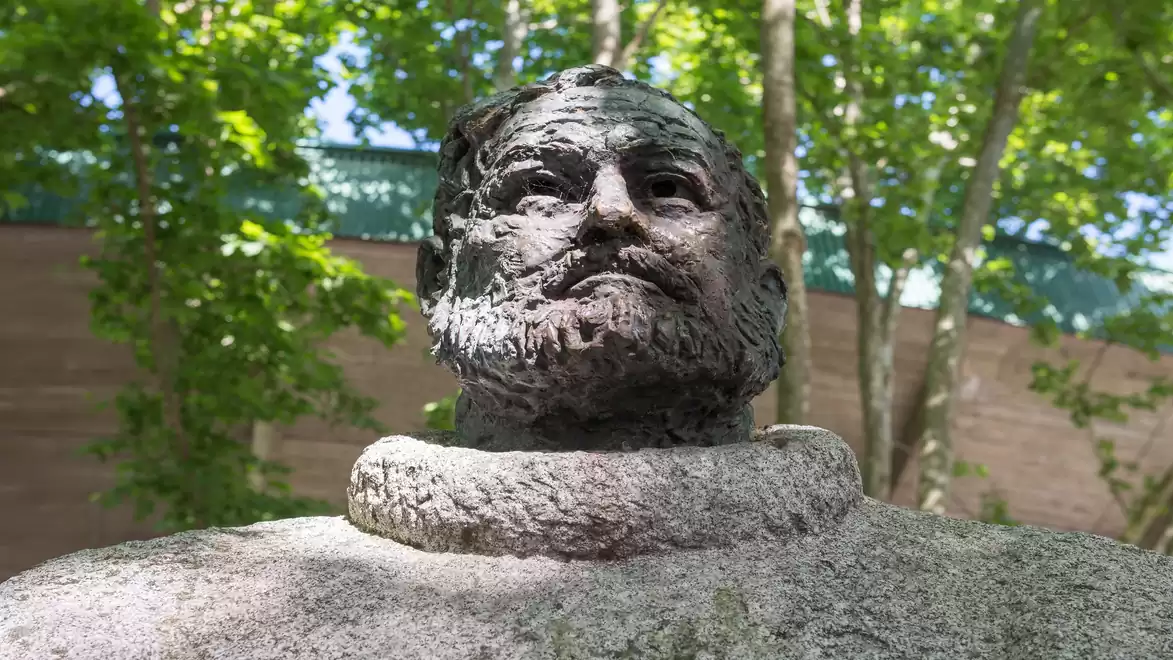
In the 1930s, Hemingway resided in a colonial estate in Key West, Florida, now known as the Ernest Hemingway Home and Museum. In this house, he wrote some of his most significant works and lived with his second wife, Pauline Pfeiffer. The estate is renowned for its lush gardens and the first swimming pool built in Key West. (Hemingway Home)
A unique attraction of the museum is the approximately 60 polydactyl cats, many of which have six toes. These cats are descendants of Hemingway's original cat, Snow White, gifted to him by a ship captain. Visitors to the museum can observe these unique cats on the grounds. (Hemingway Home - Our Cats)
Today, the Hemingway House serves as a museum, offering visitors insight into the life and work of the author. It is furnished with original furniture and displays personal items of Hemingway, creating an authentic experience. The museum is open daily and attracts thousands of visitors from around the world annually. (Hemingway Home)
Ernest Hemingway left a literary legacy that resonates to this day. His home in Key West offers not only insight into his life and work but also into the world of the famous six-toed cats, which have become an attraction in their own right.
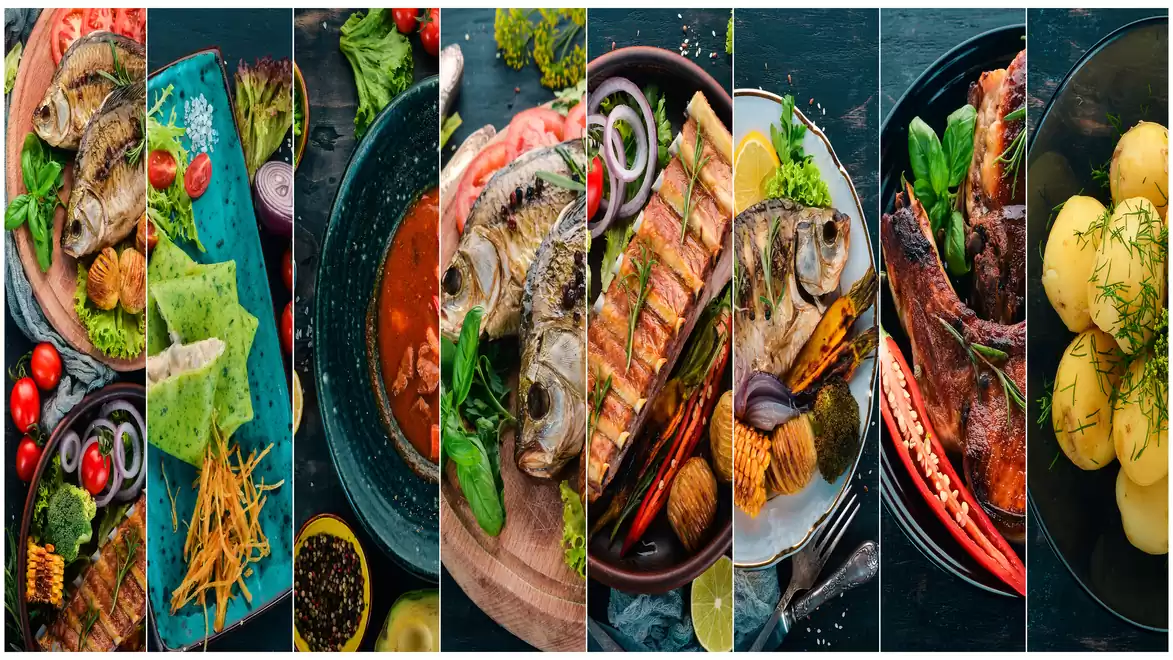
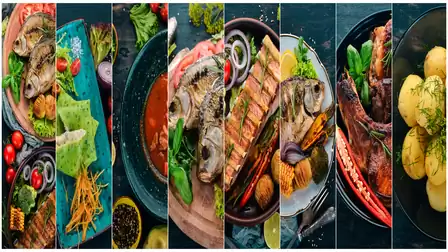
Floribbean cuisine blends culinary influences from Florida and the Caribbean, creating an exciting, flavorful experience unique to the Sunshine State. This cuisine is known for using fresh seafood, tropical fruits, vibrant spices, and bold flavors that capture the essence of both regions.
Popular ingredients in Floribbean cooking include seafood, citrus fruits, mango, avocado, coconut, and Caribbean spices such as jerk seasoning and chili peppers. Signature dishes often feature fresh grilled fish topped with mango salsa, seafood ceviche, coconut shrimp, and tropical-inspired salads.
Floribbean cuisine appeals particularly to those seeking healthy yet flavorful meals. The emphasis on fresh, locally sourced ingredients and tropical flavors makes it a favorite among health-conscious diners.
Southwest Florida, especially cities like Naples, Fort Myers, and Cape Coral, boasts numerous restaurants where visitors can savor authentic Floribbean dishes, offering a memorable dining experience with a tropical touch.
Discover the unique and vibrant tastes of Floribbean cuisine during your Florida visit – a culinary adventure that captures the tropical spirit and diverse influences of the region.
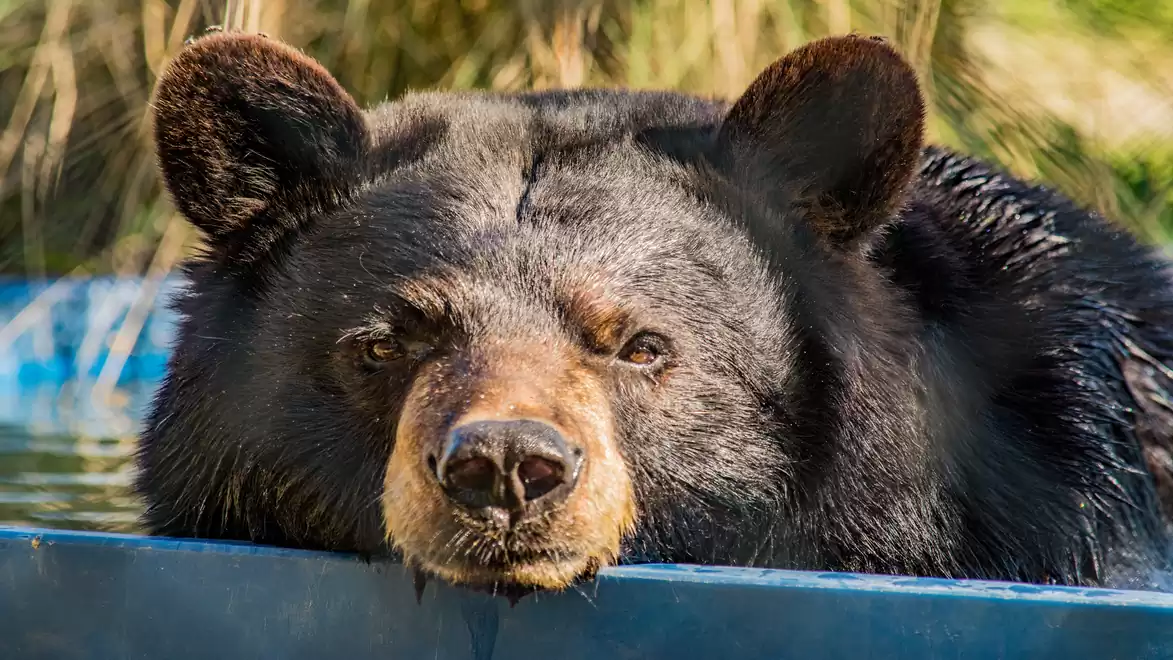
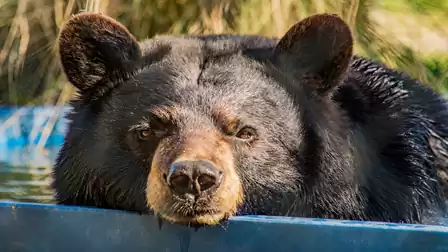
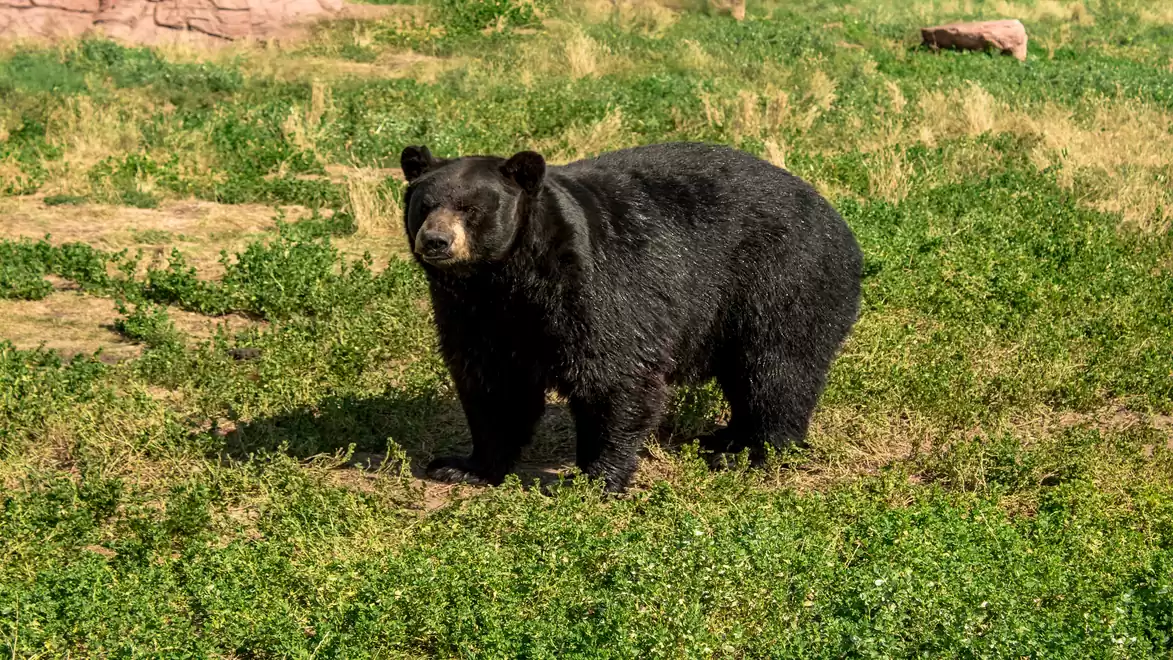
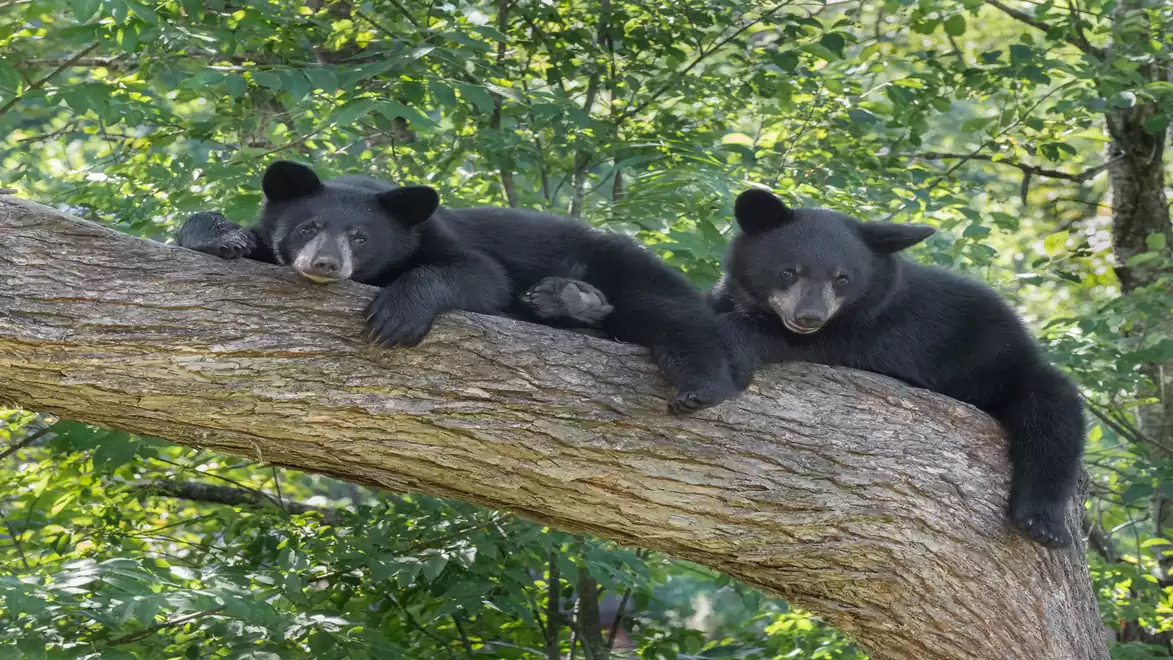
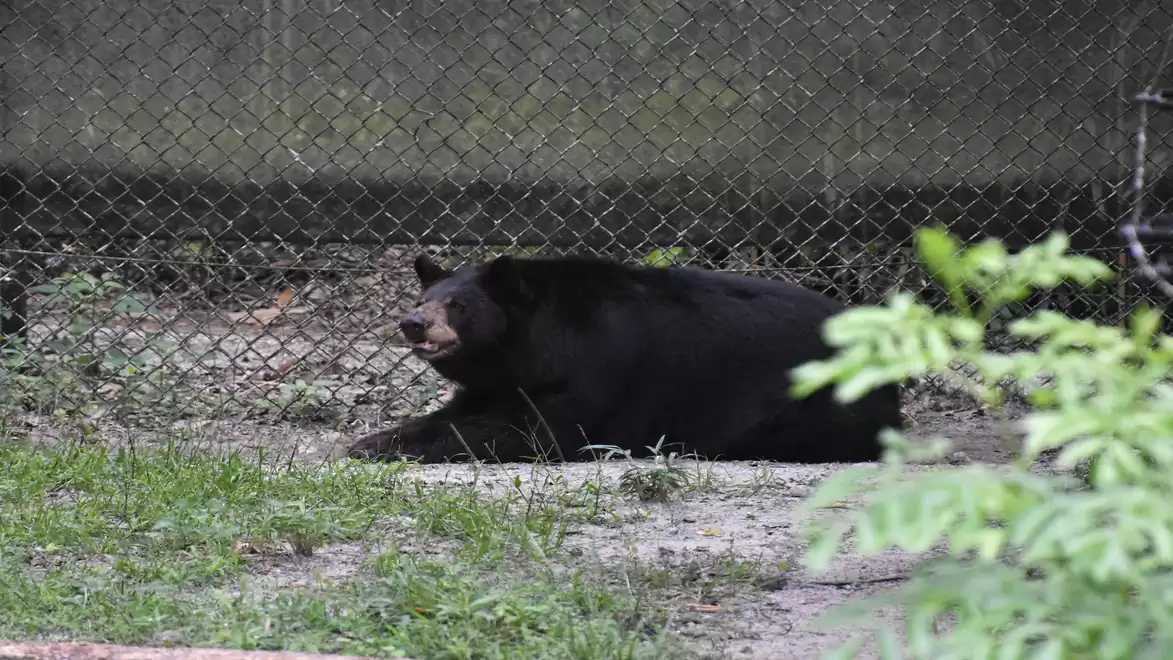
The Florida Black Bear (*Ursus americanus floridanus*) is a subspecies of the American black bear and the largest terrestrial mammal in Florida. Males can weigh up to 300 kilograms (660 pounds), while females are smaller, weighing up to 180 kilograms (400 pounds). Their dense black fur and strong, curved claws enable them to adeptly climb trees, providing both protection and access to food. (Florida Fish and Wildlife Conservation Commission)
Historically, Florida black bears ranged throughout most of Florida and parts of Georgia, Alabama, and Mississippi. Today, they occupy approximately 49% of their original range, primarily in eight isolated regions. Their preferred habitats include extensive forested areas such as pine forests, hardwood hammocks, and swamps. (Florida Museum of Natural History)
As omnivores, the diet of the Florida black bear consists of approximately 80% plant material, including berries, nuts, and fruits. The remaining 20% comprises animal matter, such as insects and small vertebrates. Their strong claws are ideal for digging up
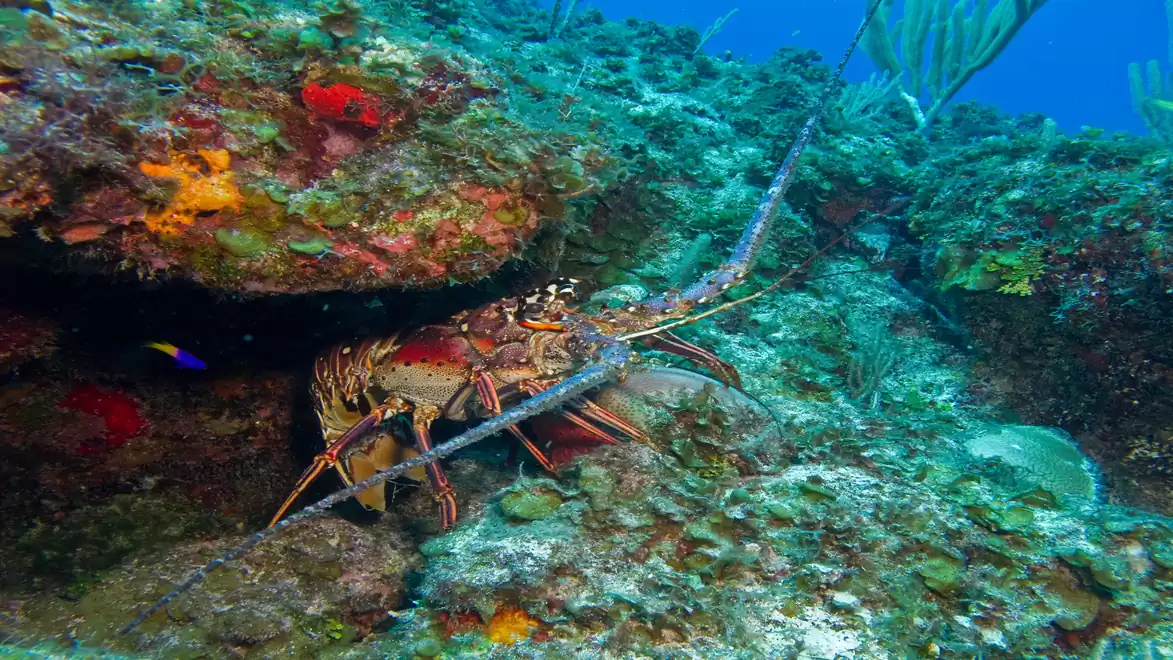
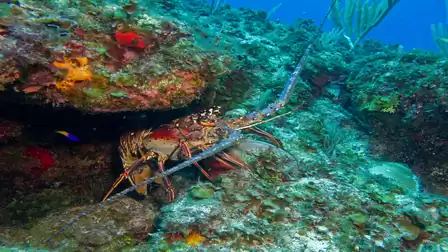
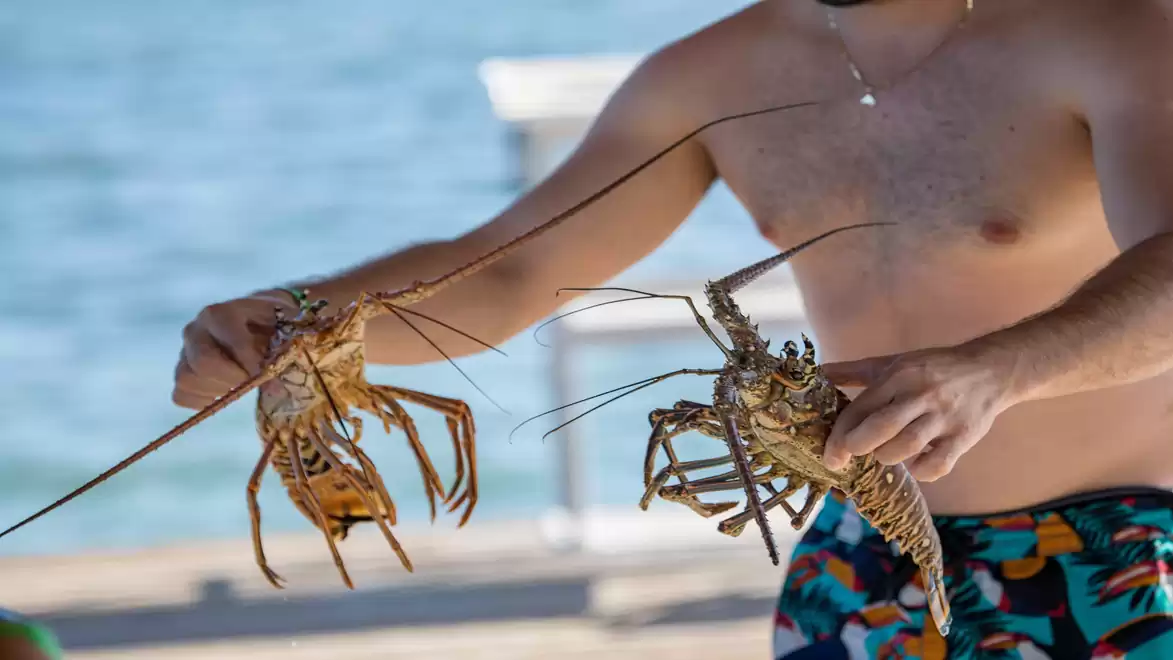
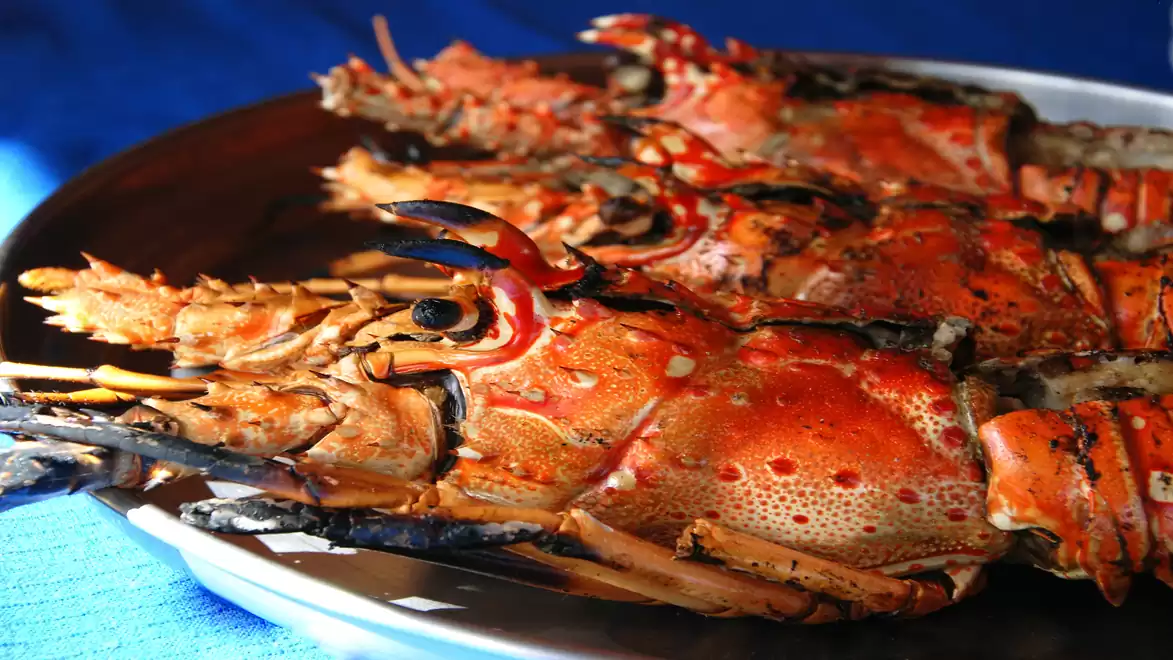
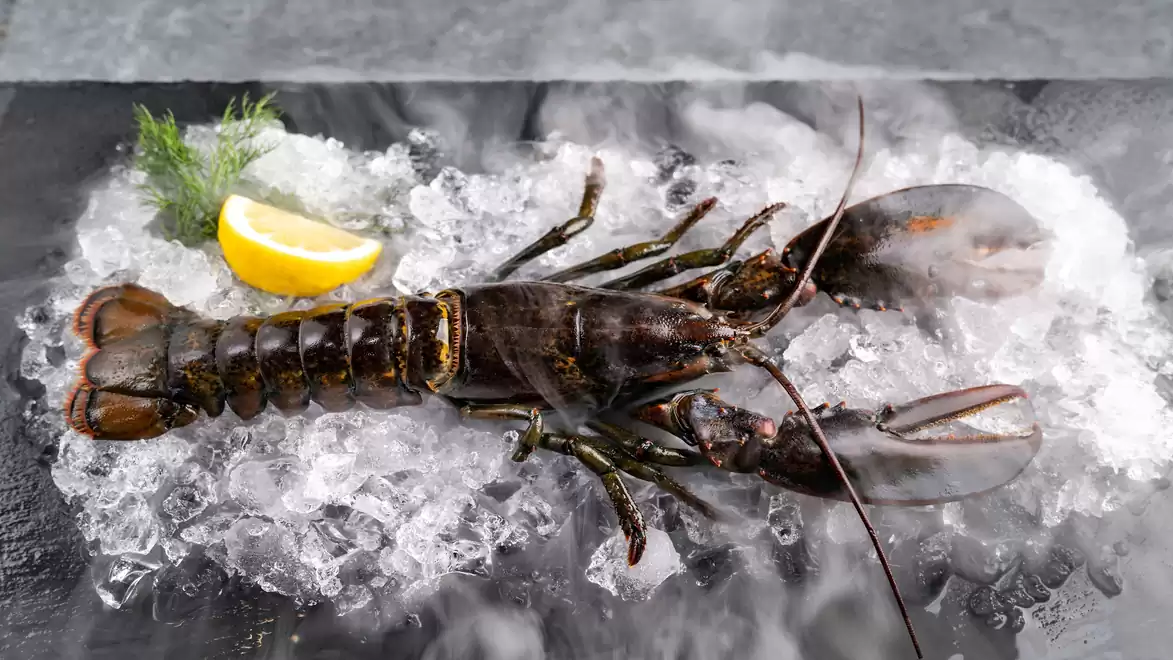
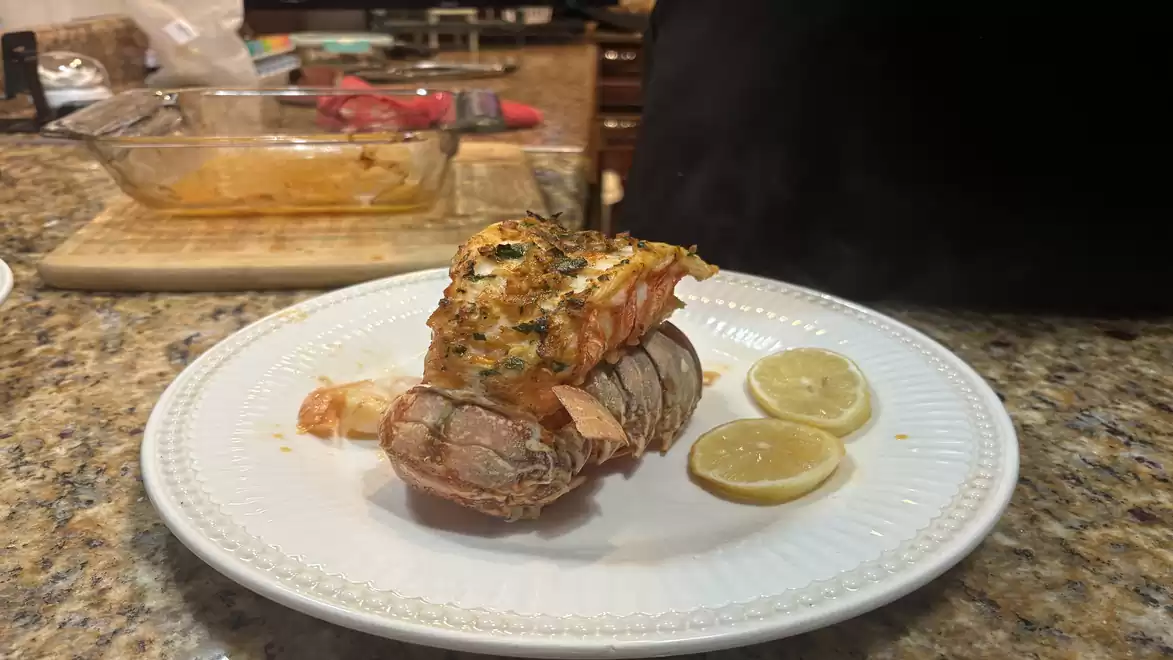
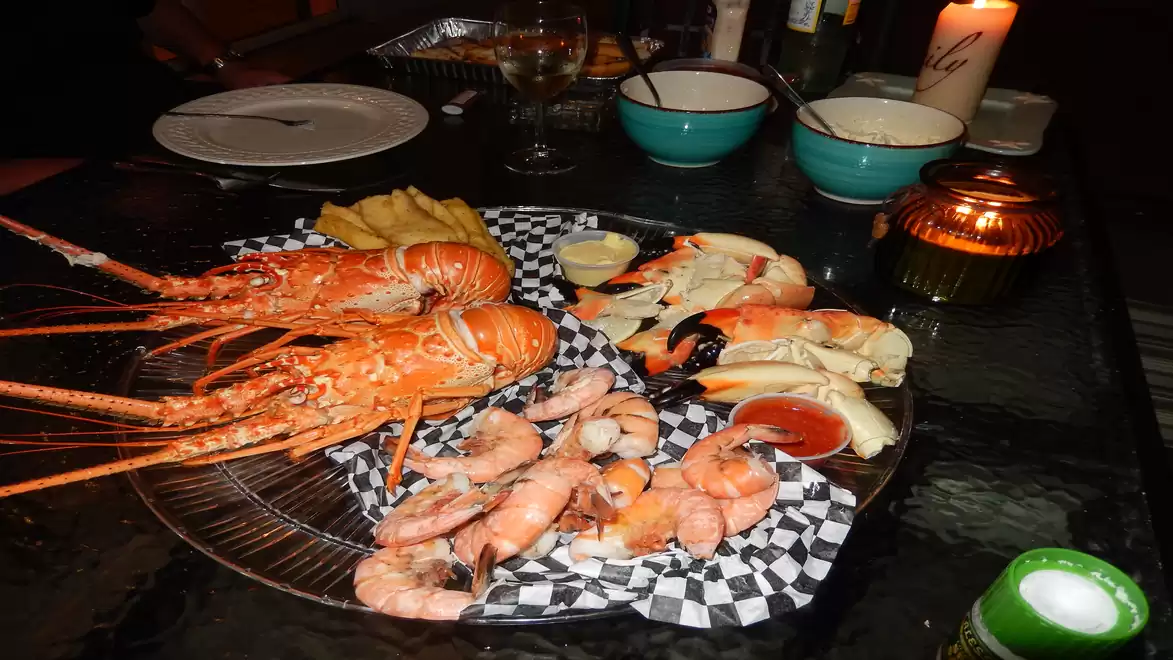
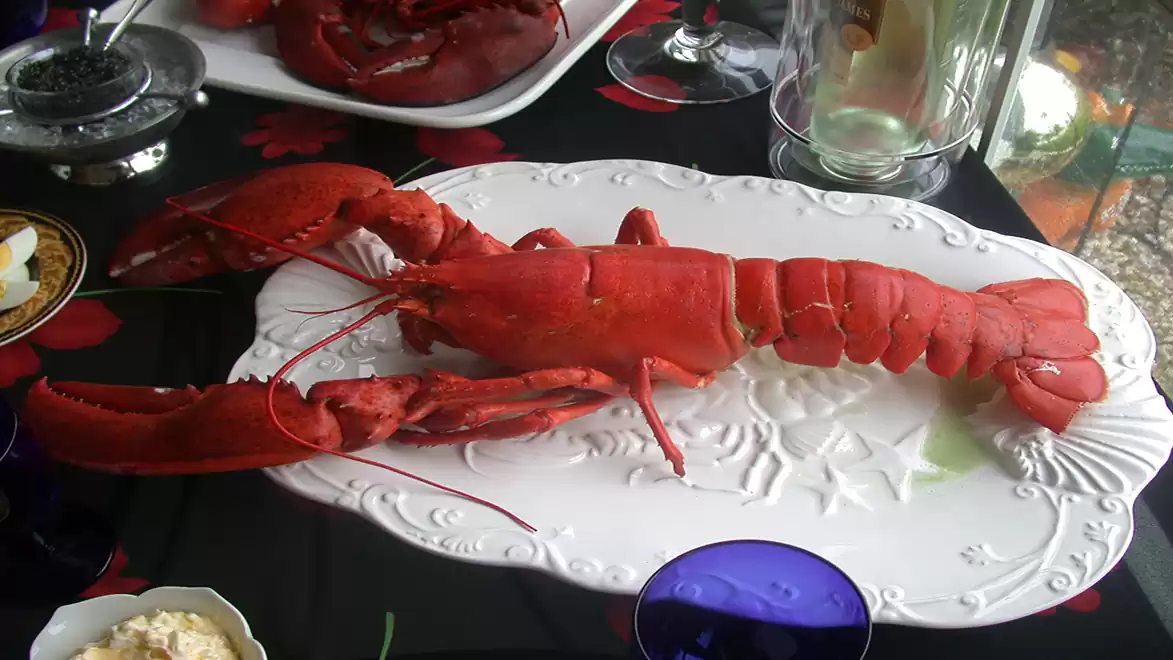
The Florida Lobster, also known as the Spiny Lobster or Florida Crawfish, is a tropical species of lobster that differs from the well-known Maine lobster. Unlike its northern counterpart, the Florida Lobster does not have large claws – its tender, mildly sweet meat is primarily found in the tail. This delicacy is widely enjoyed in Florida’s coastal cuisine and is a staple in many seafood restaurants.
The Florida Lobster thrives in the warm, shallow waters of the Florida Keys, the Gulf of Mexico, and the Caribbean. It can be found among coral reefs, rocky seabeds, and seagrass beds, where it feeds on small marine creatures. To protect the species, strict fishing regulations ensure sustainable harvesting, with specific lobster seasons in place.
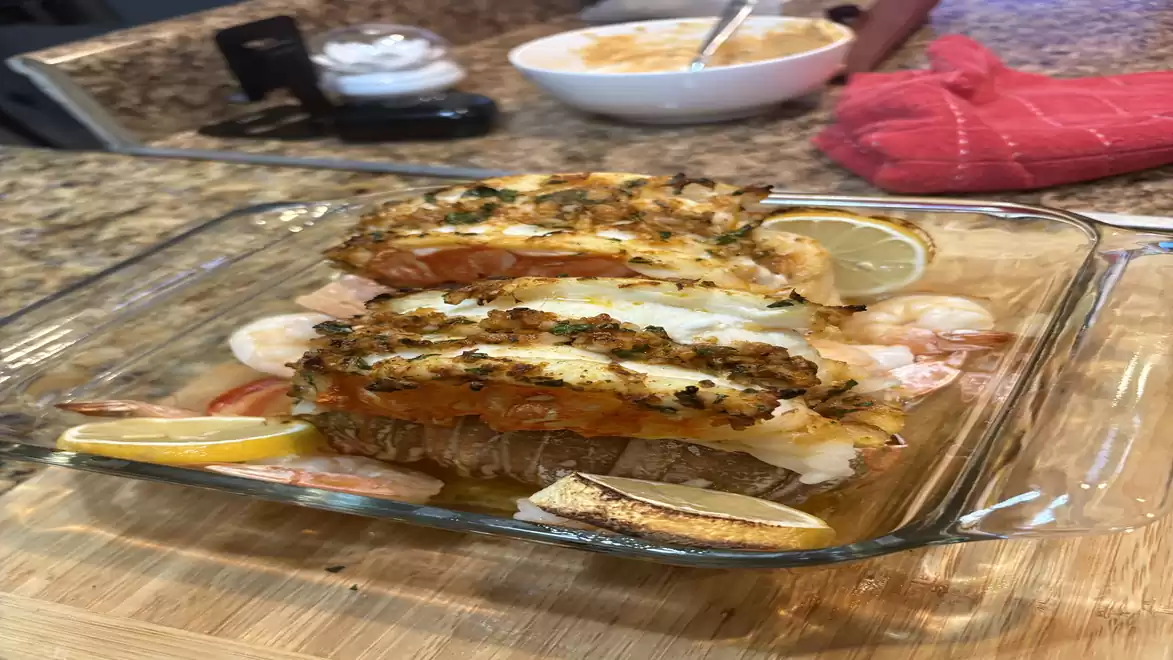
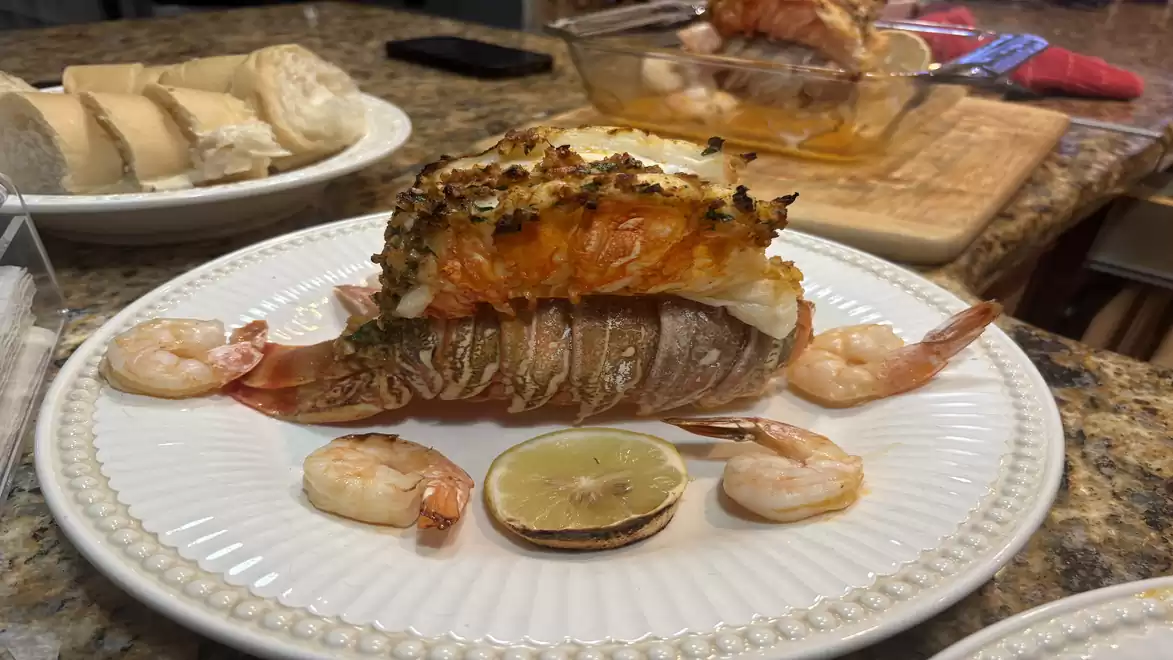
The Florida Lobster is considered a delicacy and is commonly grilled, boiled, or baked. One of the most popular preparations is grilled lobster tail, often served with garlic butter, lemon, and fresh herbs. Florida Lobster is also enjoyed in pasta dishes, tacos, and classic lobster rolls.
For those looking to try fresh Florida Lobster in an authentic setting, these restaurants are highly recommended:
Whether grilled, buttered, or served in a classic lobster roll, the Florida Lobster is an essential part of Florida’s seafood culture, offering a true taste of the region’s maritime lifestyle.
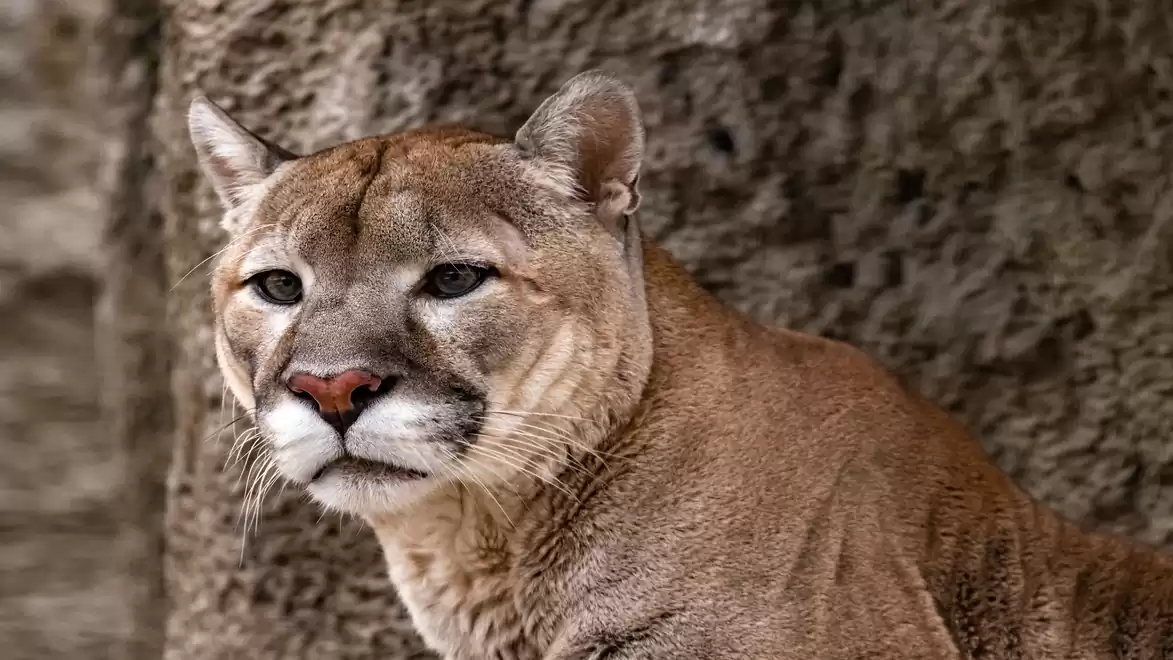
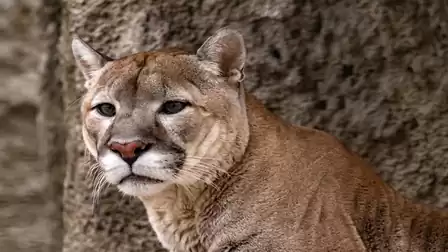
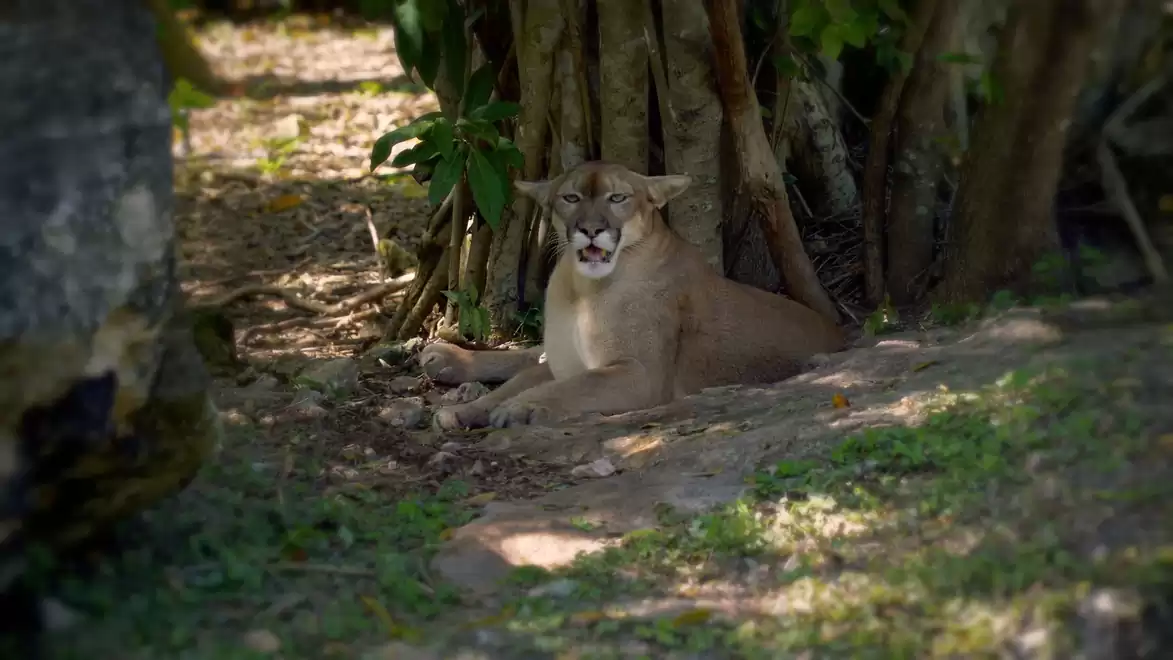
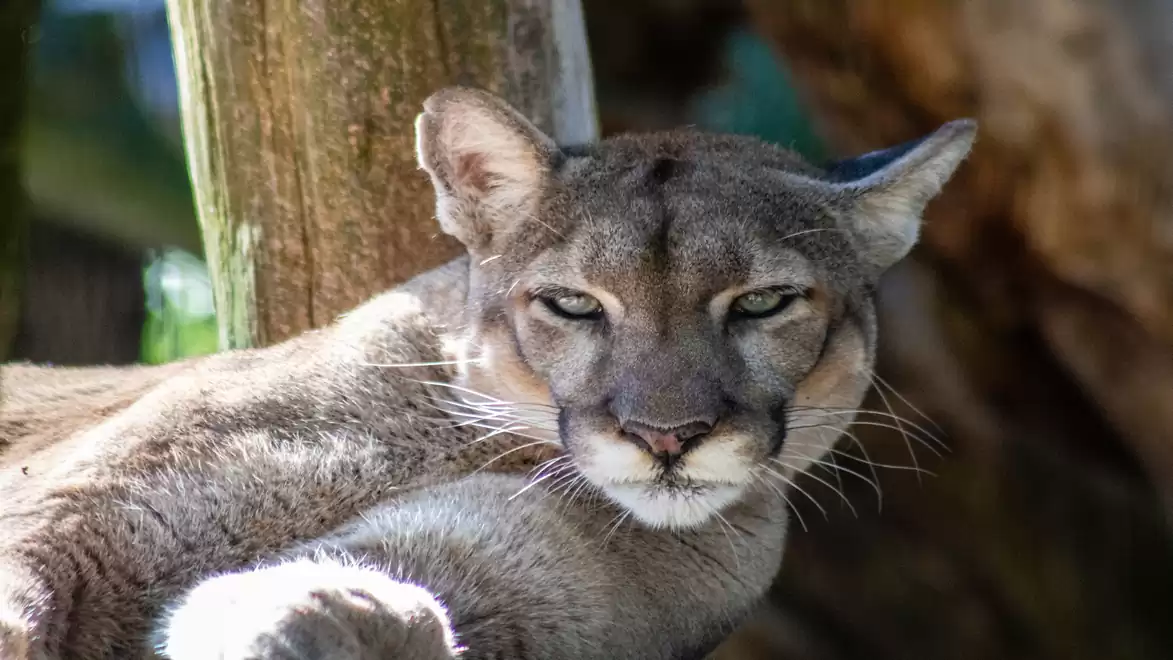
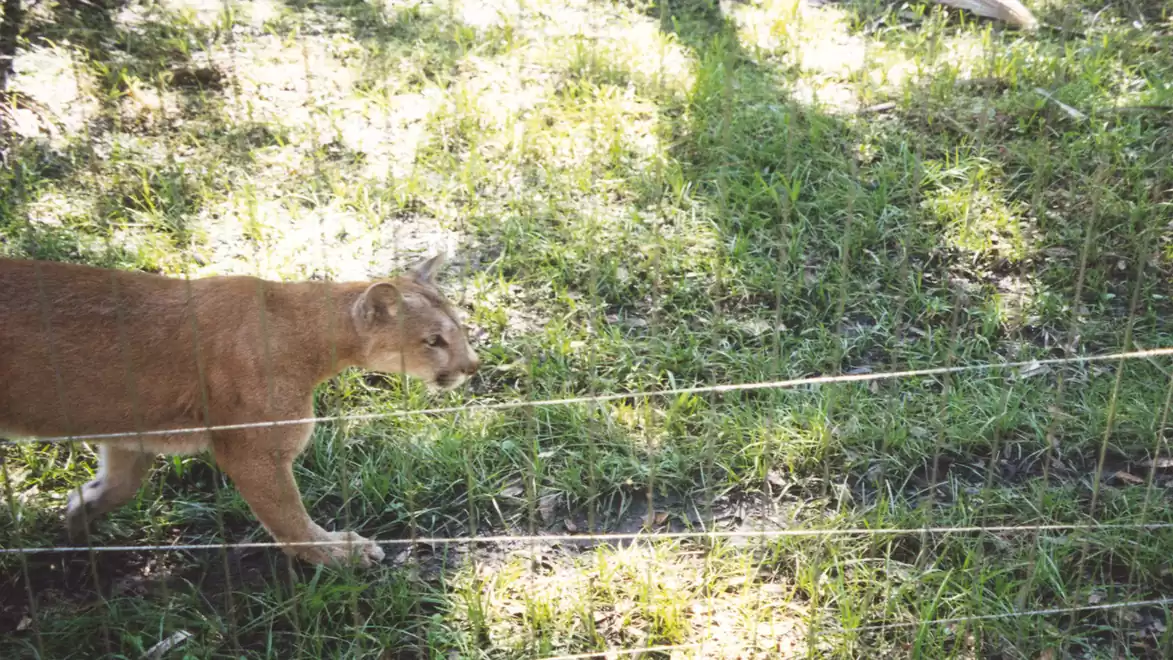
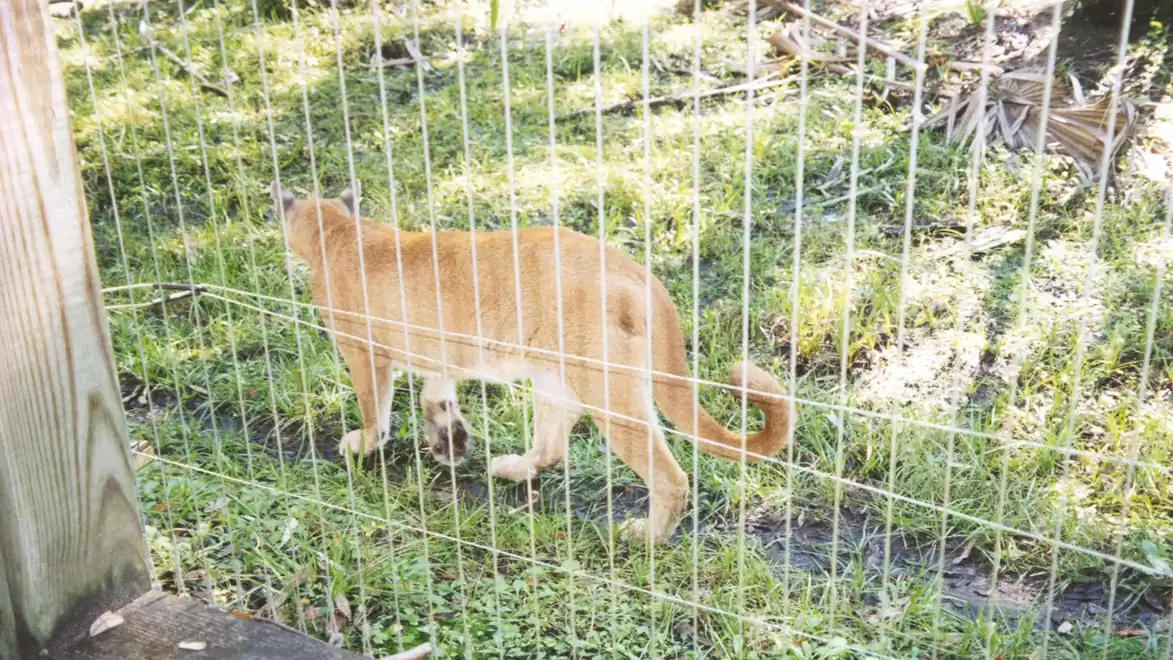
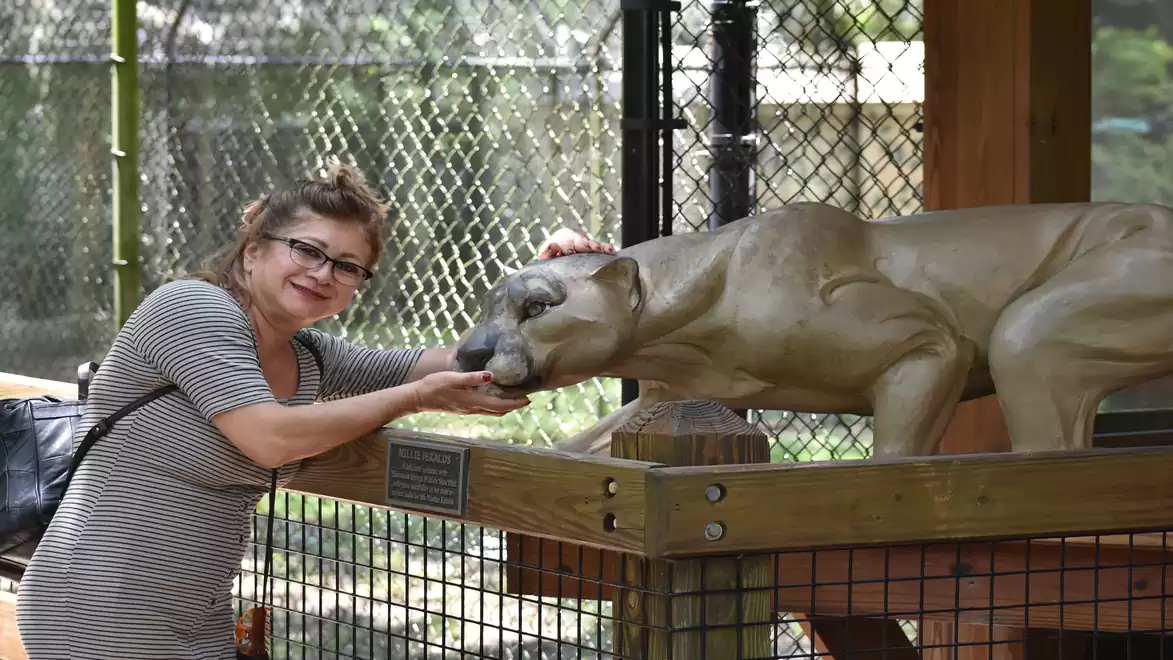
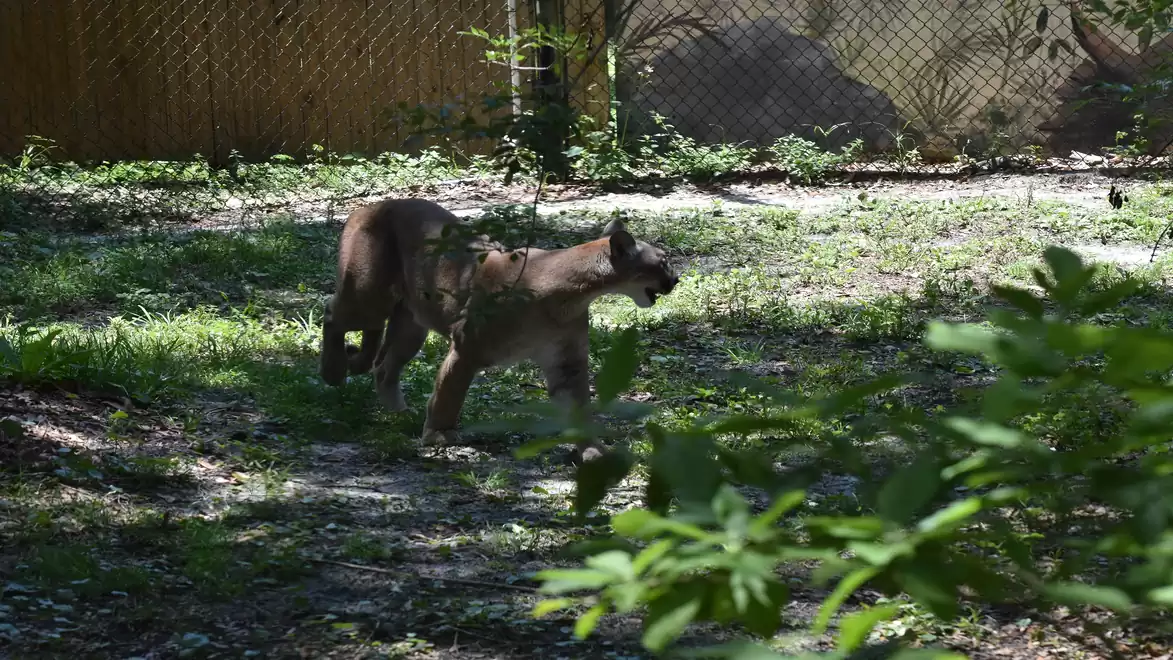
The Florida Panther (*Puma concolor coryi*) is a rare subspecies of the cougar and the official state animal of Florida. This elusive predator is one of the most endangered mammals in North America. The Florida Panther is known for its sandy-colored coat, muscular build, and long tail. Adult males can weigh up to 160 pounds (72 kilograms), while females are slightly smaller and lighter.
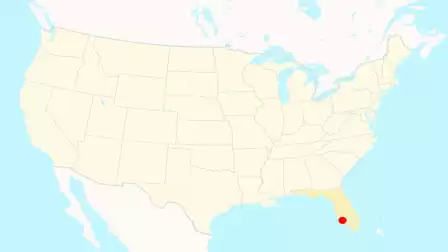
The Florida Panther inhabits pine forests, hardwood hammocks, and wetlands of the Everglades and surrounding nature reserves. It is most commonly found in the Florida Panther National Wildlife Refuge in Naples and the Big Cypress National Preserve. Historically, this species ranged across the southeastern United States, but today, it is mainly confined to South Florida.
As a carnivore, the Florida Panther primarily feeds on white-tailed deer, wild hogs, rabbits, and smaller mammals. It is a stealthy hunter, most active at dawn and dusk. With keen hearing and remarkable agility, it silently stalks its prey before launching a precise attack.
Florida Panthers are solitary animals with large home ranges. Males claim territories of up to 310 square miles (800 square kilometers), while females occupy smaller areas. Mating occurs year-round, peaking in the spring. After a gestation period of about 90 days, the female gives birth to one to four kittens, which stay with her for up to two years.
With an estimated population of fewer than 200 individuals, the Florida Panther is critically endangered. The primary threats include habitat loss due to urban expansion, vehicle collisions, and genetic depletion. Conservation measures focus on establishing wildlife corridors, constructing road overpasses, and restoring natural habitats. Thanks to these efforts, the population is gradually increasing, but continued protection remains essential.
The Florida Panther is one of Florida’s most fascinating wildlife species. Visitors may be lucky enough to spot tracks or even catch a rare glimpse of this majestic predator in protected areas such as Everglades National Park or Big Cypress National Preserve.
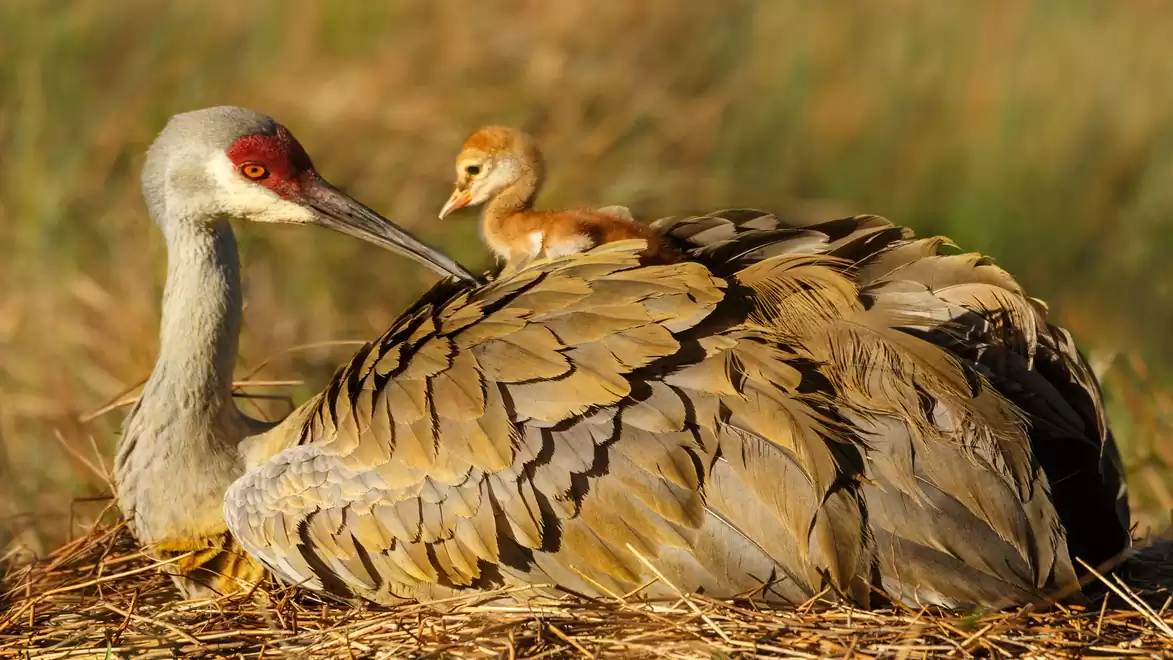
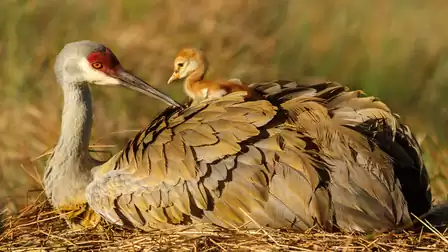
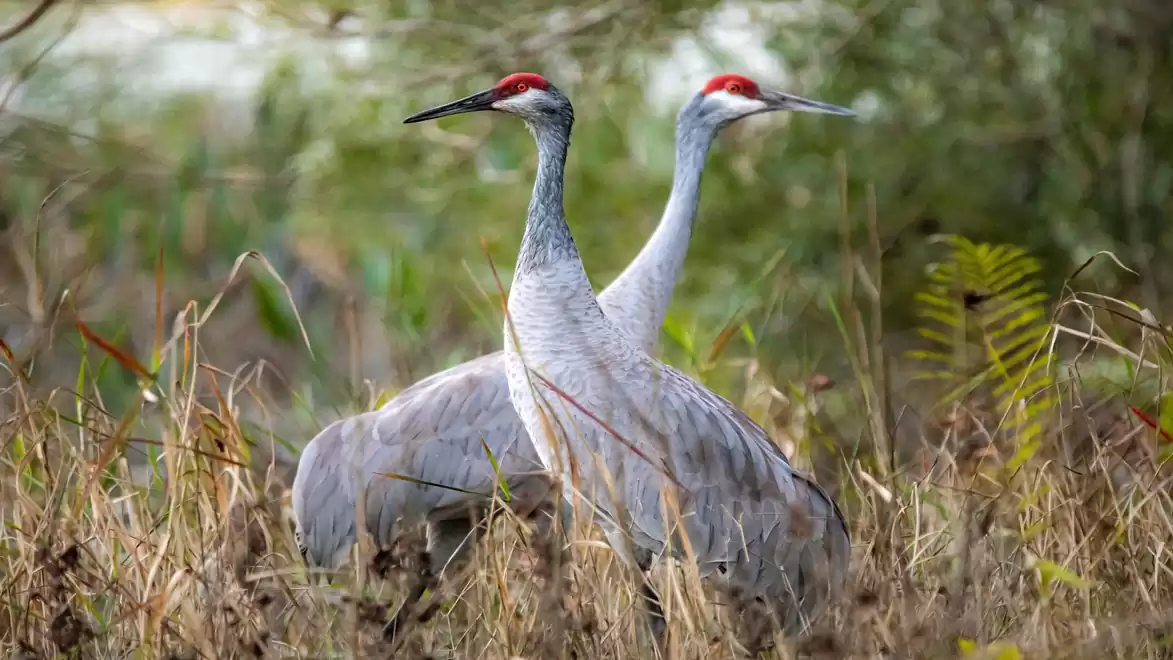
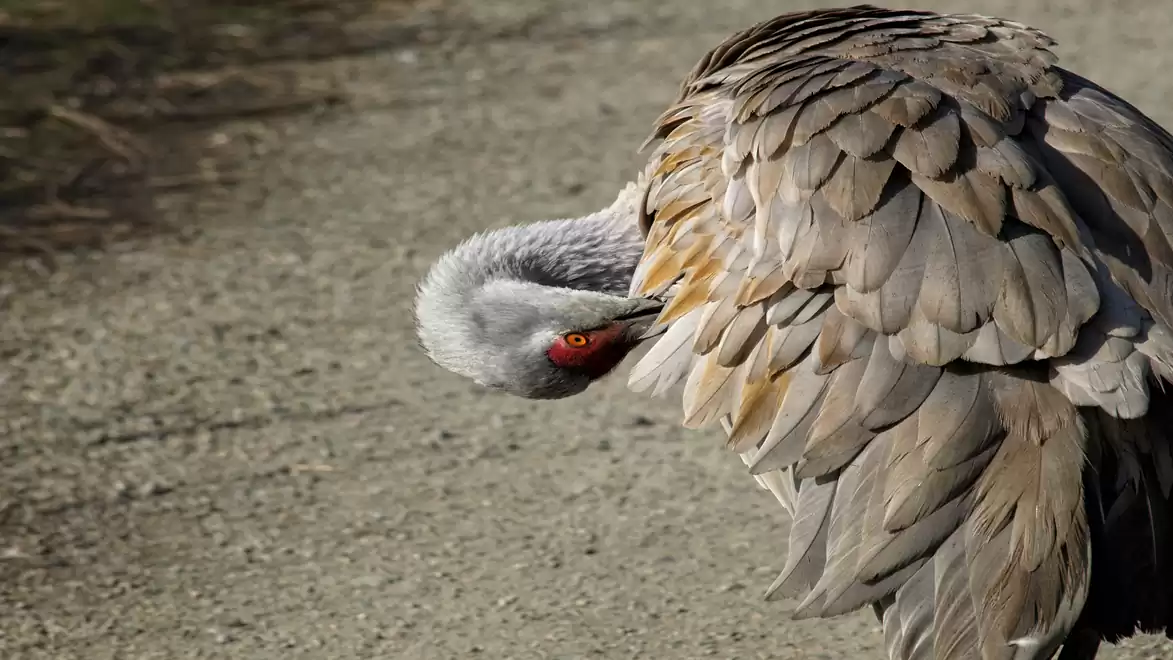
The Florida Sandhill Crane (*Antigone canadensis pratensis*) is an impressive, non-migratory bird species found year-round in Florida. Standing up to 4 feet (1.20 meters) tall with a wingspan of approximately 6.5 feet (2 meters), it is one of the largest birds in North America. Its distinctive red forehead and long, elegant neck make it easy to recognize. The Sandhill Crane’s unmistakable, trumpet-like call can be heard from miles away.
Unlike other Sandhill Cranes that migrate seasonally, the Florida Sandhill Crane remains in the state year-round. It inhabits open wetlands, grasslands, fields, and even urban green spaces. They are most commonly found in Central and Northern Florida, as well as in the Everglades.
These cranes are omnivores, feeding on seeds, insects, frogs, small rodents, and occasionally snakes. They forage by slowly walking and picking up small prey from the ground. One of the most fascinating aspects of their behavior is their courtship dance, which includes jumping, spreading their wings, and seemingly playful interactions.
The Florida Sandhill Crane is known for forming lifelong pair bonds. Courtship begins with elaborate dancing displays that reinforce the bond between mates. Their nests are built in shallow waters or marshy areas using grass and twigs. A typical clutch consists of one or two eggs, which are incubated by both parents. The chicks are ready to fly after about ten weeks. With a lifespan of around 30 years, Sandhill Cranes are among the longest-living birds in North America.
The Florida Sandhill Crane is not only a majestic sight but also a symbol of Florida’s wild landscapes. Visitors can observe these birds in national parks, on farmlands, and even in residential areas. Their striking calls and graceful movements make them an unforgettable part of Florida’s rich wildlife.
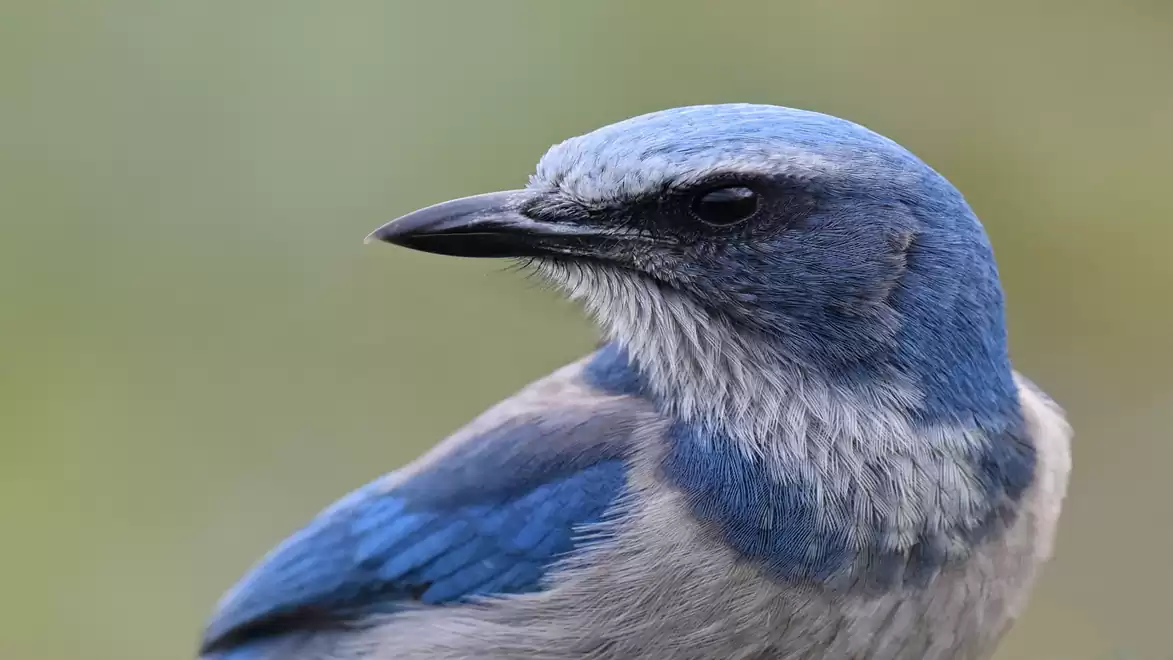
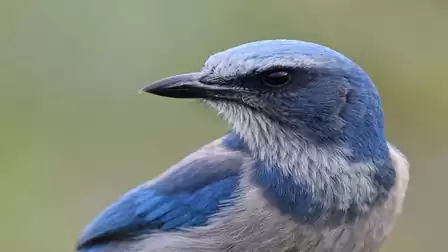
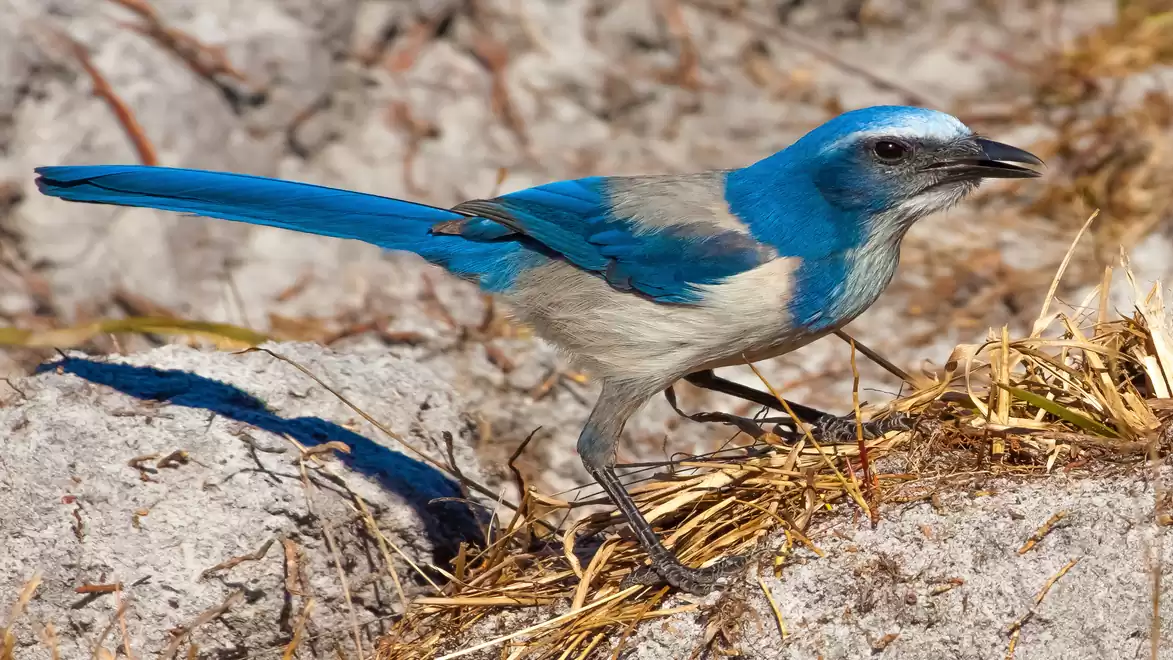
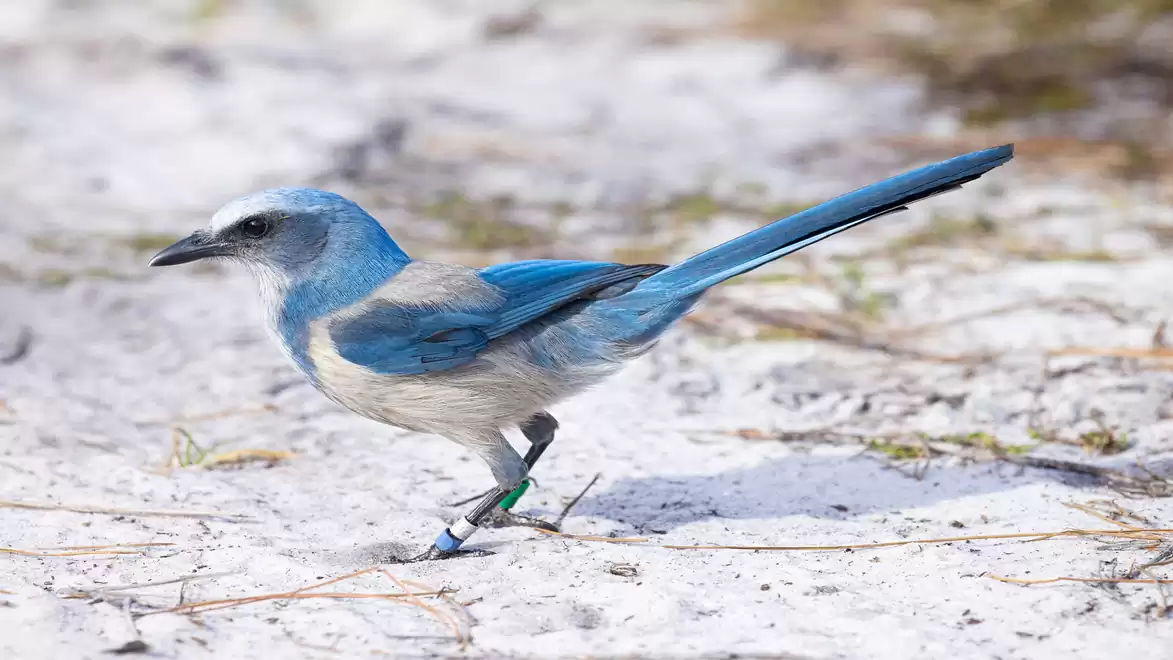
The Florida Scrub-Jay (*Aphelocoma coerulescens*) is the only bird species exclusively found in the U.S. state of Florida. Measuring about 23 to 28 centimeters in length, it features a blue head, wings, and tail, with a gray back and underparts. Its whitish forehead is also distinctive. (All About Birds)
The Florida Scrub-Jay exclusively inhabits Florida's scrublands, particularly areas with sandy soils and low-growing oak vegetation. This specific habitat preference makes it particularly vulnerable to habitat loss due to urbanization and agricultural use. (Audubon Field Guide)
These birds are known for their cooperative breeding behavior, where juveniles from previous broods assist parents in raising new chicks. Their diet primarily consists of insects, fruits, and seeds. Additionally, they store food by burying acorns in the ground, which they retrieve during lean periods. (All About Birds)
Due to the loss of their specific habitat, the population of the Florida Scrub-Jay has declined significantly in recent decades. It is currently classified as a threatened species. Conservation efforts include preserving and restoring scrubland habitats and public awareness campaigns. (Florida Fish and Wildlife Conservation Commission)

Florida is known as the „Sunshine State“ for a reason. With an average of over 300 sunny days per year, this southeastern U.S. state offers warm weather year-round and a tropical-mediterranean climate.
The name was officially introduced in the 1970s and can still be found on state license plates. However, long before that, Florida was famous for its pleasant climate, stunning beaches, and sunny weather. The endless sandy beaches on the Gulf Coast and Atlantic Coast, lush vegetation, and popular vacation spots make Florida a dream destination for visitors from around the world.
Despite its beautiful climate, Florida also faces challenges. During summer, high humidity leads to sudden thunderstorms, and from June to November, it is officially hurricane season. Nevertheless, Florida remains a place associated with sunshine, joy, and a vacation vibe.
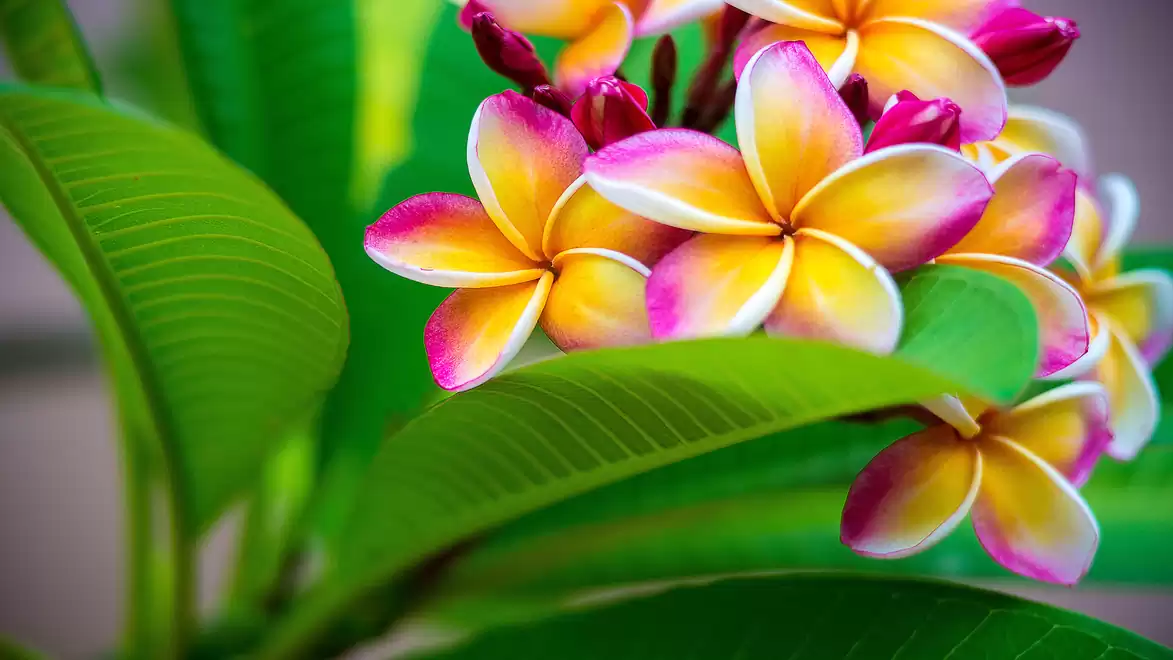
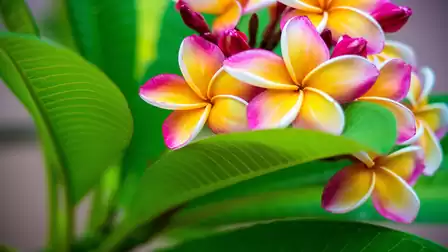
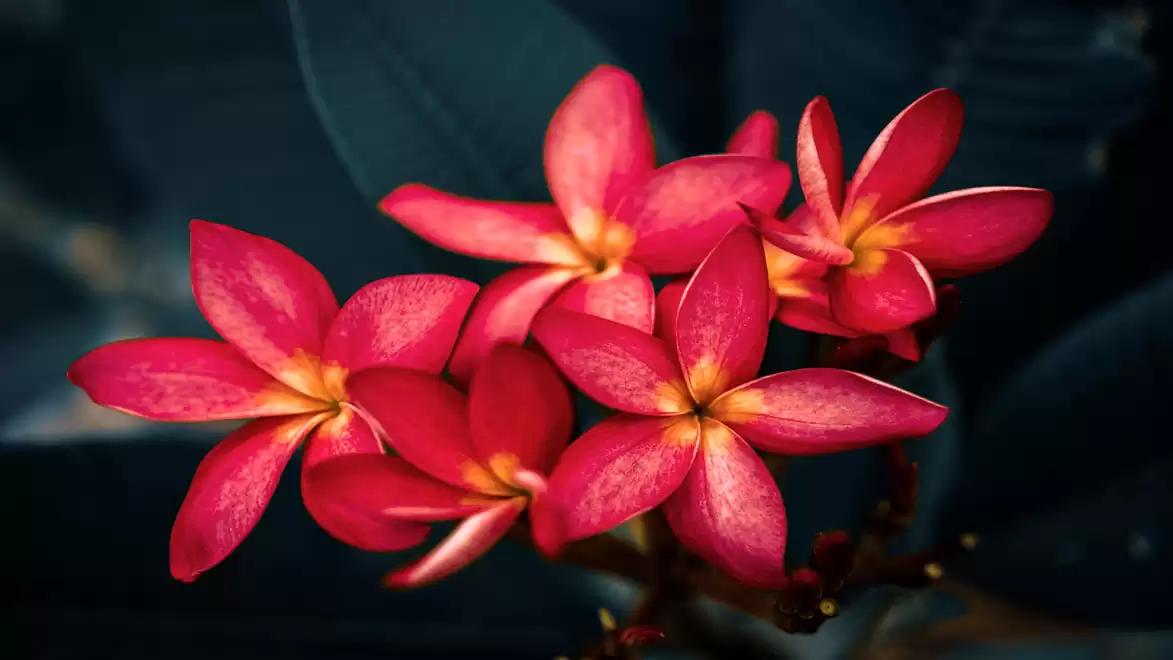
The Frangipani (*Plumeria*), also known as the Temple Tree, is a small, sun-loving tree famous for its intensely fragrant, spiral-shaped flowers. Blooming from spring to fall, these blossoms come in vibrant shades of white, yellow, pink, red, or violet. Particularly in Hawaii, it is well known for its use in crafting traditional leis (flower necklaces). (UF/IFAS Gardening Solutions)
The Frangipani grows as a small tree or large shrub, reaching heights of 4 to 6 meters (13 to 20 feet) in Florida. It thrives in full sun and well-draining soils. While it is drought-tolerant, it benefits from moderate watering during hot months. (RHS Gardening Guide)
During the blooming season, Frangipani flowers emit an enchanting fragrance, especially in the evenings. In winter, the tree sheds its leaves—this is a natural process that does not affect its spring regrowth. (Better Homes & Gardens)
The Frangipani is ideal for gardens, patios, and container planting. In cooler regions, it should be brought indoors during winter or protected from frost. Regular pruning encourages a bushier growth habit. (Wikipedia)
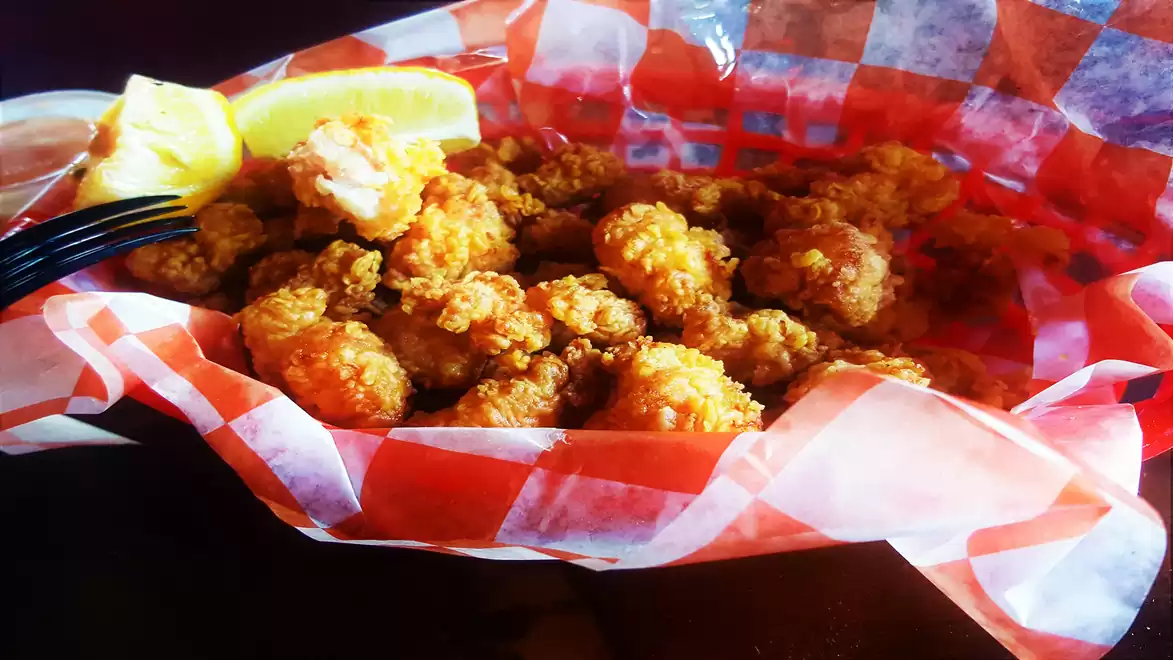
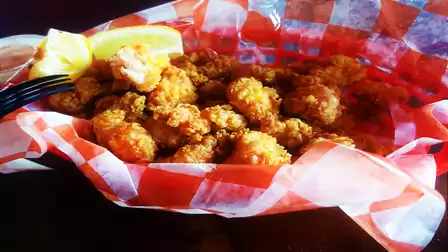
Gator Bites are one of the most famous culinary specialties in Florida, offering a unique experience for adventurous food lovers. These crispy bites of alligator meat are particularly popular in the Everglades region and along the Gulf Coast, where they are featured on many restaurant menus. The meat typically comes from young alligators raised on sustainable farms. It is lean, high in protein, and has a tender, slightly sweet taste that is often compared to a mix of chicken and fish.
Depending on the restaurant and location, Gator Bites are served in different ways:
Some restaurants also offer creative variations such as Gator Tacos or Gator Nuggets.
If you want to sample Gator Bites during your trip to Florida, check out these locations:
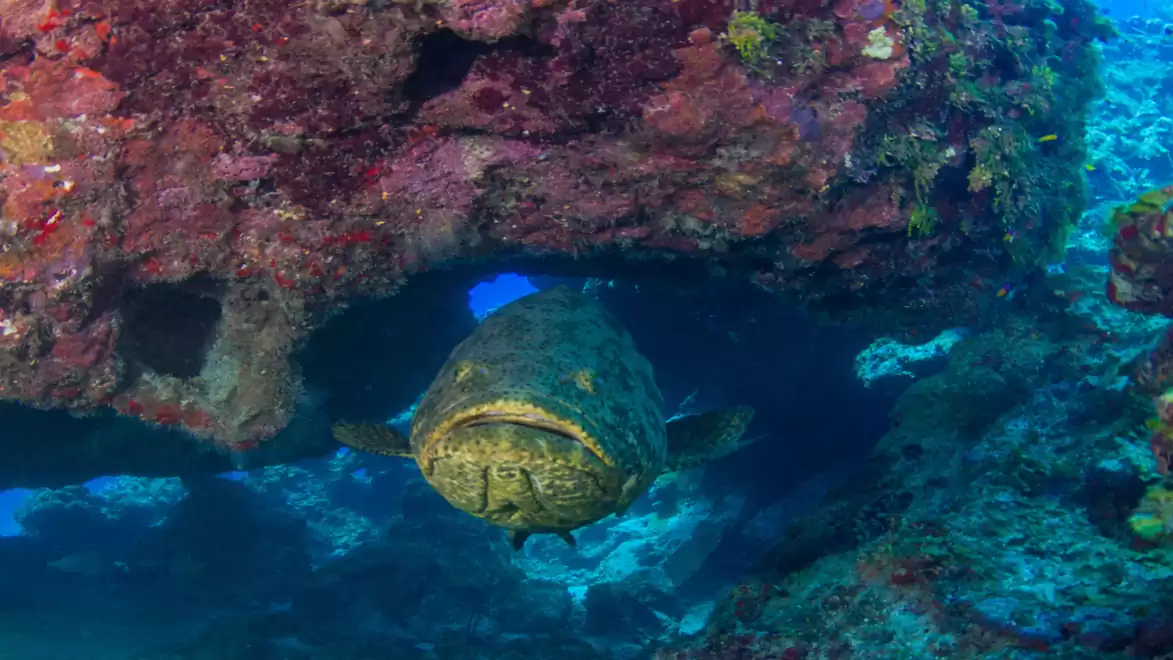
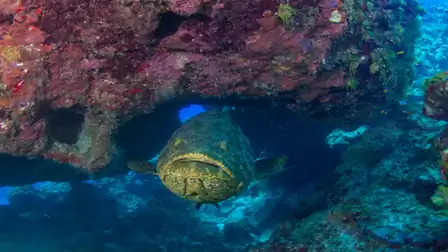
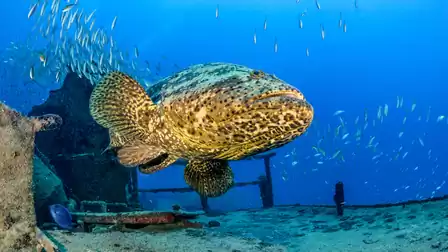
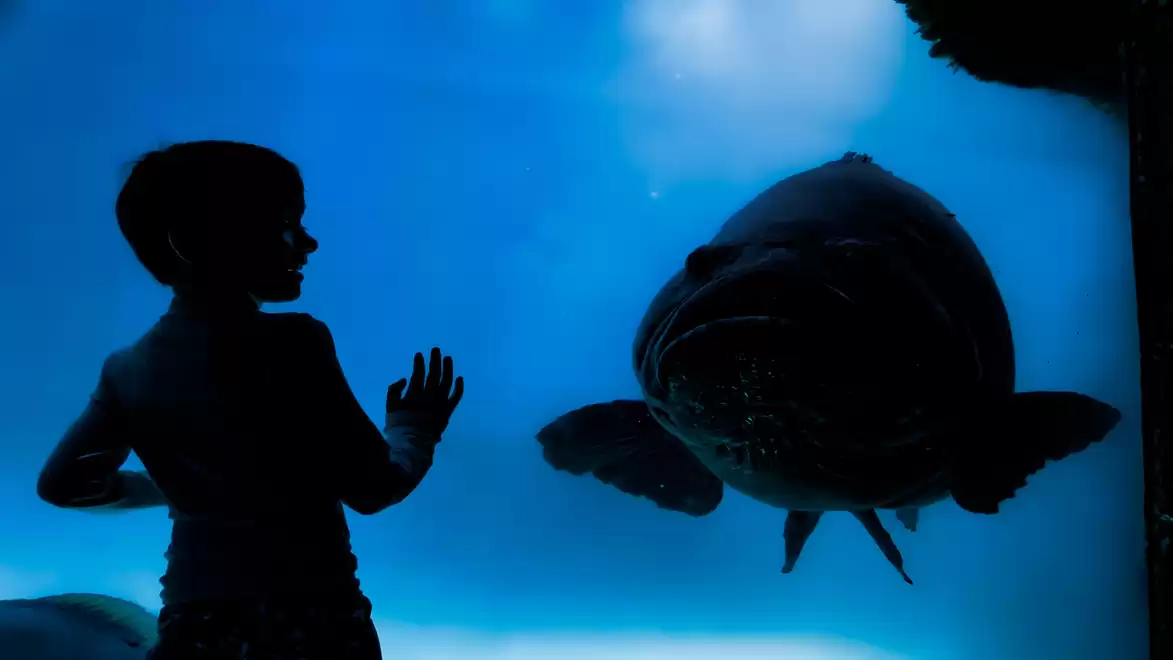
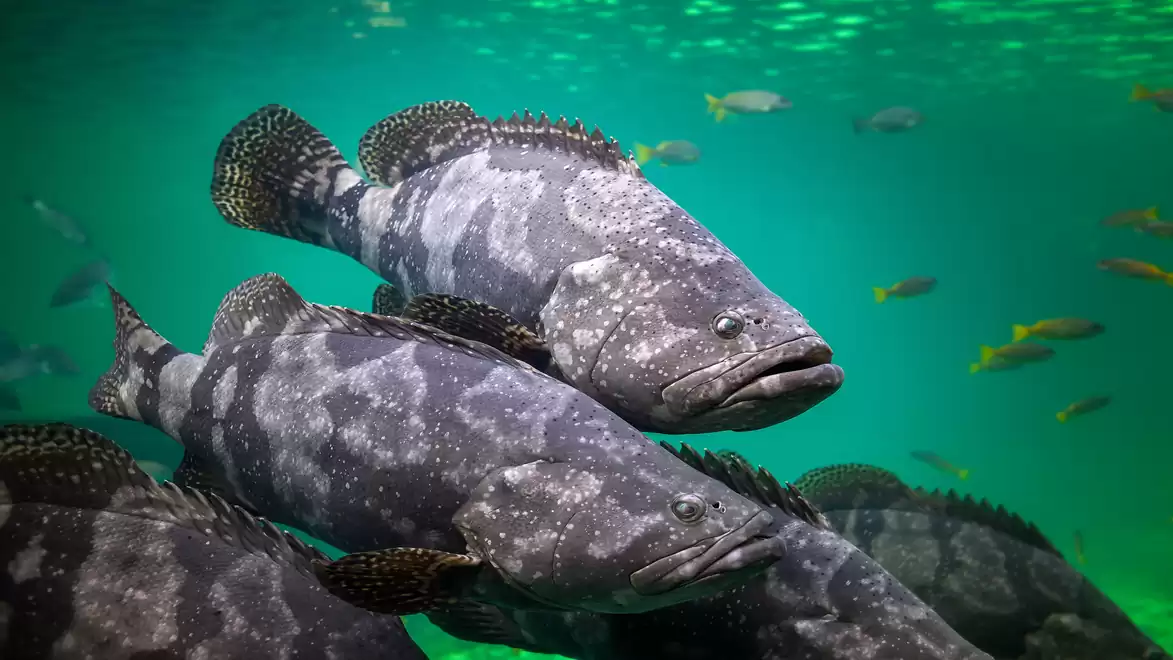
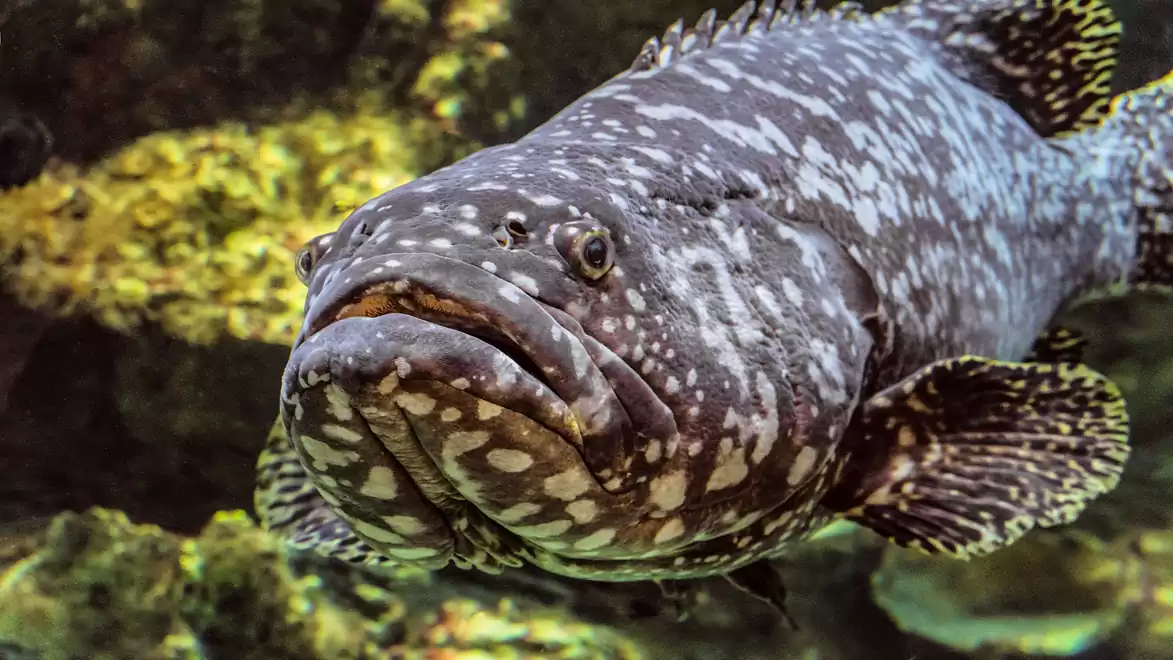
The goliath grouper (Epinephelus itajara) is the largest grouper species in the western Atlantic. Reaching lengths of up to 8.2 feet (2.5 meters) and weights of up to 800 pounds (363 kilograms), this fish is known for its massive size. (Florida Museum of Natural History)
On May 20, 1961, angler Lynn Joyner caught a goliath grouper weighing 680 pounds (approximately 308.44 kilograms) in Fernandina Beach, Florida. This specimen held the record for the largest goliath grouper caught in Florida for many years. (A-Z Animals)
Goliath groupers inhabit shallow coastal waters with coral and rocky reefs, mangrove areas, and shipwrecks at depths ranging from 5 to 50 meters. Their distribution extends from the coasts of Florida through the Gulf of Mexico, the Caribbean, and down to Brazil. (Wikipedia)
Goliath groupers are opportunistic feeders, primarily consuming crustaceans such as lobsters and crabs, as well as fish, octopuses, and even young sea turtles. Due to their size and strength, they have few natural predators. (Florida Museum of Natural History)
Due to intense fishing in the past, goliath grouper populations declined significantly. Consequently, protective measures have been implemented in the USA since 1990, leading to a gradual recovery of their numbers. However, due to their slow reproduction rate and specific habitat requirements, the species remains vulnerable to environmental changes. (Wikipedia)
The goliath grouper is an impressive inhabitant of the western Atlantic waters, and its protection is crucial to maintaining the ecological balance in its habitats.
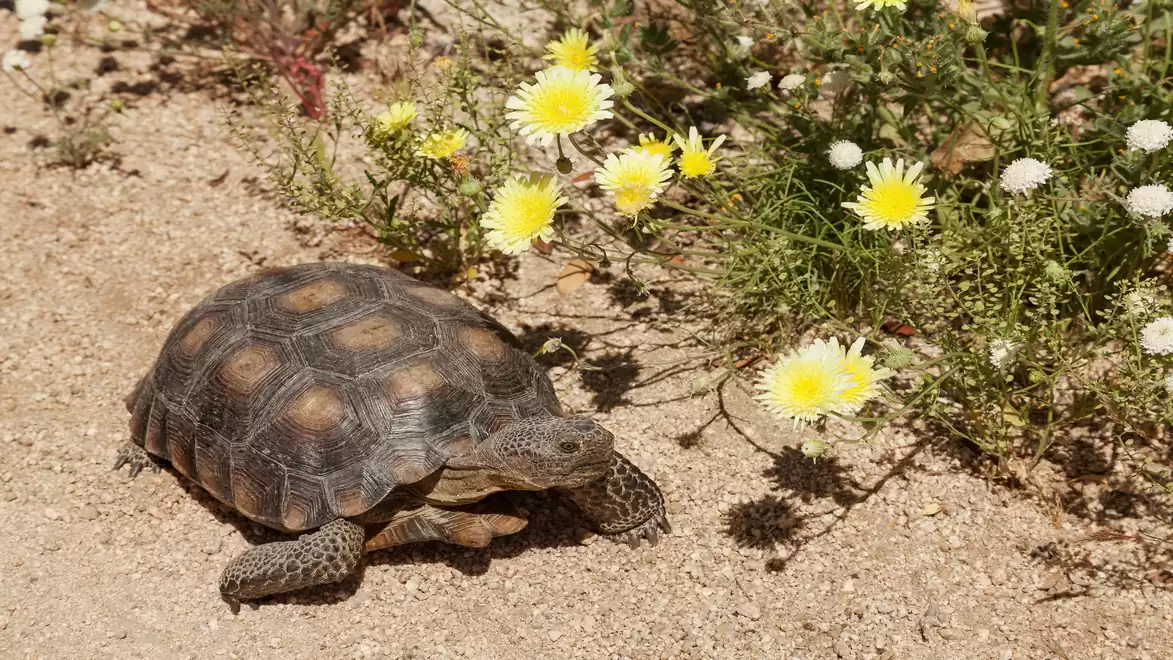
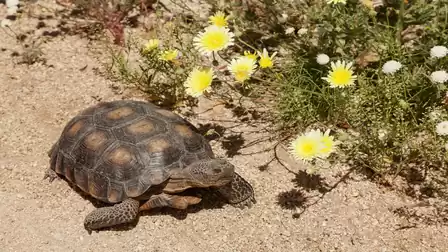
The Gopher Tortoise (*Gopherus polyphemus*) is the only native land tortoise species in the United States, particularly in Florida. Although they resemble sea turtles, they cannot swim. Therefore, it is crucial not to "return" them to the water. (Wikipedia: Gopher Tortoise)
Gopher Tortoises dig deep burrows in sandy soils, reaching lengths of up to 12 meters and depths of up to 3 meters. These burrows not only serve as their shelter but also provide habitat for over 350 other species, including opossums, rabbits, and snakes, making them a keystone species in their ecosystem. (Wikipedia: Gopher Tortoise)
The Gopher Tortoise is found in the southeastern United States, from South Carolina to the Florida peninsula and westward to Louisiana. They prefer dry landscapes such as coastal dunes, sandy ridges, forests with longleaf pines, and dry prairies. (Animalia: Gopher Tortoise)
These tortoises are herbivores, primarily feeding on grasses, herbs, and fruits. They are known for their strong forelimbs, which are ideal for digging, earning them the reputation of "underground architects." (Wikipedia: Gopher Tortoise)
Due to habitat loss and other threats, the Gopher Tortoise is listed as vulnerable on the IUCN Red List. In some U.S. states, they are considered threatened or endangered, highlighting the importance of their protection. (Wikipedia: Gopher Tortoise)

Gordon Lewis is one of the most well-known golf course architects in Florida and the southeastern United States. Since the 1980s, he has designed over 80 golf courses, many of them located in Southwest Florida including Cape Coral, Naples, and Fort Myers.
His golf courses are recognized for:
Among his best-known designs are:
For golf enthusiasts in Southwest Florida, a course by Gordon Lewis is often a hallmark of quality. His style combines smart design with natural beauty, perfectly suited to the region’s subtropical climate.
The Great Blue Heron (*Ardea herodias*) is the largest heron native to North America. It stands up to 54 inches tall with a wingspan of up to 79 inches. Despite its impressive size, it weighs only about 5 to 6 pounds, thanks to its hollow bones. (All About Birds)
The Great Blue Heron inhabits a wide range of wetland environments across North and Central America, as well as the Caribbean and northwestern South America. It can be found in both freshwater and saltwater habitats, including riverbanks, lake shores, marshes, and mangrove swamps. Its adaptability allows it to thrive in various climates, from the temperate regions of Canada to the tropical areas of Central America. (Audubon Field Guide)
The Great Blue Heron is an opportunistic feeder, primarily consuming fish but also preying on amphibians, reptiles, small mammals, and occasionally other birds. It typically hunts by standing still in shallow water, waiting for prey to come within striking distance, or by slowly wading to stalk its prey. With its sharp, dagger-like bill, it swiftly strikes to capture its meal. (All About Birds)
Great Blue Herons nest in colonies known as heronries, often in tall trees near water sources. The nests are large platforms made of sticks and twigs. Both parents share the responsibilities of building the nest, incubating the eggs, and feeding the chicks. The breeding season varies by geographic location but typically occurs in the spring and early summer. (Audubon Field Guide)
The Great Blue Heron is an iconic bird, admired for its grace, patience, and adaptability. Its ability to thrive in a variety of environments makes it a common sight in America's wetlands and an essential part of the ecosystem.
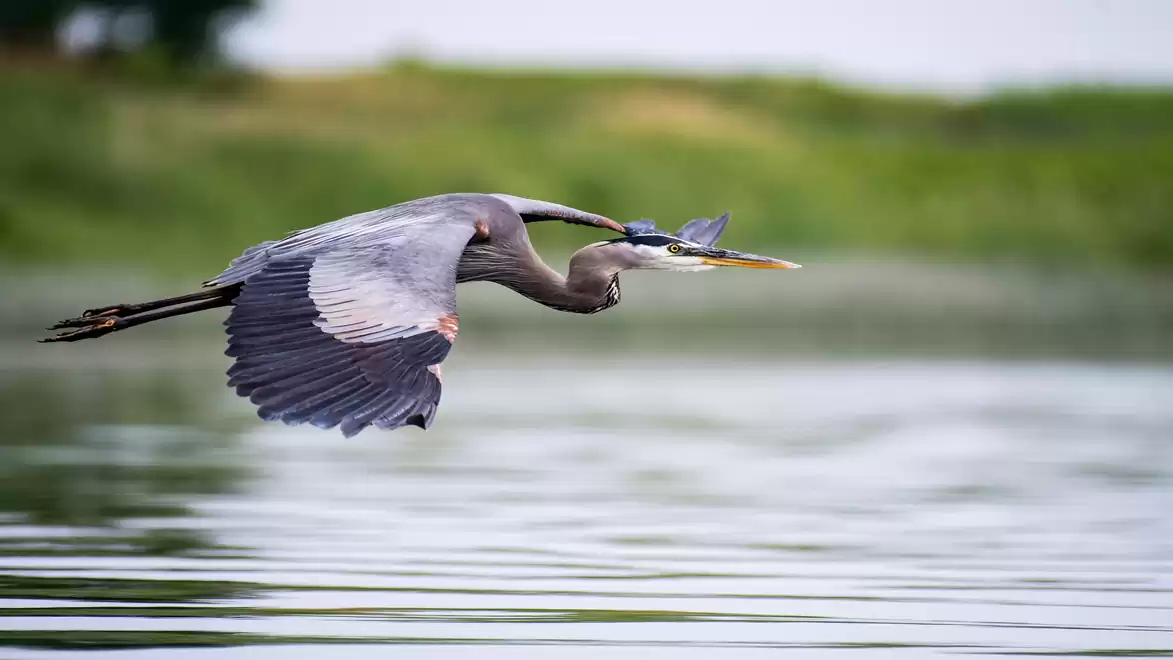
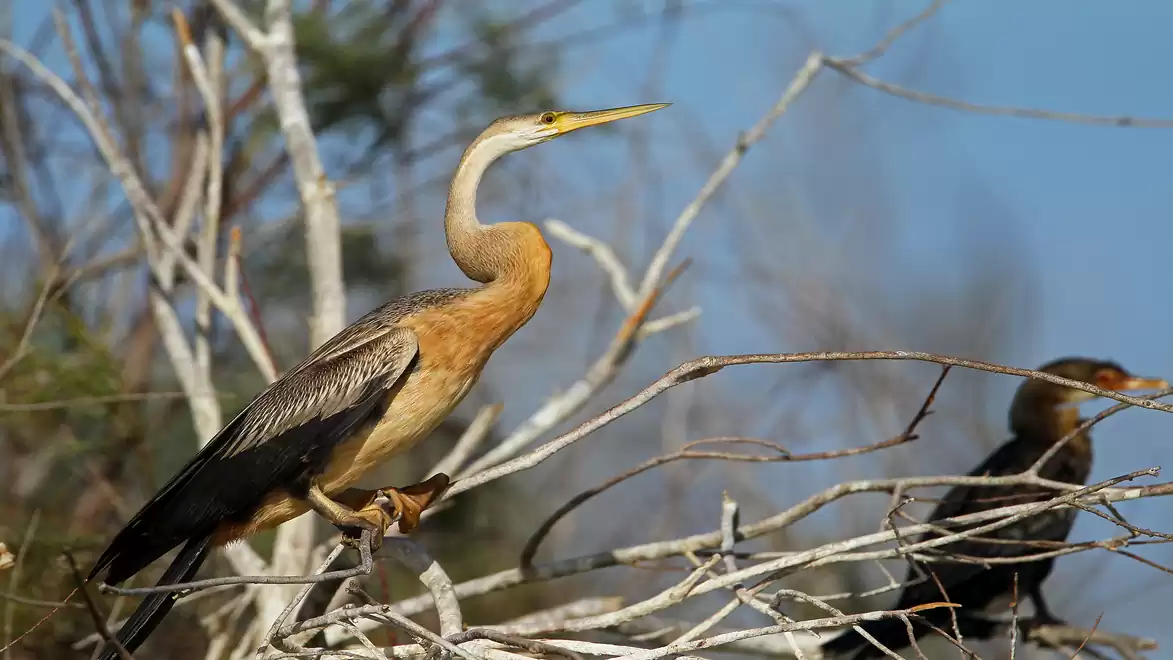
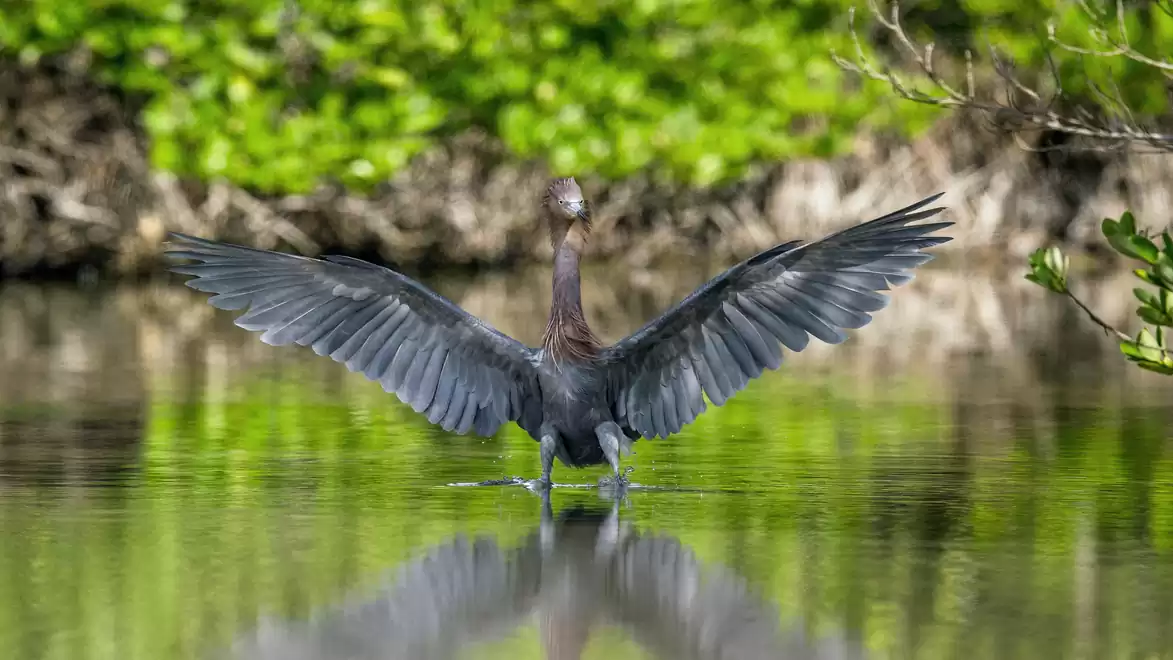
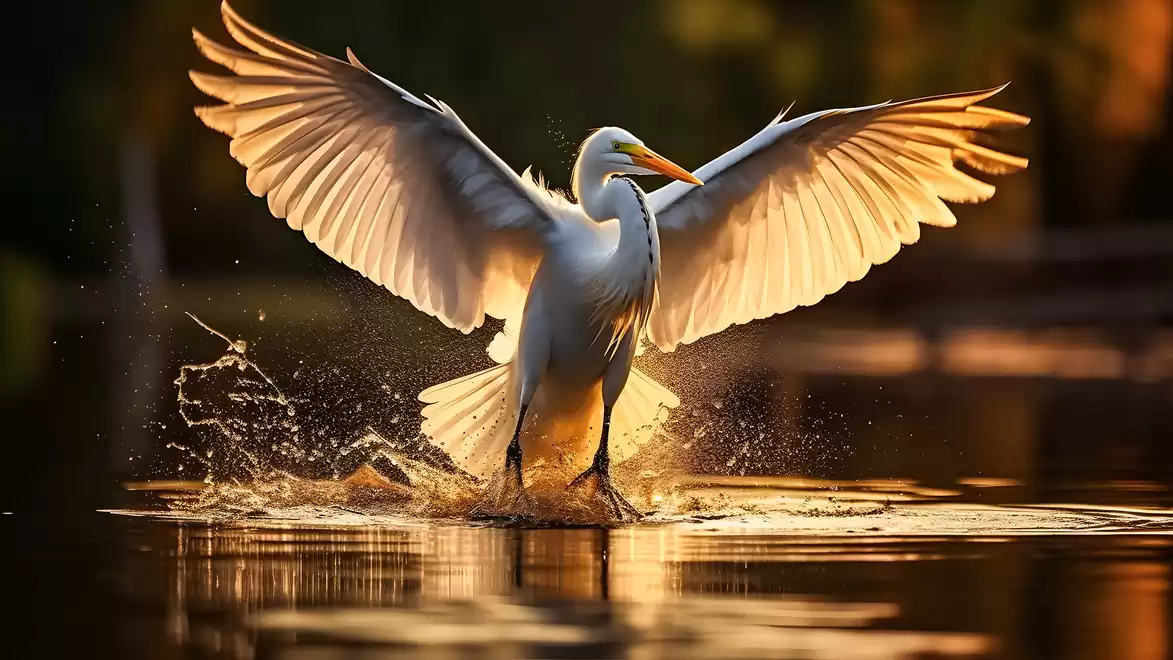
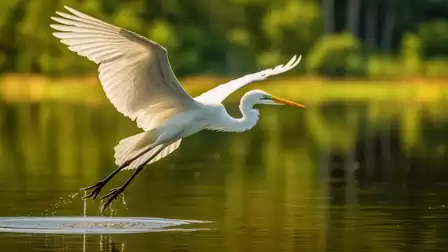
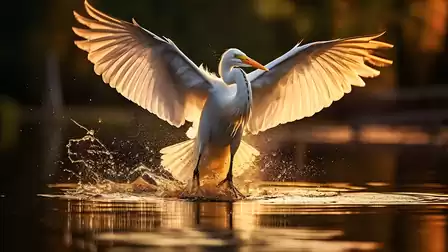
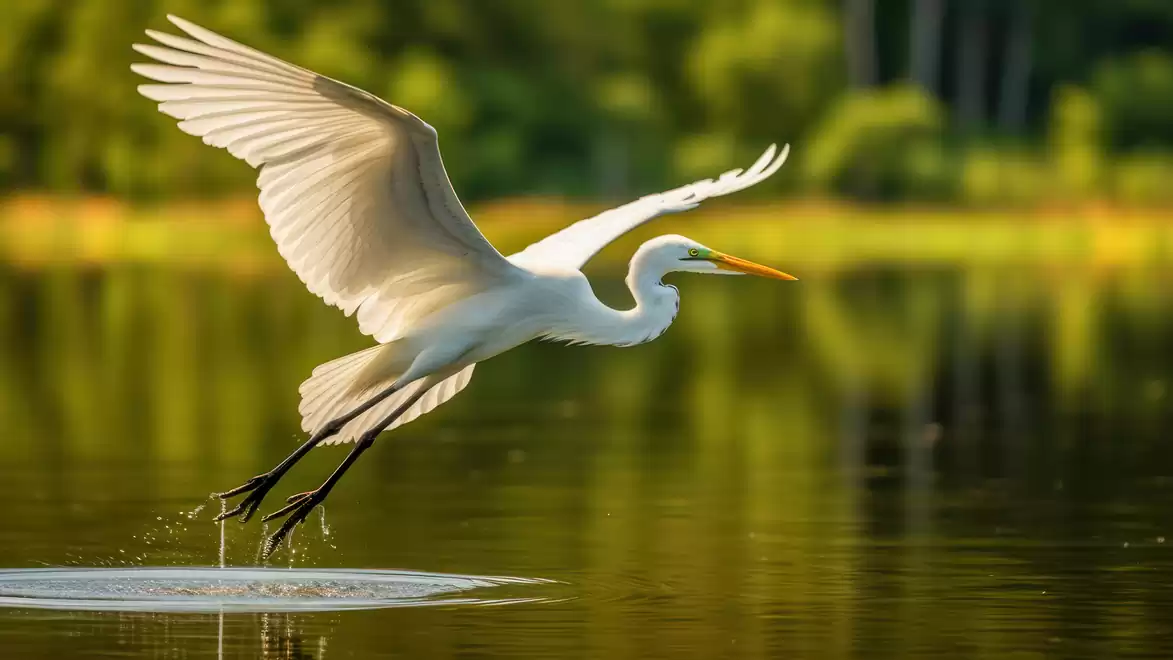
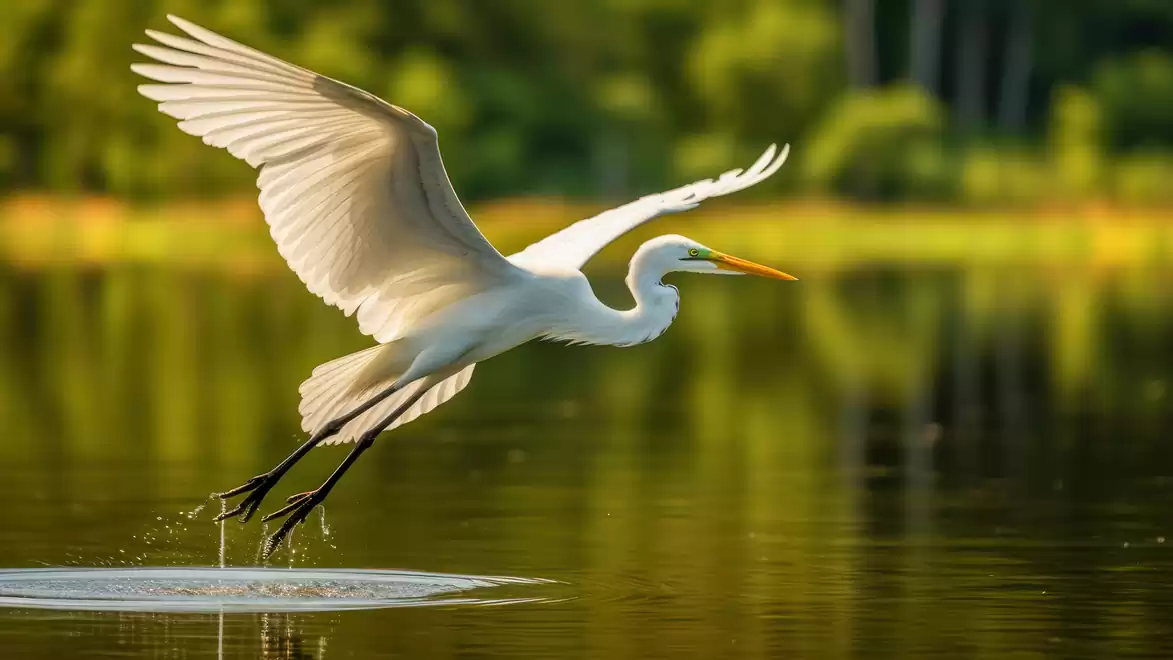
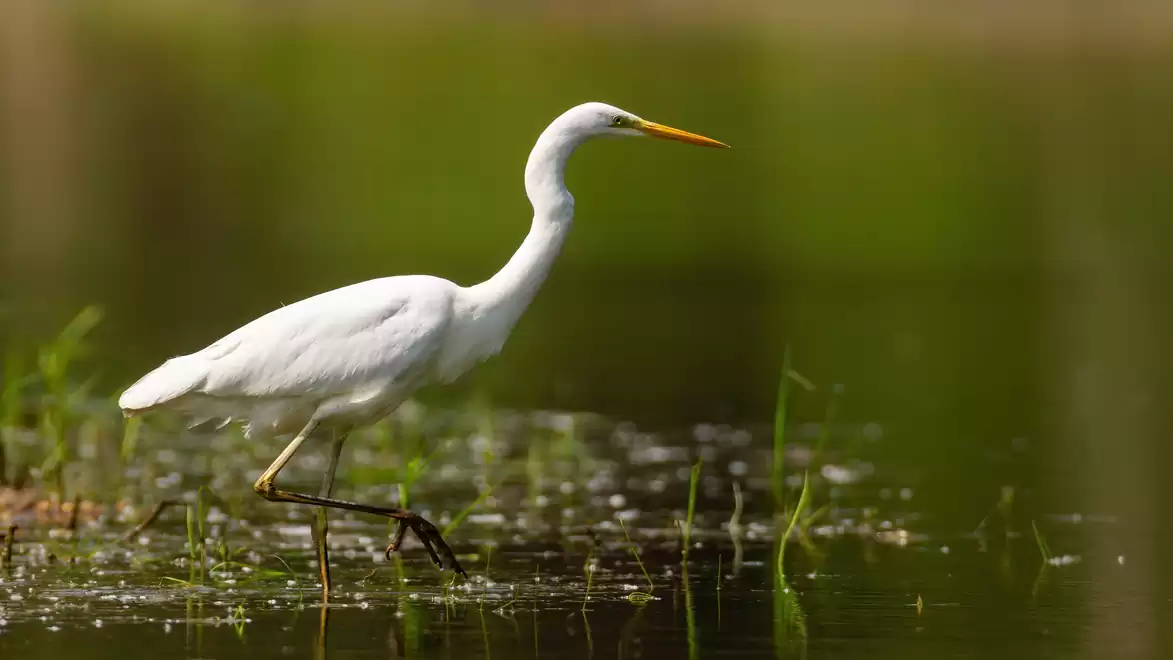
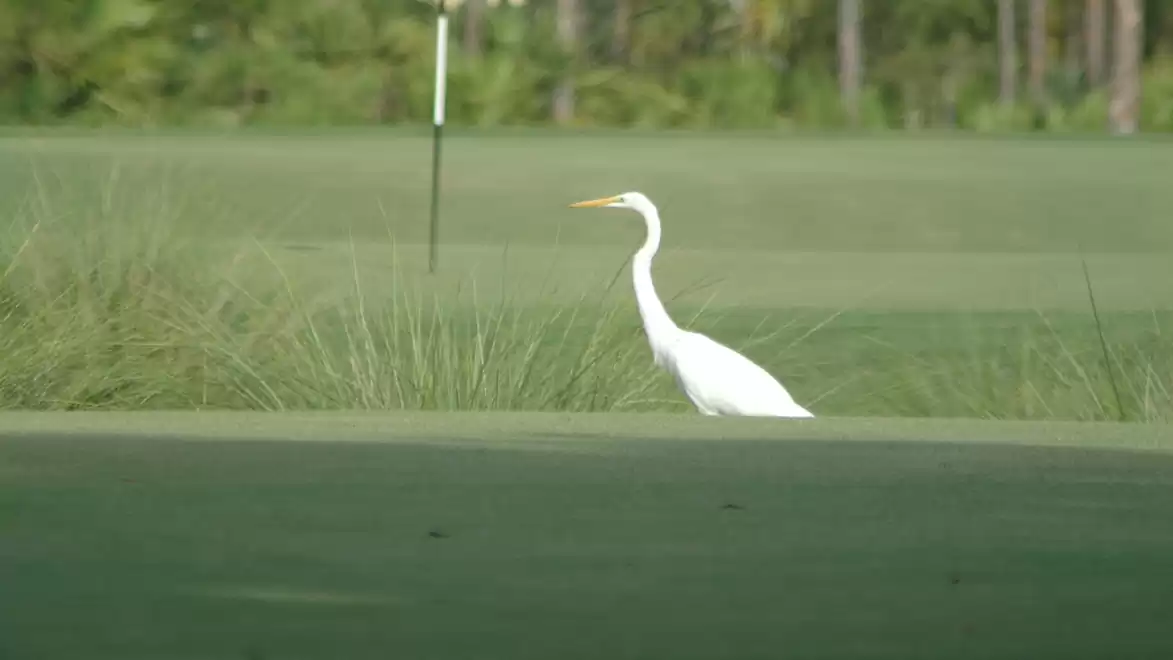
The Great Egret (also known as the Great White Egret) is an impressive wading bird famous for its elegant appearance and dazzling white plumage. Reaching up to one meter in height with a wingspan of over 1.5 meters, it embodies grace and elegance.
Great Egrets are found in wetlands around the world – from freshwater lakes and rivers to coastal regions and mangrove swamps. Their range extends across North America, Europe, Asia, Africa, and Australia.
During the breeding season, Great Egrets perform stunning courtship displays. They showcase their striking plumage and engage in graceful movements to attract a mate. Their nests are typically built in colonies, often in trees or reed beds.
Great Egrets primarily feed on:
Thanks to their exceptional hunting techniques, they play a crucial role in many ecosystems, helping to regulate prey populations.
Although the Great Egret is threatened in some regions due to habitat loss and human activities, various conservation efforts aim to preserve its habitats. These initiatives help stabilize populations and ensure the long-term survival of this remarkable bird species.
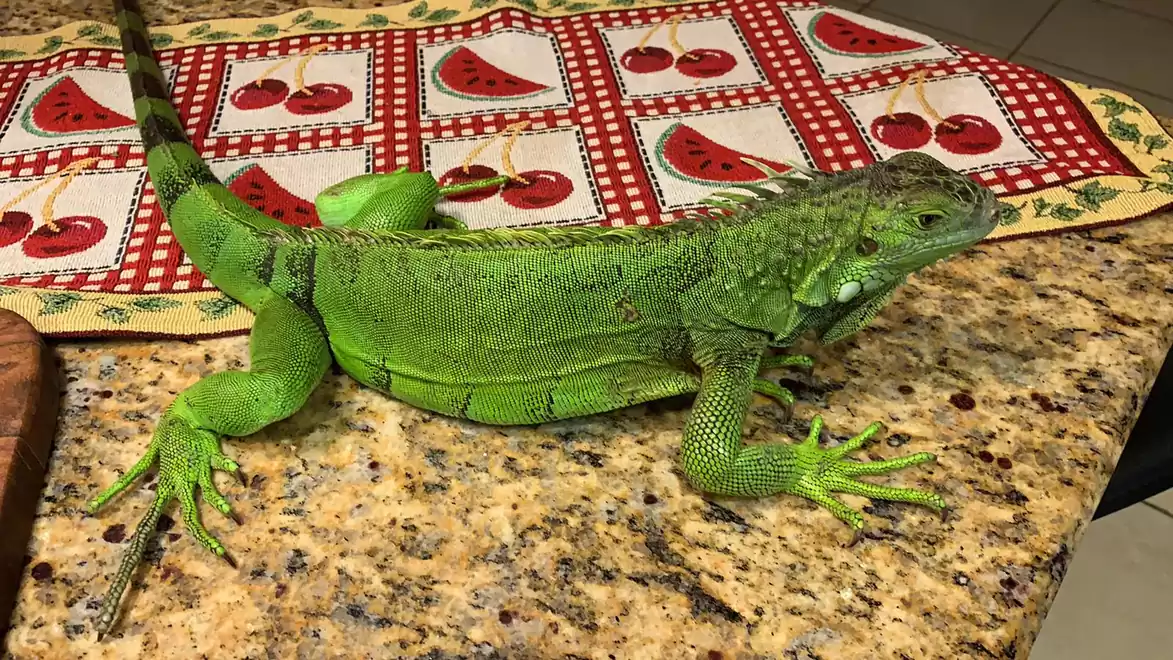
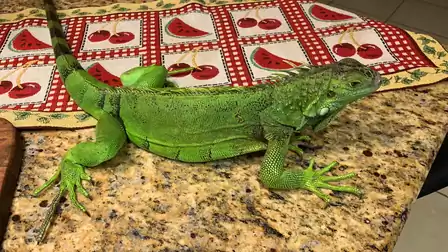
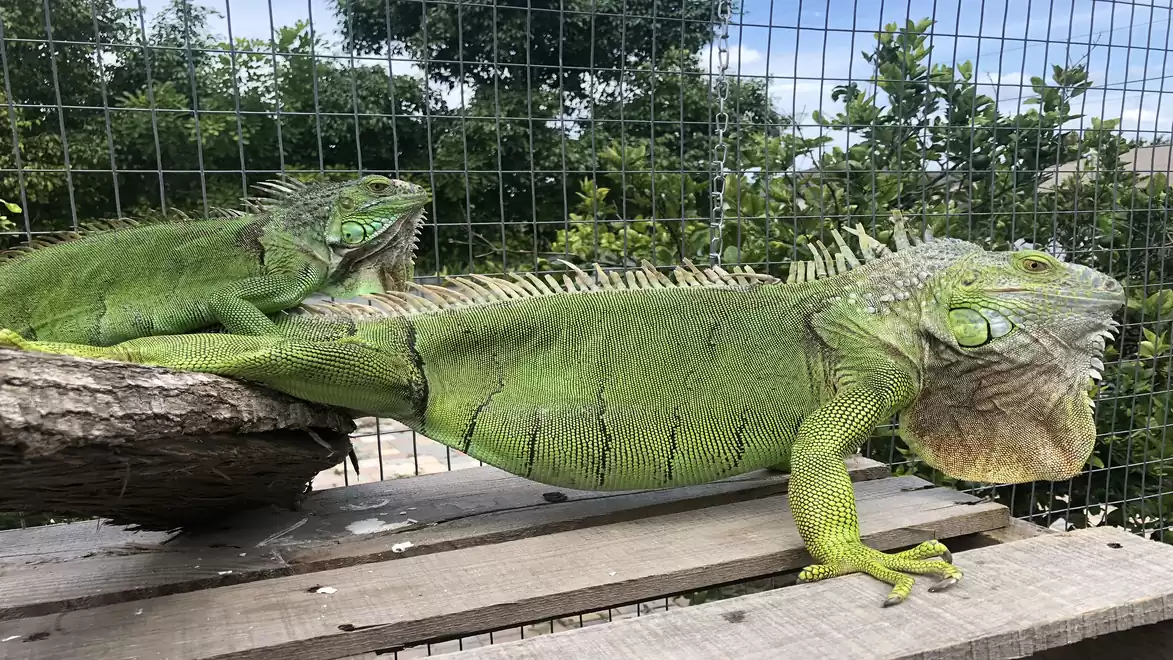
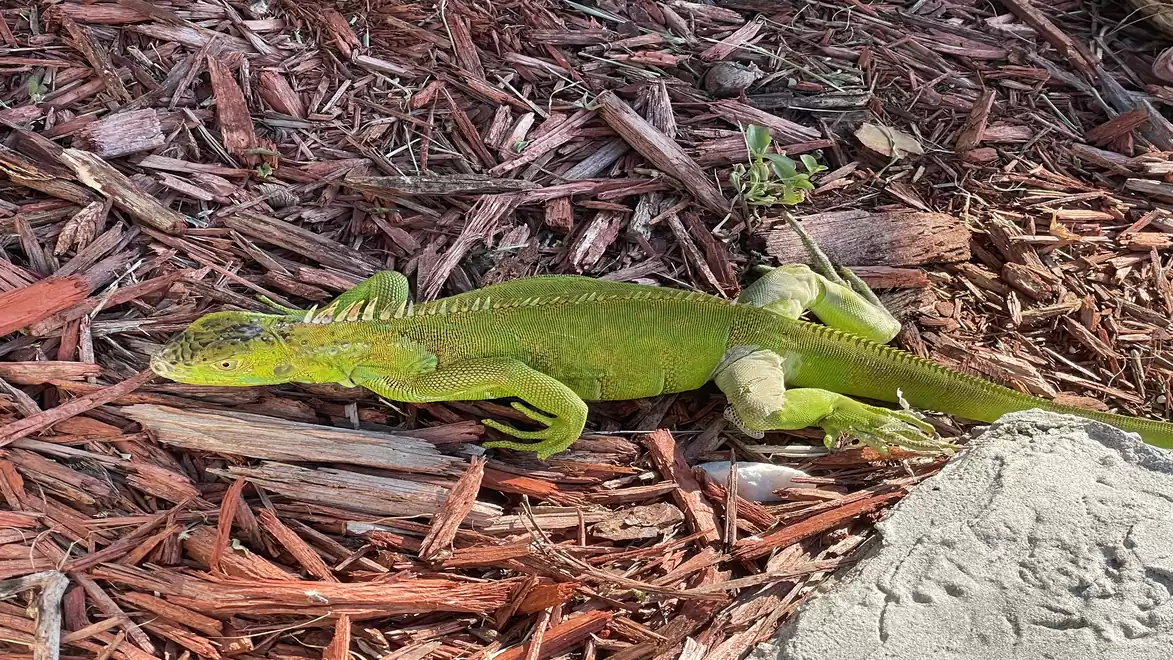
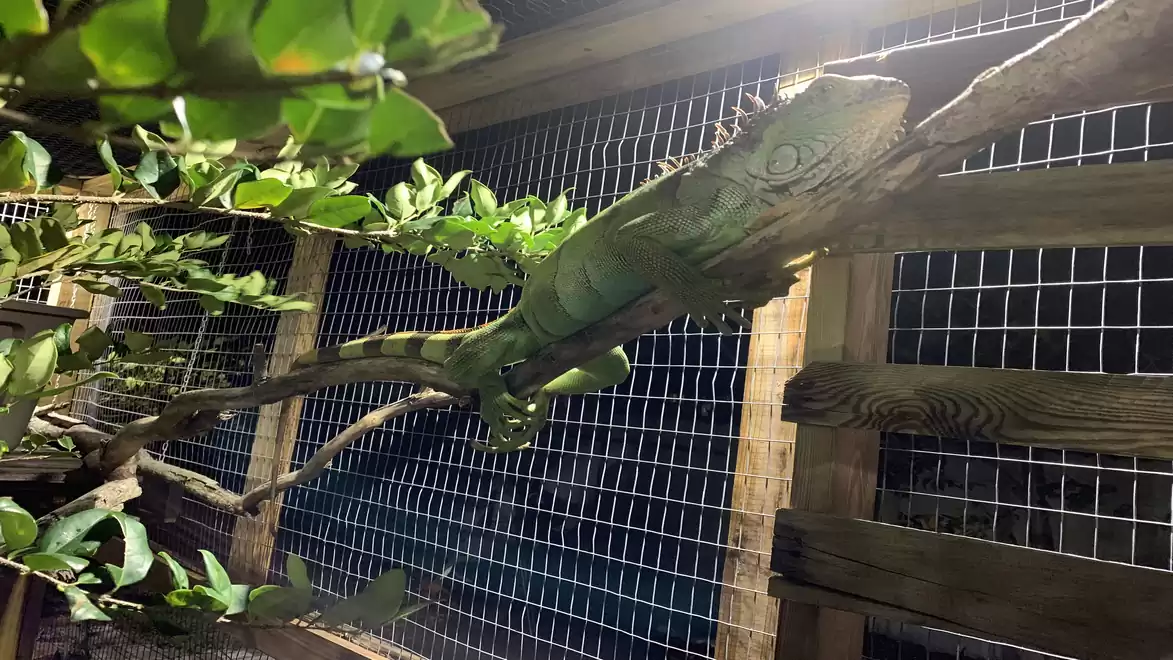
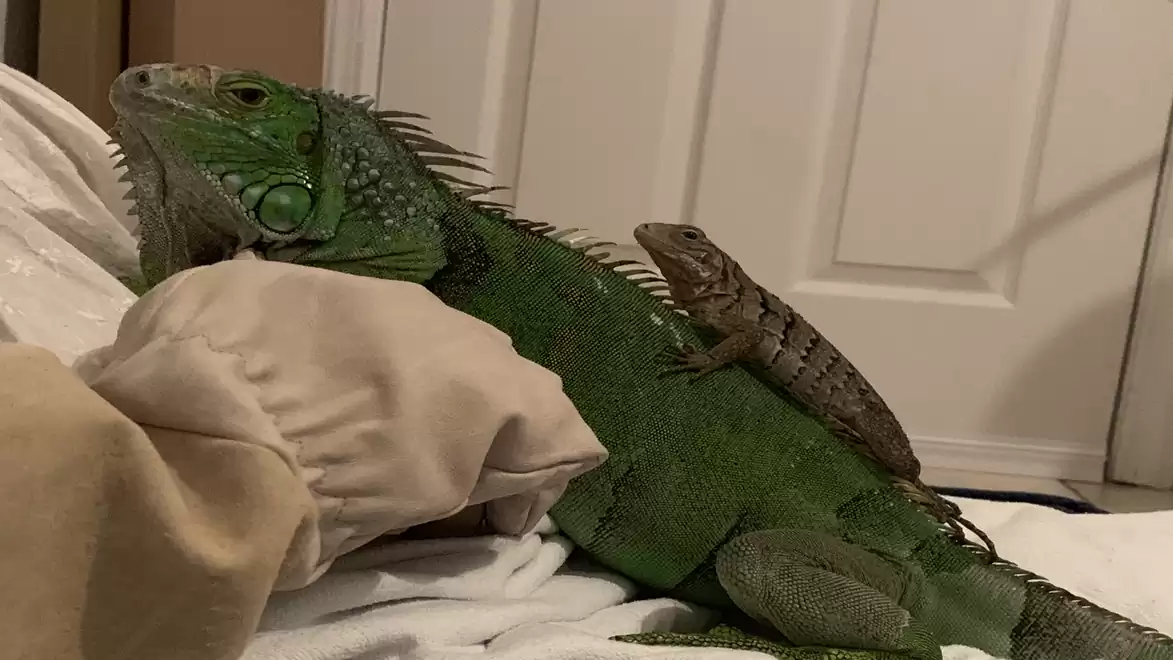
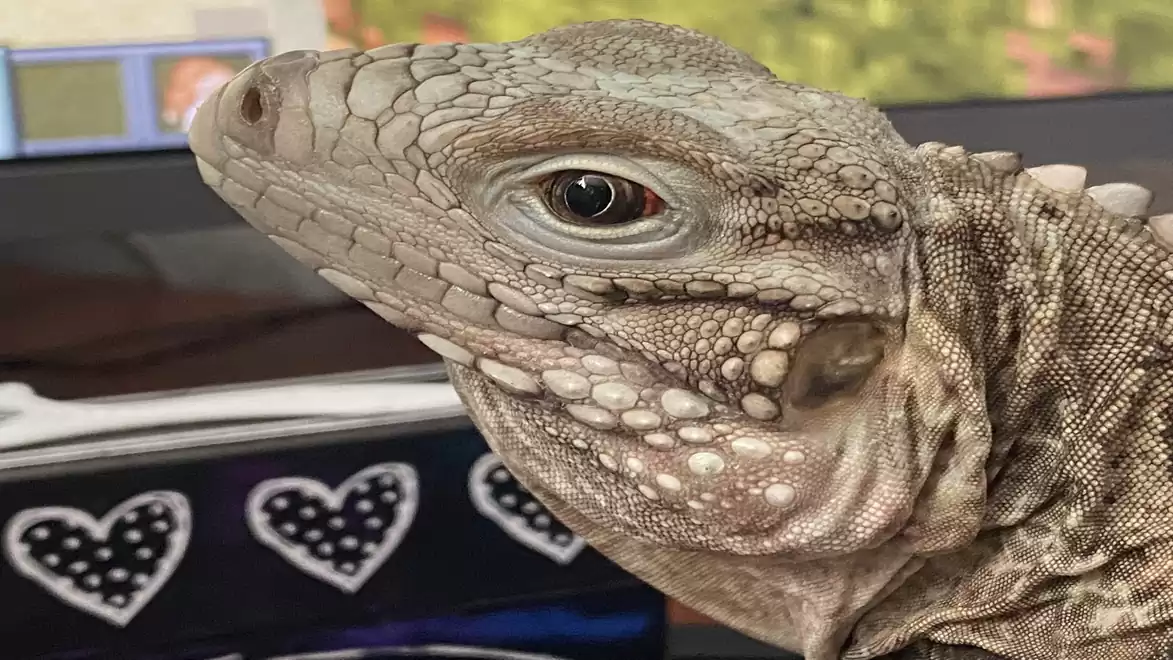
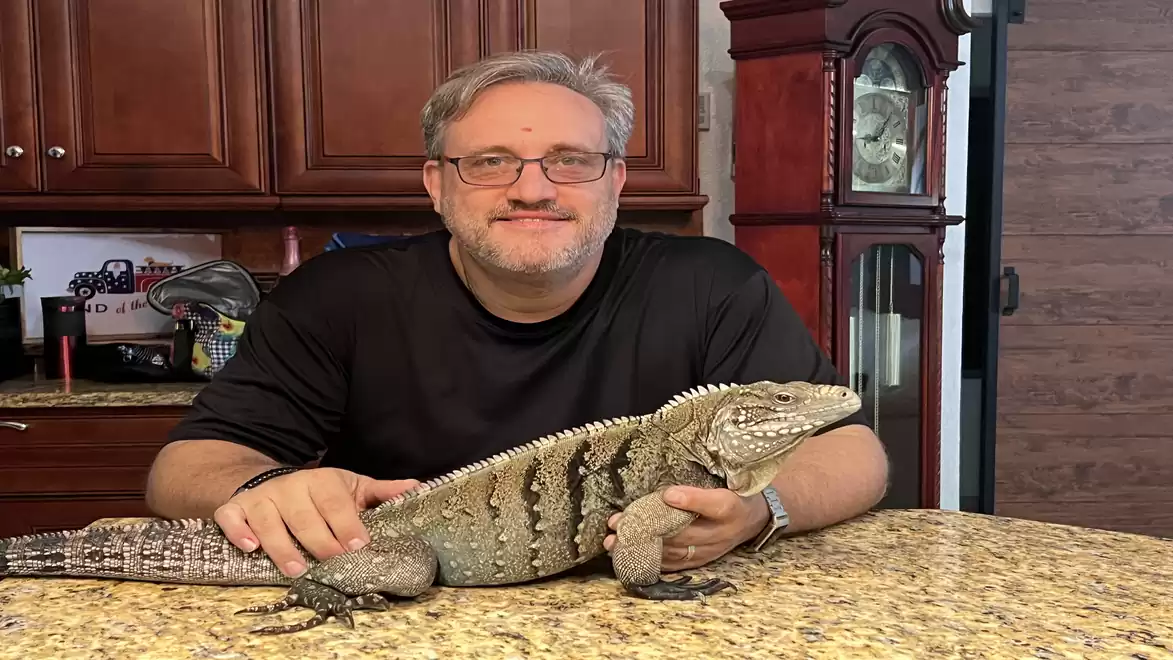
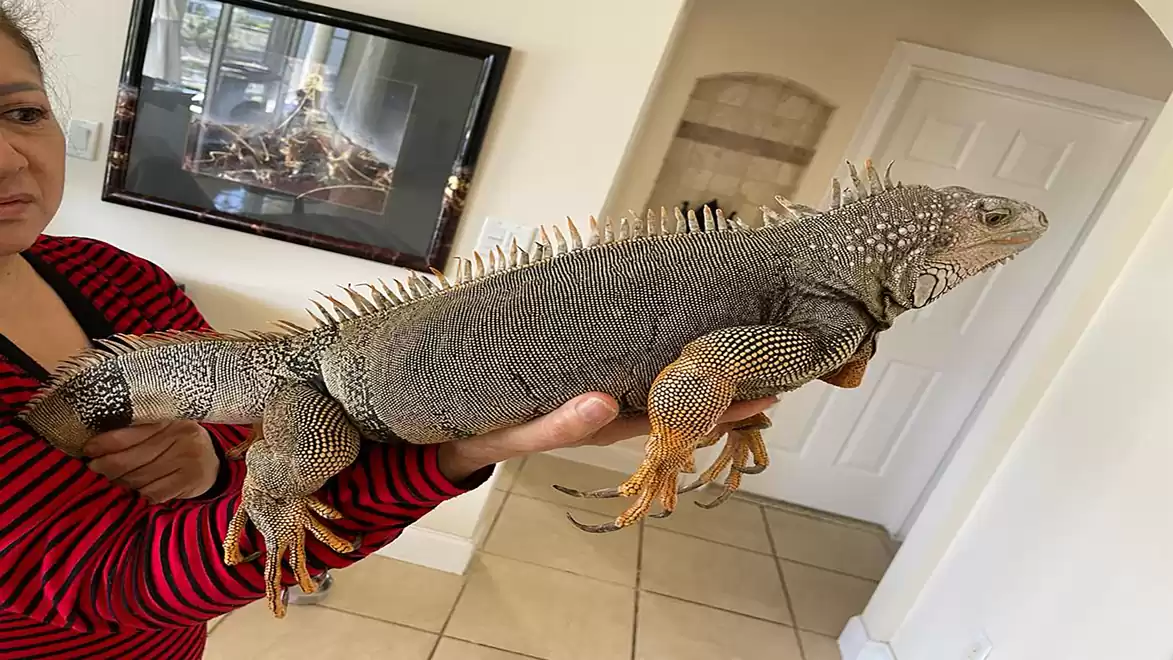
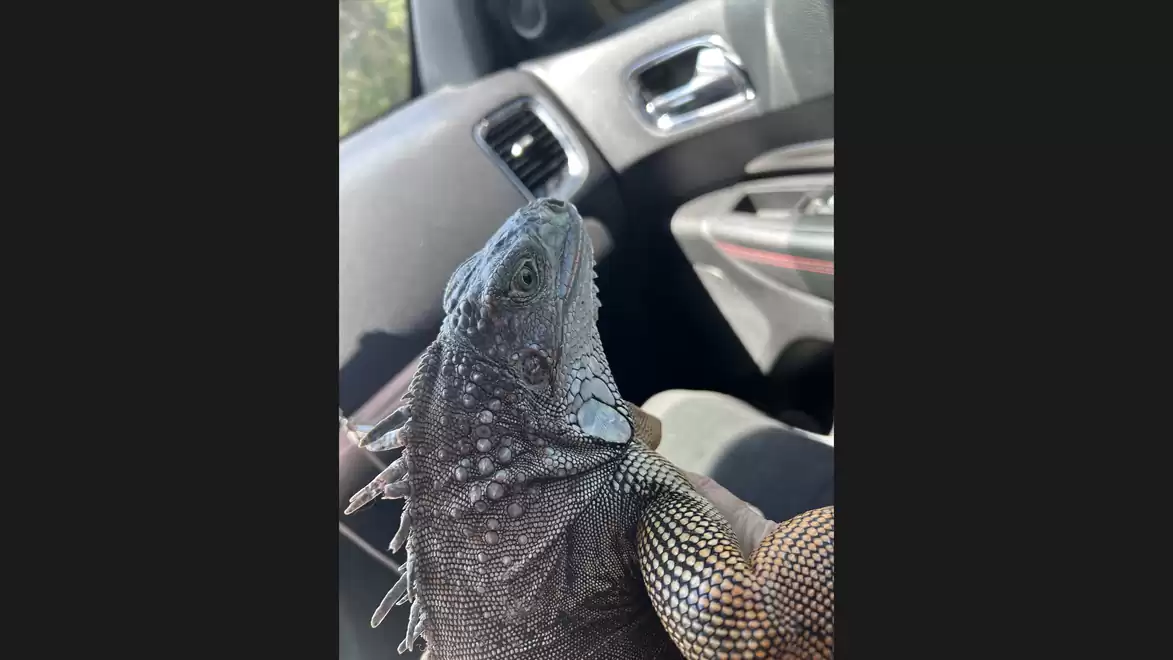
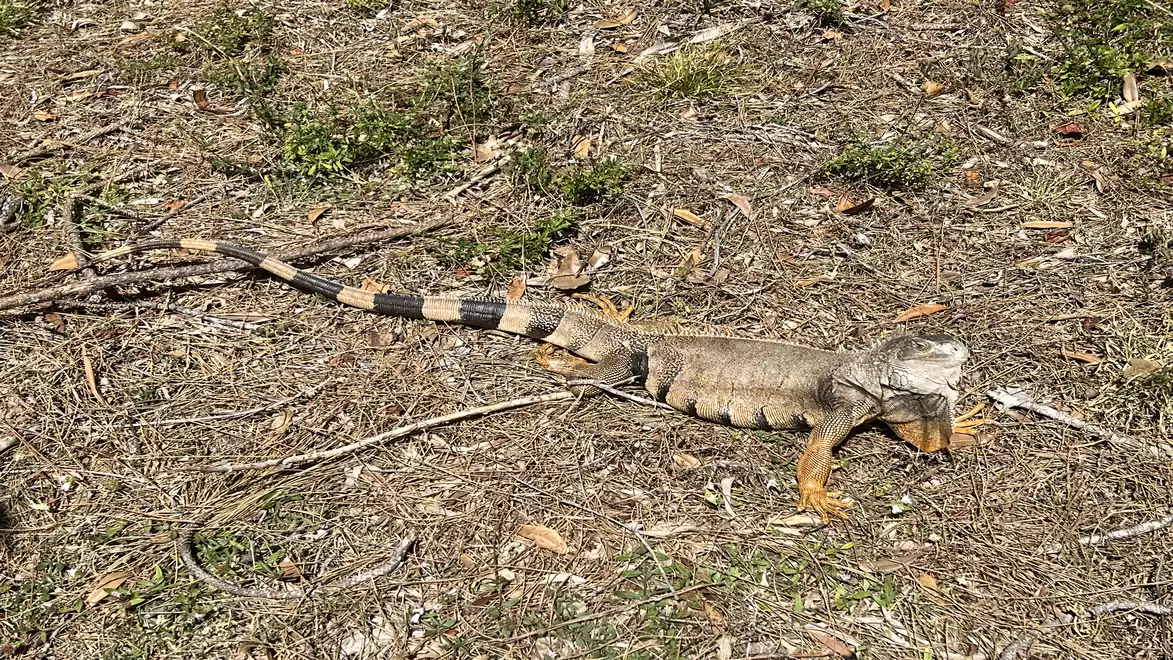
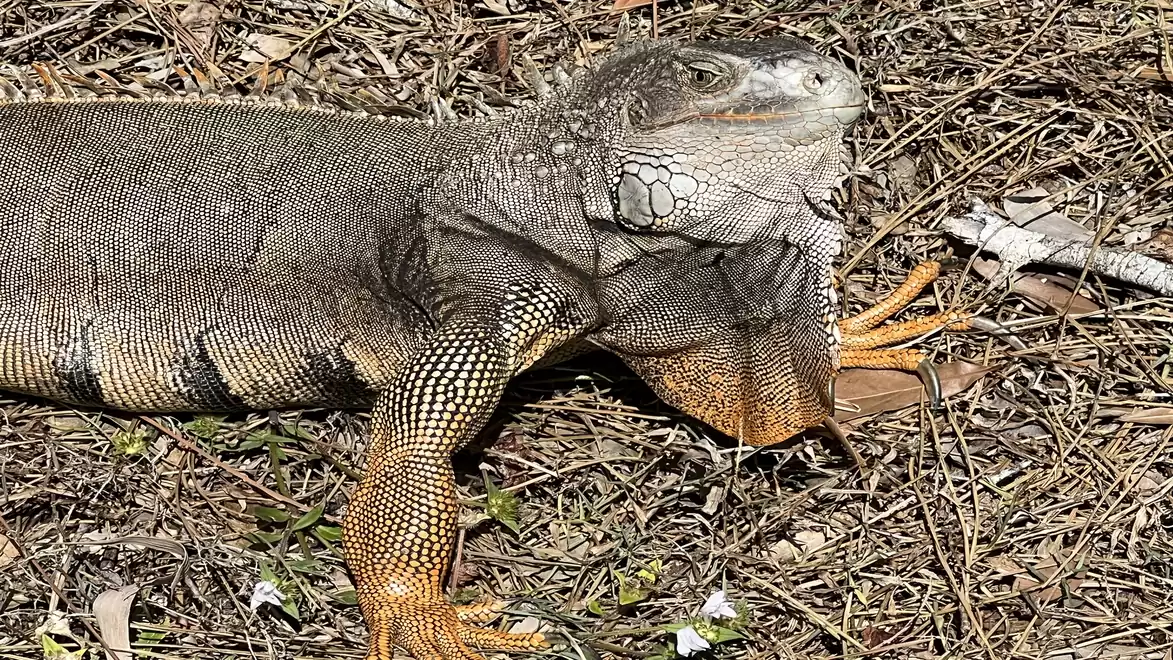
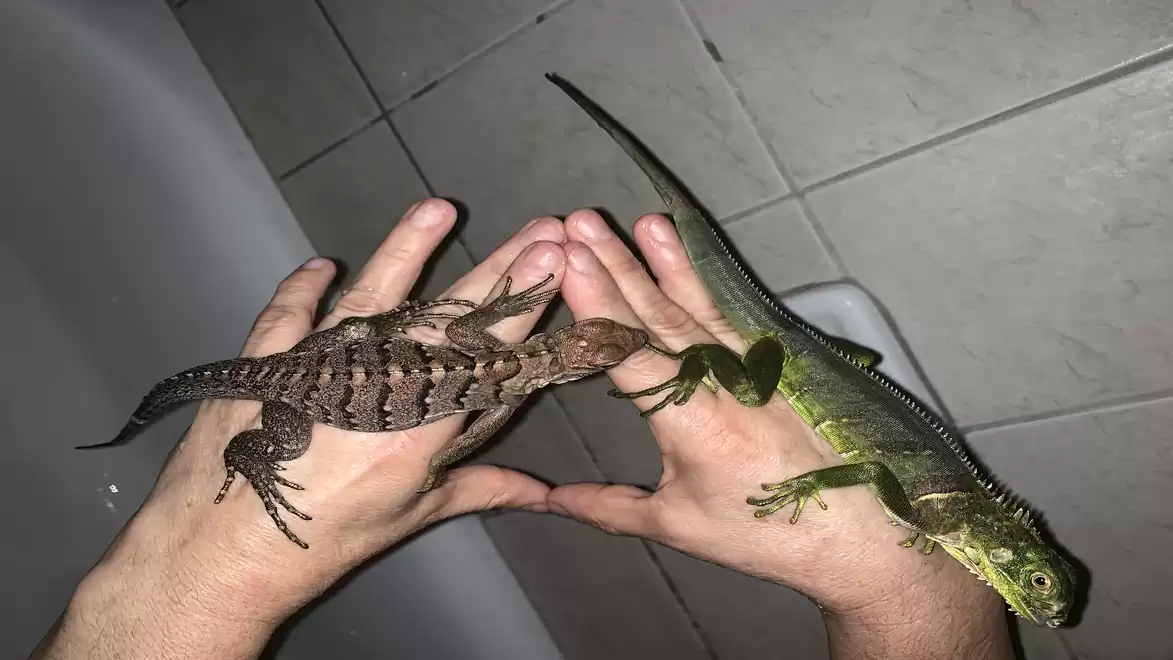
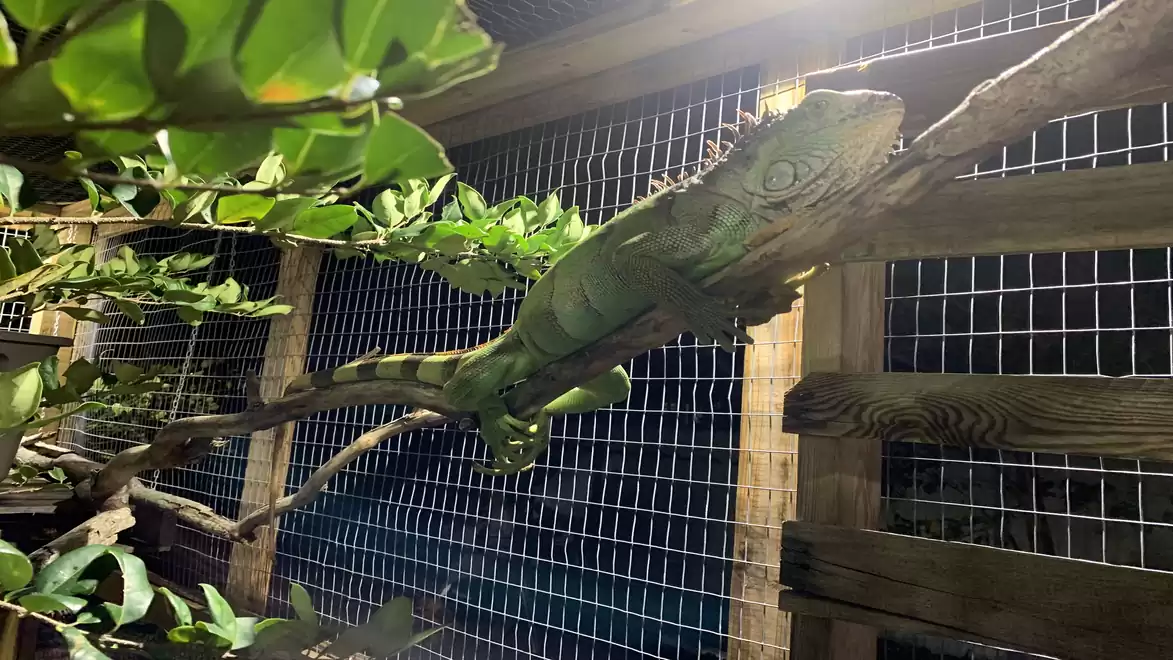
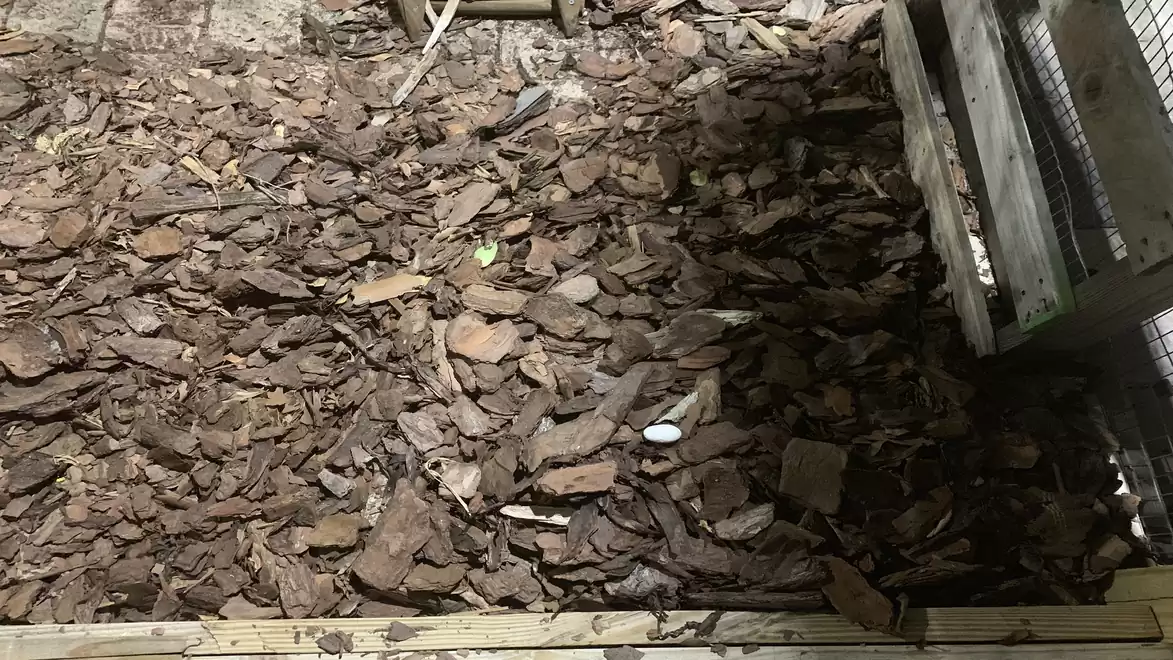
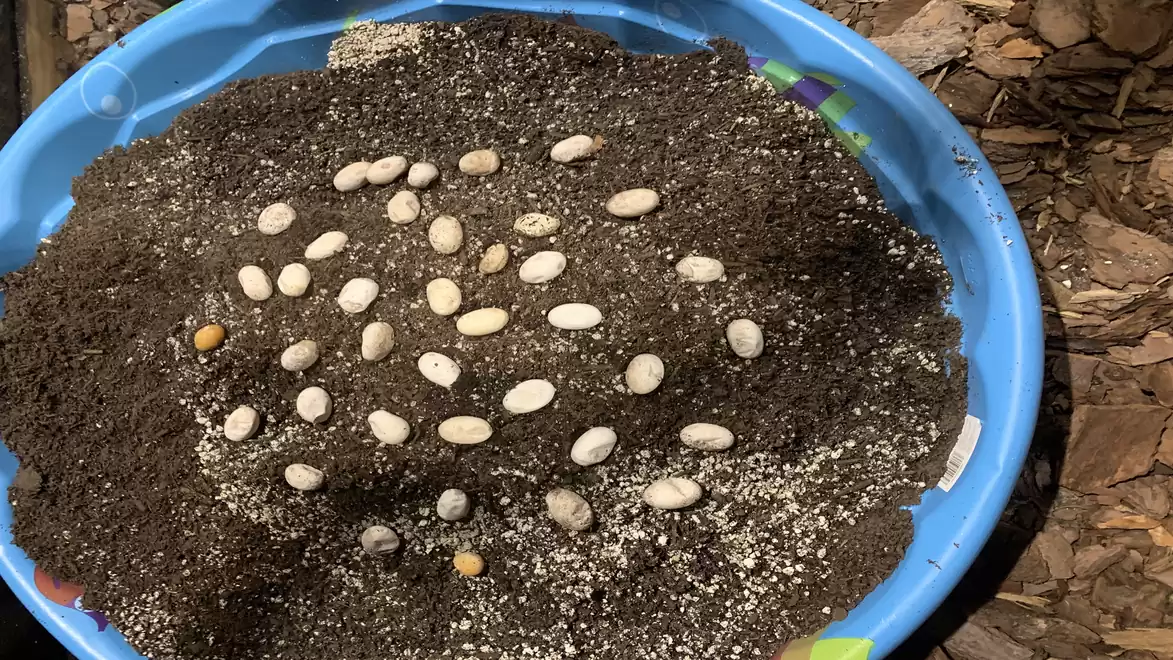
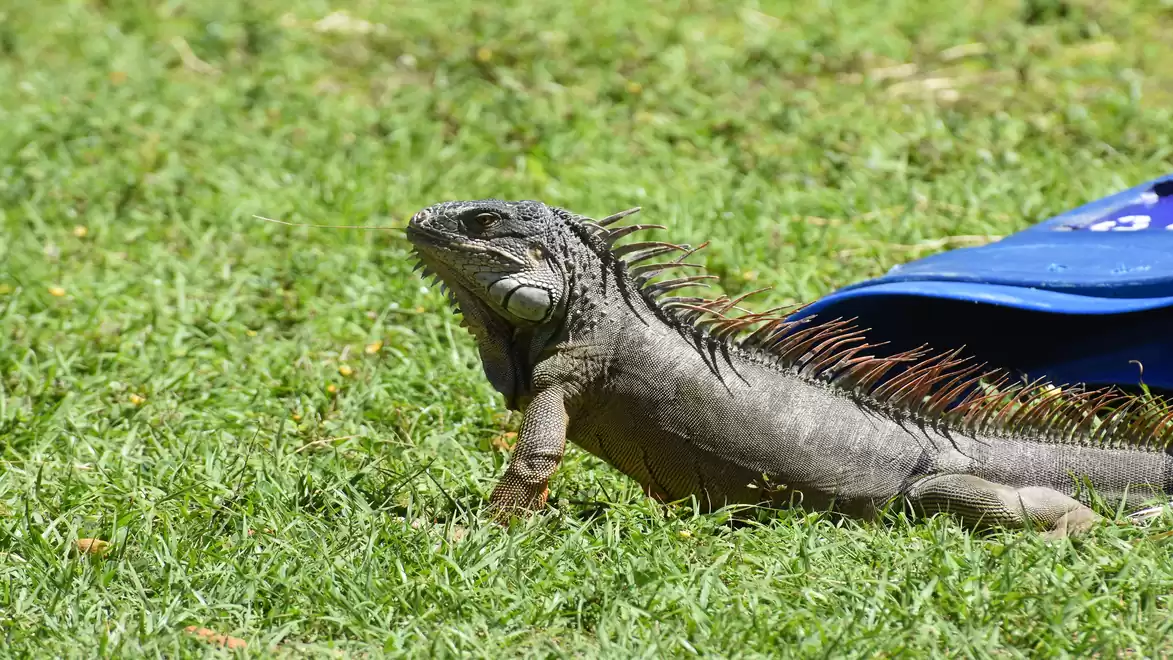
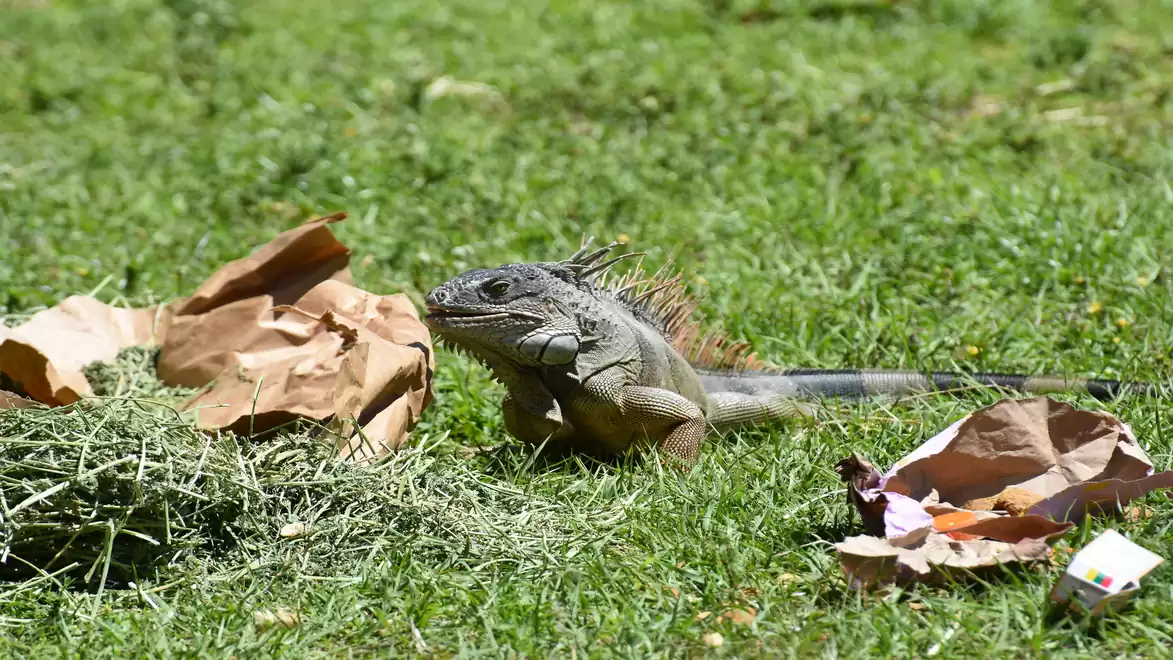
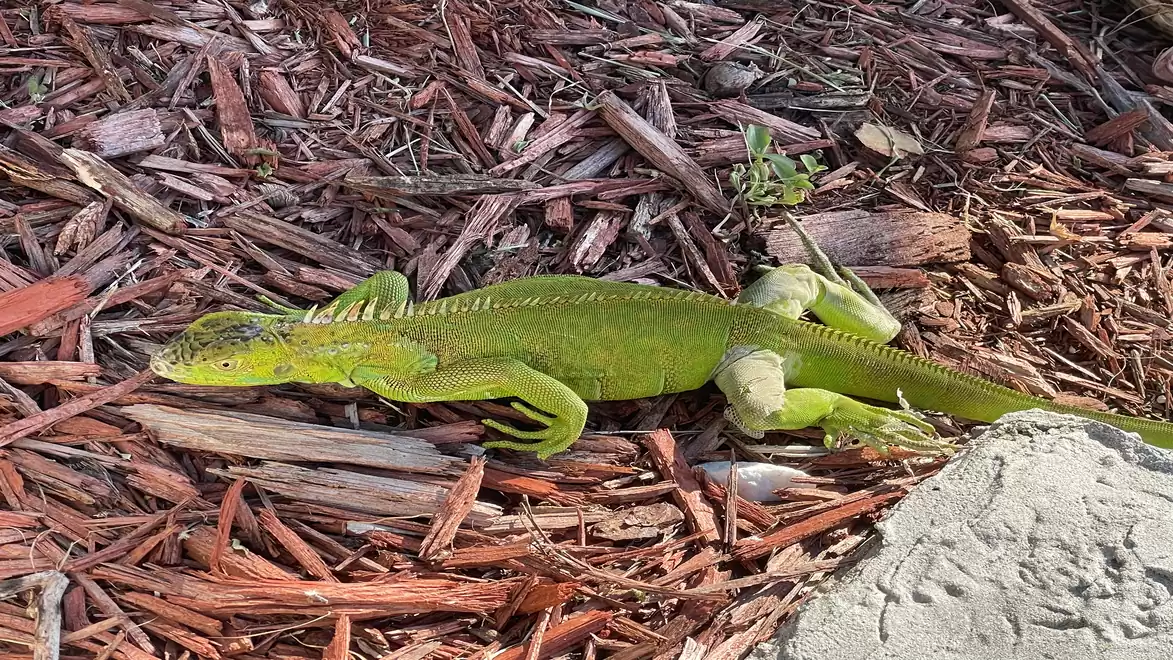
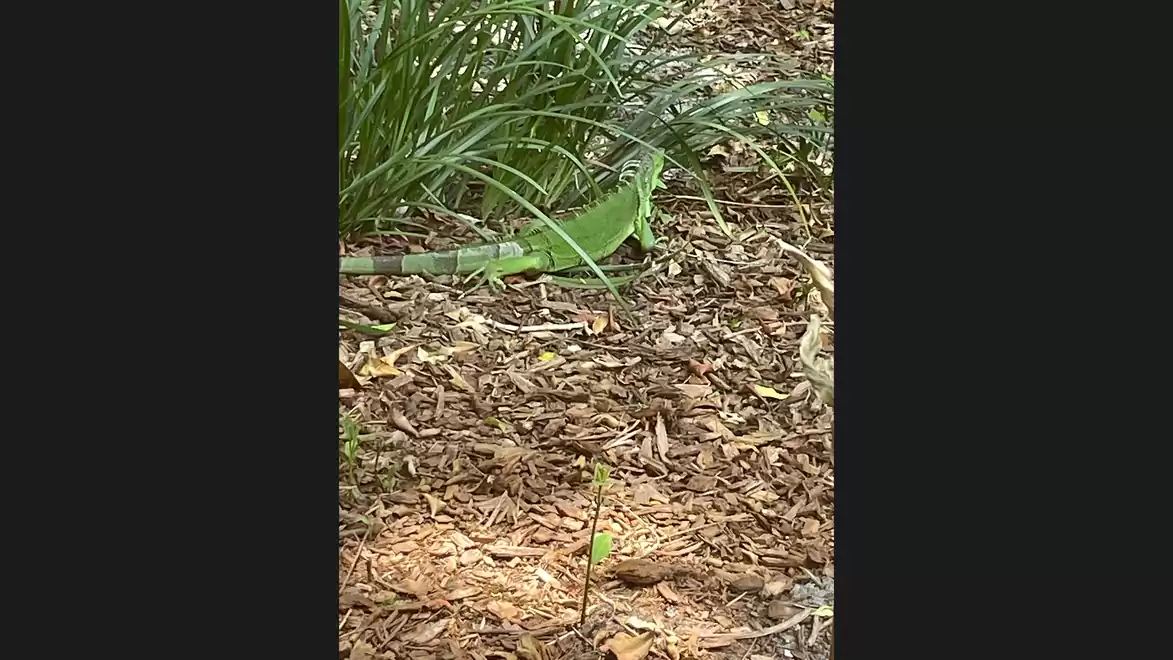
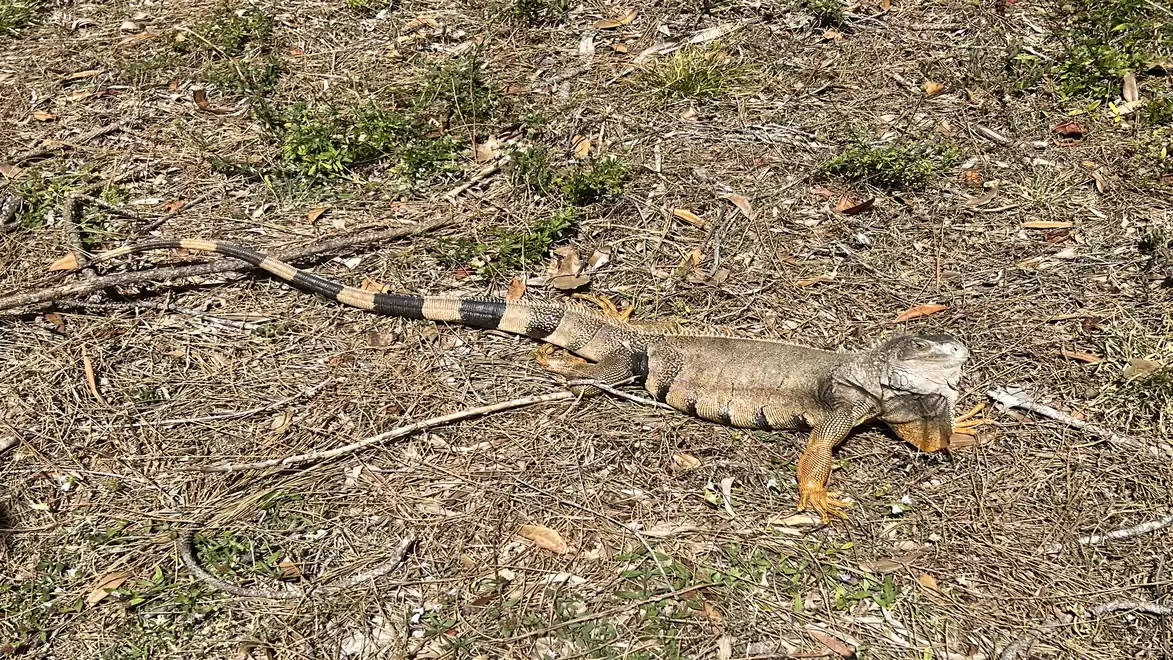
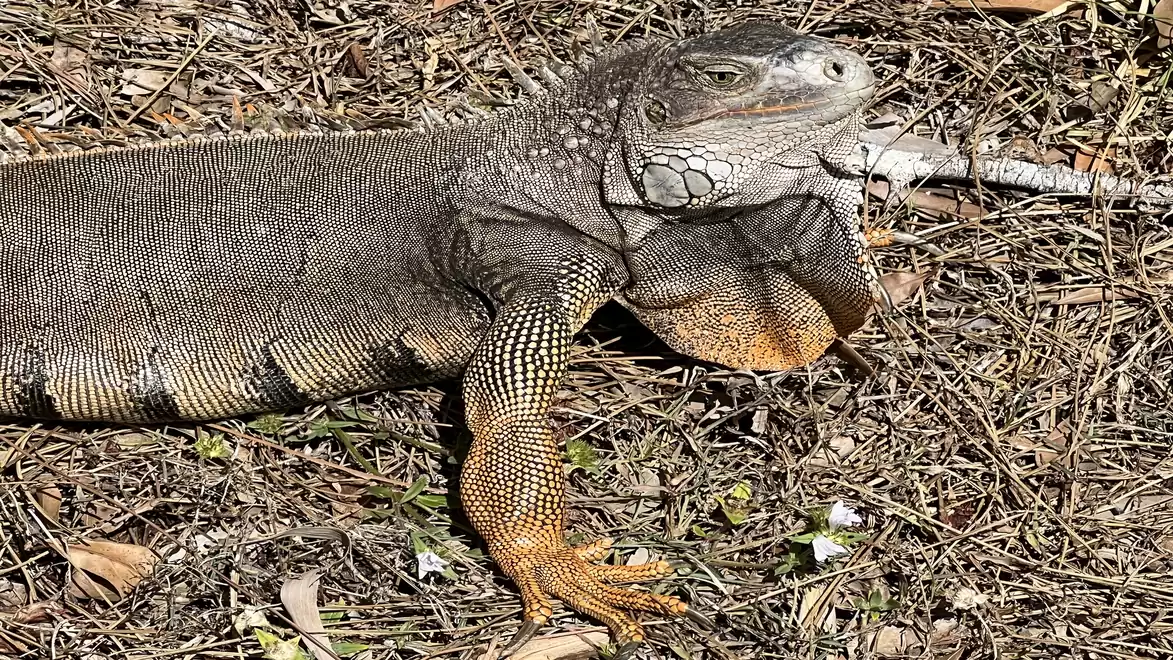
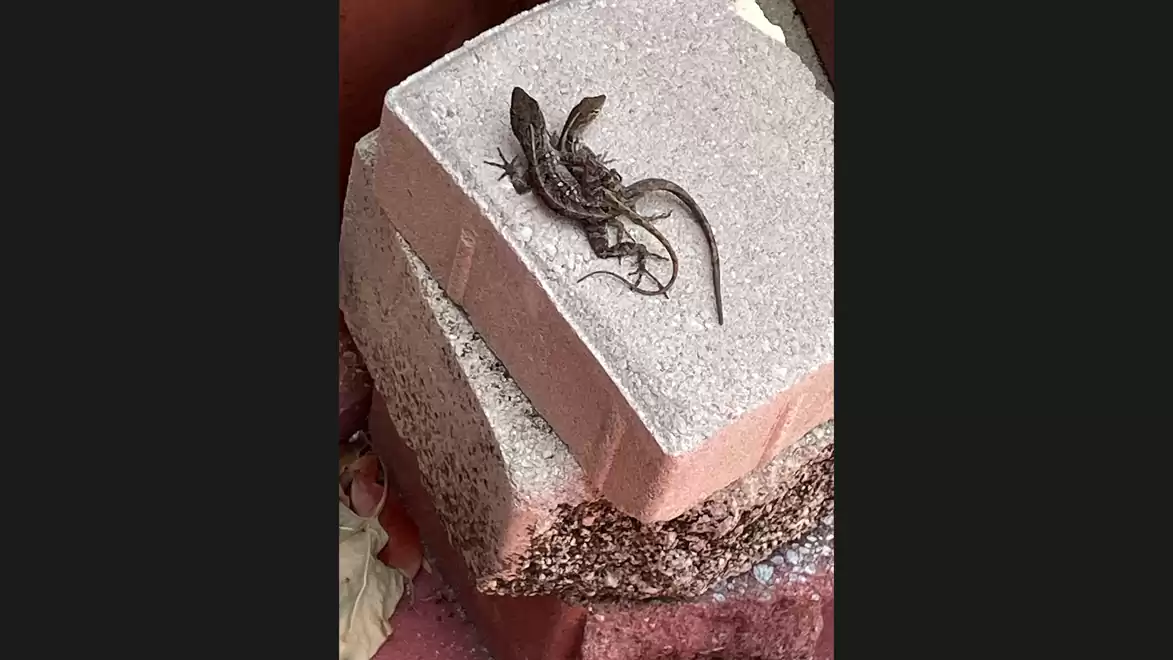
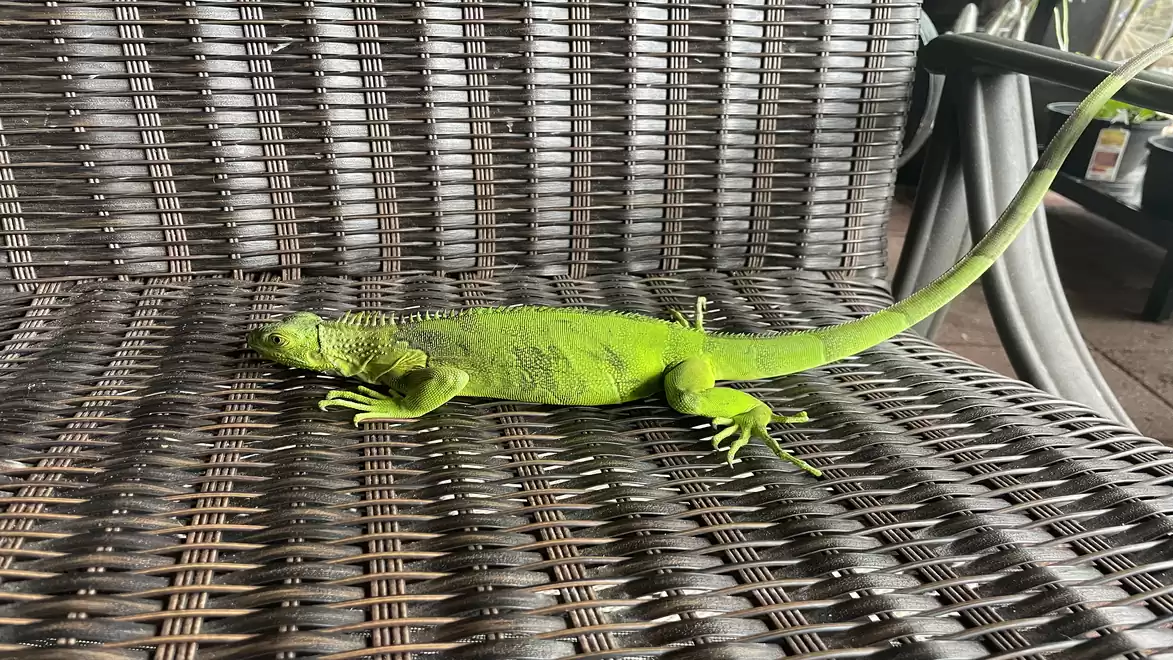
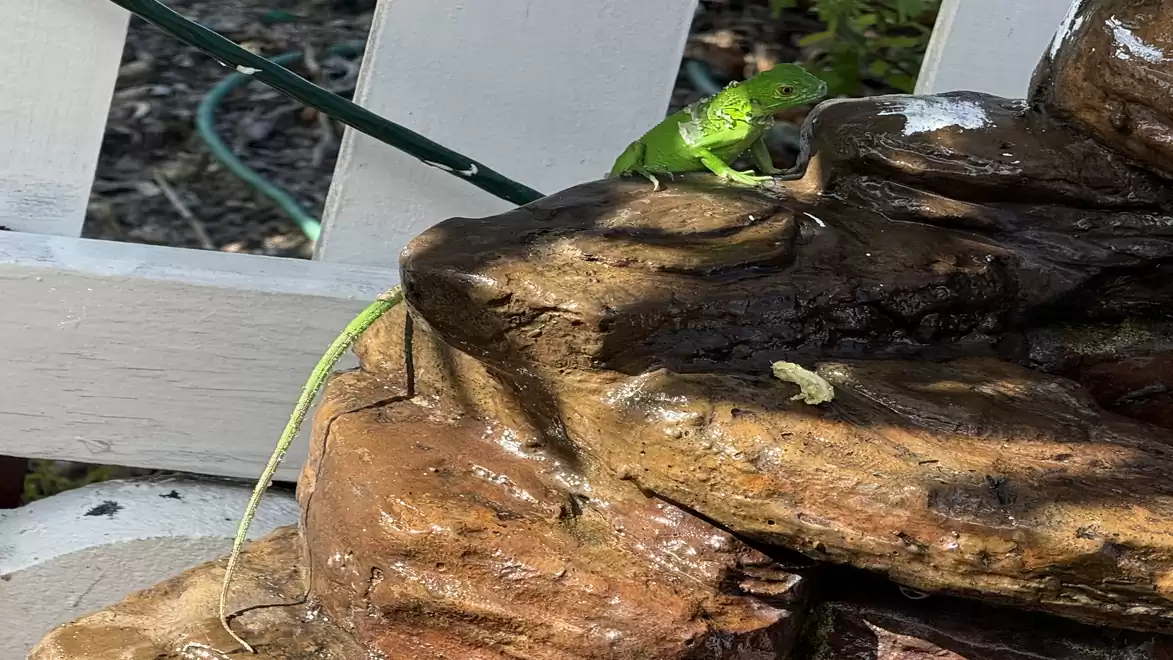
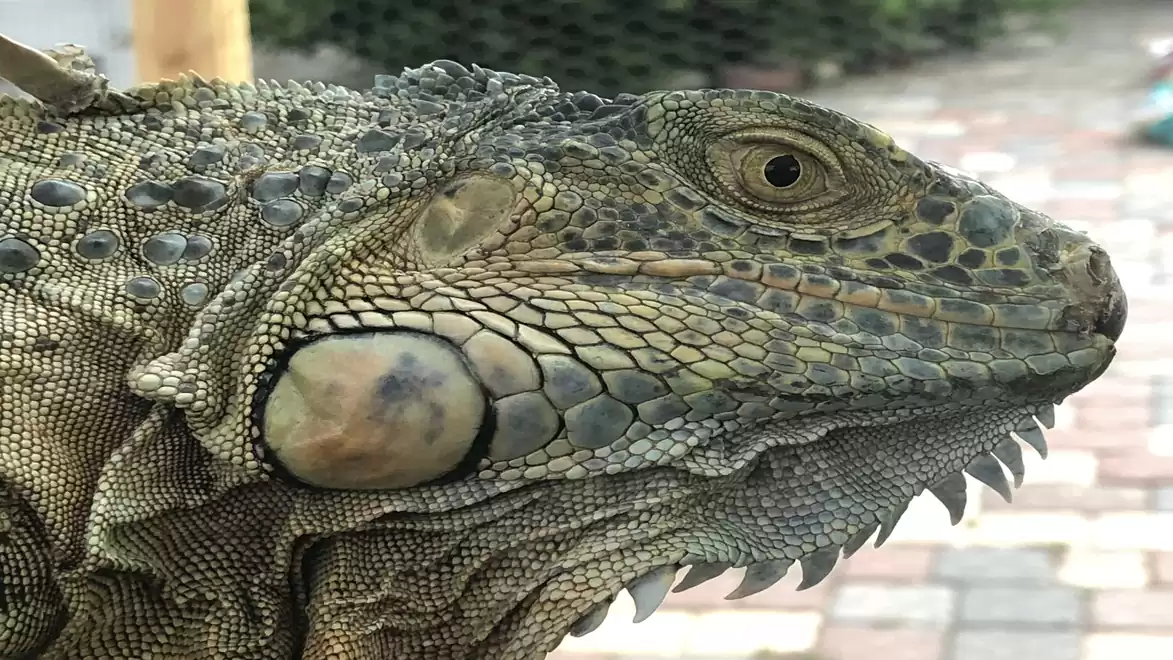
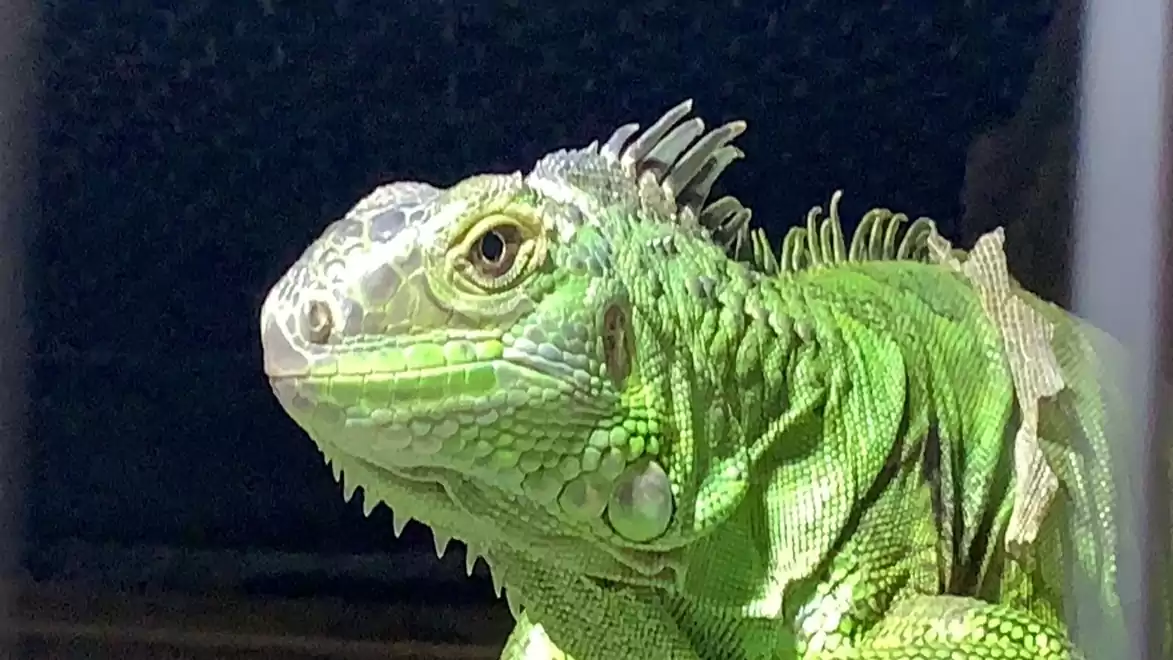
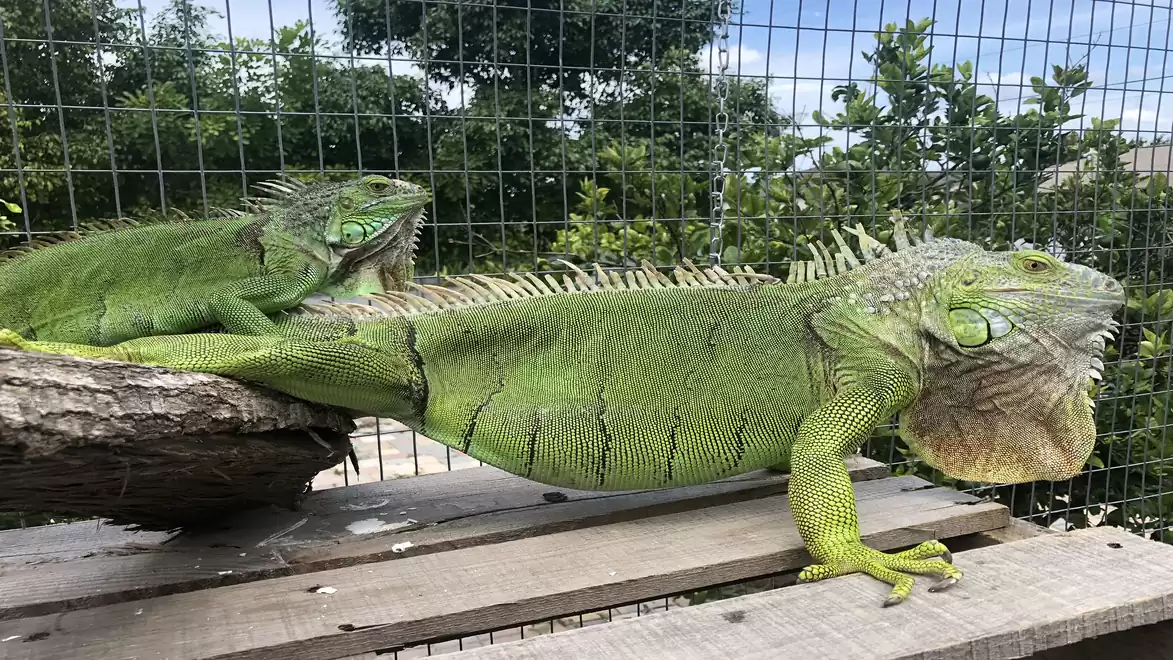
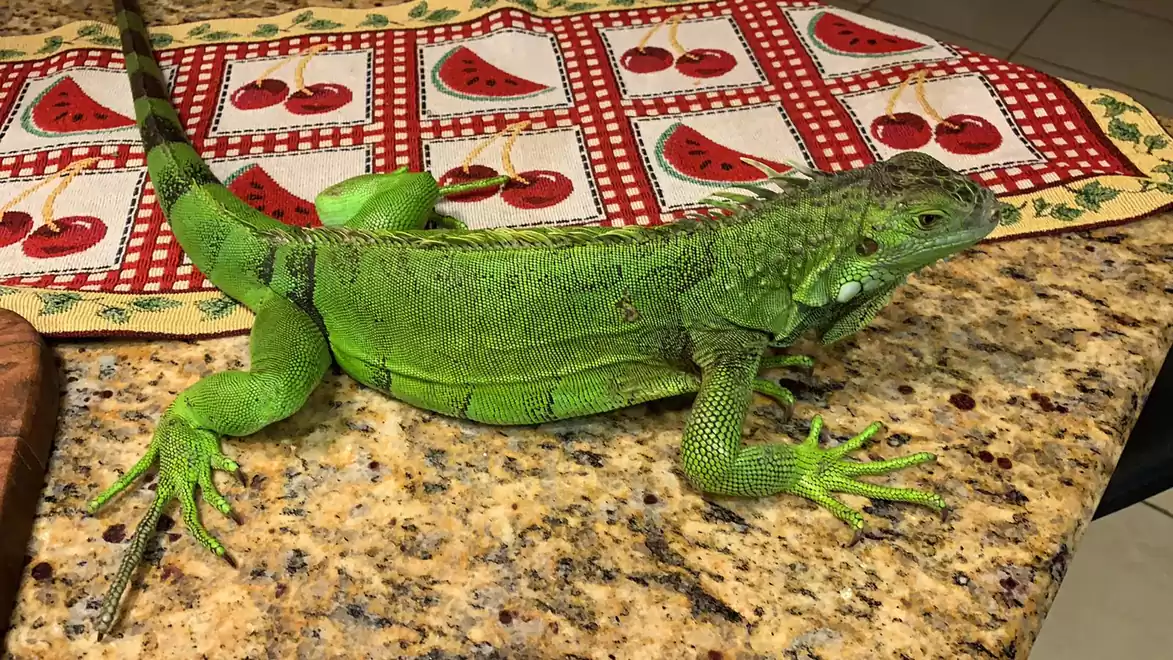
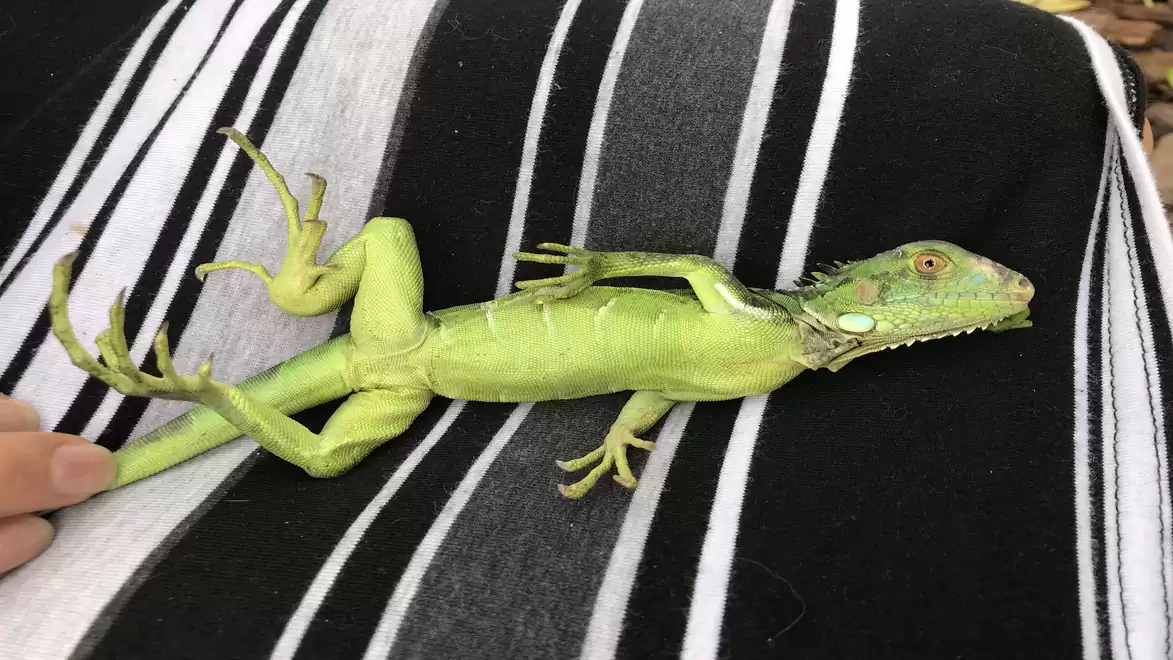
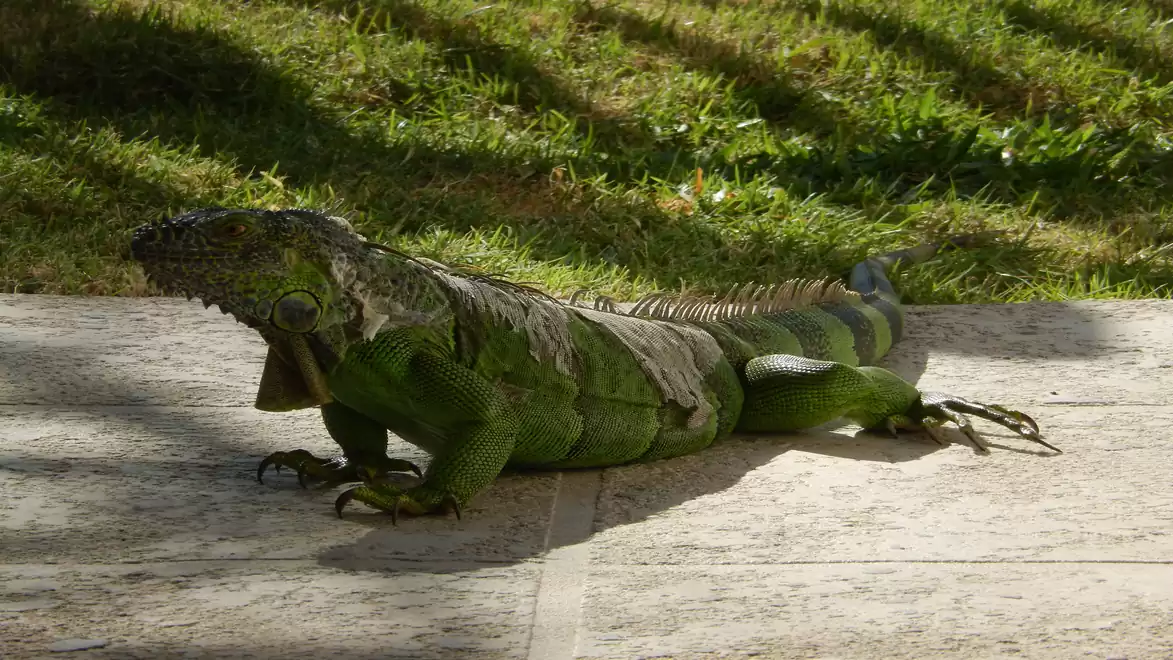
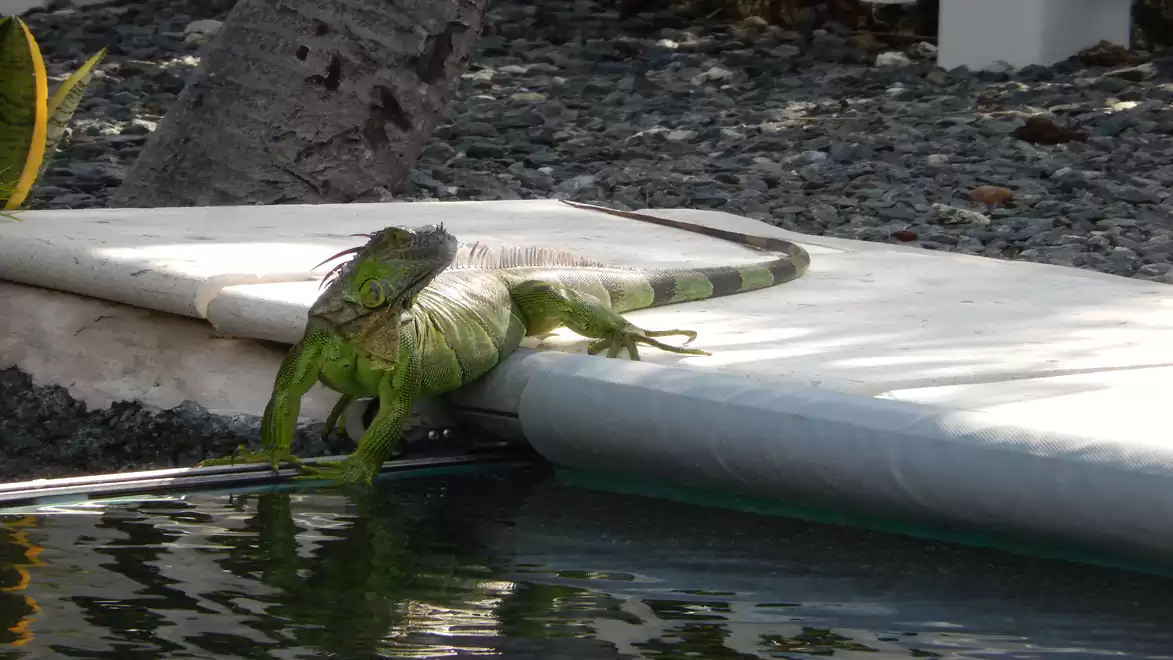
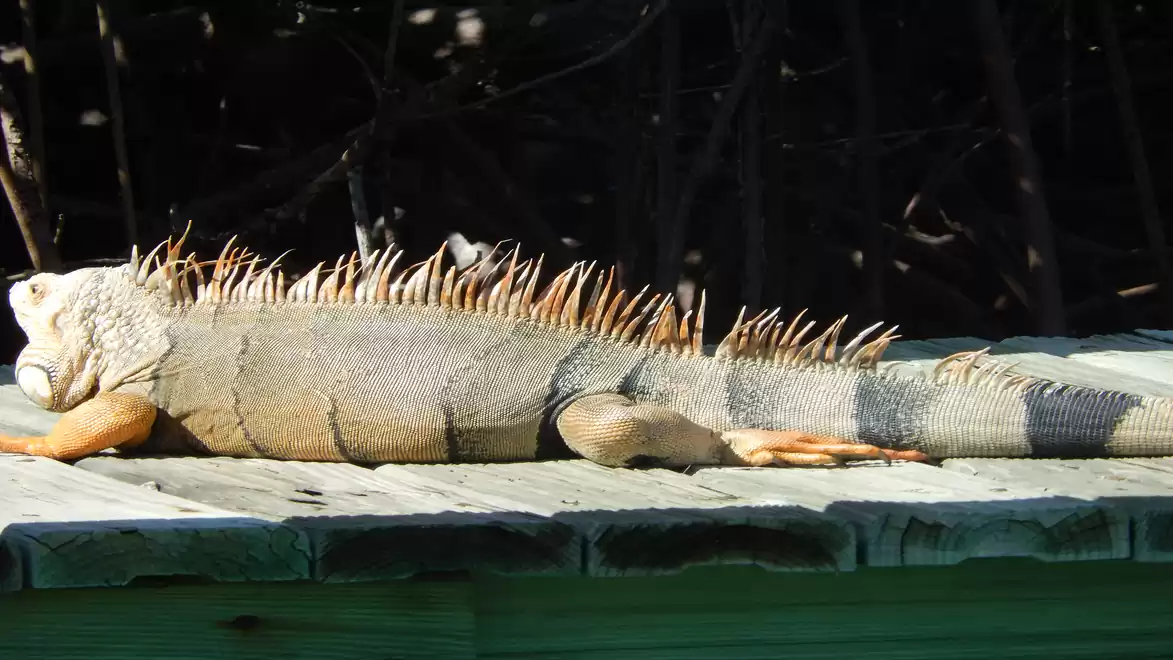
The Green Iguana, also known as the American Iguana or Common Green Iguana, is a large, tree-dwelling, mostly herbivorous lizard species from the iguana genus. This reptile is commonly referred to simply as an iguana. The Green Iguana is native to a vast geographical range extending from southern Brazil and Paraguay to northern Mexico.
Green Iguanas are not native to Florida and are considered an invasive species due to their impact on the local wildlife. Like all non-native reptile species, Green Iguanas in Florida are only protected under animal cruelty laws and may be humanely killed on private property with the landowner’s permission.
As a herbivore, the Green Iguana has adapted significantly to its diet, influencing its movement and osmoregulation. It can grow up to 1.7 meters (5.6 feet) in length from head to tail, with some specimens exceeding 2 meters (6.6 feet) and weighing up to 9.1 kg (20 lbs).

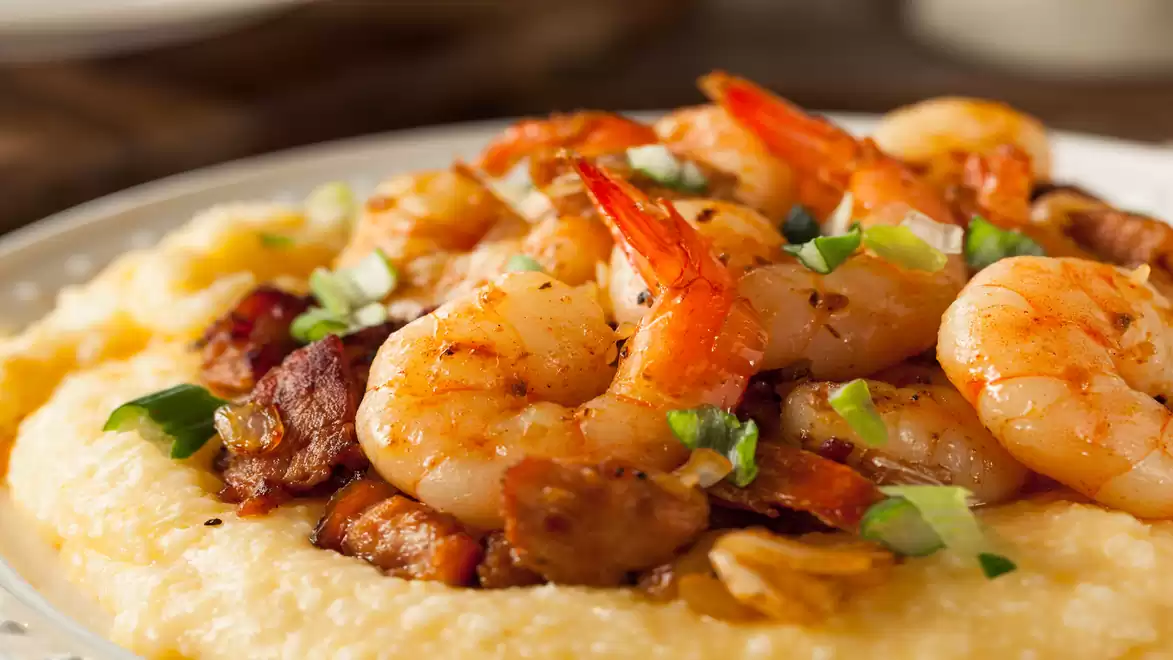
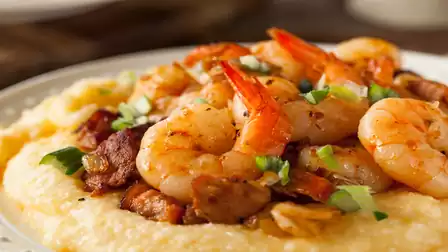
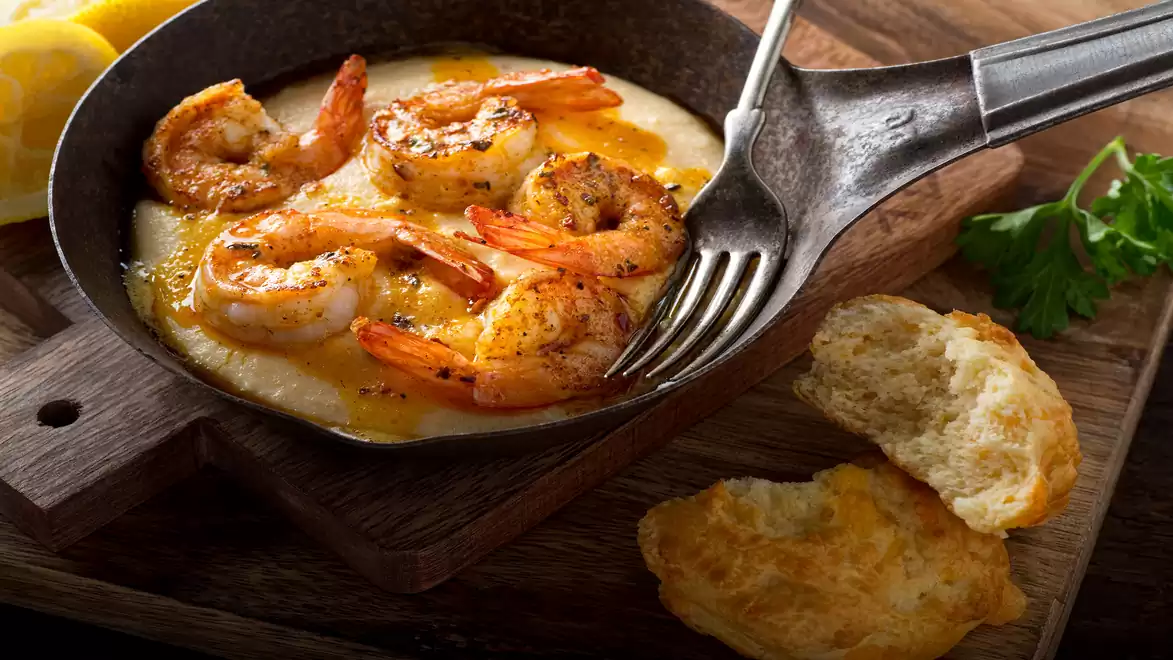
Grits, made from coarsely ground corn, are a beloved Southern staple deeply rooted in Florida’s culinary traditions. Cooked slowly to achieve a creamy texture, grits are a comforting dish frequently enjoyed as part of breakfast or alongside savory meals.
In Florida, grits are typically served with shrimp ("Shrimp and Grits"), bacon, cheese, or eggs. They can also be prepared sweet, with additions such as butter, milk, sugar, or even syrup, making this versatile dish suitable for any meal of the day.
Grits originated with Native Americans and became deeply integrated into Southern cooking traditions. Today, they're beloved for their comforting texture, rich flavor, and cultural significance throughout the American South.
Enjoy authentic grits during your stay in Florida, a delicious taste of Southern hospitality and comfort.
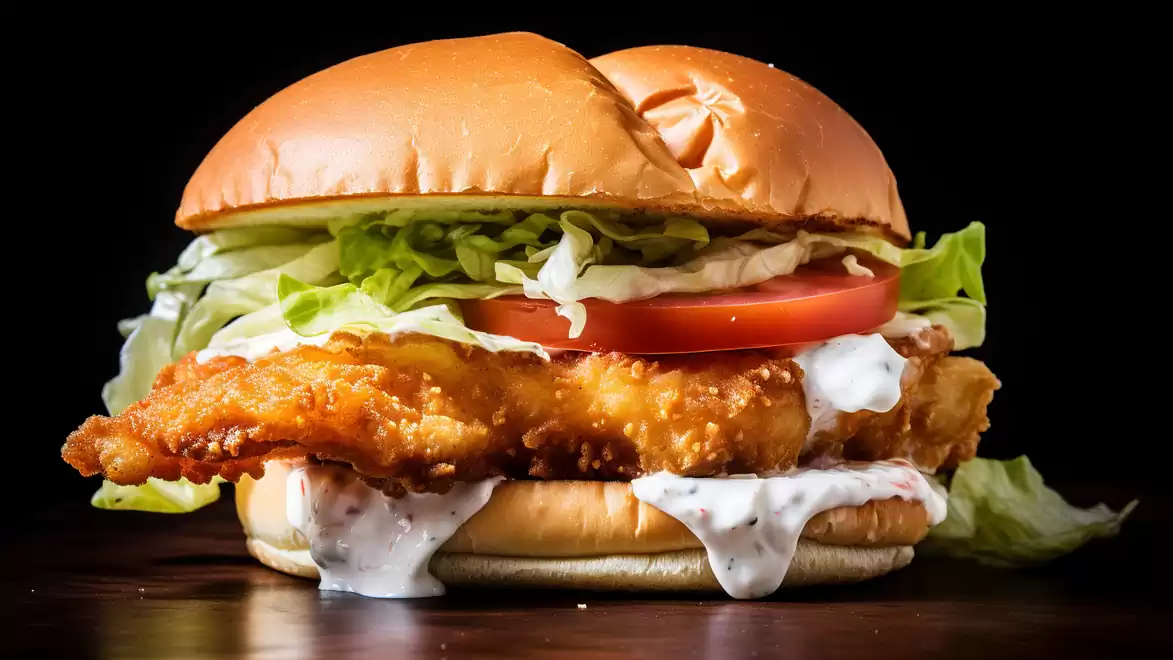
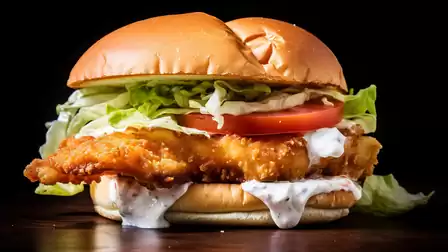
The Grouper Sandwich is one of the most famous seafood dishes in Florida, featured on the menus of many coastal restaurants. The Grouper is a firm, white fish with a mild, slightly sweet flavor that is highly prized for its delicate texture.
The Grouper Sandwich comes in different variations, with the most popular preparations being:
The fish is typically served on a burger bun or ciabatta, accompanied by lettuce, tomato, onion, and a flavorful remoulade or tartar sauce. Side dishes often include French fries, coleslaw, or sweet potato fries.
The Grouper Sandwich is a favorite all over Florida, particularly in coastal towns. Some of the best places to enjoy it include:
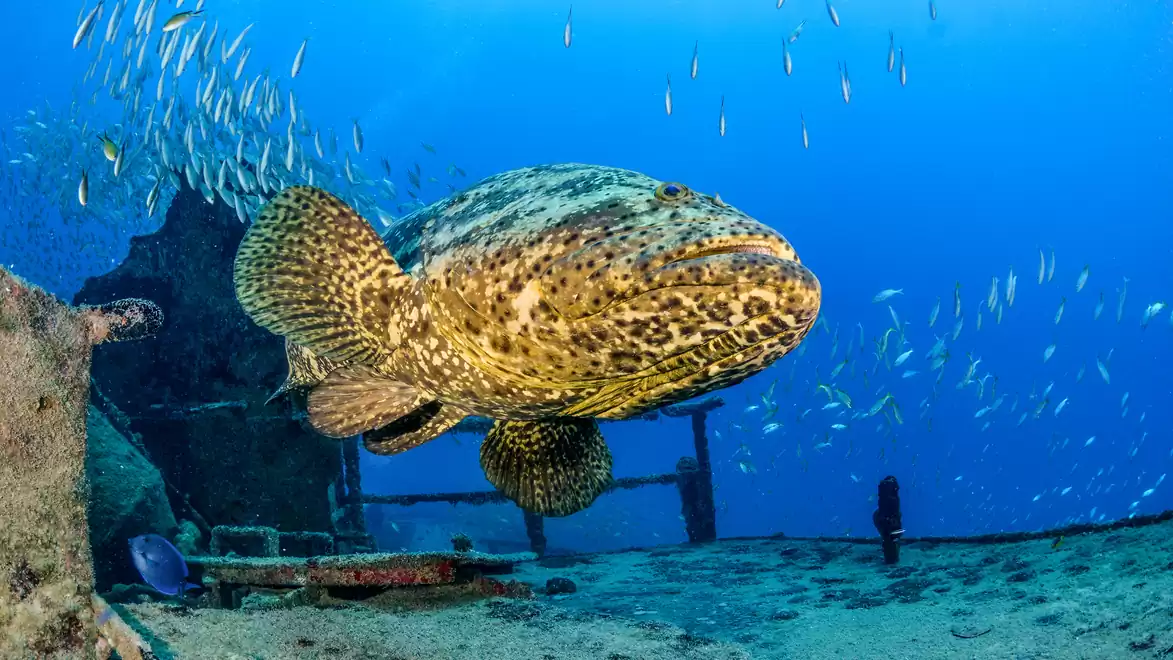
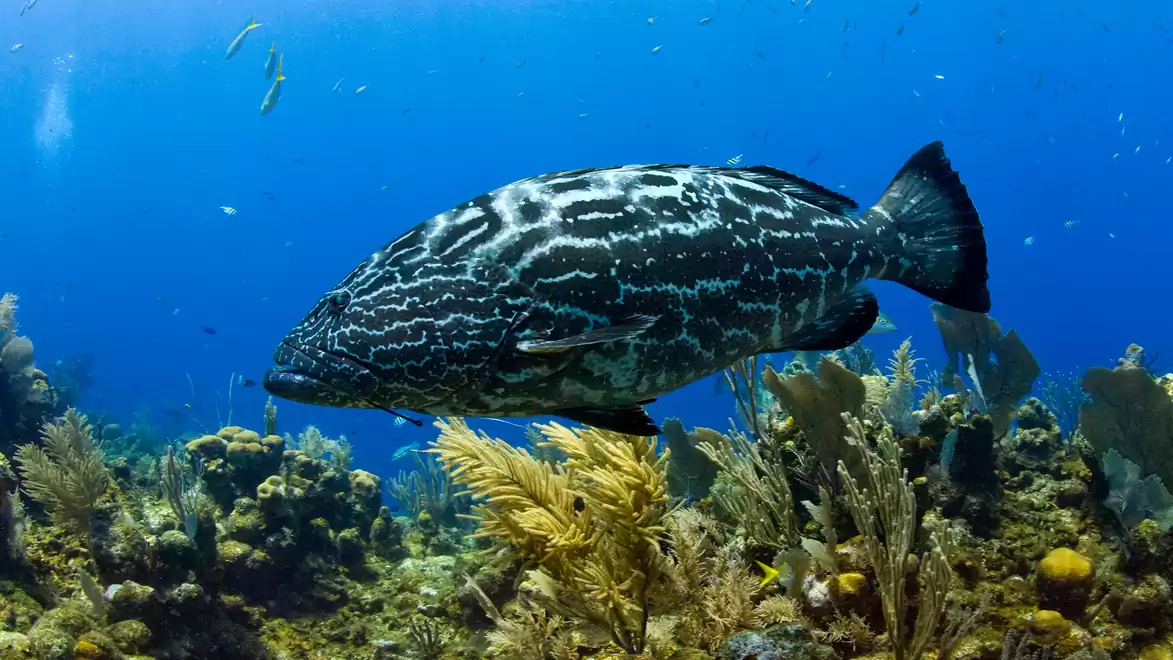
The term Grouper refers to various species of sea bass found in the warm waters of the Gulf of Mexico and the Atlantic Ocean around Florida. Some of the most well-known species include the Atlantic Goliath Grouper (Epinephelus itajara) and the Black Grouper (Mycteroperca bonaci). These fish are prized for their firm, white flesh and mild flavor, making them a popular choice in Florida’s coastal cuisine.
Groupers typically inhabit coral reefs, rocky coastal areas, and shipwrecks, where they grow to impressive sizes – some species can exceed one meter in length. Their firm texture and delicate flavor make them ideal for a variety of cooking methods.
Grouper is one of the most sought-after fish in Florida and is featured on menus across the state. It is incredibly versatile and can be grilled, fried, steamed, or breaded. Grouper sandwiches and Grouper tacos are especially popular, often served with fresh ingredients such as lime, mango, or homemade sauces.
For those looking to try fresh Grouper during their stay in Florida, these restaurants are known for serving high-quality dishes:
Grouper is a staple of Florida’s coastal cuisine. Whether grilled to perfection, served as a crispy sandwich, or enjoyed in a fresh salad, this fish is loved for its versatility and refined flavor.
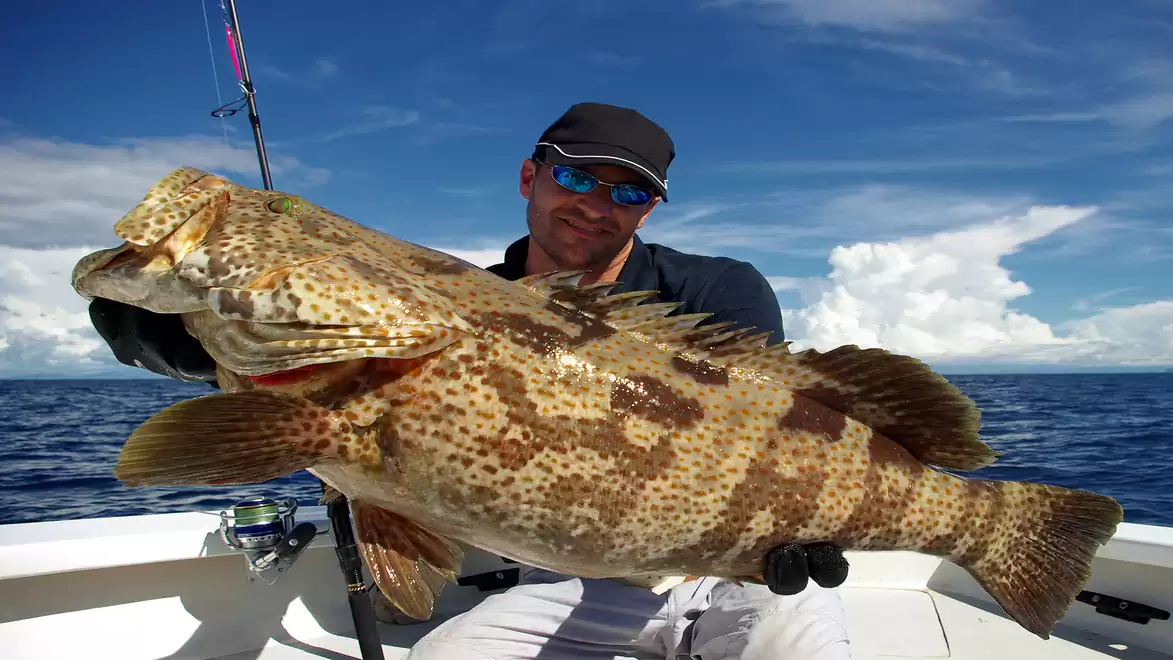
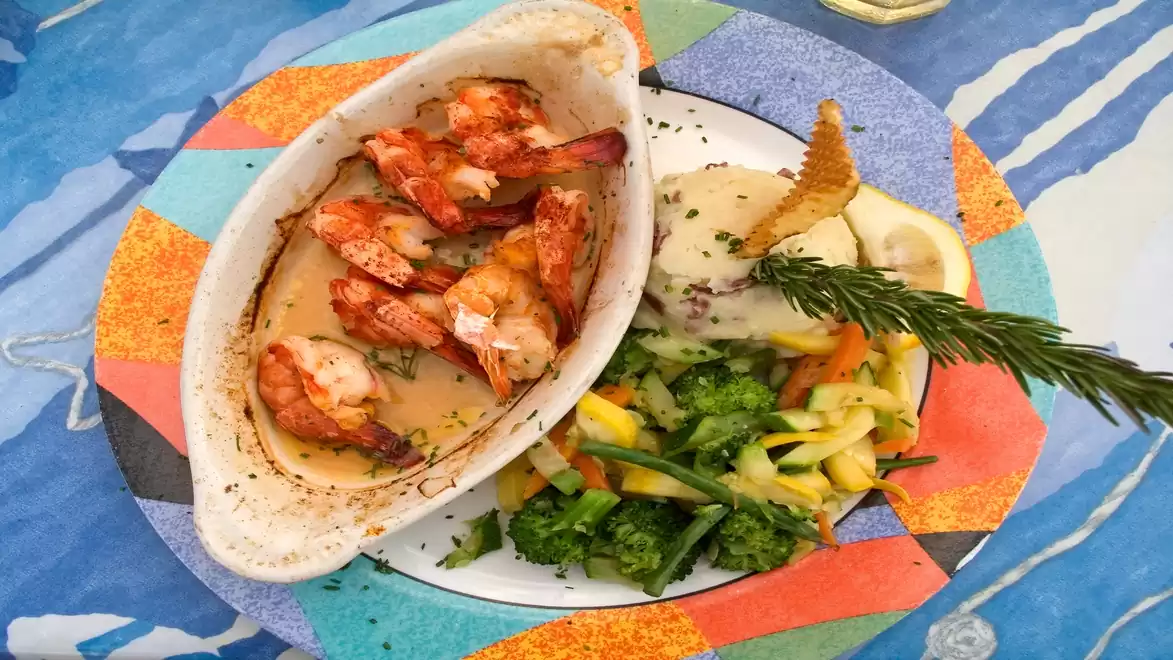
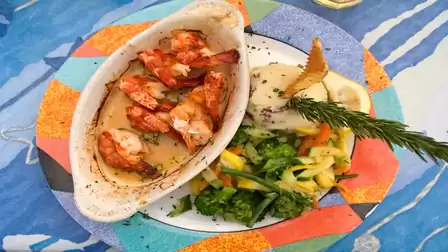
Gulf Shrimp are shrimp harvested from the warm waters of the Gulf of Mexico. They are known for their mild, slightly sweet flavor and firm texture, making them a sought-after ingredient in Florida’s coastal cuisine.
Florida is home to numerous restaurants that serve fresh Gulf Shrimp. Here are some top recommendations:
For those interested in learning more about Gulf Shrimp, Florida offers opportunities to witness the fishing and production process firsthand:
Enjoying Gulf Shrimp in Florida is not just about great food but also about discovering the region's fishing culture and traditions firsthand.
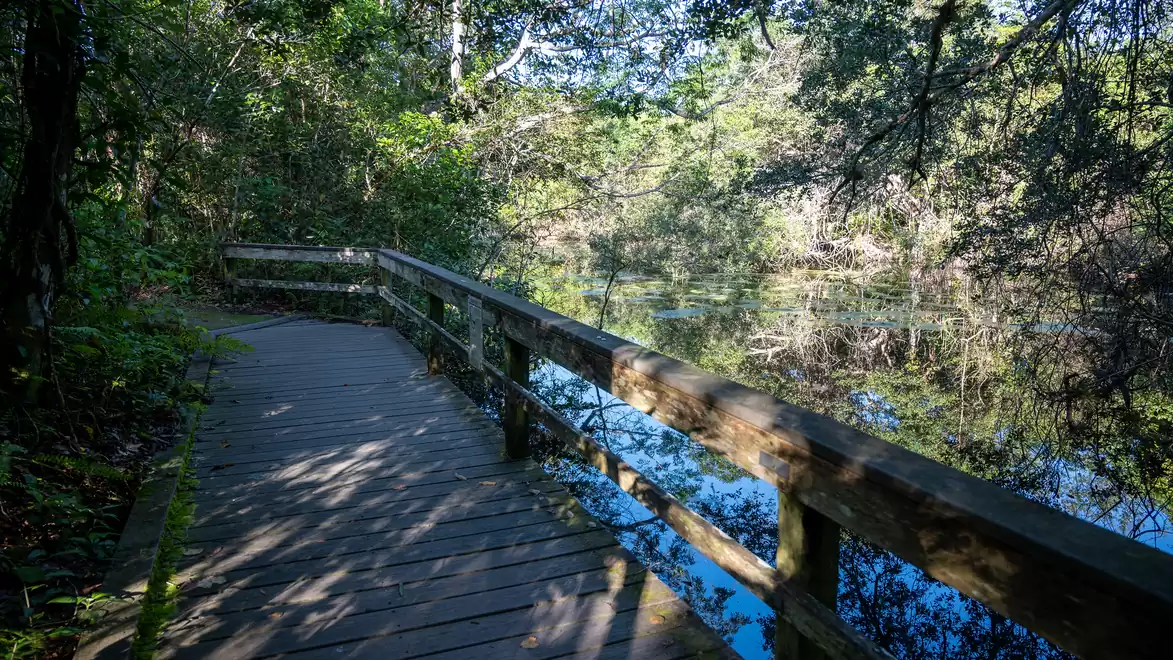
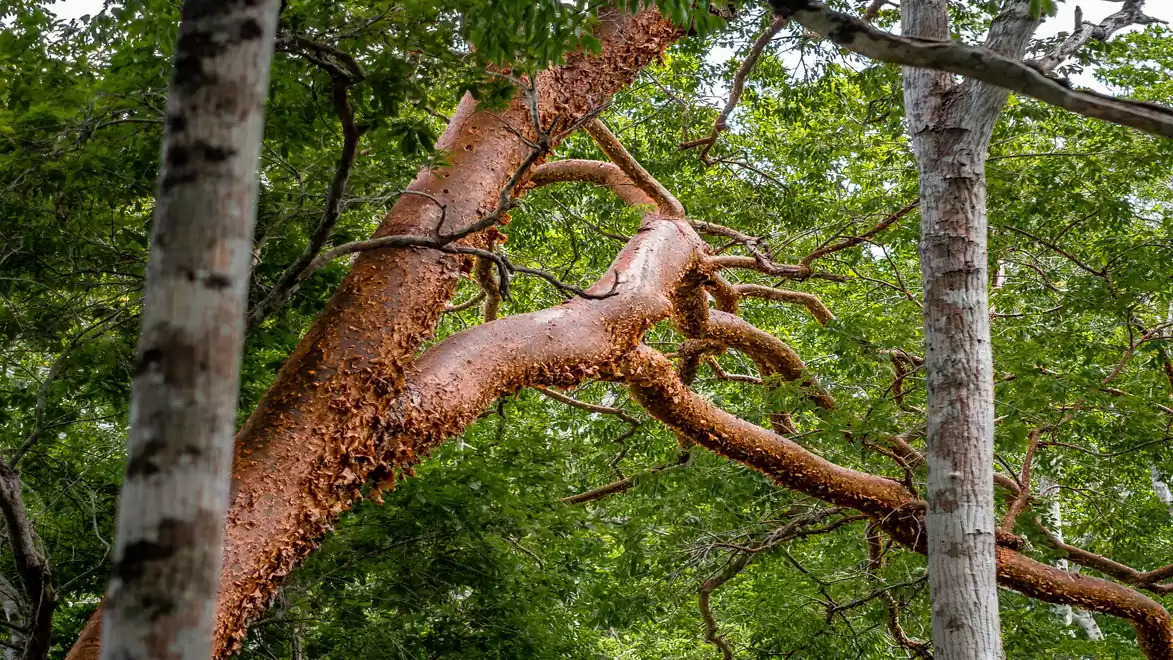
The Gumbo-Limbo Tree (*Bursera simaruba*), also known as the Tourist Tree, is a distinctive tree native to South Florida. It is easily recognized by its peeling, reddish-brown bark, reminiscent of sunburned skin, which has earned it the nickname "Tourist Tree." (UF/IFAS Gardening Solutions)
This semi-evergreen tree can reach heights of up to 50 to 60 feet, though it is often seen smaller in landscape settings. It has an open, irregular to rounded crown and develops thick branches with resinous, smooth, coppery bark that has an attractive, shiny appearance. (UF/IFAS EDIS)
The Gumbo-Limbo Tree is not only aesthetically pleasing but also ecologically valuable. Its fruit serves as an important food source for birds, including migratory species from North America. Additionally, its wood is used for light construction, and the resin is utilized as glue, varnish, and incense. (Wikipedia)
This tree is remarkably adaptable and thrives in various soil types, including saline and calcareous soils. It is also highly wind-resistant and is often planted in coastal areas. Due to its rapid growth and ability to thrive in challenging conditions, it is frequently used in reforestation projects. (Wikipedia)
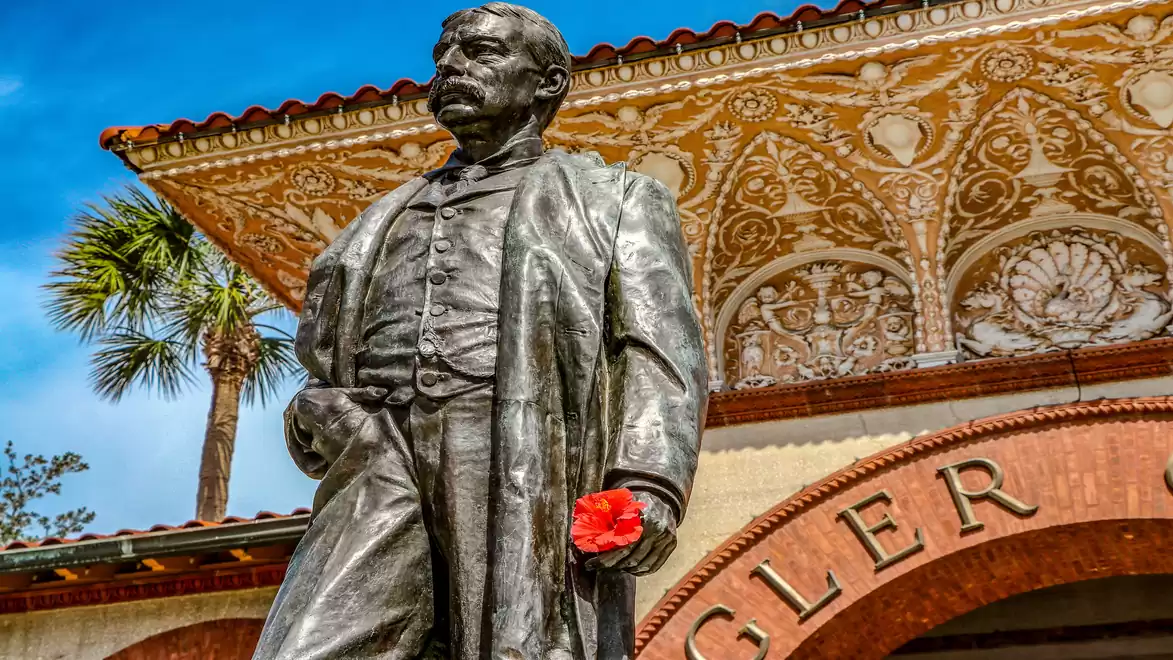
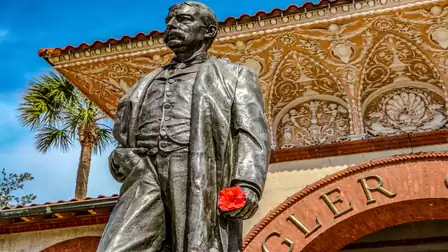
Henry Flagler (1830–1913) was an American industrialist and co-founder of Standard Oil. However, his lasting legacy lies in the development of Florida’s east coast, particularly through the construction of the Florida East Coast Railway and the promotion of cities such as St. Augustine, Palm Beach, and Miami. (Wikipedia)
Flagler recognized Florida’s economic potential and built a rail network stretching from Jacksonville to Key West. The completion of the Overseas Railroad in 1912 connected Florida’s east coast and accelerated economic growth. (Florida East Coast Railway)
Beyond the railway, Flagler made massive investments in Florida’s infrastructure:
Thanks to his investments, Miami grew from a small settlement into a thriving metropolis. (Flagler Museum)
To attract wealthy tourists, Flagler built extravagant hotels, including:
These luxurious establishments made Florida a premier travel destination and laid the foundation for its booming tourism industry. (The Breakers)
Henry Flagler invested over 40 million dollars into Florida’s development, significantly contributing to the state’s growth. Many of his structures and projects still stand today, serving as a testament to his entrepreneurial vision. (Florida Memory)
Henry Flagler is often called the “Architect of Florida’s East Coast.” Without his railway, investments, and vision, Florida would not be the thriving economic and tourism hub that it is today.
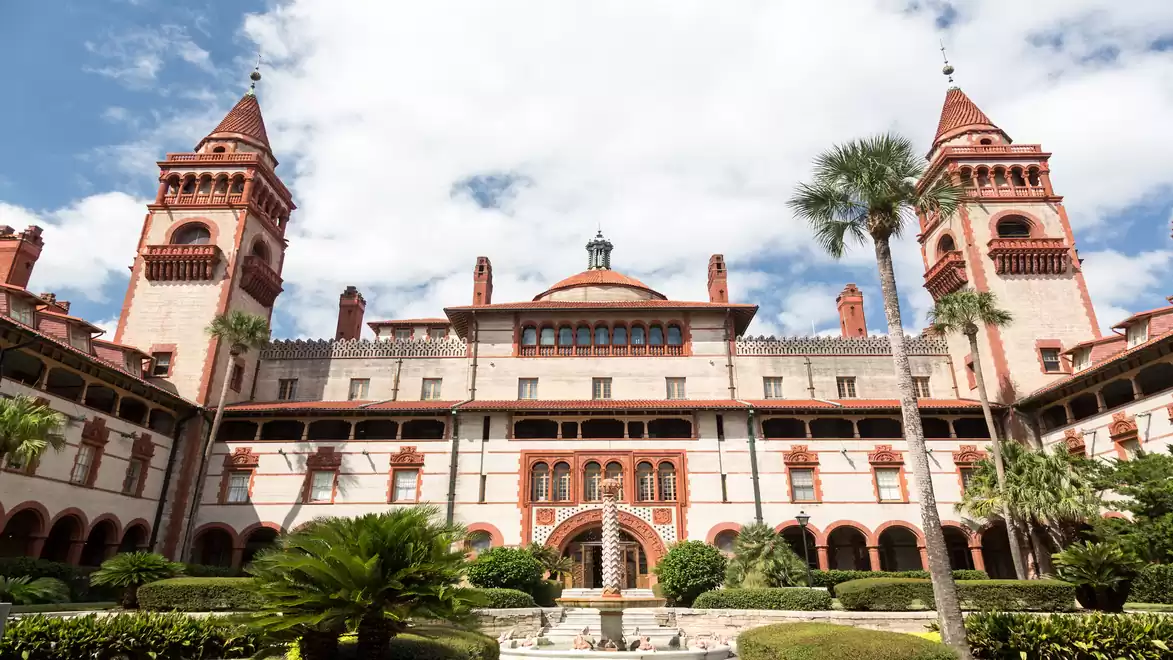

Henry Ford (1863–1947) was one of the most influential entrepreneurs of the 20th century and is considered the founder of modern automobile production. By introducing assembly line manufacturing, he revolutionized the industry and made cars affordable for the general public. His most famous model, the Ford Model T, became a symbol of progress and mobility. Beyond his role as an industrialist, Ford was also a passionate inventor, entrepreneur, and close friend of Thomas Edison. This friendship led him to Fort Myers, Florida, where he acquired a winter residence.
In 1916, Ford purchased a property right next to Edison’s estate to spend the winters in Florida and take a break from his hard work in Detroit. His residence, which he called “The Mangoes”, quickly became a hub for innovation and exchange. He spent many winters there with Edison, discussing new technological developments. Together, they explored alternative energy sources and the use of natural rubber in automobile manufacturing.
Henry Ford changed the world with his inventions and ideas:
These innovations played a major role in shaping modern society.
Today, Ford’s winter residence and Edison’s estate are preserved as the Edison & Ford Winter Estates in Fort Myers. Visitors can explore the historic buildings, workshops, and the botanical garden. Furthermore, Henry Ford remains a significant figure in American history – not only as an inventor and businessman but also as a visionary who transformed an entire industry.

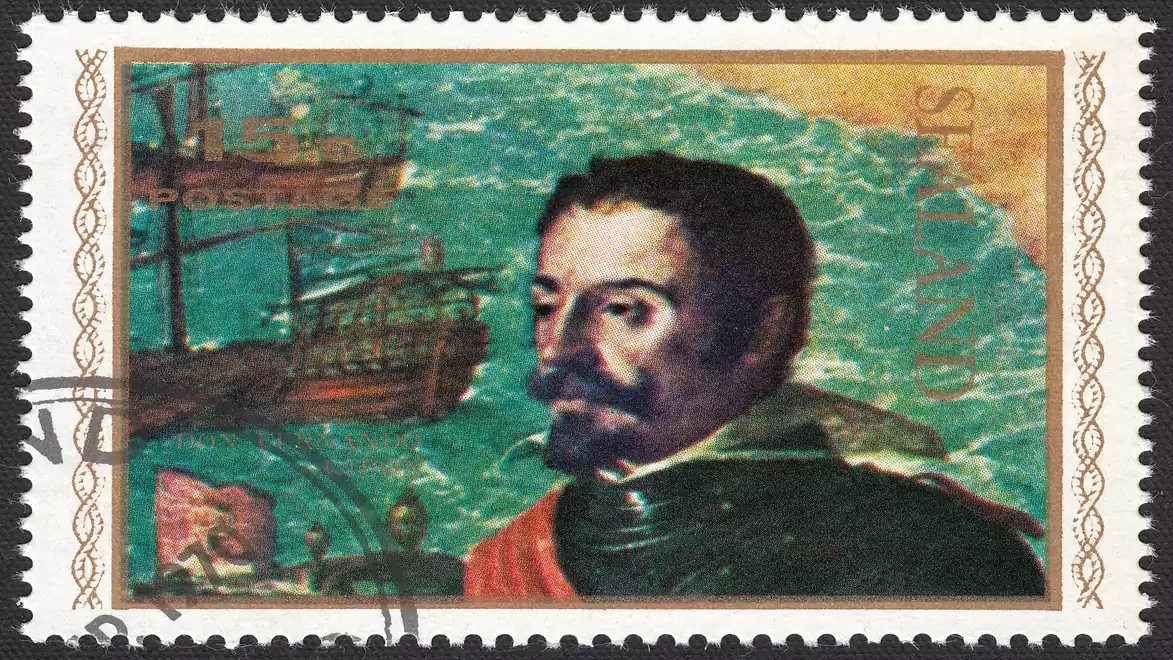
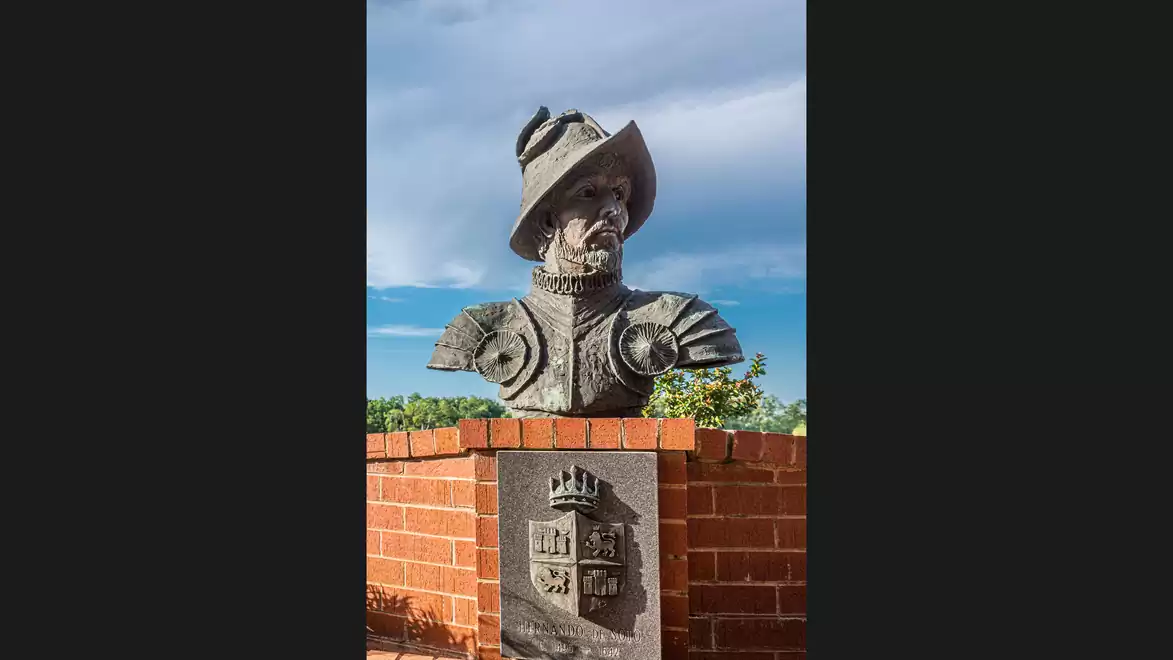
Hernando de Soto (c. 1496–1542) was a Spanish explorer and conquistador known for his expeditions into the New World. He played a significant role in exploring the southeastern part of what is now the United States and was the first European to cross the Mississippi River. (HISTORY)
In May 1539, de Soto landed with a fleet of nine ships and over 600 men on the west coast of Florida, near present-day Tampa Bay. The expedition included 220 horses, a herd of pigs, war dogs, cannons, muskets, armor, tools, and supplies. Their mission was to “conquer, populate, and pacify” the land. (National Park Service)
During their four-year, over 4,000-mile journey through the southeastern United States, the expedition encountered numerous indigenous tribes. Conflicts often arose as the Spaniards requisitioned food and enslaved natives to serve as guides and porters. These encounters led to significant losses on both sides and profoundly affected the cultures of the indigenous peoples. (NCpedia)
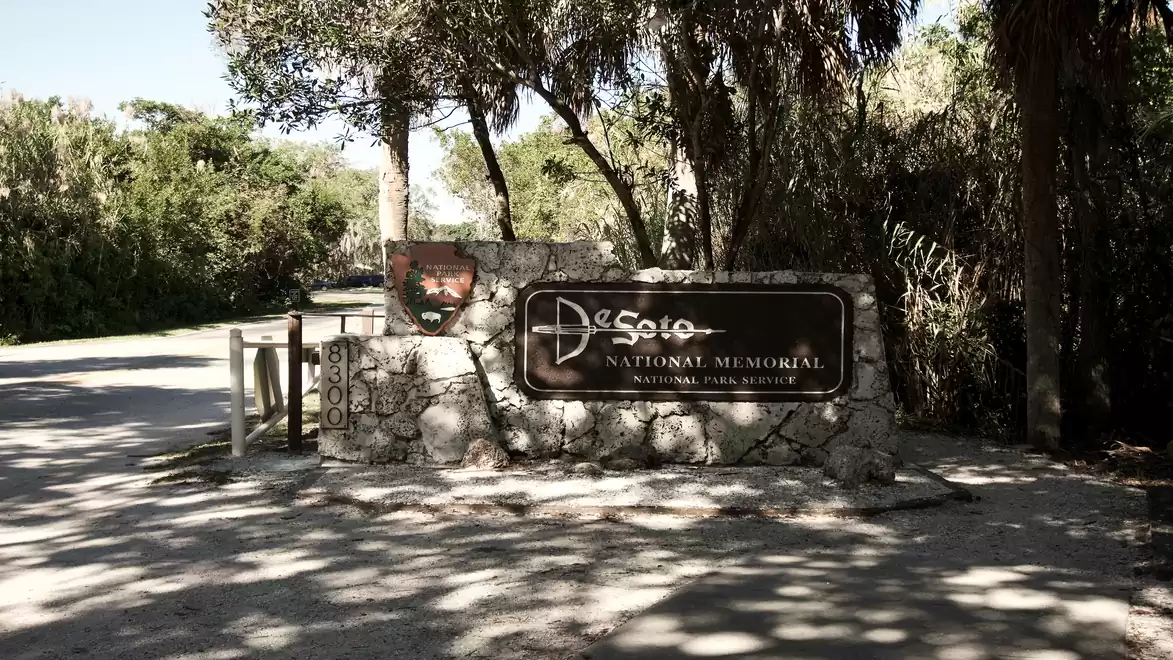
Although de Soto did not find the riches he sought and died in 1542 during the expedition, his journey greatly contributed to European understanding of the geography and indigenous cultures of North America. Today, the De Soto National Memorial in Florida commemorates his landing and subsequent explorations. (National Park Service)
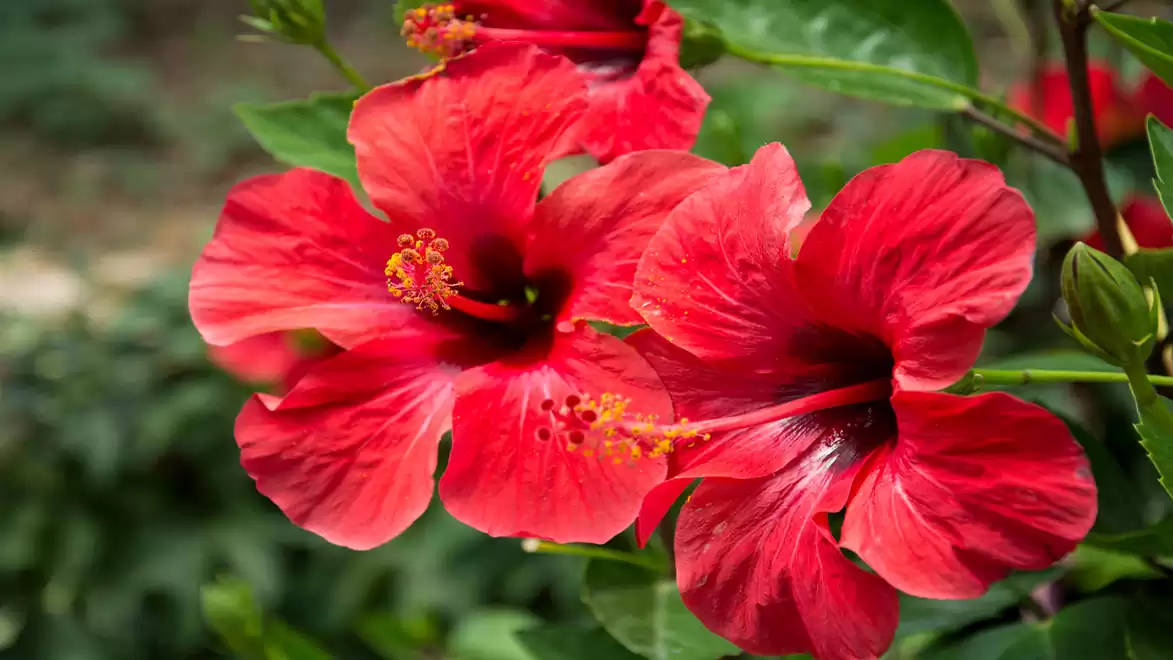
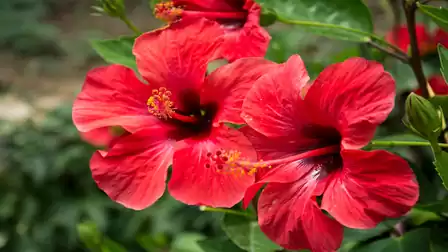
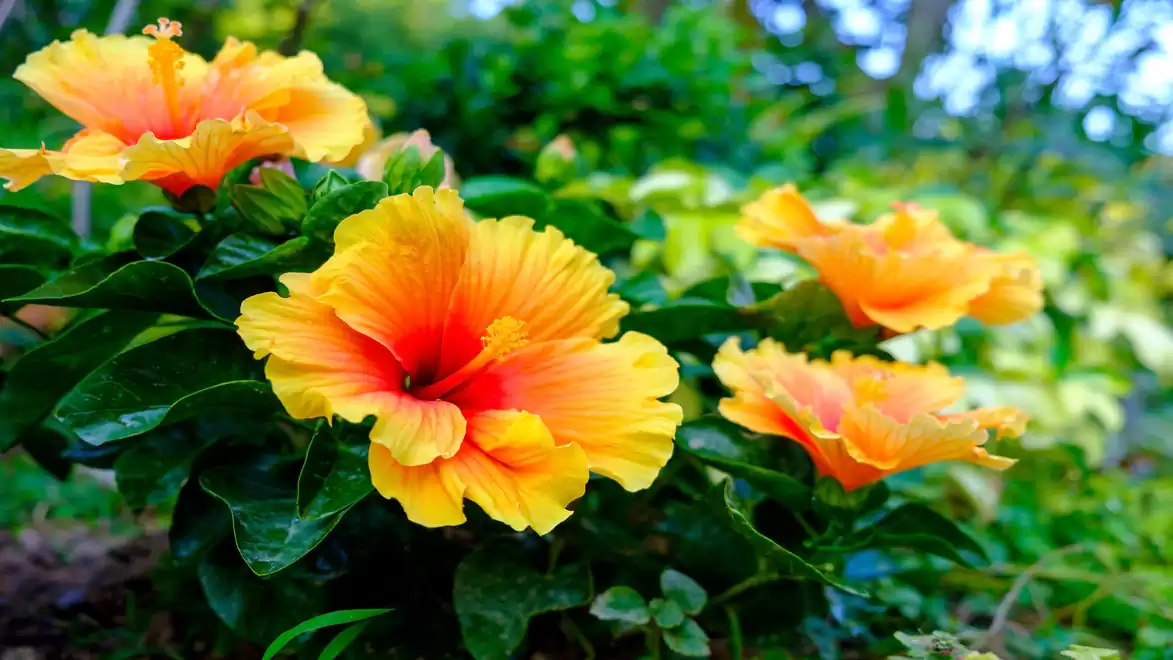
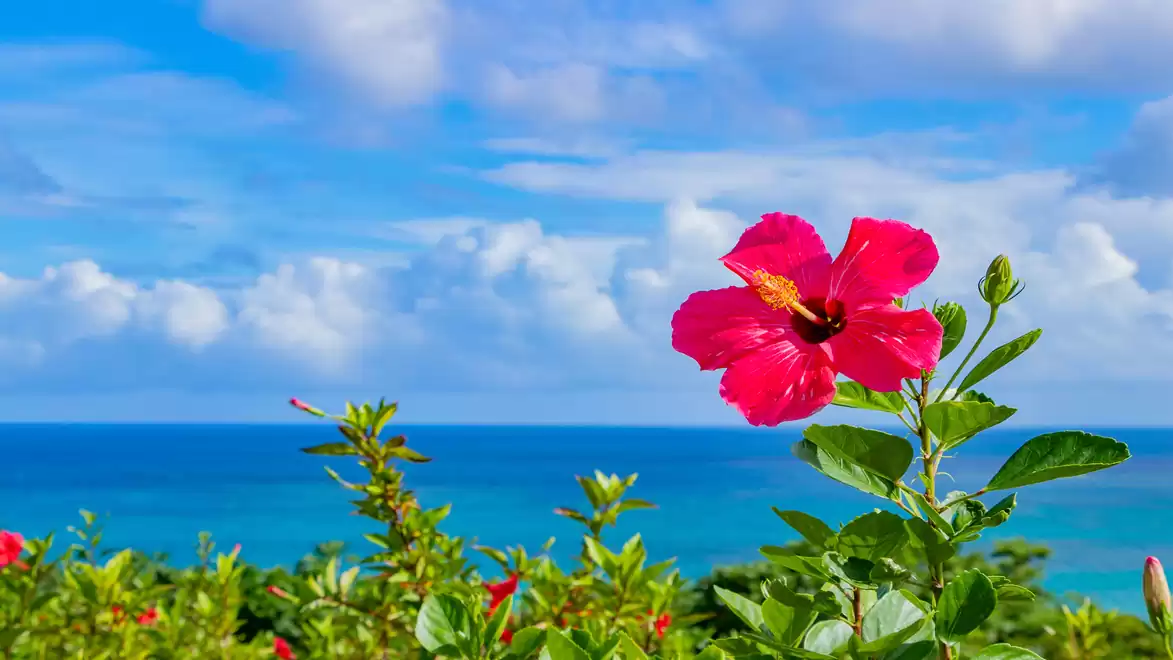
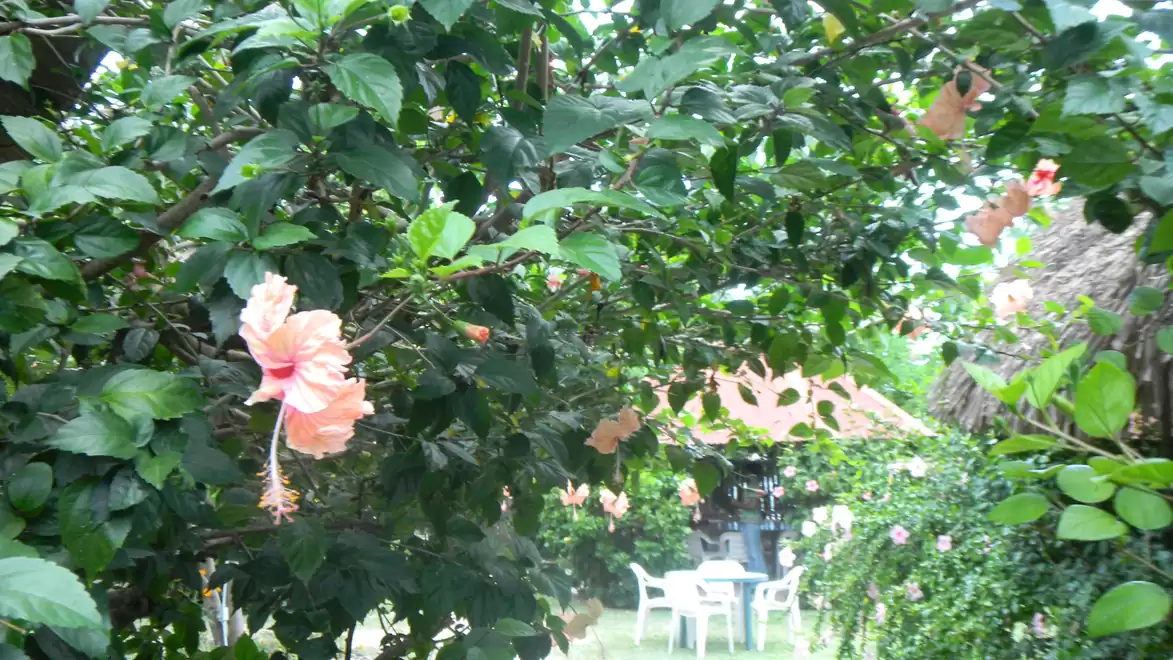
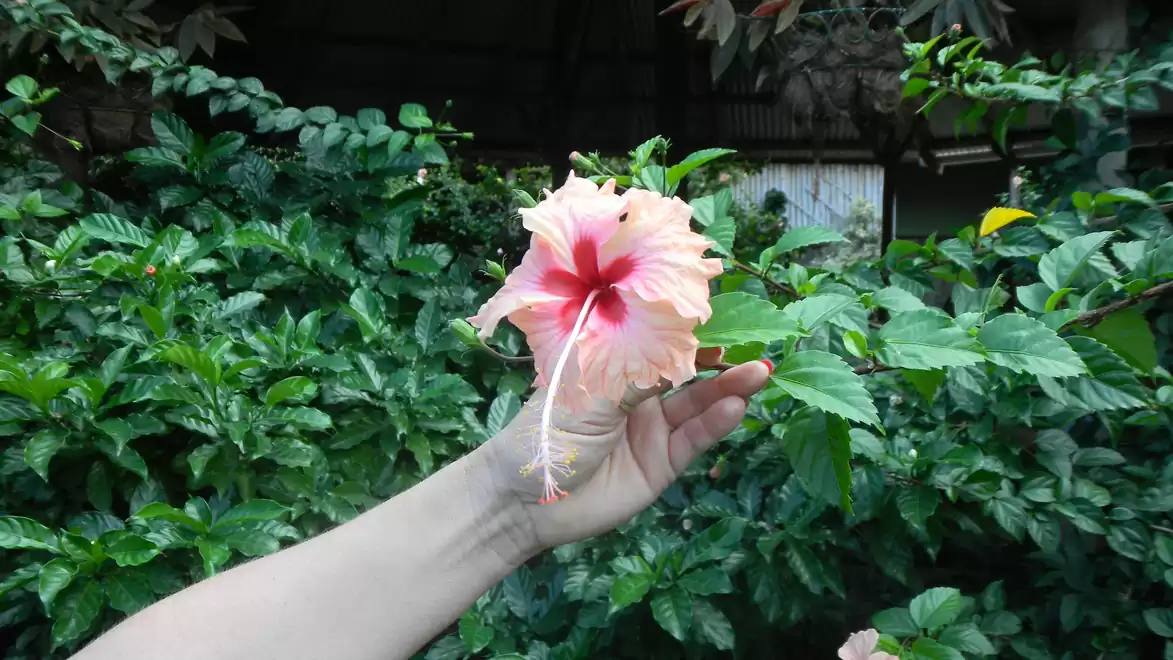
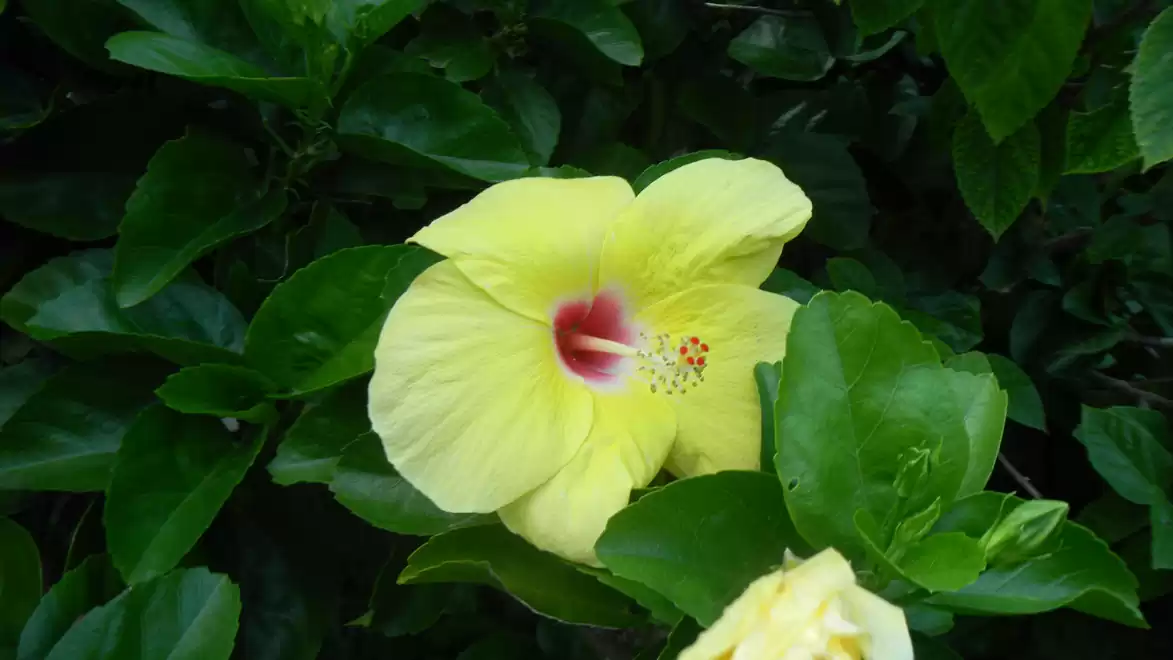
The Hibiscus (*Hibiscus*) belongs to the mallow family and thrives in tropical and subtropical regions. Its large, vibrant flowers in scarlet red, yellow, orange, and many other hues make it one of Florida’s most striking plants. While each bloom lasts only one to two days, the plant flowers almost year-round. (UF/IFAS Gardening Solutions)
The Hibiscus thrives in sunny, warm locations and prefers well-drained, nutrient-rich soil. It requires regular but moderate watering, as excessive moisture can lead to root rot. Pruning encourages a fuller bloom and promotes continuous flowering. (RHS Gardening Guide)
In Florida, the most common varieties include the Chinese Hibiscus (*Hibiscus rosa-sinensis*), widely used as an ornamental garden plant, and the Swamp Hibiscus (*Hibiscus moscheutos*), which thrives in wetter areas. Both varieties contribute to the lush, tropical landscape. (Better Homes & Gardens)
Hibiscus flowers are not only appreciated for their beauty but are also used in herbal medicine and as an ingredient in teas and beverages. In many cultures, the plant symbolizes beauty, love, and exotic charm. (Wikipedia)
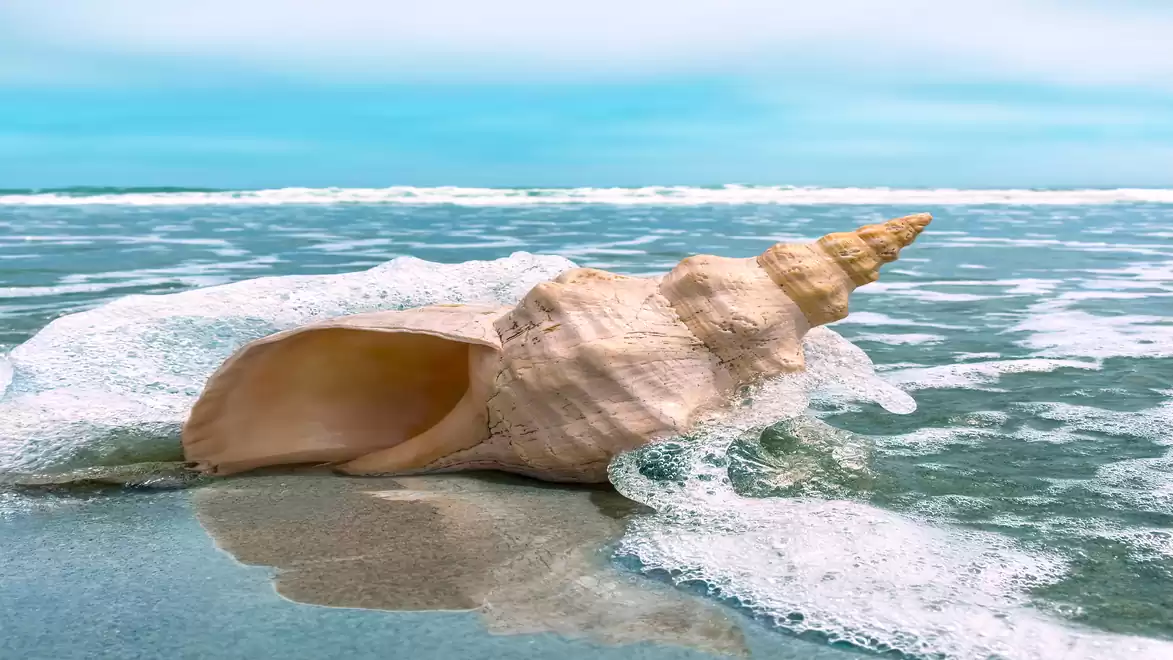
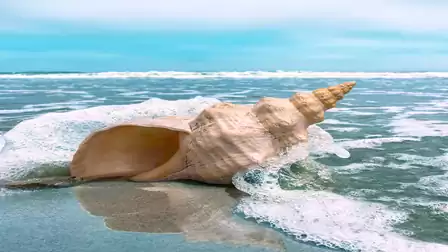
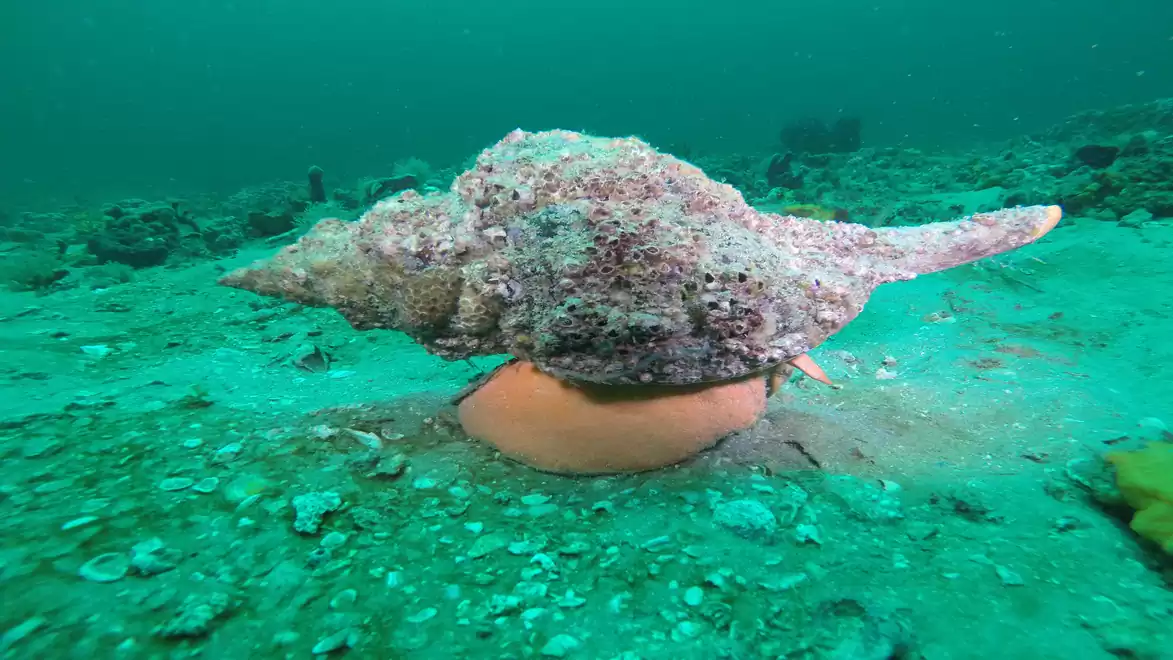
The Horse Conch (*Triplofusus giganteus*), also known as the Giant Florida Conch, is one of the largest marine snails in the world. With a shell length of up to 60 cm, it is the largest gastropod species found in U.S. waters and was designated as Florida’s official state shell in 1969.
The Horse Conch is primarily found in the warm waters of the Gulf of Mexico and along the Florida coastline. It prefers seagrass beds, sandy ocean floors, and shallow reefs where it feeds on other mollusks. It is most commonly spotted in the waters of the Florida Keys.
The shell of the Horse Conch is strikingly bright orange when young, gradually fading to beige or brown as it matures. The snail itself has vivid orange soft tissues. Due to its impressive size and distinctive appearance, its shells are highly sought after by collectors.
Historically, indigenous peoples of Florida used the sturdy shells of the Horse Conch as tools, drinking vessels, and even musical instruments. Today, the species is best known for its spectacular shells, which are frequently collected by divers and beachcombers.
The Horse Conch is not only an iconic symbol of Florida but also an important species within the coastal ecosystem. With some luck, visitors exploring Florida’s beaches might come across one of these impressive shells – a lasting souvenir of the state’s diverse marine life.
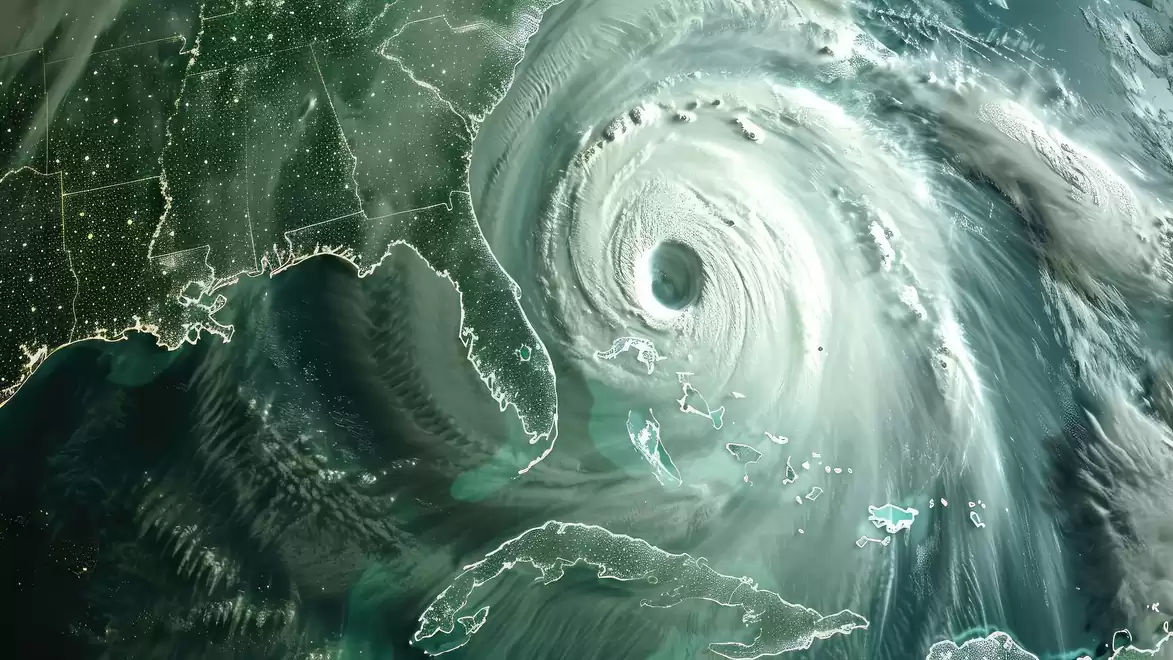
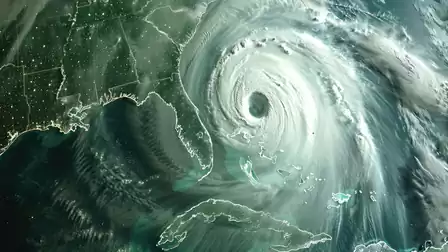
A hurricane is a massive tropical cyclone that forms over warm ocean waters, bringing strong winds, heavy rain, and high waves that can cause significant destruction. These storms develop in the tropical and subtropical regions, particularly in the Atlantic and eastern Pacific, and are classified into five categories based on their wind speed.
The center of a hurricane, known as the eye, is typically surprisingly calm, while the surrounding eyewall has wind speeds exceeding 250 km/h (155 mph). Along with these extreme winds, hurricanes often bring:
The hurricane season in the Atlantic officially runs from June to November, with most major storms occurring between August and October. Thanks to modern weather forecasting, meteorologists can detect the formation and path of hurricanes early, allowing for timely warnings and evacuations.
Despite their destructive power, hurricanes play a crucial role in the global climate system. They help transfer heat energy from the tropics to temperate regions, influencing weather patterns worldwide. Nevertheless, proper preparation for such storms is essential to minimize damage and protect lives.
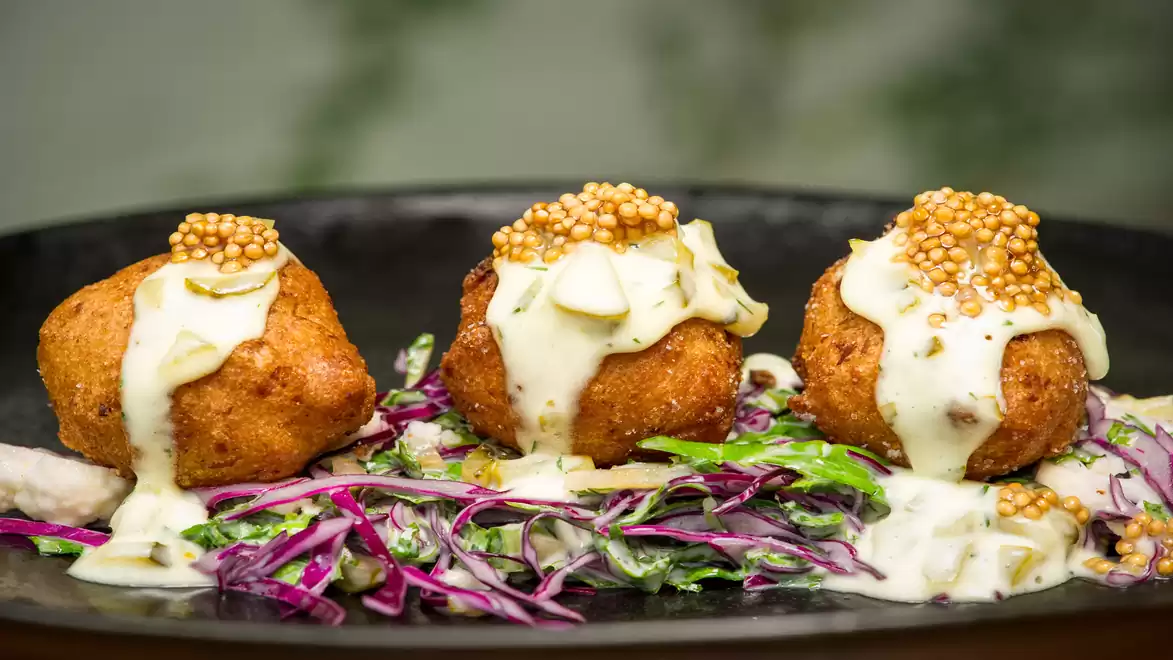
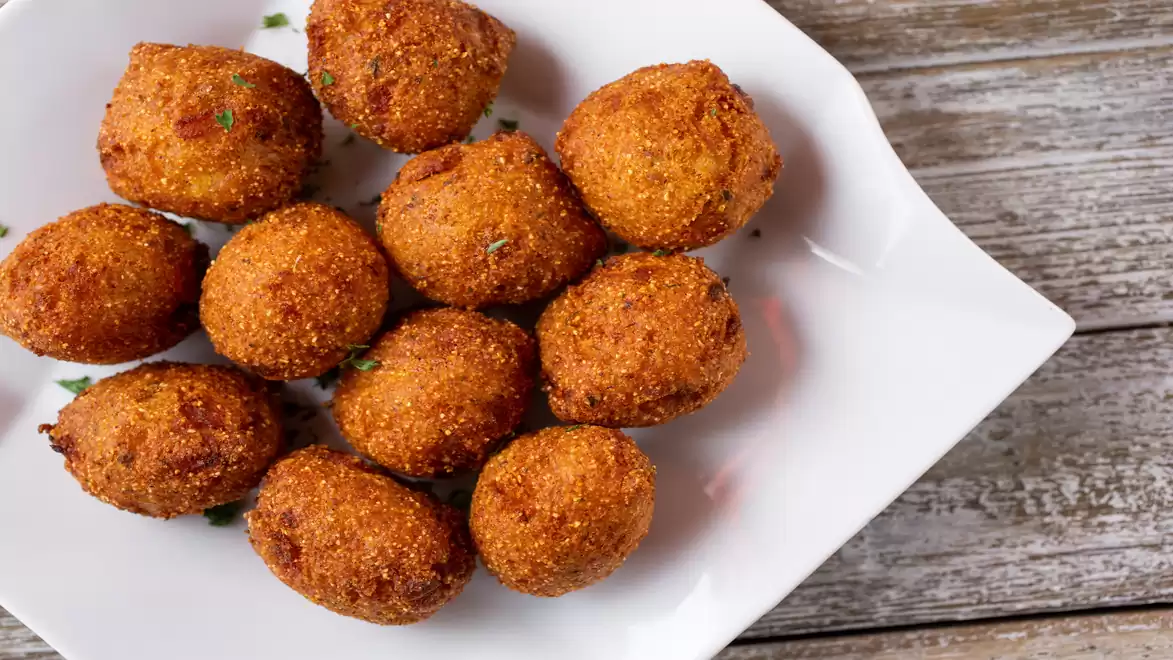
Hush Puppies are a beloved Southern specialty commonly found throughout Florida. These deliciously crispy cornmeal fritters are golden-brown on the outside yet soft and fluffy on the inside. Originating from Southern American cuisine, they have become a popular side dish enjoyed by locals and visitors alike.
In Florida, hush puppies are traditionally served alongside seafood dishes, especially fried fish and shrimp. They are often paired with dipping sauces, such as tartar or spicy remoulade, enhancing their crispy texture and savory flavor.
The term "Hush Puppies" is believed to have originated from cooks who fried leftover cornmeal batter and tossed it to barking dogs to "hush the puppies." Today, this tasty treat has become an essential part of Southern dining culture.
When visiting Florida, tasting authentic hush puppies is a must – offering a delicious glimpse into the rich culinary traditions of the South.

A Jet Ski is a motorized watercraft that is ridden similarly to a motorcycle on water. Using a special water jet propulsion system, water is drawn in and expelled at high speed to propel the vehicle forward. Jet Skis are fast, agile, and provide an exciting riding experience – perfect for both beginners and experienced water sports enthusiasts.

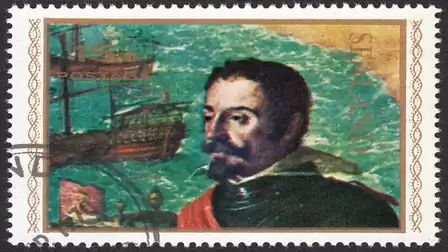
José Gaspar, also known as Gasparilla, is said to have been a Spanish pirate who terrorized Florida's west coast in the late 18th and early 19th centuries. Although historical evidence of his existence is lacking, his legend is deeply rooted in Florida's culture. (ymkg.com)
According to lore, Gaspar was a Spanish nobleman who turned pirate, capturing over 400 ships over 37 years. He is said to have buried his treasure on an island off the coast of Florida, attracting treasure hunters to this day. (Wikipedia)
One legend suggests that Gaspar named an island Captiva Island because he held captive women there. These stories contribute to the region's mystical aura. (SanCap Chamber)
Each year, Tampa celebrates the Gasparilla Pirate Festival, reenacting Gaspar's supposed invasion. Thousands of visitors participate in parades featuring pirate costumes and elaborate floats. This festival is a significant cultural event, attracting numerous tourists. (Gasparilla Pirate Fest)
Although the existence of José Gaspar is not historically documented, his legend lives on in Florida. Places like Captiva Island and events like the Gasparilla Festival keep the pirate's stories alive, enriching the region's cultural identity.


Juan Ponce de León (c. 1474–1521) was a Spanish explorer and conquistador, known as the first European to set foot in Florida. Born in Spain, he participated in Christopher Columbus's second voyage and played a significant role in the Spanish colonization of the Caribbean. (History.com)
In 1513, Ponce de León led an expedition in search of new lands. On April 2, 1513, he sighted land and named it La Florida, both because of its lush vegetation and in reference to the Spanish Easter celebration Pascua Florida (Festival of Flowers). He likely landed near present-day St. Augustine and claimed the area for Spain. (History.com)
A popular legend suggests that Ponce de León was searching for the Fountain of Youth, a spring that grants eternal youth. Although there is no contemporary evidence to support this claim, the story became widespread after his death. Today, the Fountain of Youth Archaeological Park in St. Augustine commemorates this legend and attracts numerous visitors. (Fountain of Youth Archaeological Park)
Ponce de León's discoveries significantly contributed to European knowledge of the New World. His name is ubiquitous in Florida, with numerous places and monuments named in his honor, including several statues in St. Augustine. (Florida's Historic Coast)
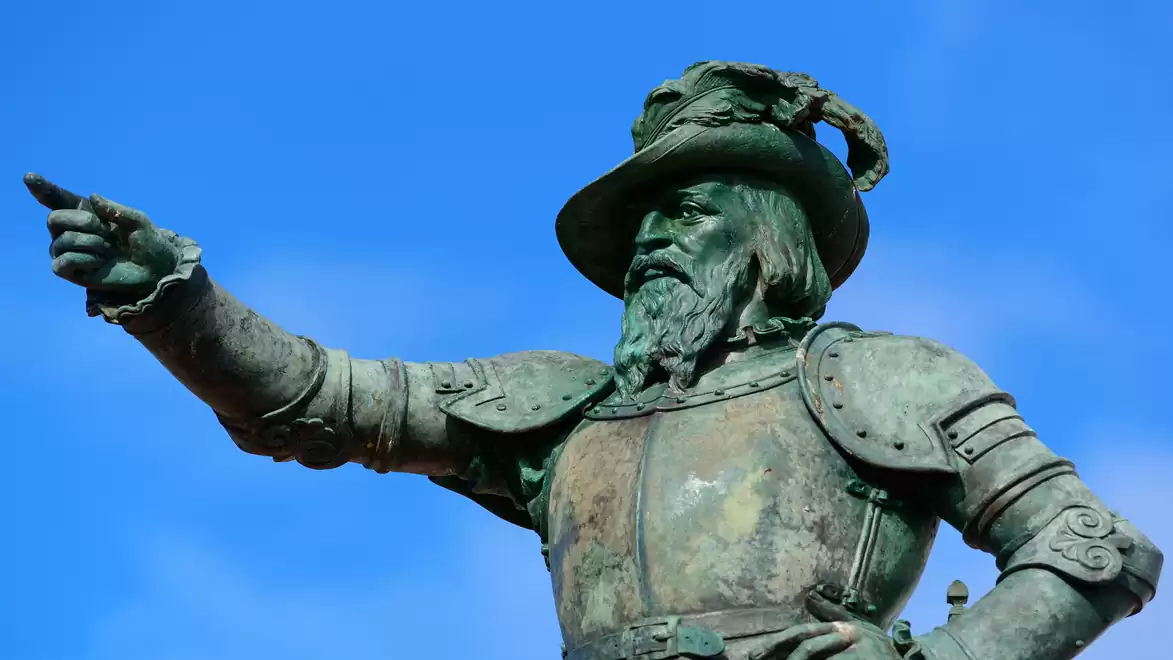
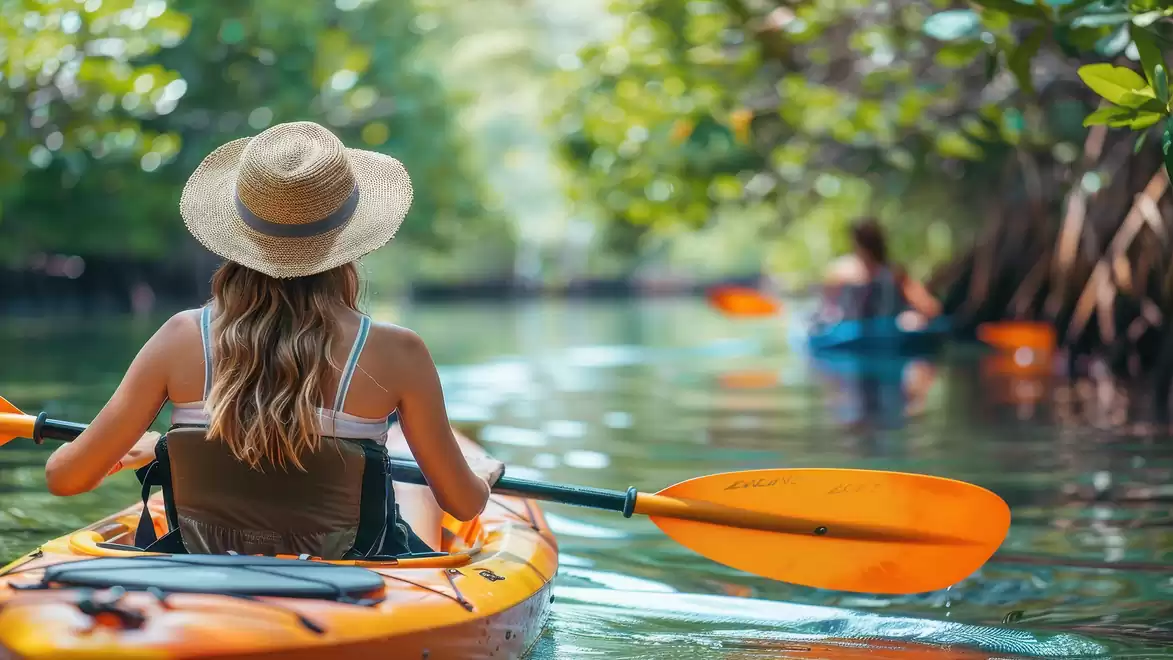
Kayaking is a popular water sport that offers both relaxation and excitement. With a kayak – a narrow, lightweight boat steered with a double-bladed paddle – you can glide through rivers, lakes, coastal waters, or mangrove forests. This activity is not only an excellent full-body workout but also a great way to experience nature from a unique perspective.
A kayak is a sleek, maneuverable boat originally developed by the Inuit for hunting in cold waters. Today, there are different types of kayaks designed for various purposes:
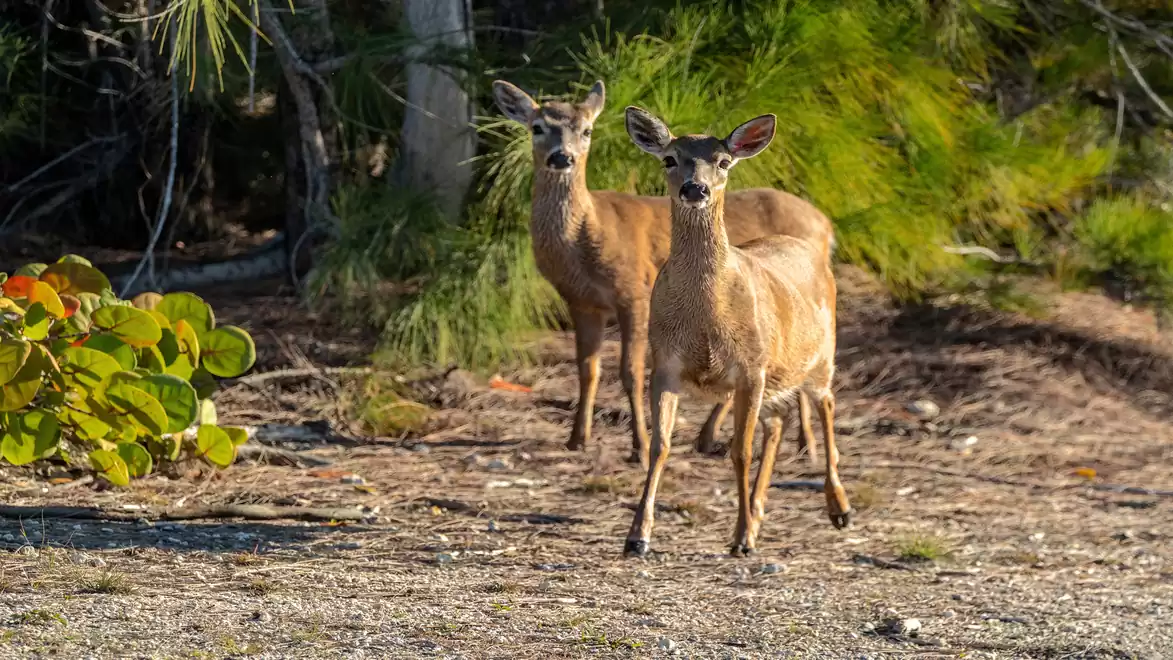
The Key Deer (*Odocoileus virginianus clavium*) is an endangered subspecies of the white-tailed deer, found exclusively in the Florida Keys. As the smallest North American deer species, adult males, known as bucks, reach a shoulder height of approximately 61 to 81 centimeters and weigh between 25 and 34 kilograms. Females are slightly smaller and lighter.
Originally, Key Deer were found throughout the lower Florida Keys, but today, their habitat is mainly restricted to Big Pine Key and No Name Key. They inhabit a variety of environments, including pine forests, hardwood hammocks, mangroves, and freshwater wetlands.
Key Deer are herbivores and feed on more than 160 plant species, including red mangroves, grasses, and palm berries. They are most active during dawn and dusk, making them easier to spot during these times.
By the 1950s, the Key Deer population had declined to around 25 individuals due to hunting and habitat destruction. Thanks to conservation efforts, including the establishment of the National Key Deer Refuge in 1957, the population has recovered to an estimated 700 to 800 deer. However, threats such as road traffic, habitat loss, and rising sea levels due to climate change continue to impact their survival.
The Key Deer is a symbol of the rich biodiversity of the Florida Keys. Visitors to the region have the opportunity to observe these rare deer in their natural habitat, particularly at the National Key Deer Refuge on Big Pine Key.
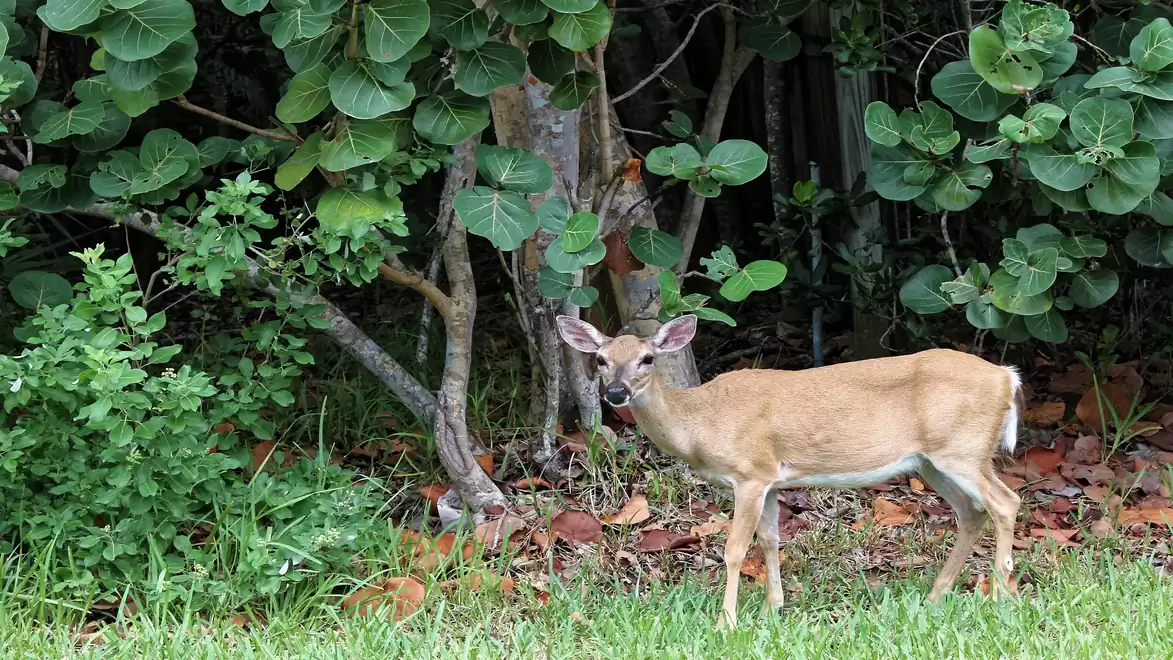
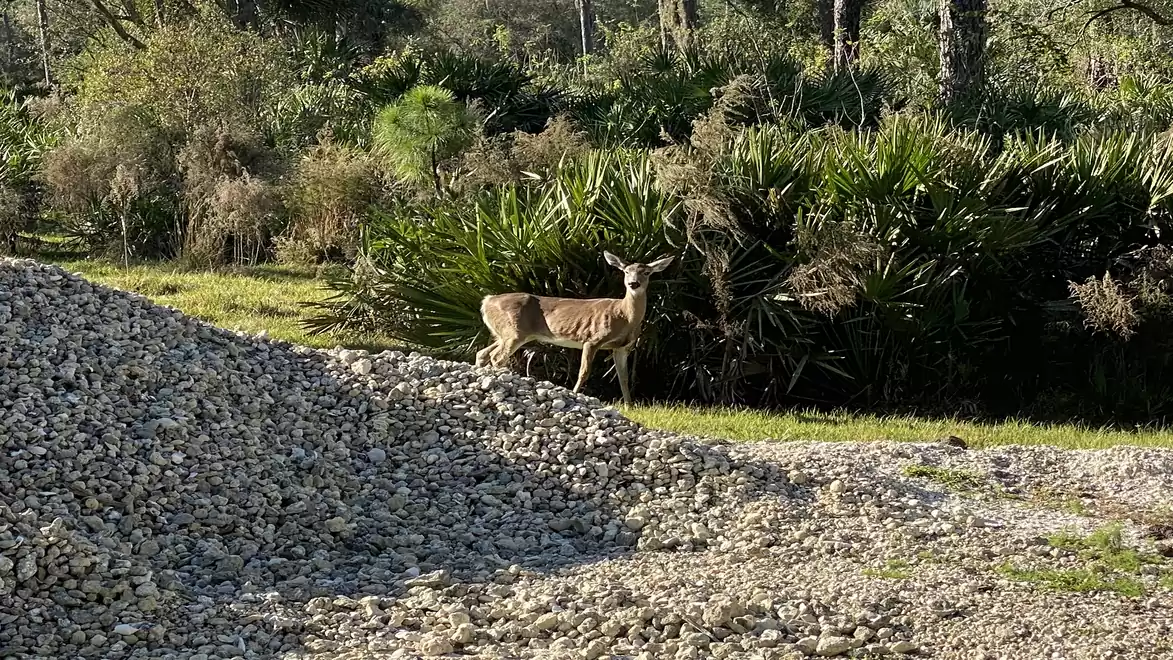
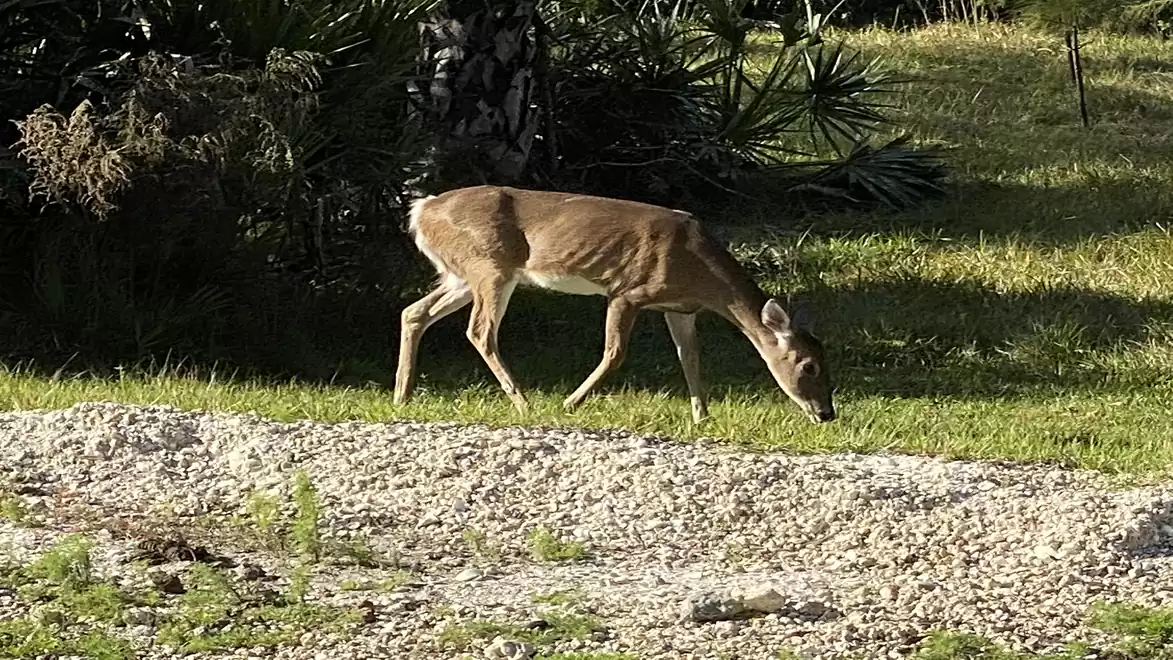
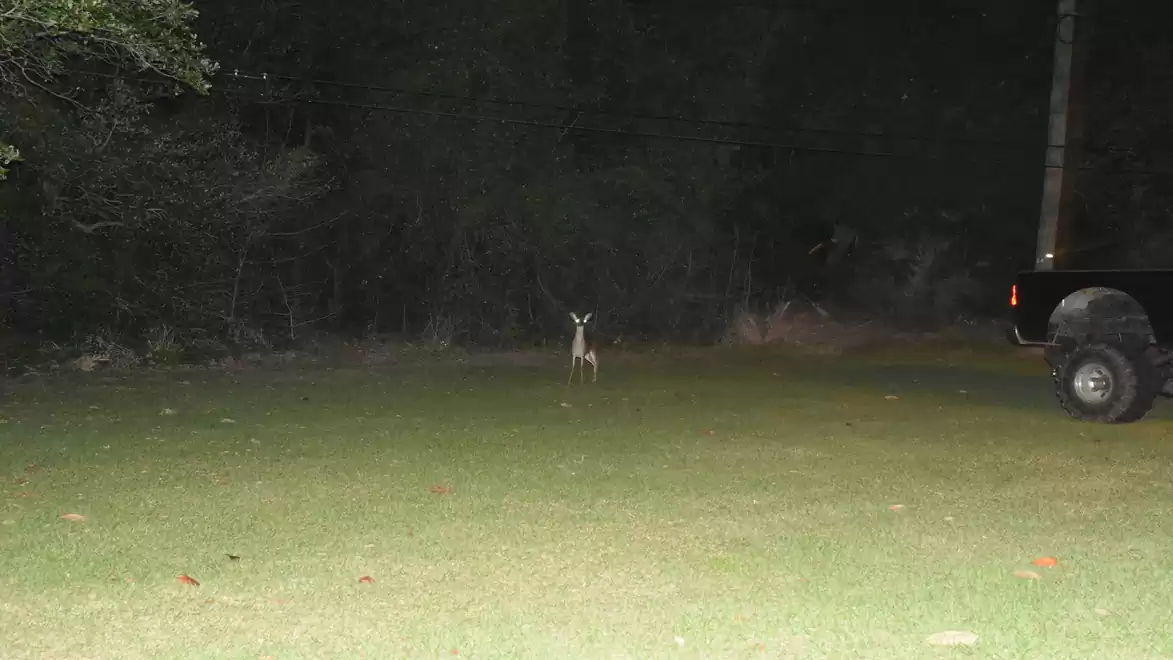
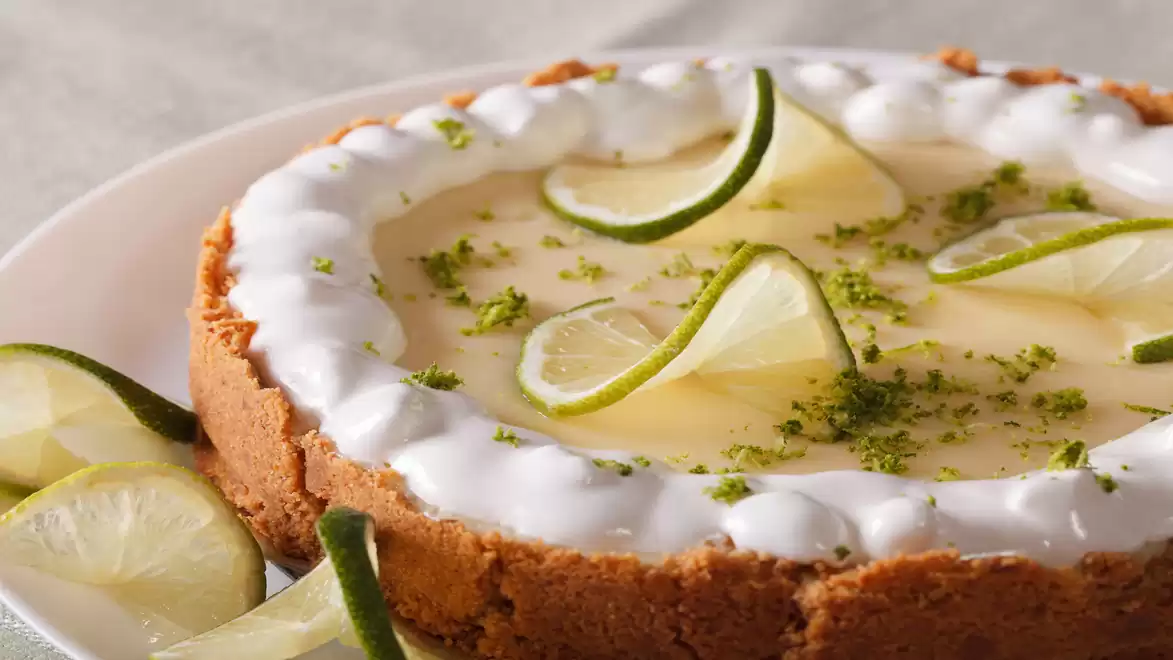
The Key Lime Pie is a traditional American dessert originating from the Florida Keys. It consists of a crust, a filling made from lime juice, egg yolks, and sweetened condensed milk, and is topped with either meringue or whipped cream. The distinctive Key Limes are small, yellow limes that impart the pie's characteristic flavor. An authentic Key Lime Pie has a yellow filling, not green, as the juice of Key Limes and the egg yolks produce this color.
The exact origin of Key Lime Pie is disputed. One popular theory suggests that the pie was created in the late 19th century in Key West, Florida. According to legend, a cook named "Aunt Sally" made the pie for Florida's first millionaire, William Curry. Another theory attributes its creation to fishermen who used the limited available ingredients, such as sweetened condensed milk, eggs, and lime juice, to make a simple pie.
A traditional Key Lime Pie is made with a crust of graham cracker crumbs, a filling of Key lime juice, egg yolks, and sweetened condensed milk, and topped with meringue or whipped cream. The acidity of the lime juice reacts with the proteins in the egg yolks and condensed milk, thickening the filling without baking. However, today the pie is often baked to pasteurize the eggs and achieve a firmer consistency.
The Key Limes (Citrus aurantiifolia) are smaller, more acidic, and more aromatic than the common Persian limes. They have a thin, yellowish skin and are native to the Florida Keys. After a hurricane in 1926, many Key lime trees were replaced with Persian lime trees, as they are easier to cultivate and transport.
Key Lime Pie is not only a delicious dessert but also a symbol of Florida's culture and history. In 2006, it was declared the official state pie of Florida.
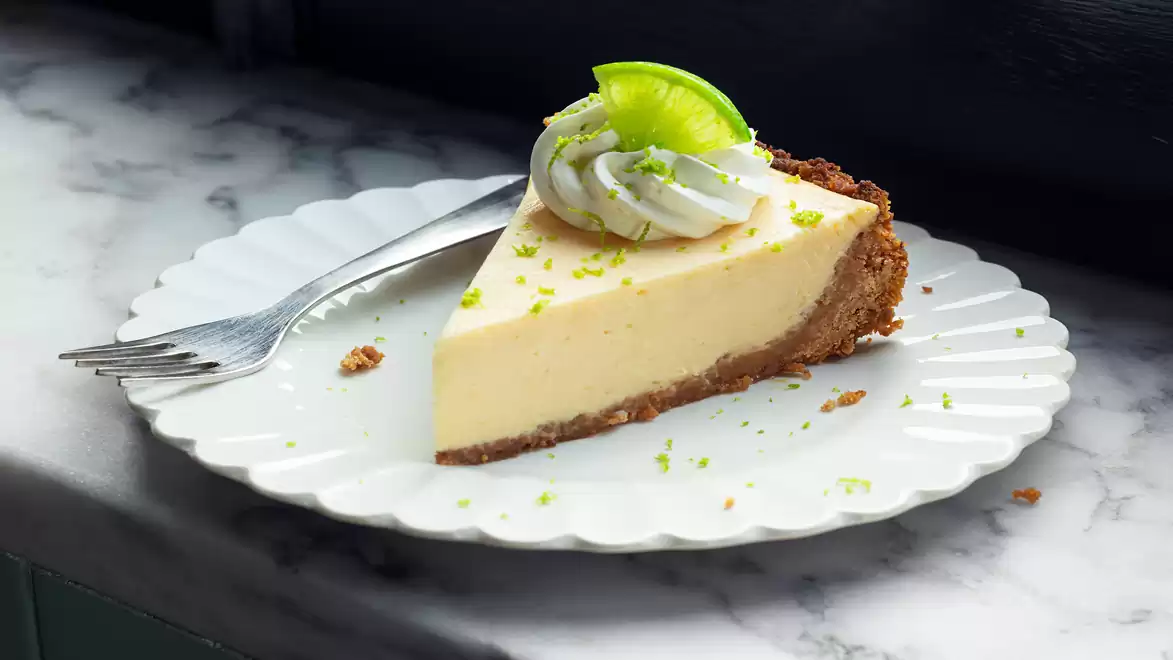
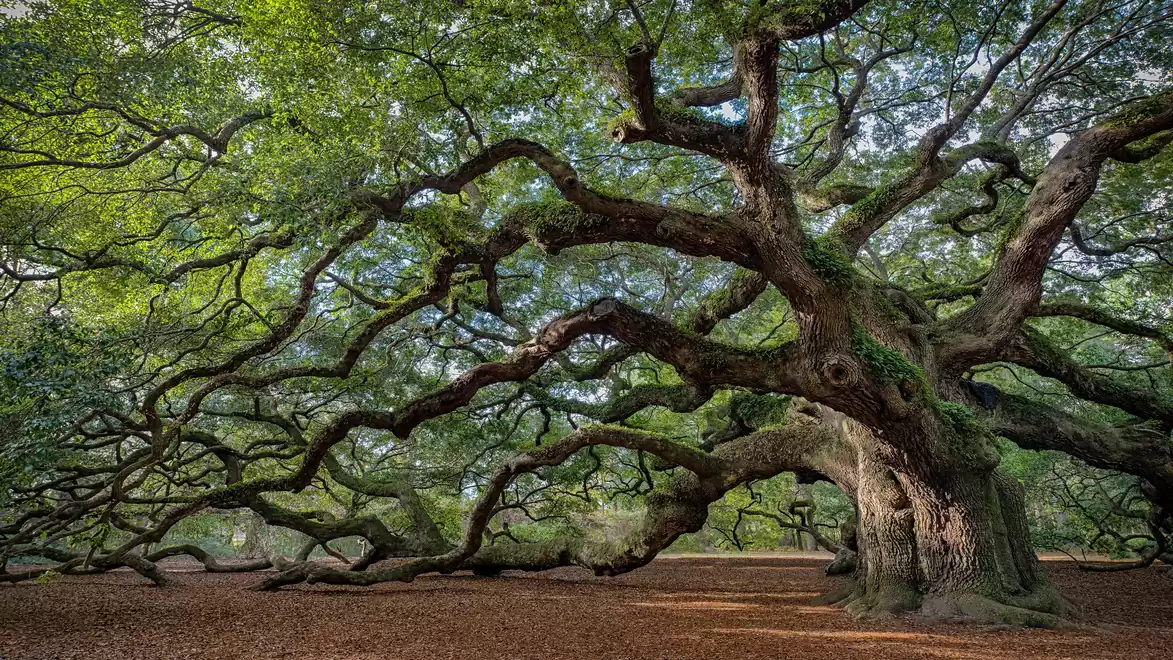
The Live Oak (Quercus virginiana) is an evergreen tree native to the southeastern United States. With its sprawling canopy and branches often draped in Spanish moss (Tillandsia usneoides), it epitomizes the quintessential Southern landscape. These majestic trees can grow up to 15 meters tall, with a crown spread exceeding 45 meters. Their massive limbs, which can extend outward as much as they grow upward, give them a distinctive, wide-spreading canopy. (Wikipedia)
The Live Oak is renowned for its longevity. Many historic specimens in Florida consist of these slow-growing trees, some of which are over 300 years old. Their ability to endure for centuries makes them living testaments to the history and culture of the South. (Wikipedia)
The acorns of the Live Oak serve as a vital food source for a variety of wildlife, including birds, squirrels, and other mammals. Additionally, the tree provides habitat for numerous epiphytes, such as Spanish moss, which often hangs from its branches, contributing to its characteristic appearance. (Wikipedia)
Due to its impressive size and form, the Live Oak is commonly planted as an ornamental tree in parks and large gardens. It prefers sunny to partially shaded locations and thrives in various soil types, provided they are well-drained. Its resilience to wind and weather makes it a popular choice in coastal regions. (Gardenia.net)
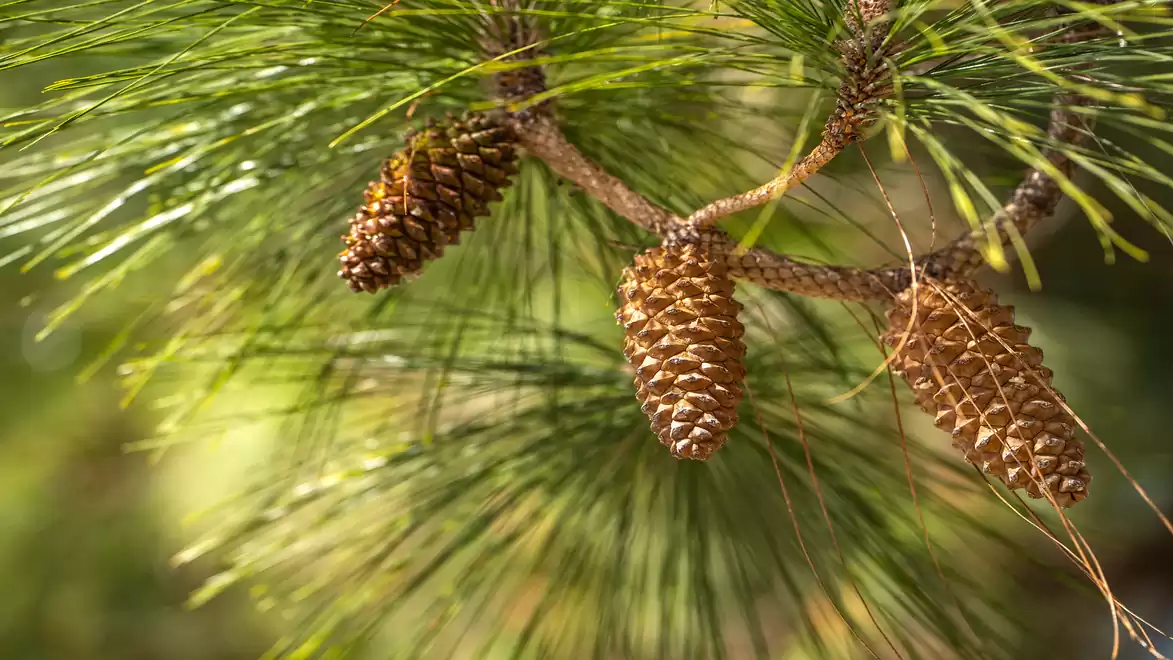
The Longleaf Pine (Pinus palustris) is an evergreen tree native to the southeastern United States. It is characterized by its long, slender needles, which grow in bundles of three and can reach lengths of 8 to 18 inches. The trees can grow up to 100 feet tall and live for several centuries. (Conifers.org)
Historically, the Longleaf Pine covered approximately 90 million acres from Virginia to Texas. Today, only about 6% of this original habitat remains, primarily due to land development, invasive plant species, and other factors. The trees prefer sandy, dry, acidic soils in low elevation areas and require full sunlight and regular fires to maintain an open understory. (Virginia Places)
The Longleaf Pine plays a crucial role in the ecosystem of the southeastern USA. It provides habitat for numerous specialized plant and animal species, including the endangered Red-cockaded Woodpecker (Picoides borealis). The open, park-like forests of the Longleaf Pine are the result of regular fires that control the underbrush and promote seed germination. (National Wildlife Federation)
Due to the drastic reduction of its natural habitat, intensive reforestation efforts have been undertaken in recent decades. Organizations like the Longleaf Alliance promote research, education, and management practices to restore Longleaf Pine populations. These efforts are showing success, and the number of these majestic trees is increasing. (Longleaf Alliance)
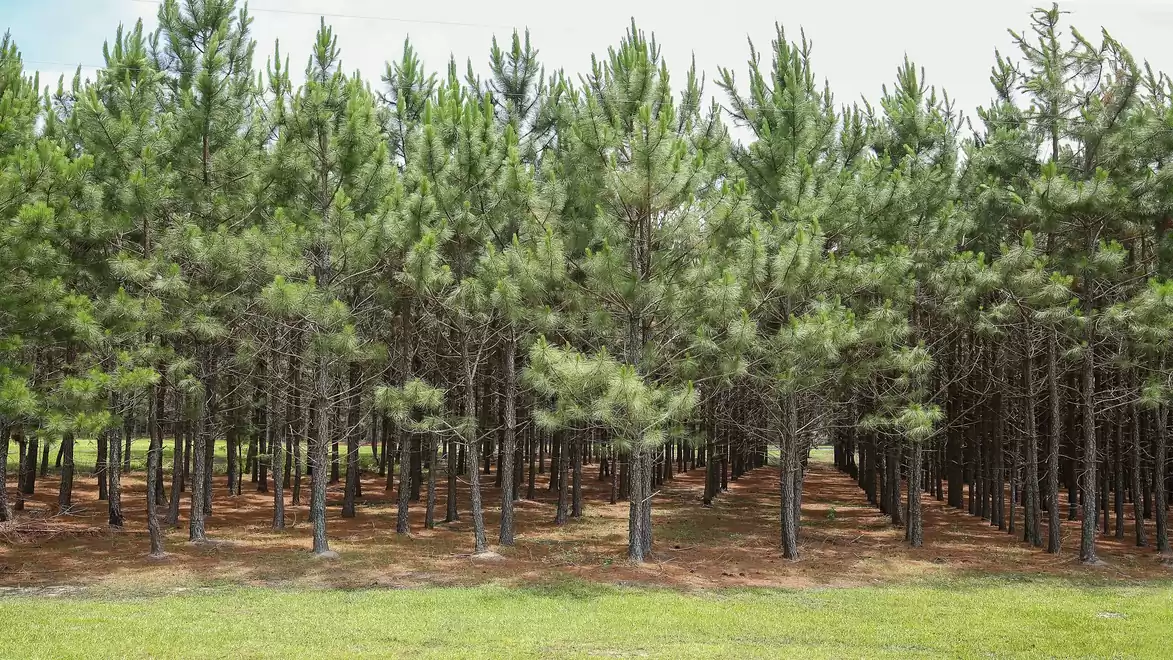

The LPGA (Ladies Professional Golf Association) is the leading organization for professional female golfers worldwide. Founded in 1950, the LPGA hosts numerous international tournaments where the world’s top players compete.
The LPGA Tour includes prestigious tournaments across the U.S., Asia, and Europe, such as the Chevron Championship, U.S. Women's Open, and Women's British Open.
Florida serves as a hub for the LPGA, featuring many events and training centers. Numerous players live and practice here – drawn by the great climate and abundance of world-class golf courses.
Visitors enjoy top-tier golf combined with true Southern hospitality.
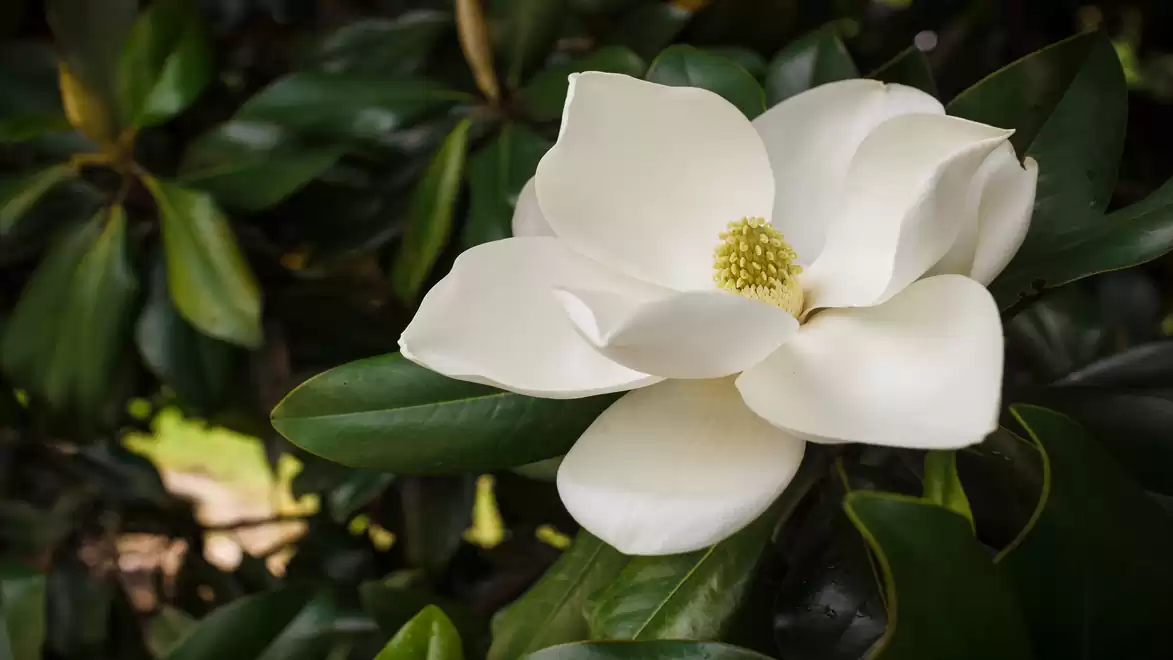
The Magnolia Tree (Magnolia grandiflora) is an evergreen tree appreciated for its impressive, fragrant flowers and glossy foliage. The leathery, dark green leaves with rust-colored, velvety undersides are a particular eye-catcher. In spring and summer, the tree showcases its large, creamy-white flowers that emit a captivating fragrance.
Under optimal conditions, the Magnolia Tree can reach a height of up to 20 to 30 meters. It prefers a sunny to partially shaded location with humus-rich, slightly acidic, and well-drained soil. It's important to keep the soil moist, as the tree is sensitive to drought. A layer of mulch can help retain soil moisture. (Gardenia.net)
The best time to plant the Magnolia Tree is in spring or fall. When planting, ensure that the root ball is not damaged, as the roots are sensitive. After planting, regular watering is important to ensure good establishment. An annual application of organic fertilizer in the spring promotes growth and flowering. (The Spruce)
Regular pruning is not necessary for the Magnolia Tree and should only be done to remove dead or damaged branches. The tree is relatively resistant to diseases; however, waterlogging and an unsuitable location can lead to root problems. Therefore, good site selection and soil care are essential. (Royal Horticultural Society)
Thanks to its majestic appearance, the Magnolia Tree is ideal as a specimen plant in larger gardens and parks. Its fragrant flowers and evergreen foliage make it a highlight in any season. Additionally, it provides valuable habitat for birds and insects. (Lady Bird Johnson Wildflower Center)
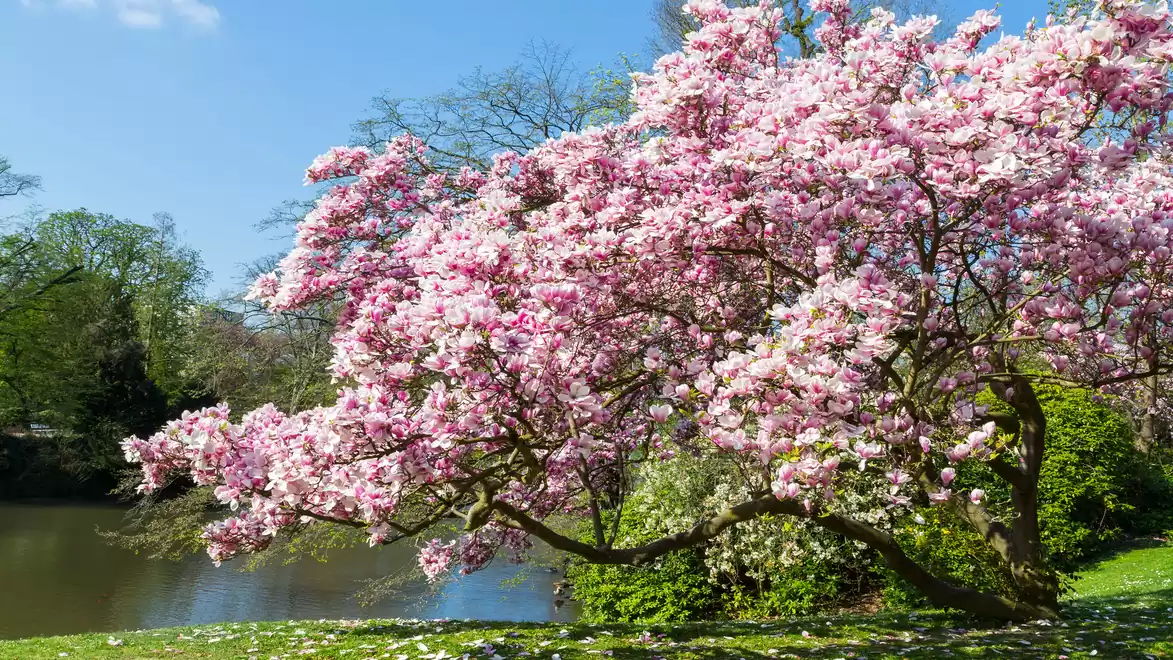
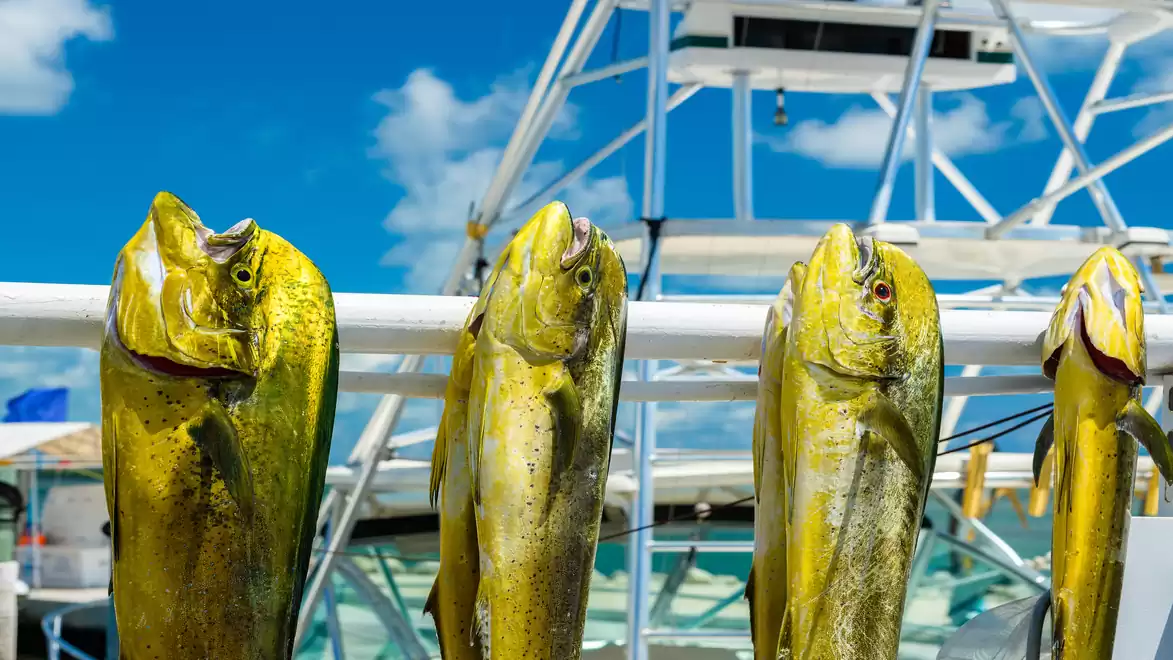
The Mahi Mahi (*Coryphaena hippurus*), also known as Dorado or Golden Mackerel, is a tropical fish prized for its firm, white flesh and mildly sweet flavor. Despite its English name, "Dolphinfish," it has no relation to dolphins. Its vibrant blue-green coloration makes it one of the most visually stunning fish in tropical waters. (NOAA Fisheries)
The Mahi Mahi thrives in warm tropical and subtropical waters of the Atlantic, Pacific, and Indian Oceans. It is especially common off the coasts of Florida, the Caribbean, and Mexico. As a pelagic fish, it stays near the surface, often found around floating debris or seaweed beds that provide shelter and attract prey. (Florida Museum of Natural History)
The Mahi Mahi is a fierce predator, feeding mainly on flying fish, squid, and crustaceans. It is known for its lightning-fast attacks and spectacular leaps when chasing prey or evading fishermen. (NOAA Fisheries)
With its firm texture, Mahi Mahi is highly versatile in cooking:
Due to its rapid growth and high reproduction rate, Mahi Mahi is considered a sustainable seafood choice. However, responsible fishing practices are essential. Organizations like the Marine Stewardship Council (MSC) work to maintain healthy fish populations.
In Florida, Mahi Mahi is a top choice for both sport fishing and gourmet dining. Its brilliant colors, speed in the water, and delicious taste make it one of the most sought-after fish in the region.
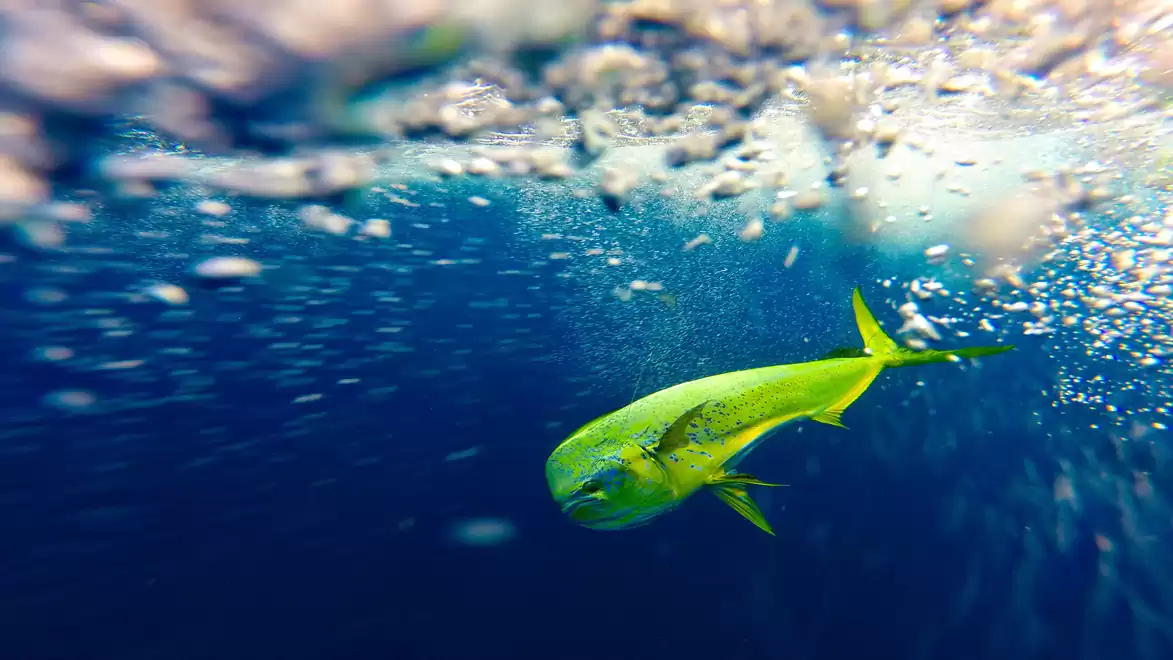
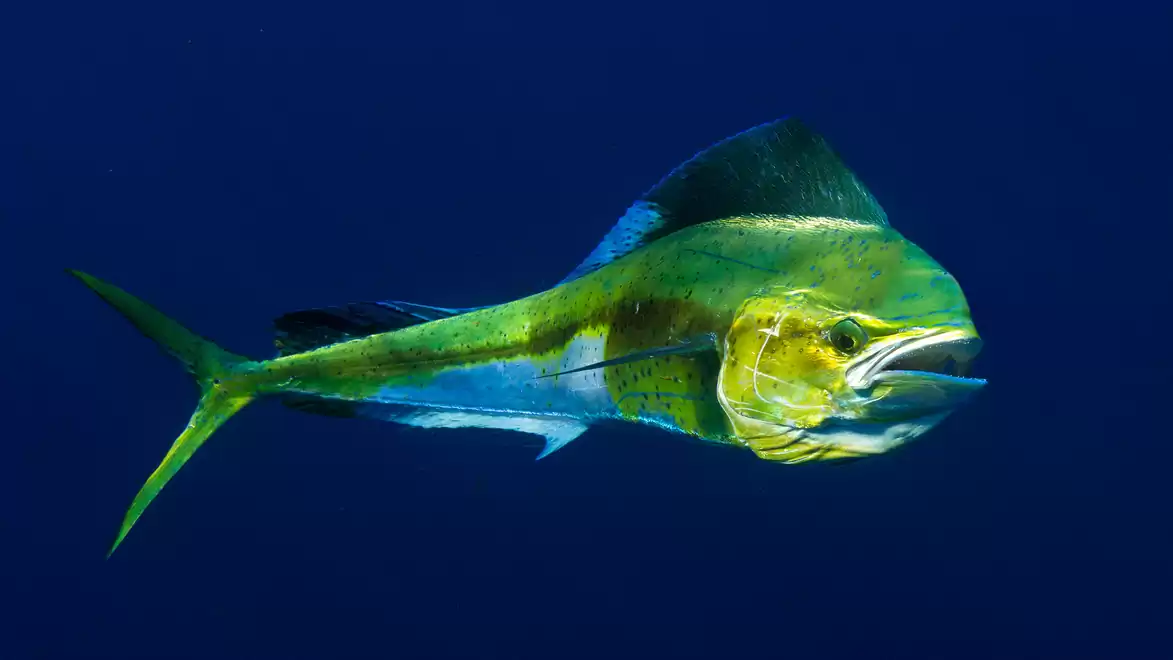
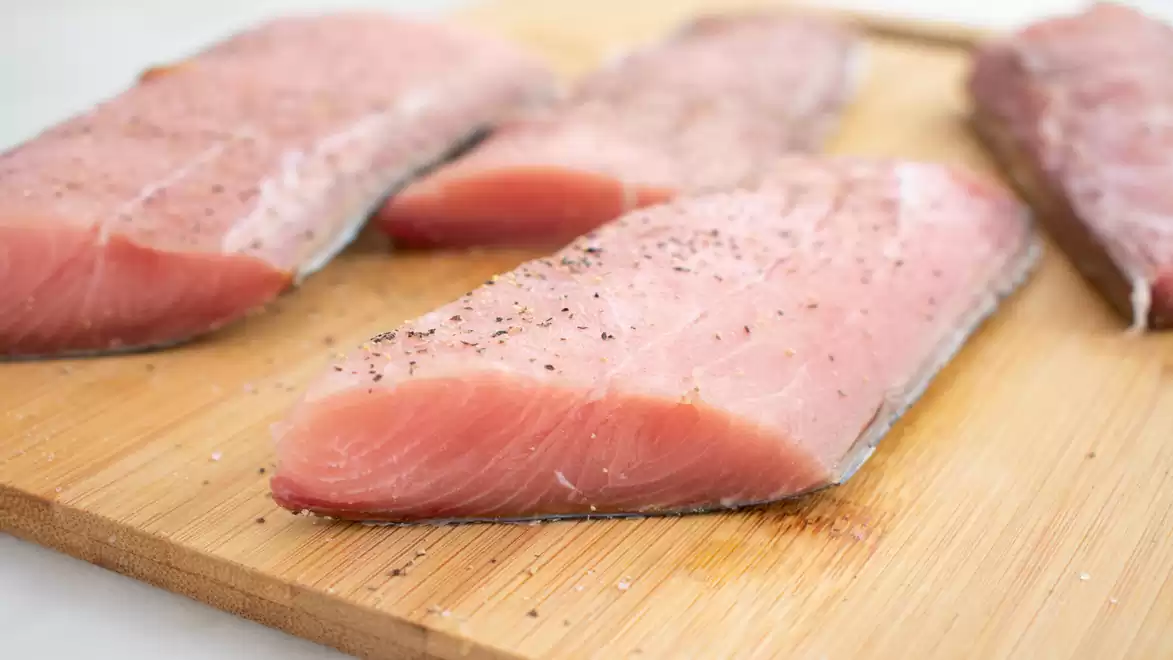
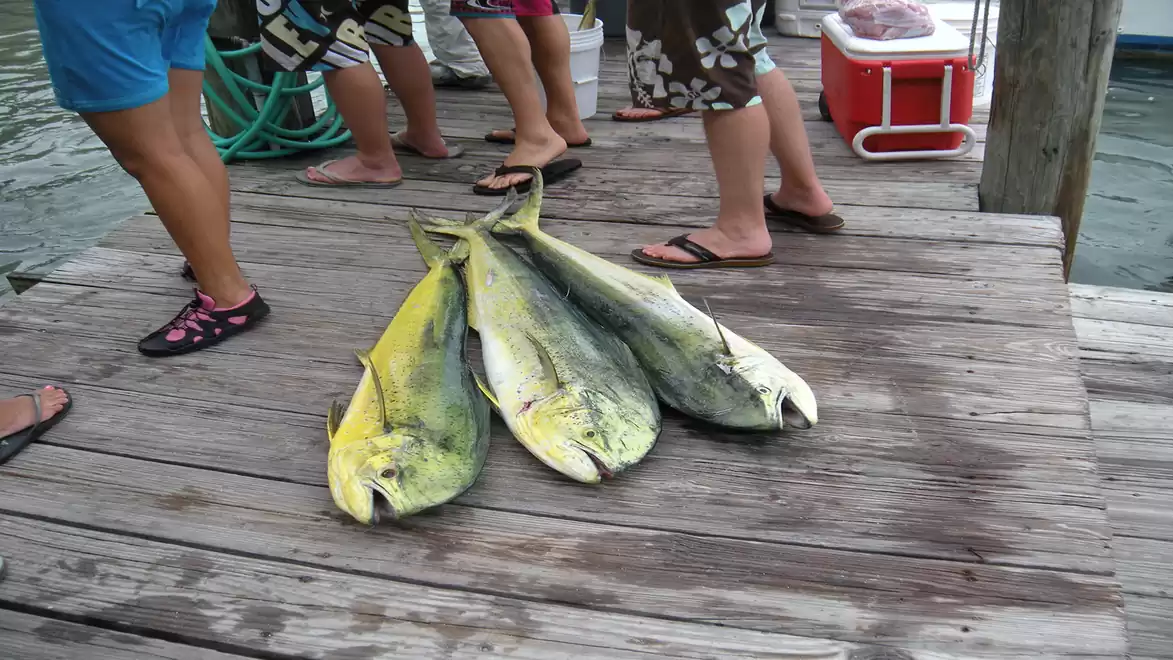
The Mahogany Tree (Swietenia mahagoni) is a majestic hardwood tree native to the tropical and subtropical regions of the Americas. It is particularly widespread in Florida, the Caribbean, and Central America. Its high-quality wood makes it one of the most sought-after tree species for furniture making and boat building.
The Mahogany Tree thrives in warm, humid climates and prefers well-drained soils. It is salt-tolerant and often grows in coastal areas. Additionally, it is relatively hurricane-resistant, which is why it is frequently planted as a shade tree or street tree in Florida.
The Mahogany Tree is especially valued for its high-quality wood:
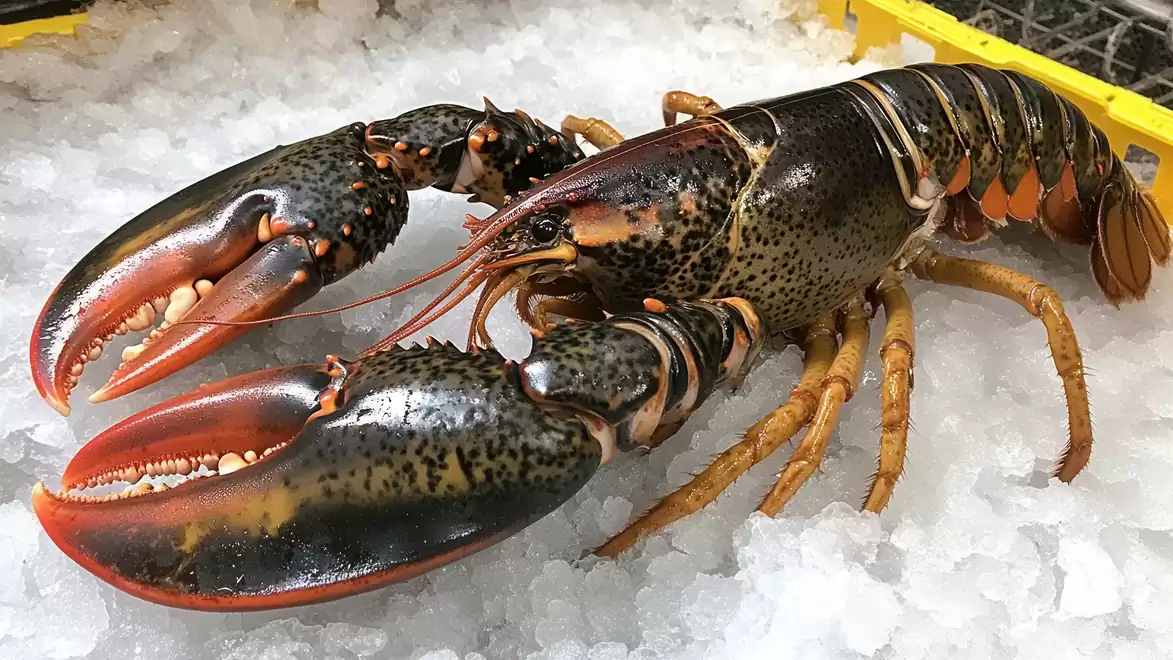
The American Lobster (Homarus americanus) is an impressive lobster species native to the Atlantic coast of North America, from Labrador in Canada to New Jersey in the USA. With its massive size and distinctive appearance, it is one of the most fascinating marine creatures.
This Atlantic Lobster thrives in cold, rocky coastal waters, where it hides in crevices and under rocks. It is particularly abundant along the coasts of Maine and Canada, earning it the names Maine Lobster and Canadian Lobster.
Reaching lengths of up to 64 cm (25 inches) and weighing over 20 kg (44 lbs), the American Lobster holds the title as the heaviest known crustacean and the heaviest living arthropod.
Typically, the American Lobster has a bluish-green to brown coloration with red spines. However, rare color variations include:
The American Lobster is closely related to the European Lobster (Homarus gammarus). Key differences between the two include:
The American Lobster can live for over 50 years and continues to grow throughout its life. By molting regularly, it gradually increases in size, reaching astonishing dimensions. Its powerful claws, consisting of a crusher claw and a cutter claw, make it one of the strongest predators on the ocean floor.
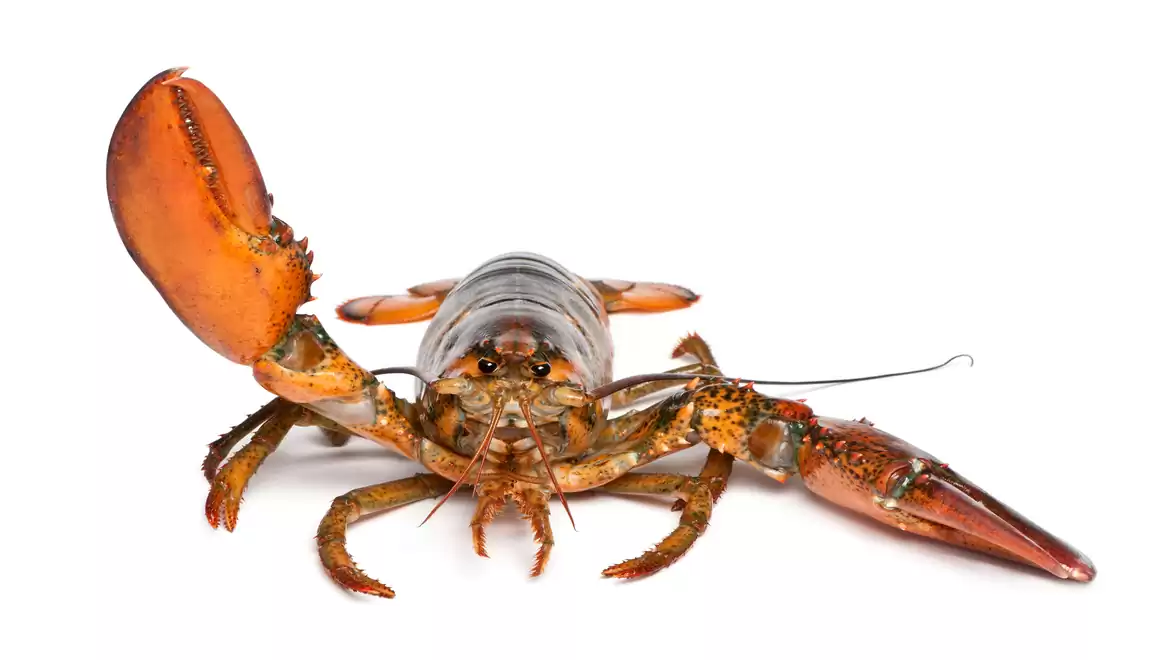
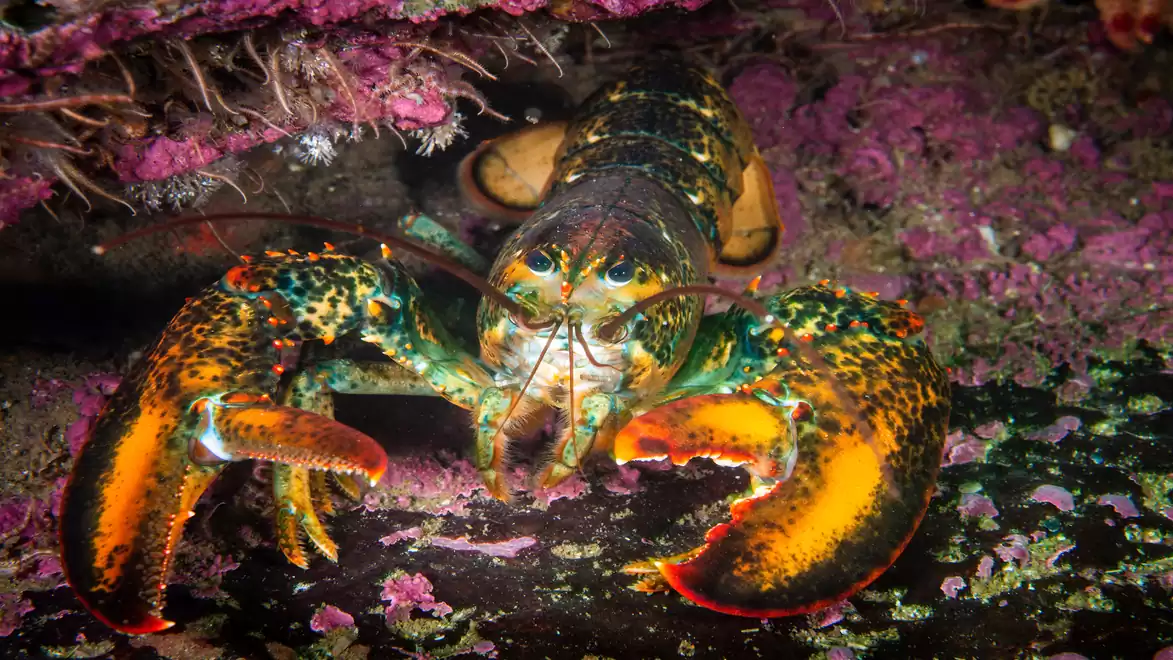
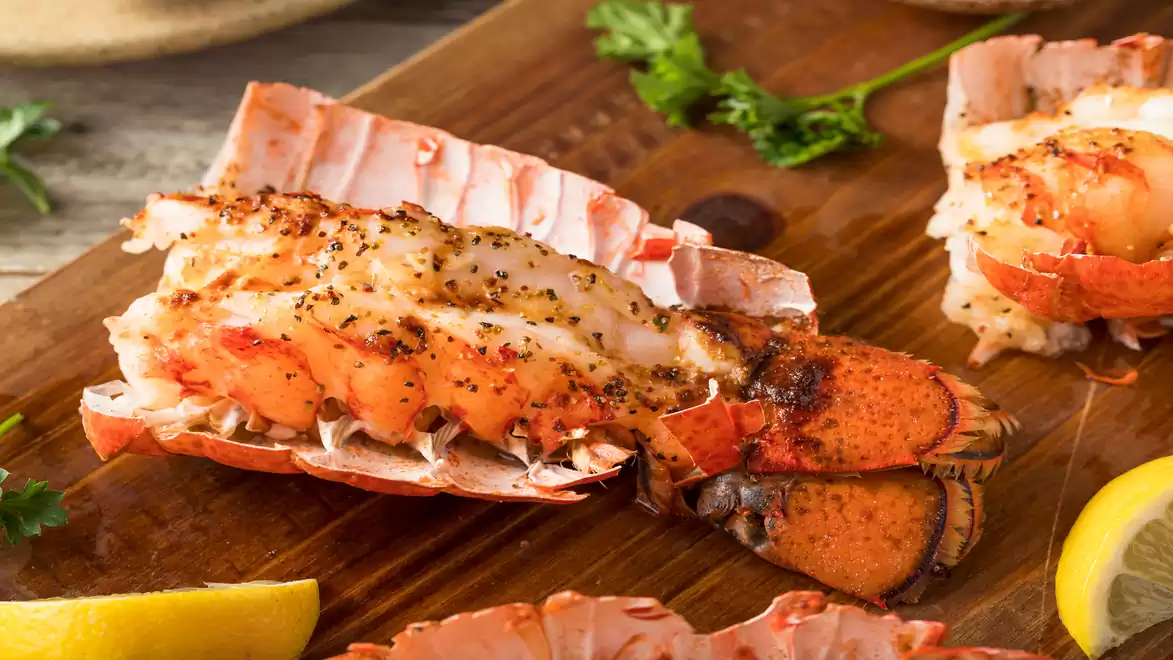
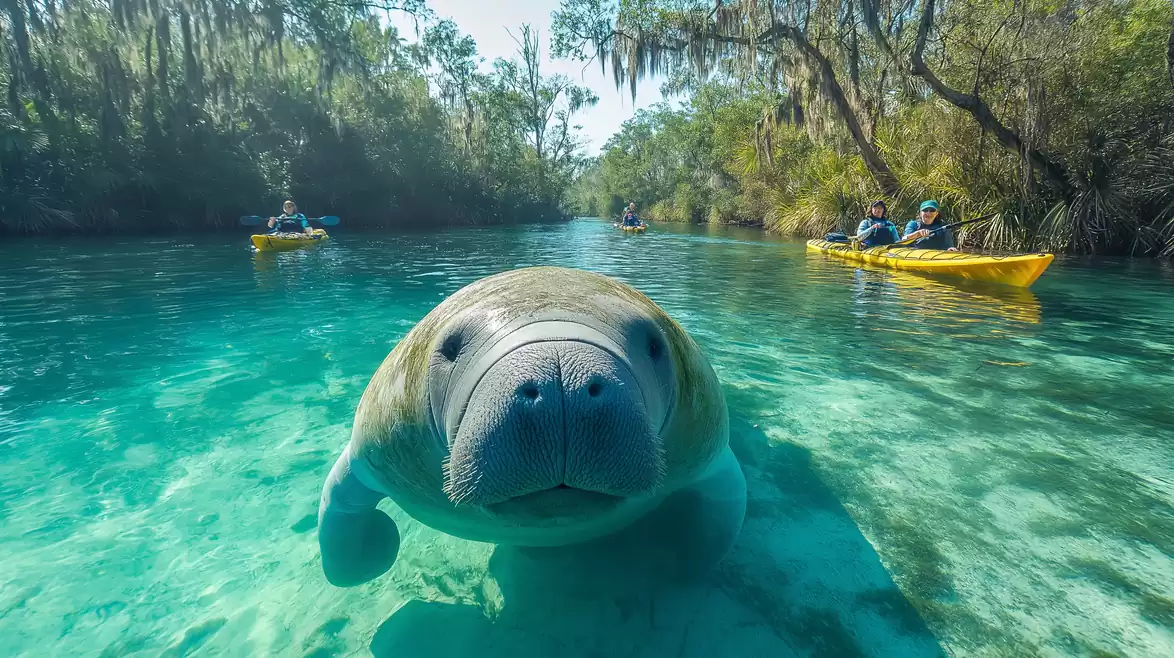
The Manatee (*Trichechus manatus*), commonly known as the sea cow, is a large aquatic mammal native to Florida's waters. Adult manatees typically measure between 9 and 10 feet (2.7 to 3.0 meters) in length and weigh around 1,000 pounds (450 kilograms). They are relatives of elephants and are characterized by their gray, wrinkled skin, paddle-shaped forelimbs, and a flat, rounded tail. (myfwc.com)
Manatees are gentle herbivores that inhabit rivers, bays, canals, and coastal waters of Florida. During the winter months, they seek warmer waters, such as natural springs or warm-water outflows from power plants, to escape the cold. They are often found in areas like Blue Spring State Park or the Crystal River National Wildlife Refuge, where water temperatures remain constant. (visitflorida.com)
Manatees are protected under several laws, including the Marine Mammal Protection Act and the Endangered Species Act. Despite these protections, they continue to face threats, particularly from boat collisions, habitat loss, and reliance on warm-water sources often provided by power plants. (mmc.gov)
Boaters in Florida should be aware of the presence of manatees and adhere to "No Wake" zones, which require slow speeds to prevent waves. This practice helps avoid collisions and protects these gentle creatures. (myfwc.com)
The manatee is not only a fascinating creature but also a symbol of Florida's rich biodiversity. Their presence in the state's waters serves as a reminder of the importance of protecting and preserving our natural resources.
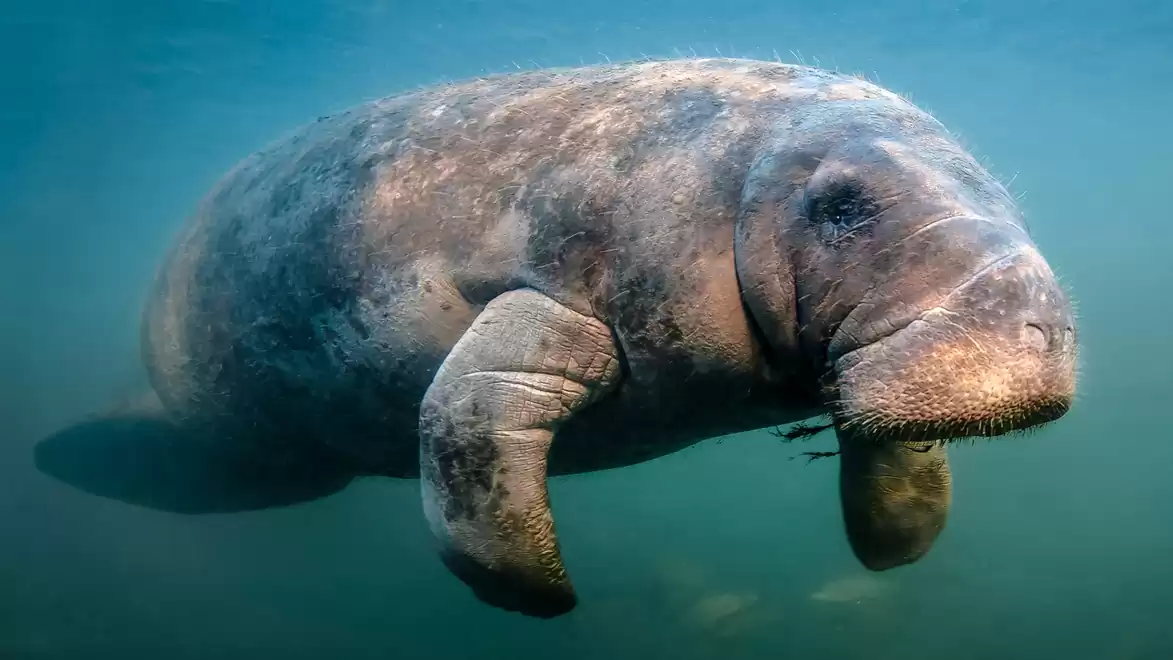
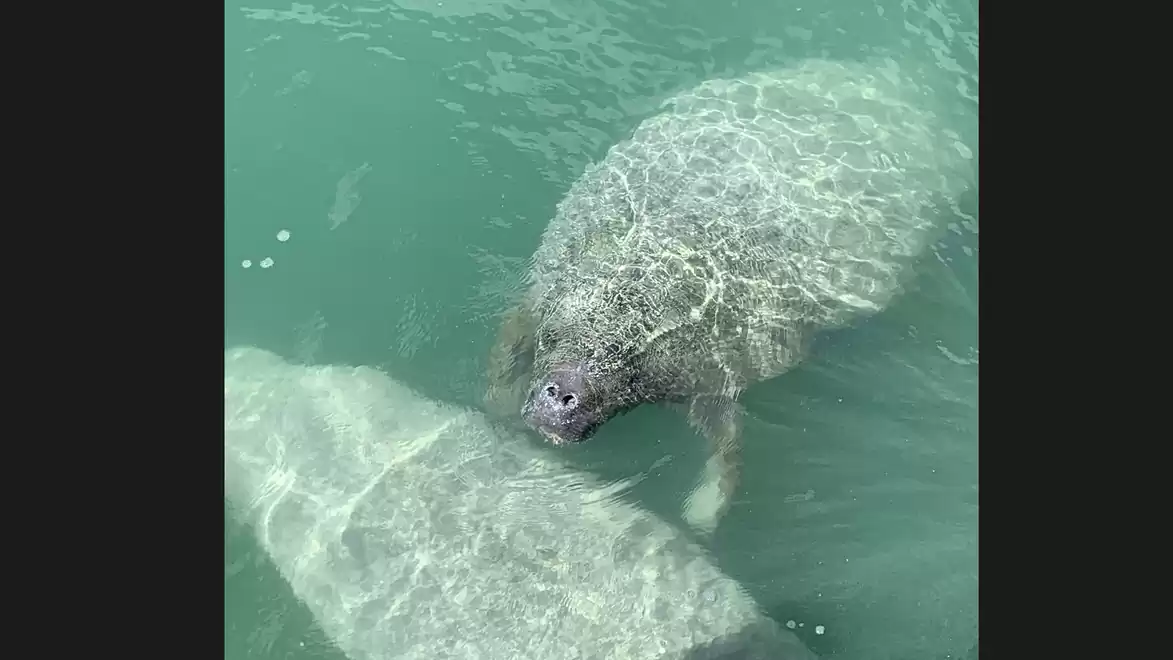
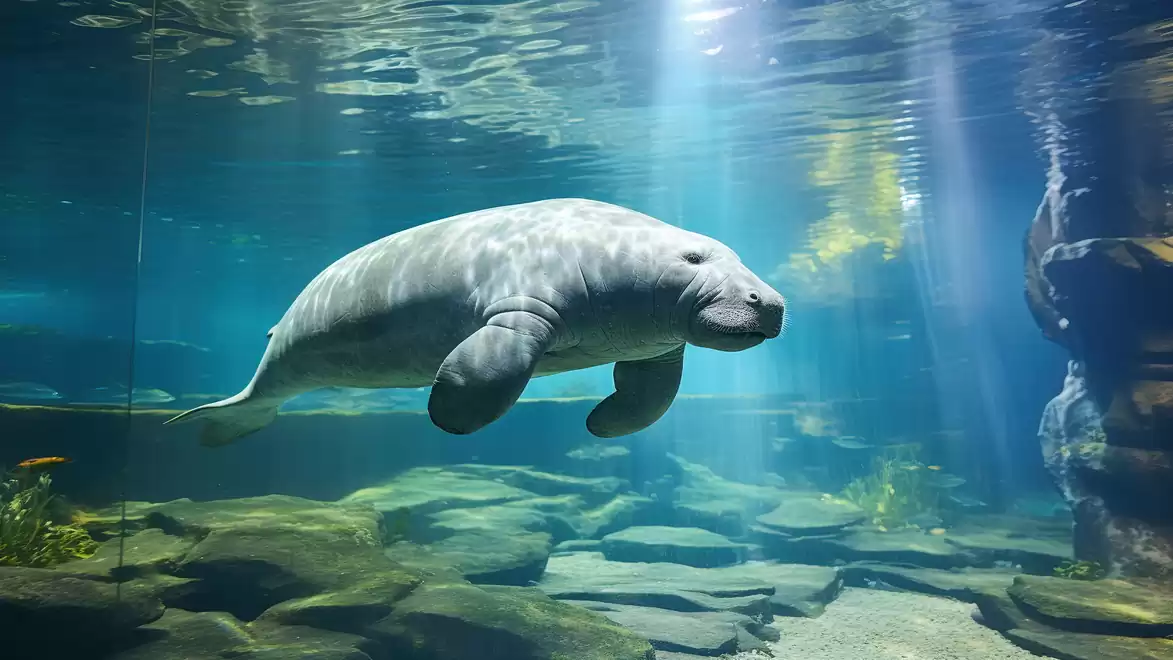
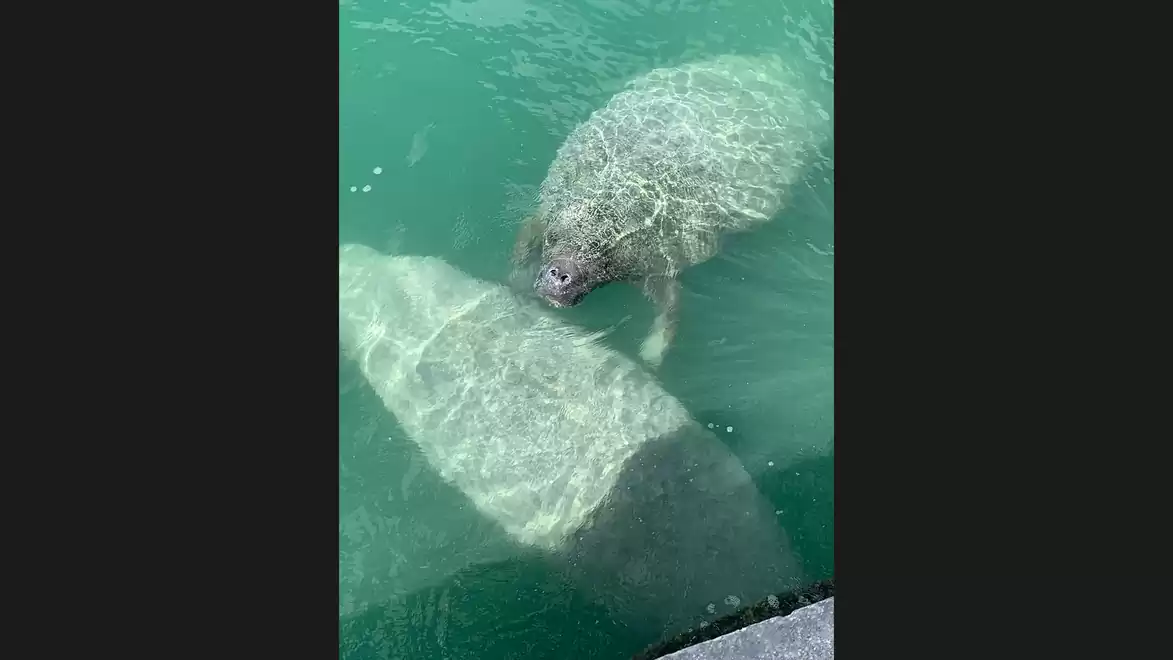
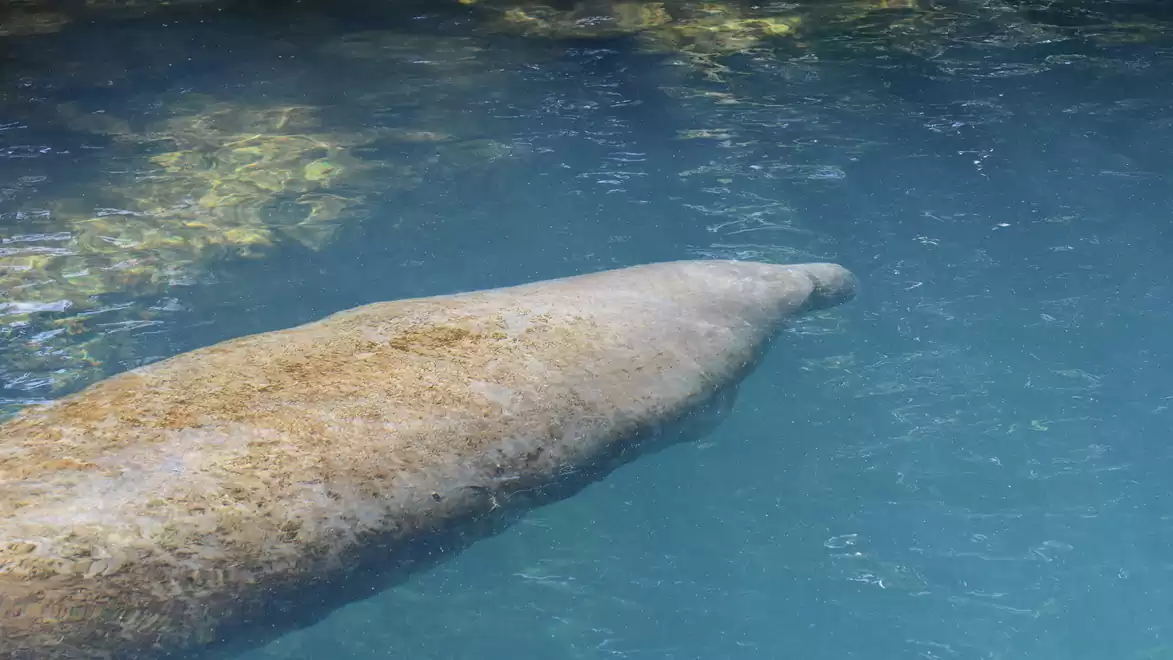
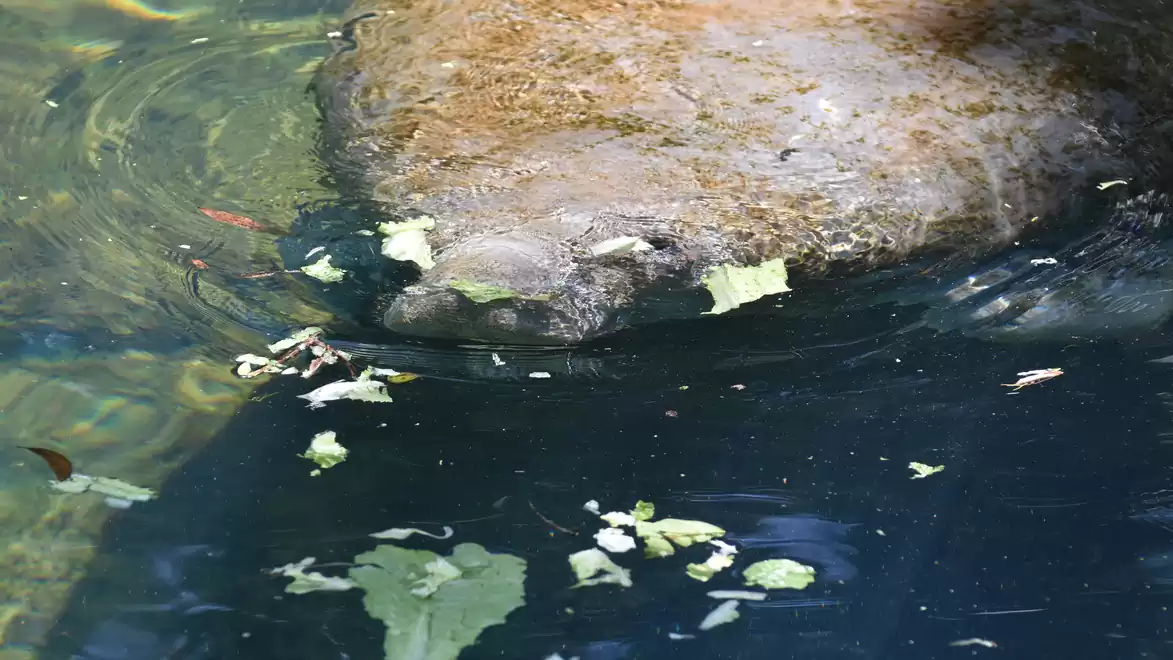
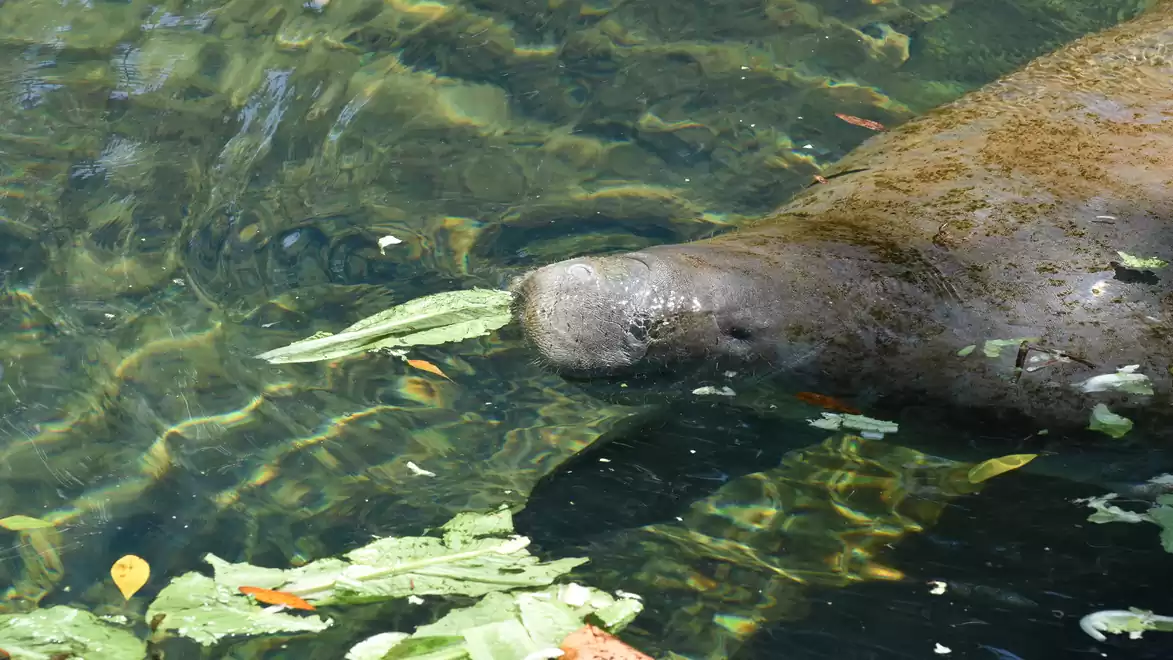
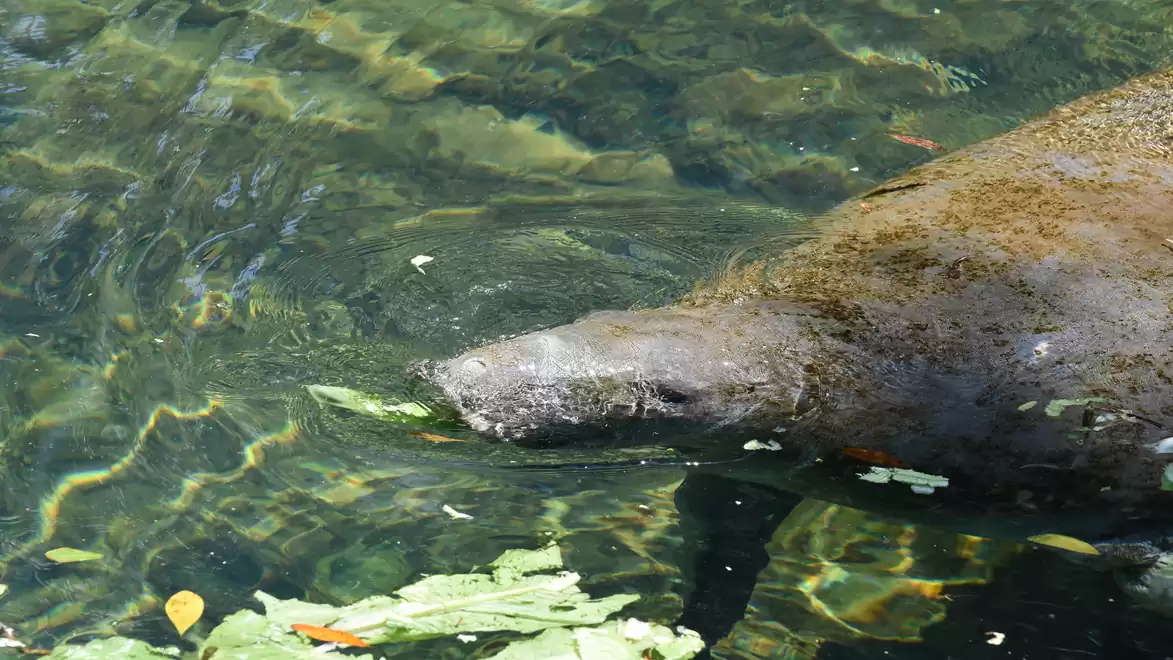
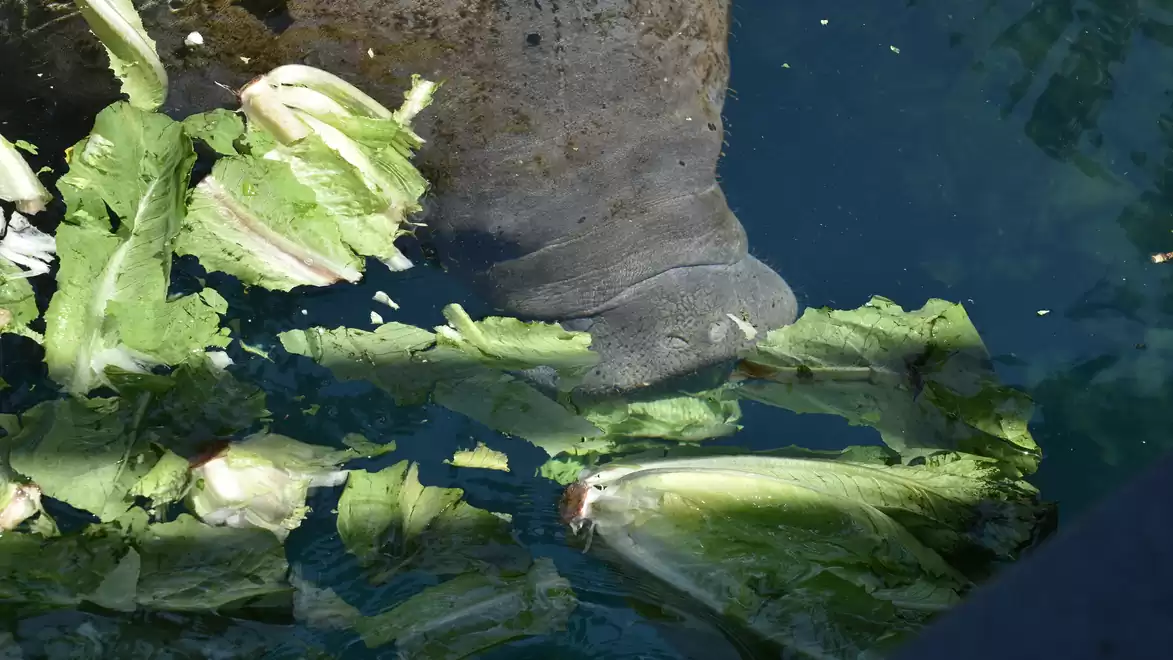
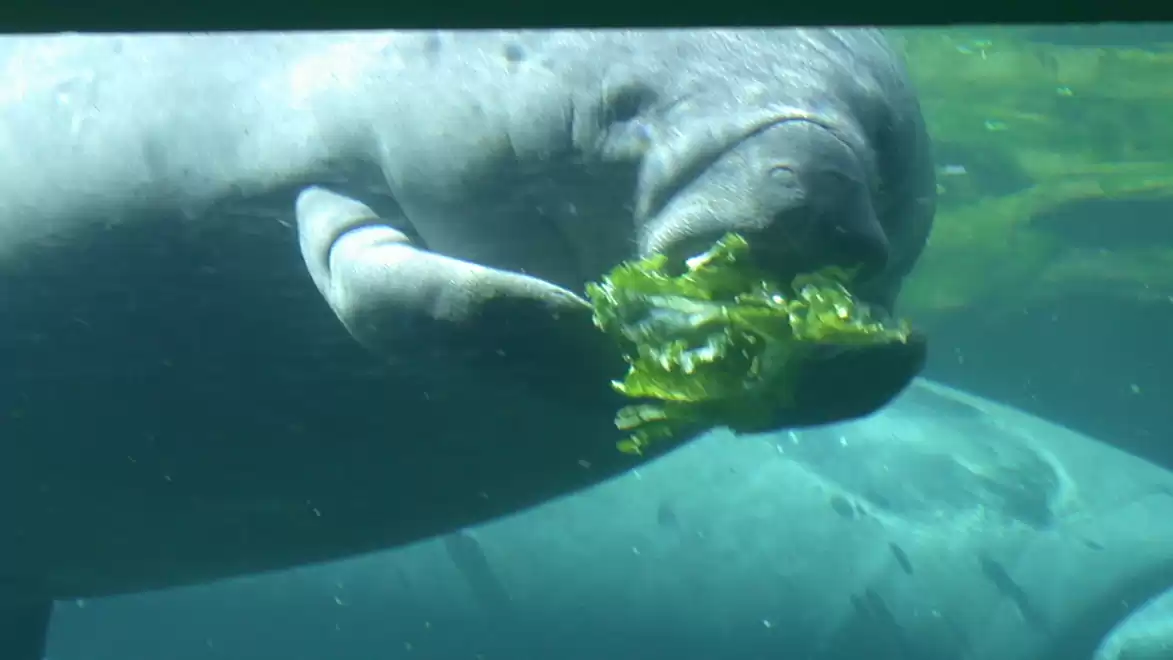
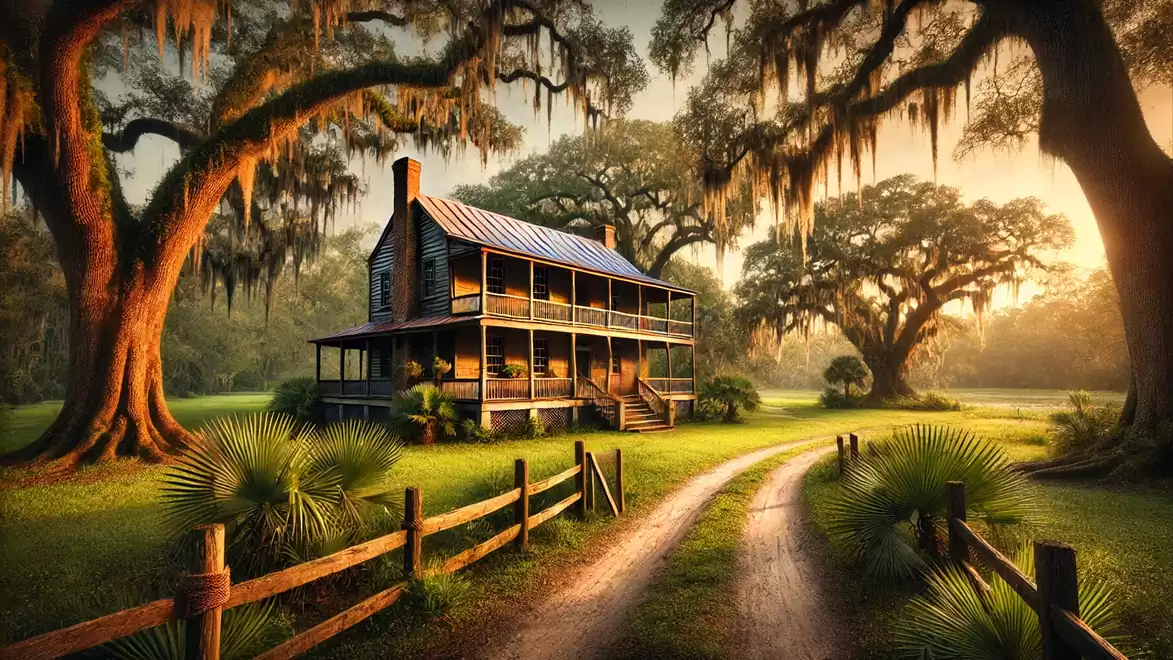
Marjorie Kinnan Rawlings (1896–1953) was an American author best known for her depictions of rural life in Florida. Born in Washington, D.C., she moved to Cross Creek, Florida, in 1928 with her husband, where she found the inspiration for her most renowned works. Her novel The Yearling won the Pulitzer Prize for Fiction in 1939 and was later adapted into a film. (Britannica)
Rawlings' 70-acre estate in Cross Creek is a microcosm of rural Florida and reflects the "Cracker" architecture typical of "Old Florida." Today, the property is known as the Marjorie Kinnan Rawlings Historic State Park and is listed on the National Register of Historic Places. Visitors can tour the restored house, preserved as it was in the 1930s, including a barn, tenant house, orange grove, seasonal garden, and nature trail. (Visit Gainesville)
Rawlings' works offer deep insight into the life and culture of rural Florida. Her writing style and ability to capture the essence of the region have made her one of Florida's most significant authors. Her influence extends beyond literature and has helped preserve Florida's cultural heritage. (Florida Department of State)
The park is located at 18700 S. C.R. 325, Cross Creek, FL 32640. Visitors can tour the house and gardens, participate in guided tours, and learn more about Rawlings' life and work. The park is a popular destination for literature enthusiasts and those seeking insight into historic Florida. (Florida State Parks)
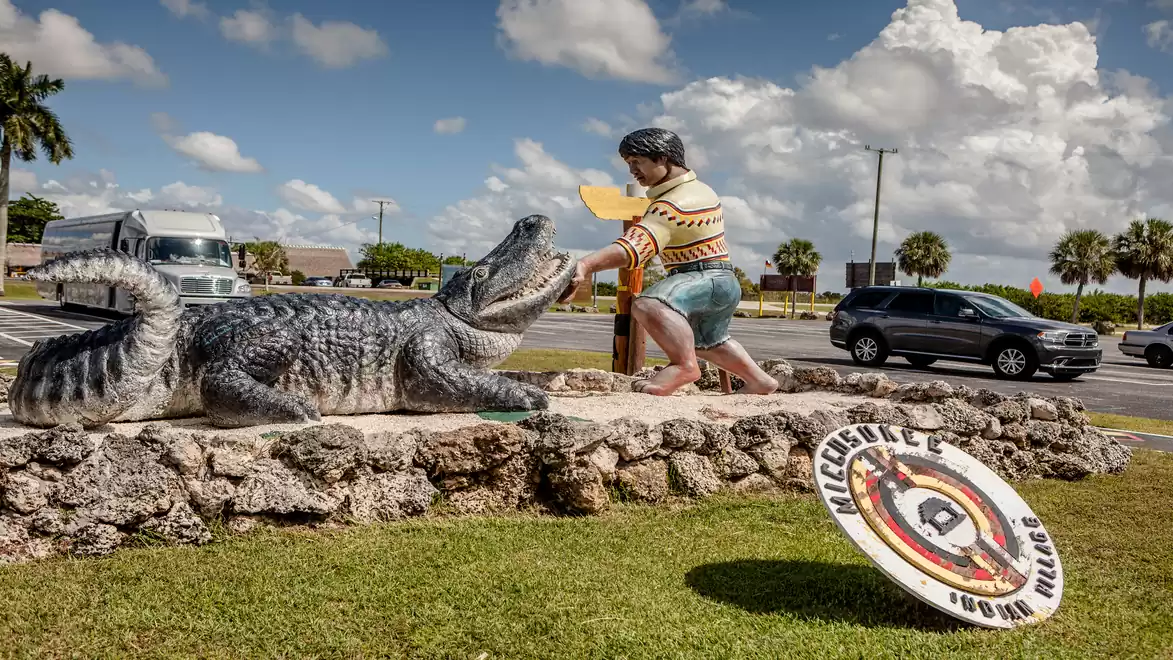
The Miccosukee Tribe is one of Florida’s indigenous peoples, arriving in the region in the 18th century. Alongside the Seminoles, they were repeatedly forced to retreat into remote areas like the Everglades due to European settlers and the U.S. government. Despite these challenges, they have preserved their cultural identity and traditional way of life to this day. (Miccosukee Tribe)
Today, the Miccosukee Tribe resides in three reservations in southern Florida. These areas provide a safe space for their community and allow them to pass on their language, customs, and traditions. Many tribe members work in tourism or practice sustainable agriculture within the Everglades. (Miccosukee Tribe - History)
Visitors can learn about the tribe’s history and culture at the Miccosukee Indian Village, located in the heart of the Everglades. Here, traditional crafts such as intricate beadwork and woven textiles are demonstrated. The site also features a museum showcasing historical artifacts and offers airboat tours through the breathtaking Everglades landscape. (Miccosukee Indian Village)
Despite past hardships, the Miccosukee have maintained their identity and independence. The tribe actively works to protect the Everglades and plays a vital role in Florida’s environmental conservation efforts. (Big Cat Rescue ORG)
The Miccosukee Tribe is an integral part of Florida’s history and culture. Visitors to the Everglades should not miss the opportunity to learn about their remarkable traditions and deep connection to nature.
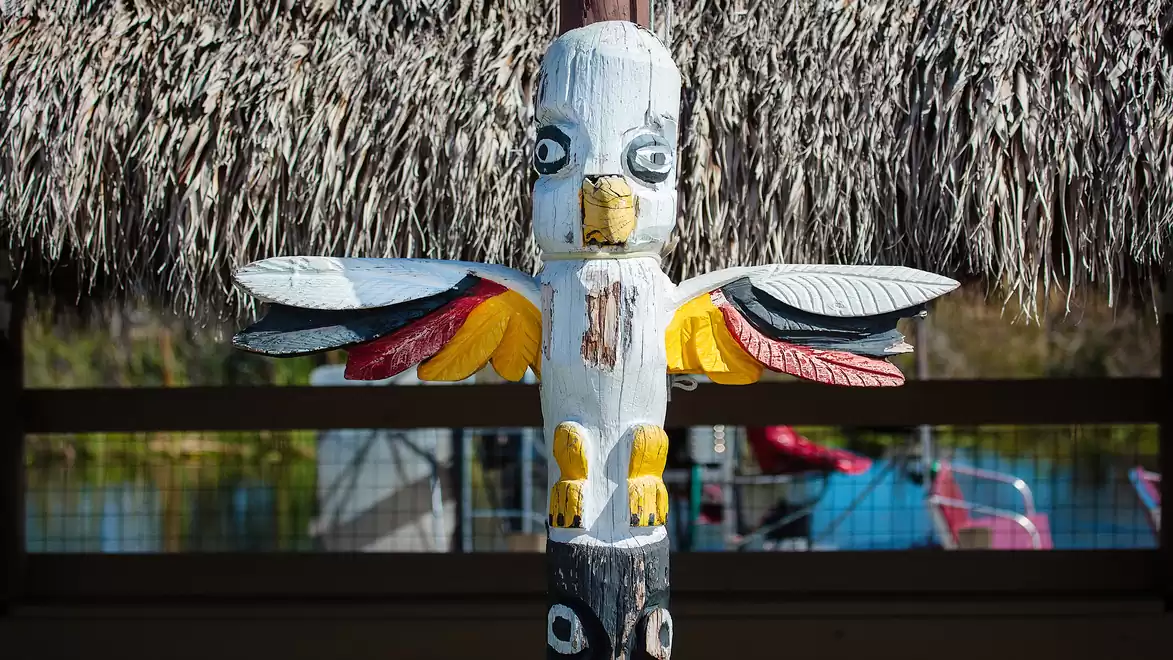
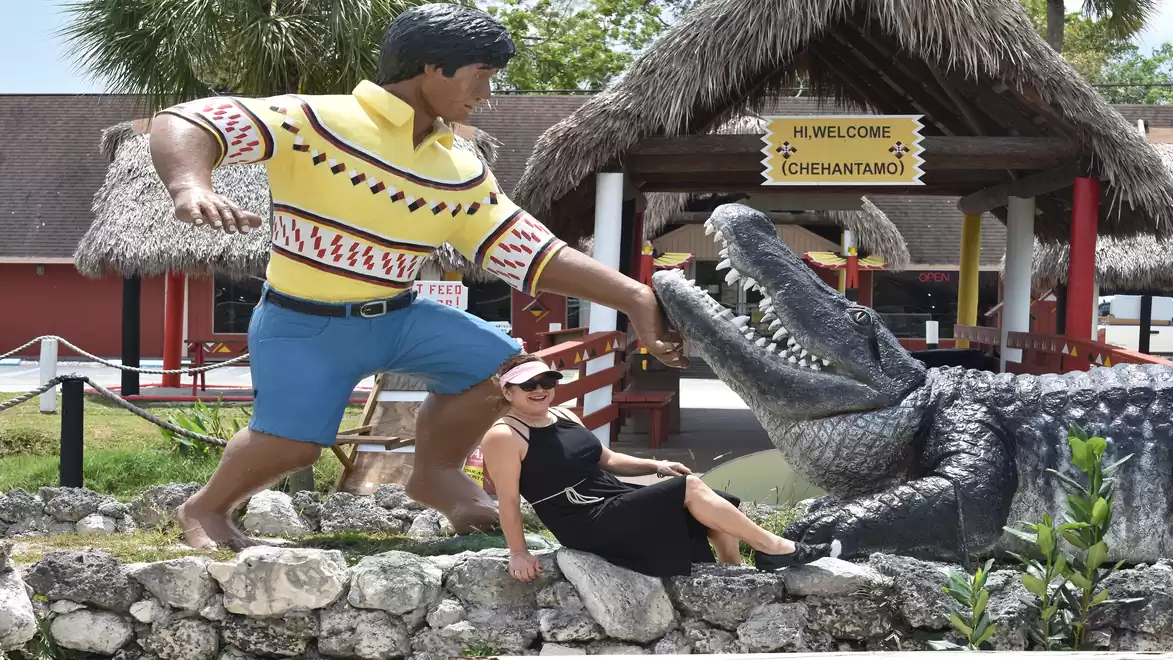
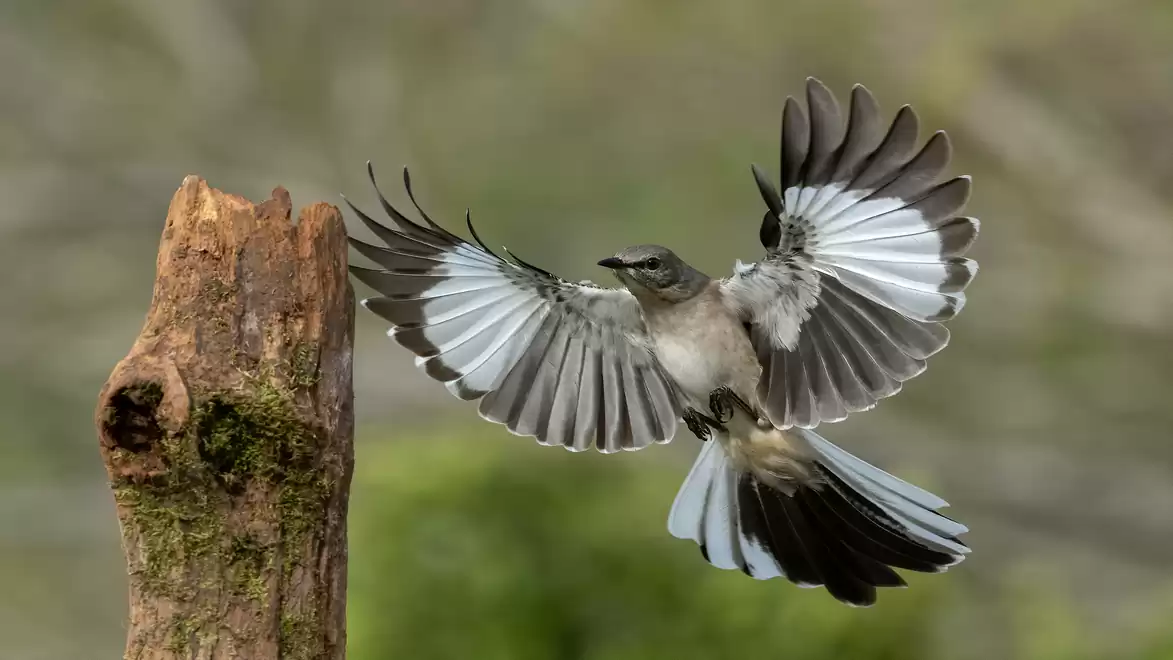
The Mockingbird (*Mimus polyglottos*), also known as the Northern Mockingbird, is the official state bird of Florida. This species is found year-round throughout the state and is best known for its remarkable ability to mimic the songs of other birds. Its scientific name, "Mimus polyglottos," translates to "mimic of many tongues," reflecting its incredible vocal range.
Mockingbirds are widespread across Florida, thriving in forests, parks, urban gardens, and coastal areas. They prefer open landscapes with low vegetation, where they can forage for food and sing their distinctive melodies.
The Mockingbird is famous for its continuous singing, often performing even at night or during mating season. Male Mockingbirds can learn up to 200 different tunes and are known to imitate not only other bird songs but also insect noises and even mechanical sounds from their surroundings.
As a symbol of adaptability and versatility, the Mockingbird holds a special place in American culture, inspiring literature, poetry, and music. In Florida, it represents the state's rich biodiversity and is a common sight in parks and gardens.
With its impressive vocal skills and lively personality, the Mockingbird is one of Florida’s most distinctive birds. Visitors to the Sunshine State have a great chance to witness this talented singer in its natural habitat.
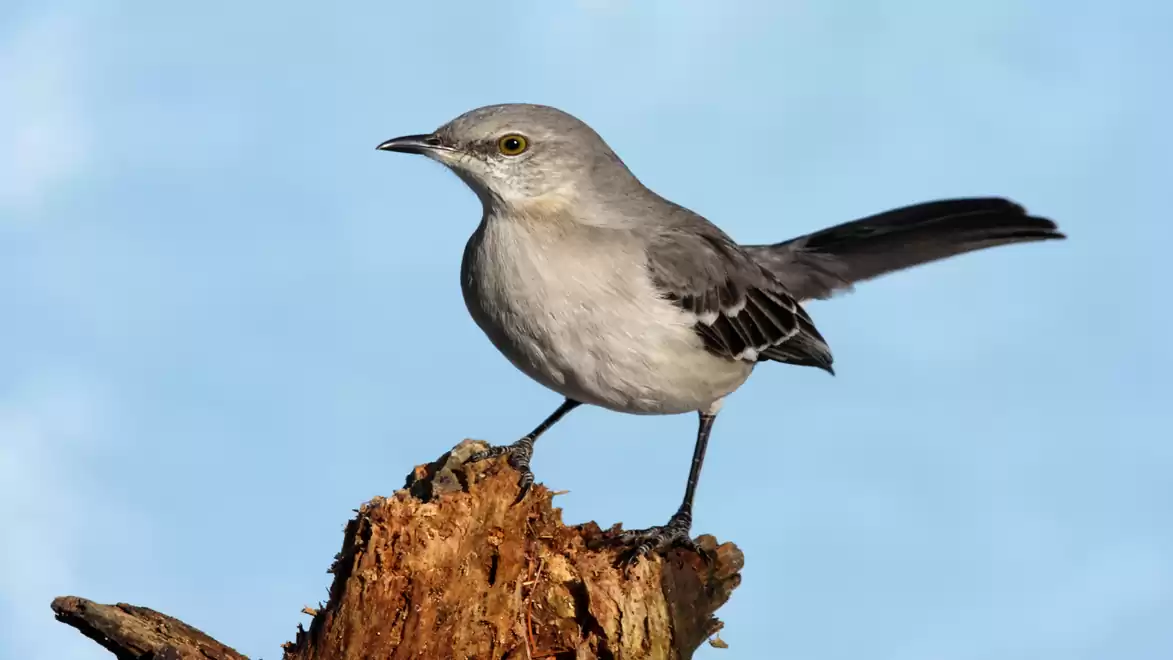
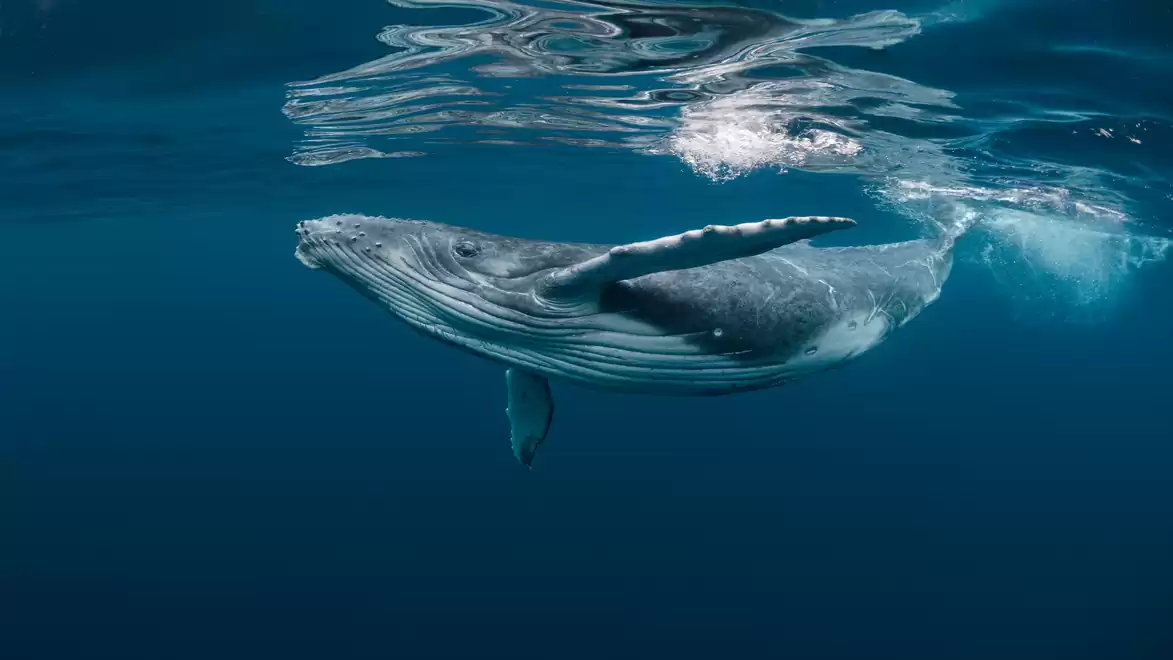
The North Atlantic Right Whale (*Eubalaena glacialis*) is one of the world's most endangered whale species. These majestic marine mammals can reach lengths of up to 55 feet (16.8 meters) and weigh as much as 110,000 pounds (49,895 kilograms). They are characterized by their lack of a dorsal fin and their dark gray to black coloration. (myfwc.com)
North Atlantic Right Whales inhabit the coastal waters of the North Atlantic. During the winter months, particularly from December to March, they migrate to the warmer waters off Florida's Atlantic coast, especially between Jacksonville and Cape Canaveral, to give birth to their calves. (visitflorida.com)
The population of the North Atlantic Right Whale is estimated at approximately 370 individuals, including only about 70 breeding females. The primary threats to this species are collisions with ships and entanglements in fishing gear, which together account for nearly half of all documented deaths since 1970. Despite international protection since the 1930s, the population shows no signs of recovery. (worldwildlife.org)
In Florida, numerous volunteers and organizations are dedicated to protecting the North Atlantic Right Whale. Each year, about 75 sightings of these whales are reported between December and March. Visitors and residents may be fortunate enough to observe these impressive marine mammals from the shore. It is important to maintain a minimum distance of 500 yards (approximately 457 meters) to avoid disturbing the animals. (visitflorida.com)
The North Atlantic Right Whale epitomizes the challenges of marine conservation. Despite decades of efforts, its future remains uncertain. It is up to all of us to contribute to the survival of this remarkable species through responsible behavior and support for conservation measures.
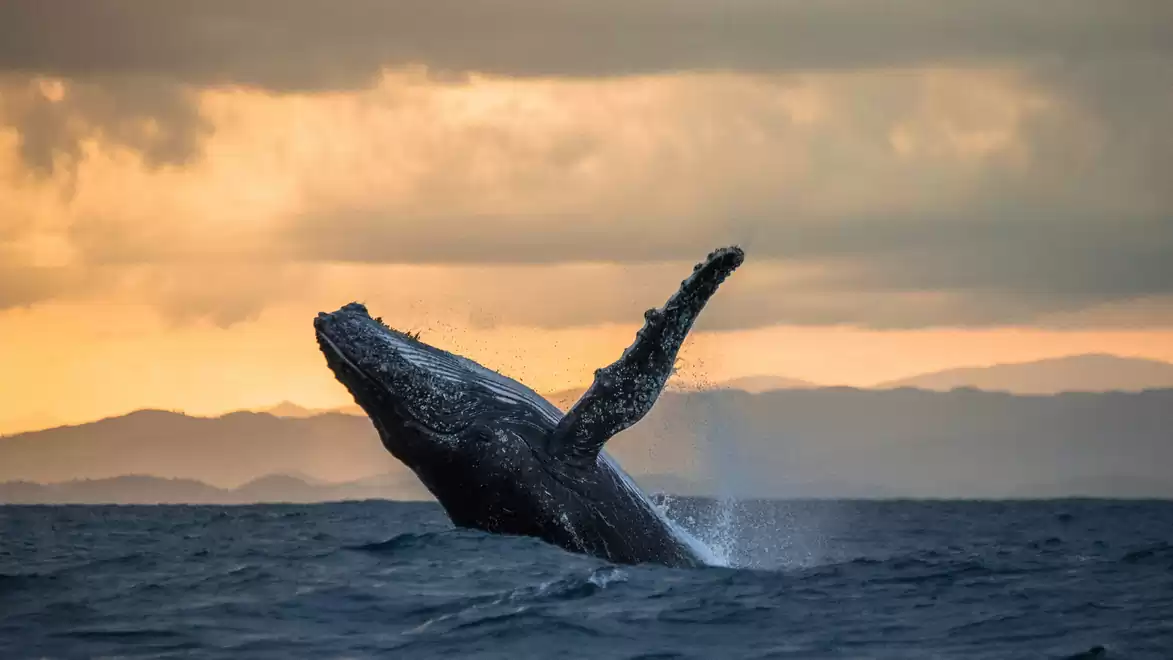
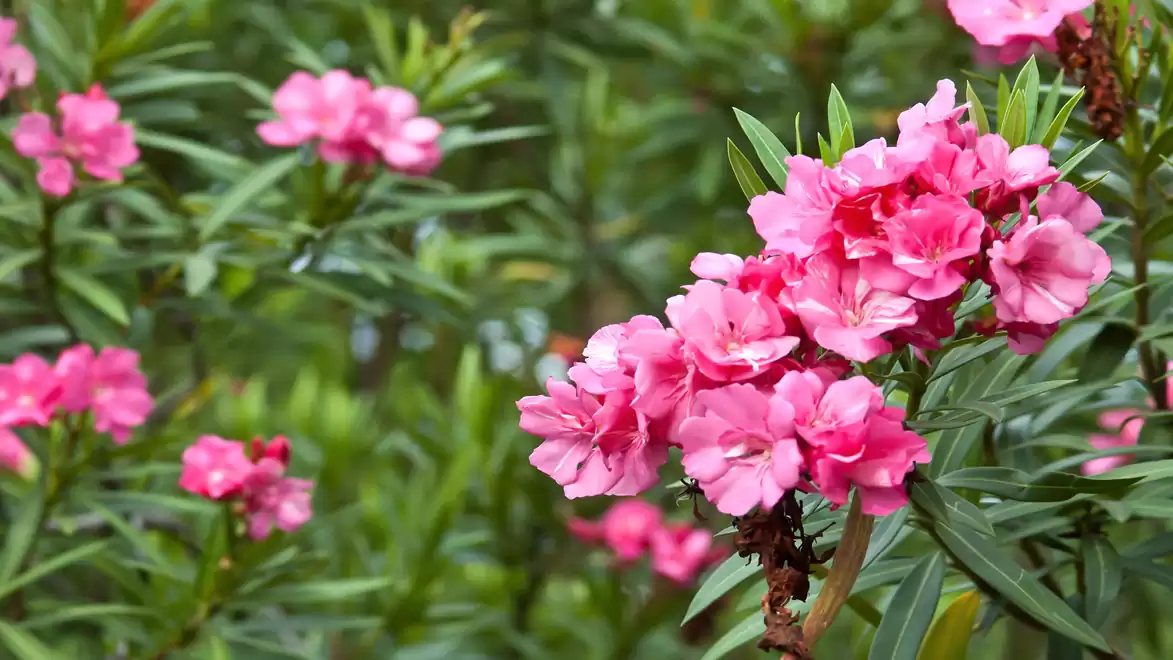
The Oleander (Nerium oleander), also known as the Rose Laurel, is an evergreen shrub or small tree with narrow, dark green leaves and an abundance of fragrant blossoms. Its flowers range in color from white, pink, and red to yellow. In Florida, vast strips of hardy Oleander line many roads and highways, creating a picturesque landscape. (University of Florida Gardening Solutions)
The Oleander thrives in Florida’s warm climate. It prefers full sun and grows well in dry, sandy soils. Due to its high tolerance for salt-laden winds, it is an excellent choice for coastal landscapes. Additionally, Oleander is highly resilient to heat and drought. (Garden Design)
The Oleander blooms nearly year-round, with its peak flowering season in spring and summer. Its dense growth habit makes it a popular choice for hedges, windbreaks, and ornamental shrubs in parks, gardens, and roadside landscaping.
Despite its beauty, the Oleander is one of the most toxic ornamental plants. All parts of the plant contain toxic substances that can be dangerous to humans and animals. When handling Oleander, gloves should be worn, and pruned branches must not be burned, as the smoke is also toxic. (Plantura Magazine)
With its vibrant blossoms and hardiness, the Oleander is a popular choice in Florida’s landscape design. However, due to its toxicity, it should be handled with care when planted in home gardens.
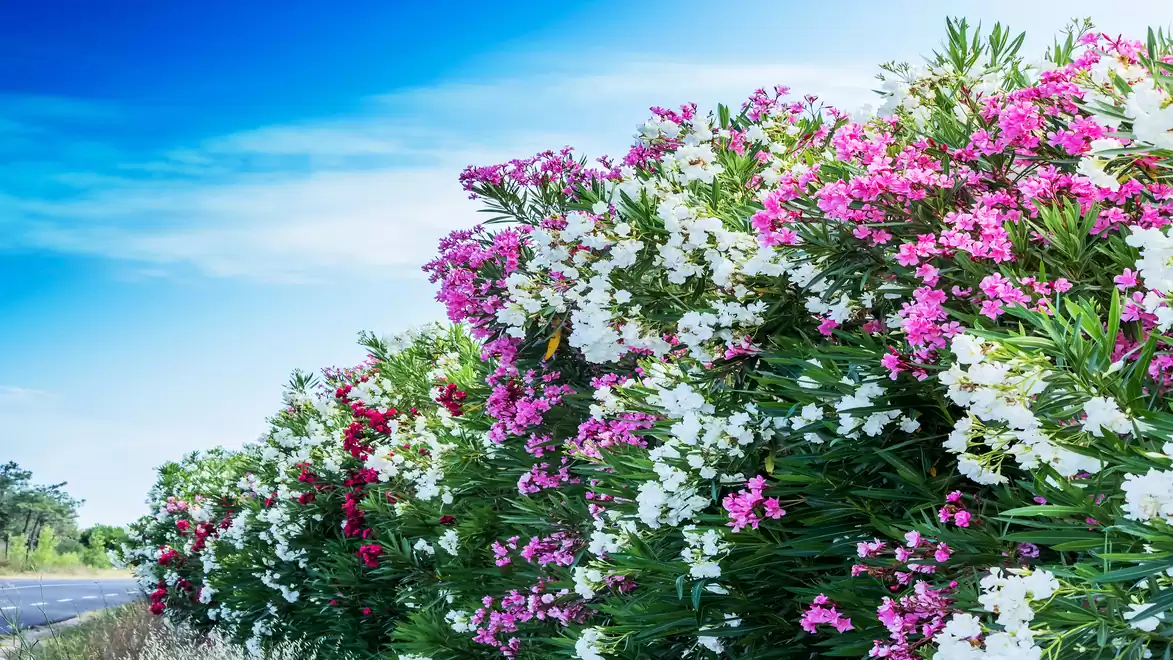
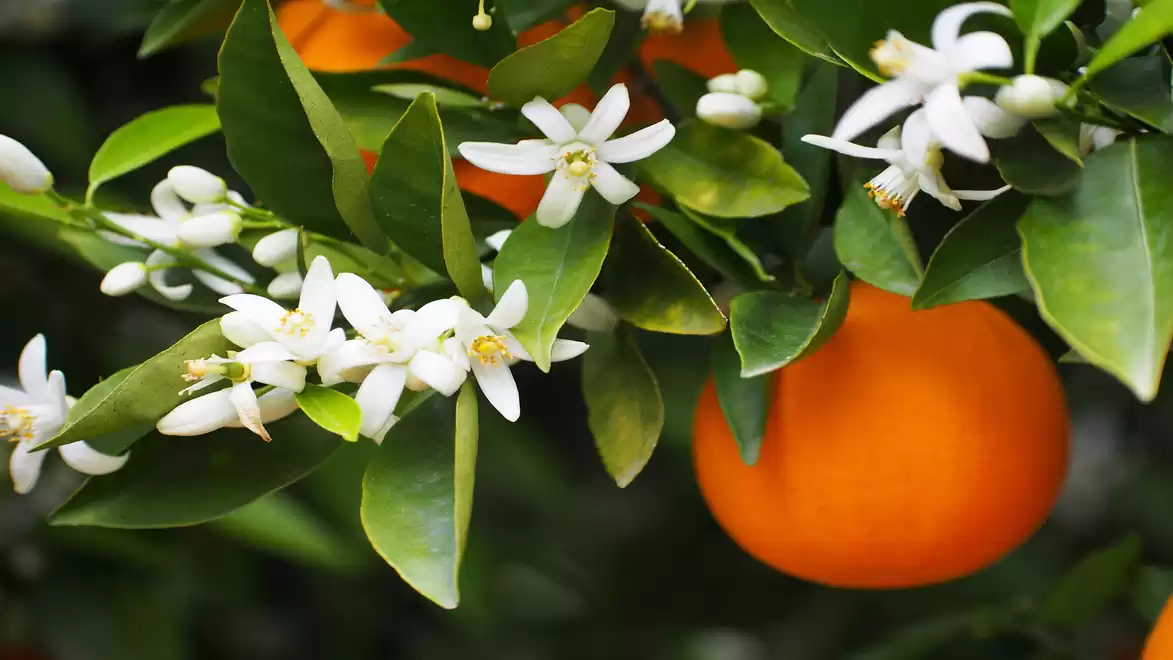
The Orange Blossom (Citrus sinensis) is the official state flower of Florida. Its delicate, waxy white petals emit an exquisite fragrance, making it a distinctive feature of the Sunshine State. Each spring, as orange trees bloom, millions of these blossoms fill the air in central and southern Florida with a delightful scent. (Department of State)
The Orange Blossom not only represents Florida's natural beauty but also symbolizes the state's significant citrus industry. Florida is the second-largest producer of oranges globally, after Brazil, with a substantial portion of the harvest processed into juice. The presence of the Orange Blossom on Florida's license plates underscores its cultural and economic importance. (Florida Museum)
During the blooming season in spring, Orange Blossoms transform Florida's landscape into a fragrant sea of white flowers. Their intense aroma not only attracts visitors but also plays a crucial role in the ecosystem by luring pollinators such as bees. (My Global Flowers)
Beyond its aesthetic and symbolic significance, the Orange Blossom is also utilized in the perfume industry. Its essential oil, known as neroli oil, is prized for its sweet, floral scent and is incorporated into various fragrance compositions.
The Orange Blossom is more than just a flower; it embodies the spirit and economy of Florida. Its captivating fragrance and radiant appearance make it an indispensable part of the state's identity.
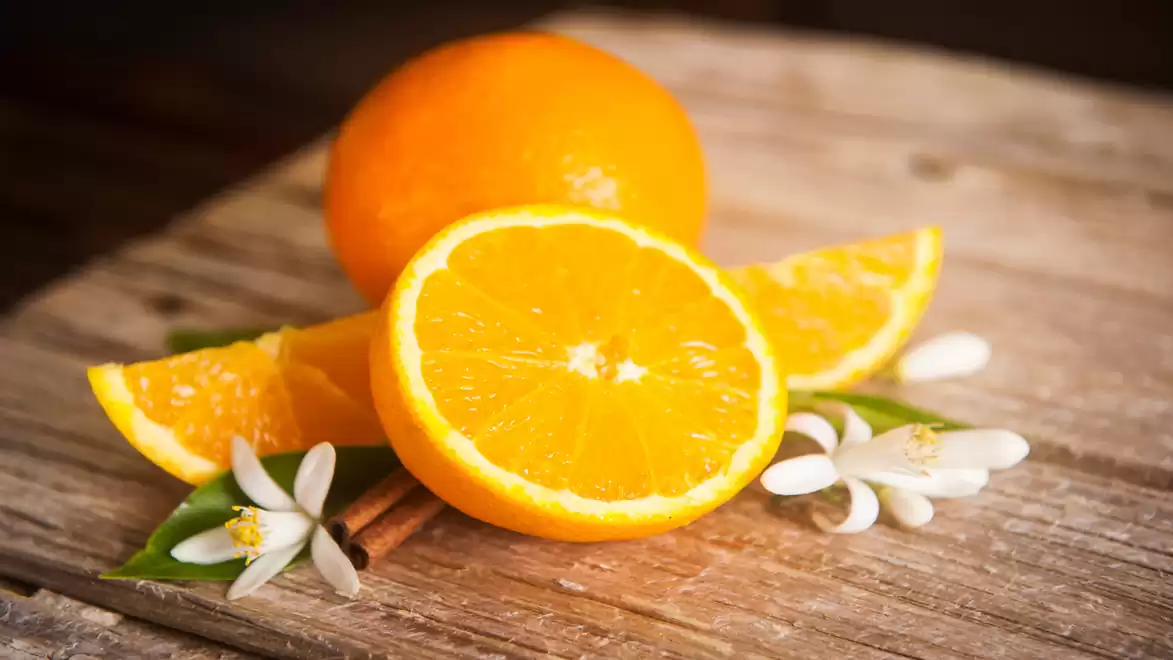
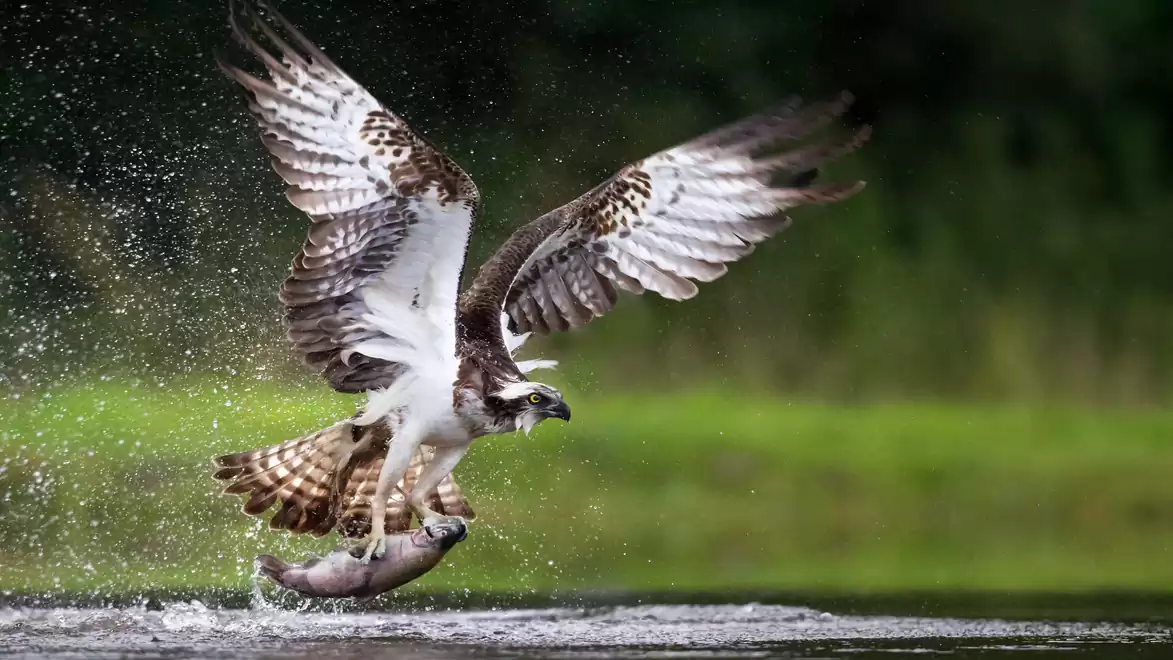
The Osprey (*Pandion haliaetus*) is a bird of prey that feeds almost exclusively on fish. With an impressive wingspan of up to 1.80 meters (5.9 feet) and keen eyesight, it is one of the most skilled hunters of the skies. In earlier centuries, some believed it had a magical ability to make fish surrender to it. (Audubon Field Guide)
The Osprey thrives wherever fish are abundant. In Florida, it can be seen along coasts, rivers, lakes, and even urban water bodies. It is particularly common in protected areas like the Pelican Island National Wildlife Refuge and the Everglades. (Florida Fish and Wildlife Conservation Commission)
Ospreys are known for their breathtaking hunting techniques. They soar high above the water, scanning for prey, before plunging feet-first to snatch fish. Their specialized reversible talons allow them to grip their slippery catch securely. (All About Birds)
Ospreys build large stick nests on tall structures such as poles, trees, and artificial platforms. Mated pairs often remain together for life, returning to the same nest each year and continually expanding it. A typical clutch consists of two to four eggs, which both parents incubate. (National Geographic)
The Osprey has successfully spread worldwide and is found on every continent except Antarctica. Thanks to its adaptability, it is not considered endangered today—a remarkable conservation success story.
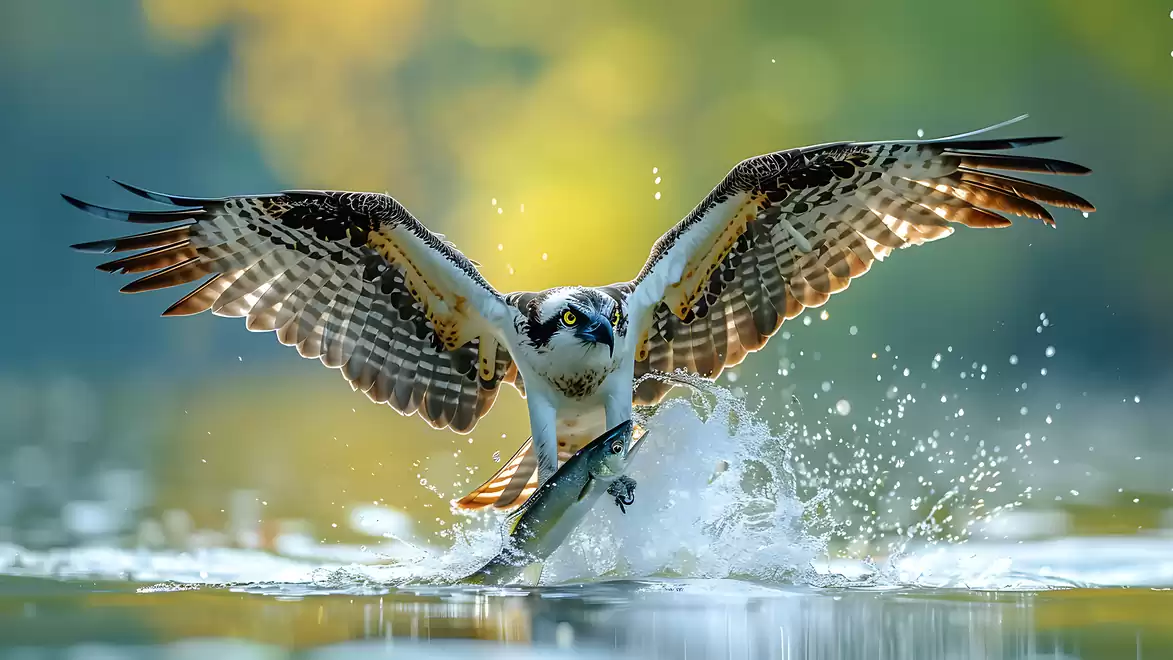
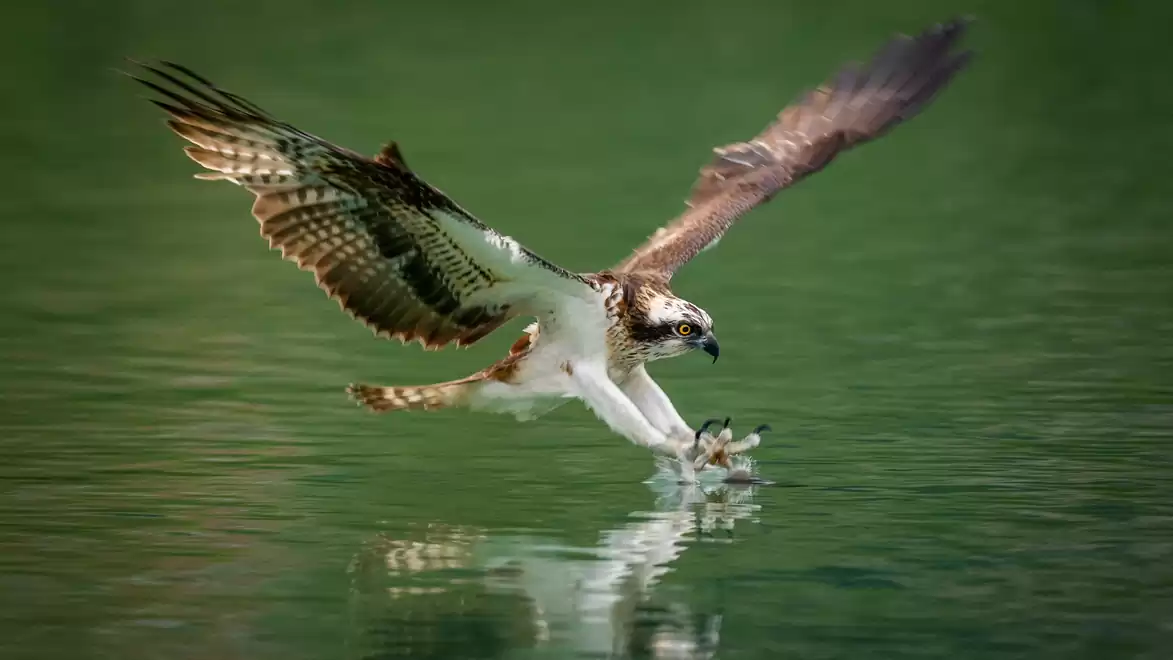
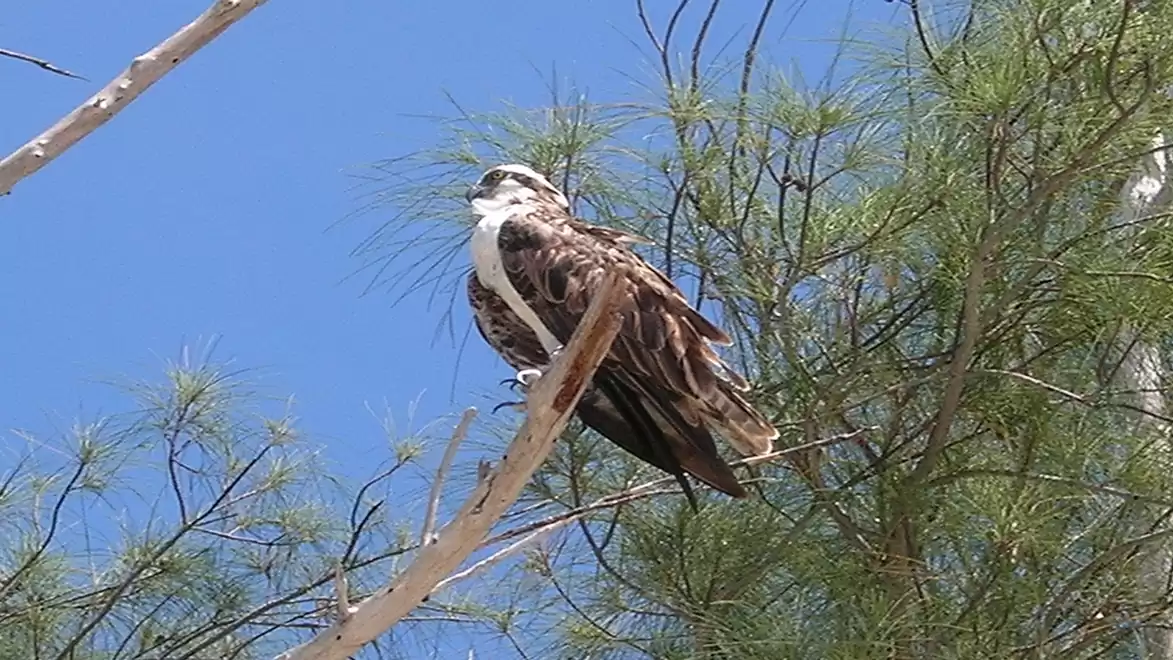
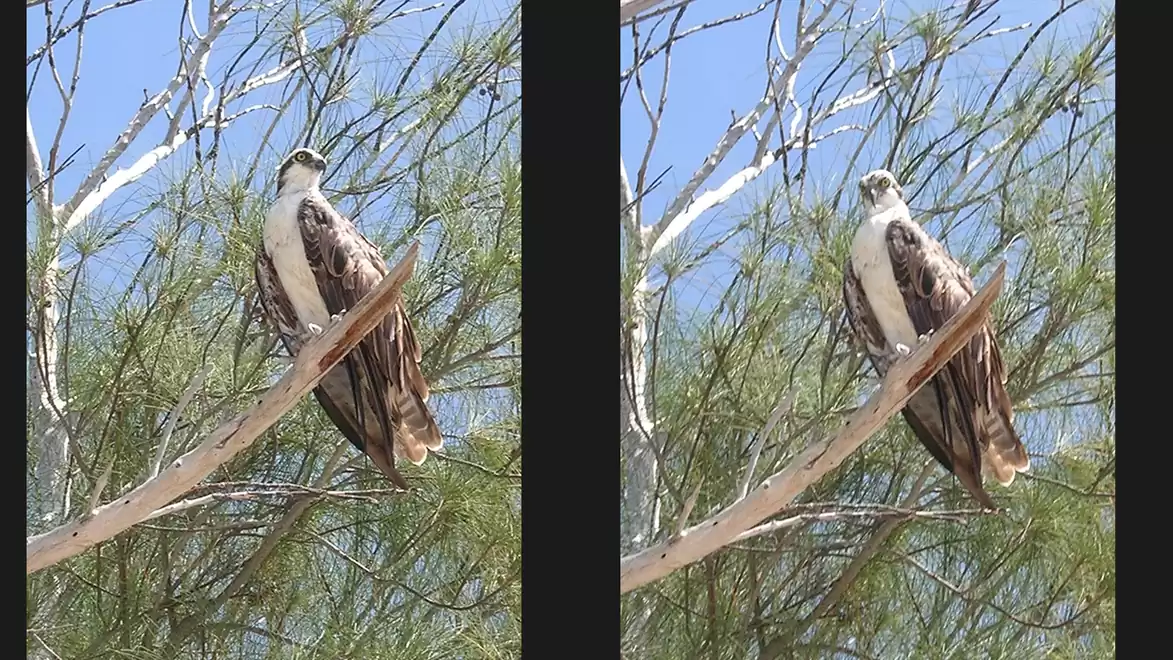
Paddleboarding, also known as Stand-up Paddling (SUP), is one of the most popular water sports in Florida. It combines fitness, relaxation, and a breathtaking nature experience. Using a wide, surfboard-like paddleboard, you move across the water while standing or kneeling with a long paddle. Whether on calm rivers, through mangrove forests, or in the open sea – paddleboarding offers a peaceful yet exciting way to explore the surroundings from a new perspective.

Pickleball is a rapidly growing sports trend in the United States that combines elements of tennis, badminton, and table tennis. Especially in Florida, Pickleball has become a favorite pastime among locals and vacationers alike.
Pickleball is played with a perforated plastic ball and special paddles. The court is smaller than a tennis court and is typically played in doubles.
Florida’s warm climate allows for year-round outdoor play. Many residential communities and vacation resorts now feature dedicated Pickleball courts.
Real estate buyers and renters increasingly value access to recreational amenities. A Pickleball court on the property can enhance the appeal and even the value of a home – particularly for active retirees and sporty families.
To find public and private Pickleball courts in Florida, visit Pickleheads.com.

The raccoon (Procyon lotor) is a medium-sized mammal originally from North America. However, it has successfully adapted to various environments, including cities, forests, and wetlands. In Florida, raccoons are widespread and can be found in both rural and urban areas.
Raccoons are easily recognized by their distinctive black facial mask and bushy, ringed tail. They have thick, gray-brown fur that protects them from the cold. Adults weigh between 5 and 12 kilograms and can grow up to 70 cm in length. (Wikipedia)
In Florida, raccoons inhabit a variety of ecosystems, including mangrove forests, swamps, and suburban areas. Their high adaptability makes them successful survivors in urban environments, where they frequently forage in gardens and trash cans. (Florida Fish and Wildlife Conservation Commission)
Raccoons are omnivores and consume fruits, nuts, insects, small vertebrates, and human food waste. They are known for their dexterous front paws, which they use to feel, open, and even wash their food. Mostly nocturnal, raccoons spend the day resting in secure hiding places like tree hollows or attics. (National Wildlife Federation)
Raccoons mate between January and March. After a gestation period of about 65 days, the female gives birth to 2 to 5 kits in a safe den. The young stay with their mother for around 8 months before venturing out on their own. (Animal Diversity Web)
As raccoons become more common in cities, they are often seen as pests. They can raid trash bins, damage rooftops, and transmit diseases such as rabies. To prevent conflicts, trash bins should be secured and food sources removed. Despite their reputation, raccoons are fascinating animals with remarkable intelligence. (Humane Society)
The raccoon is an intelligent and adaptable survivor, thriving in both the wild and urban settings. In Florida, raccoons are a common part of the wildlife, though they are sometimes perceived as nuisances.
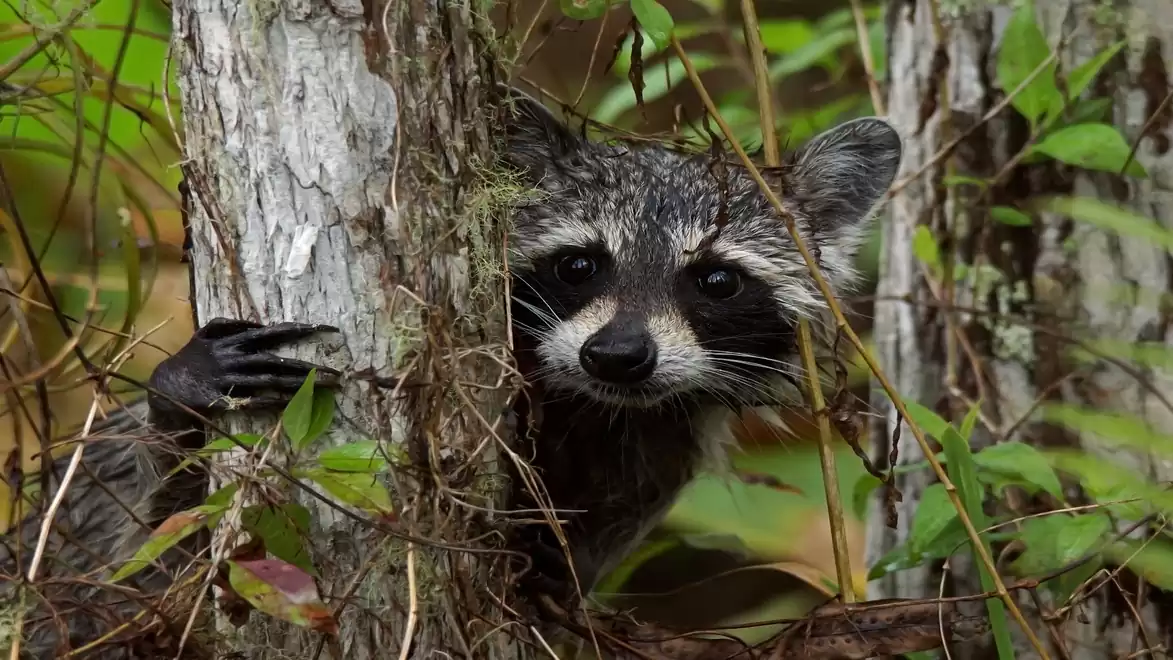
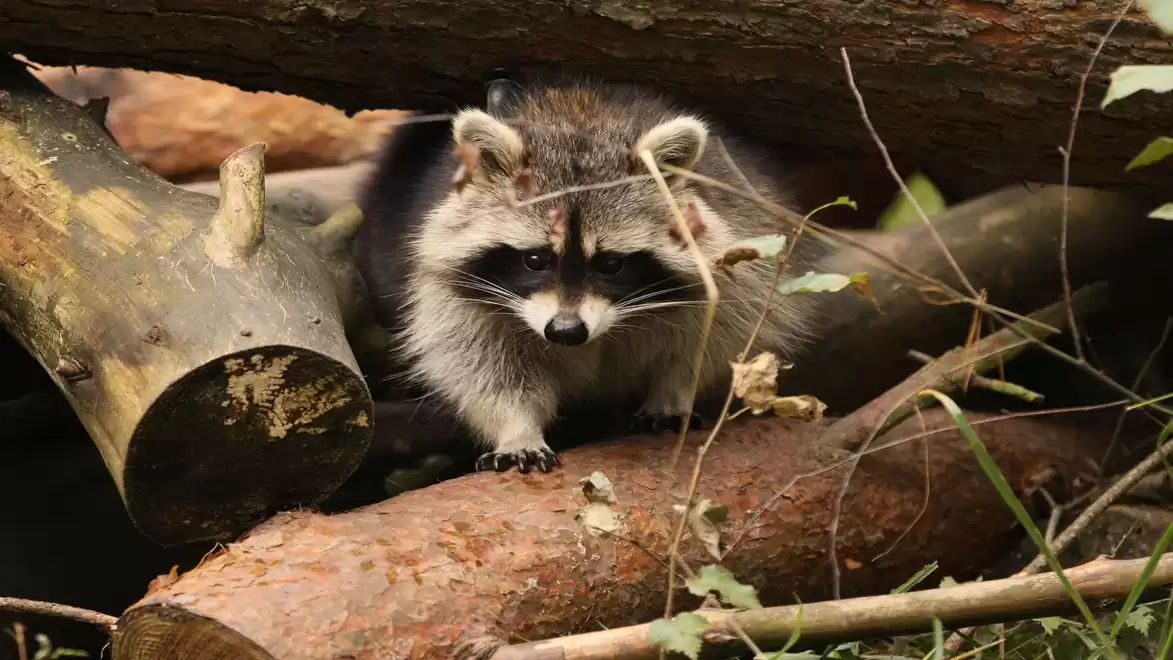
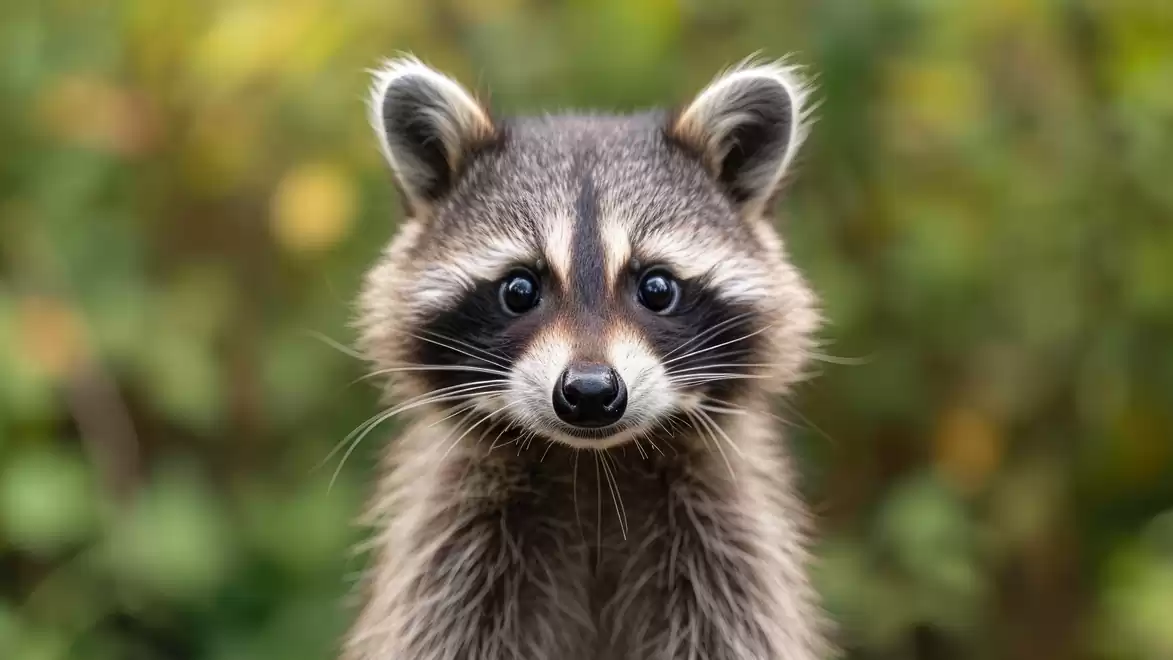
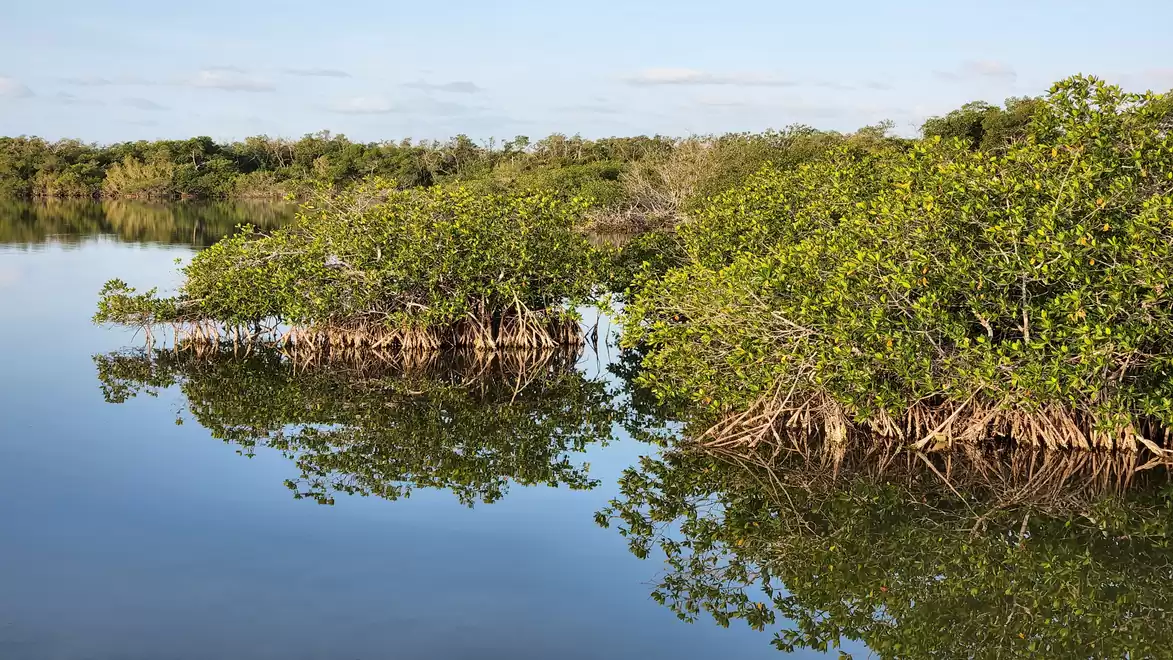
The Red Mangrove (Rhizophora mangle) is one of three mangrove species found in Florida and is considered the most well-known. It typically grows directly in the water and is easily identified by its distinct, reddish prop roots. These roots have earned it the nickname “walking tree” as they appear to stand or move on the water’s surface. (Florida Museum)
The Red Mangrove is found along the coasts of Central and South Florida, particularly in the Florida Keys, the Everglades, and the Gulf Coast. It thrives in salty or brackish waters and forms dense mangrove forests that stabilize shorelines and protect against erosion and storms. (University of Florida IFAS)
The Red Mangrove’s prop roots provide shelter and habitat for various marine species, including juvenile fish, crabs, and shrimp. These coastal forests also serve as nesting grounds for numerous bird species such as herons, pelicans, and frigatebirds. An estimated 90% of commercially fished species in Florida depend on mangrove habitats. (National Park Service)
The Red Mangrove has developed remarkable adaptations to survive in salty environments. Its roots filter salt from the water, and its thick, leathery leaves help excrete excess salt. These features allow it to thrive in tidal areas. (IRC)
Mangrove forests are crucial for coastal protection and are legally protected in Florida. Their removal can lead to coastal erosion and the loss of vital habitats. Various conservation initiatives are working to preserve and restore these valuable ecosystems. (National Park Service)
The Red Mangrove is a fascinating plant that plays a central role in Florida’s marine ecosystem. Through its unique root system, it protects shorelines and provides a habitat for countless species.
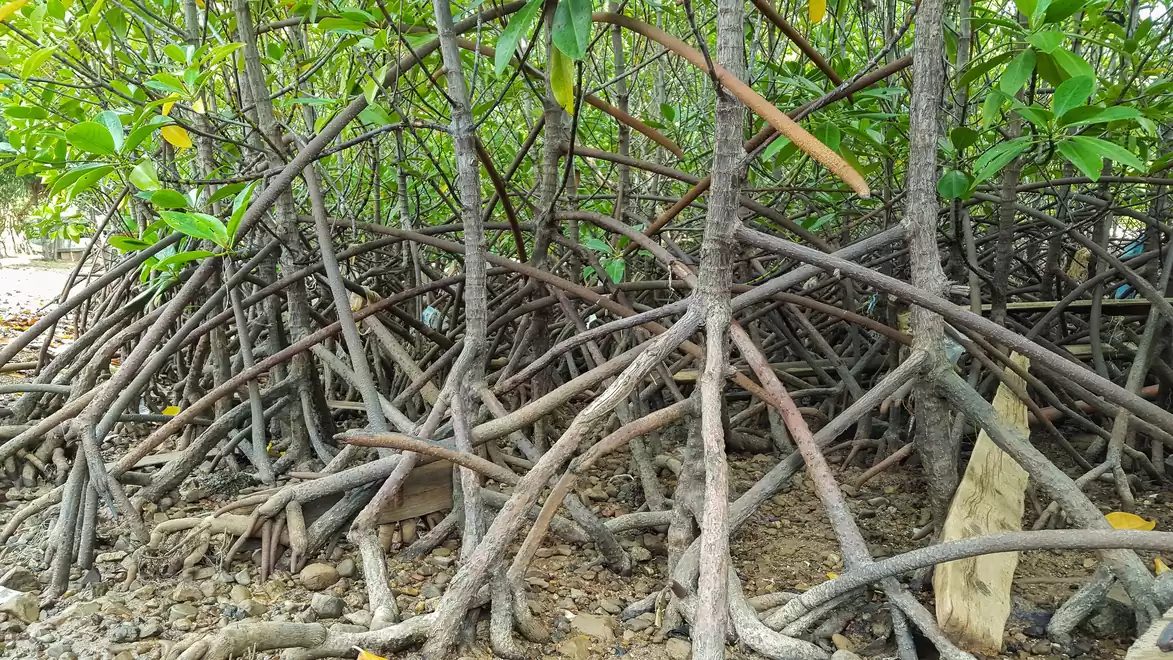
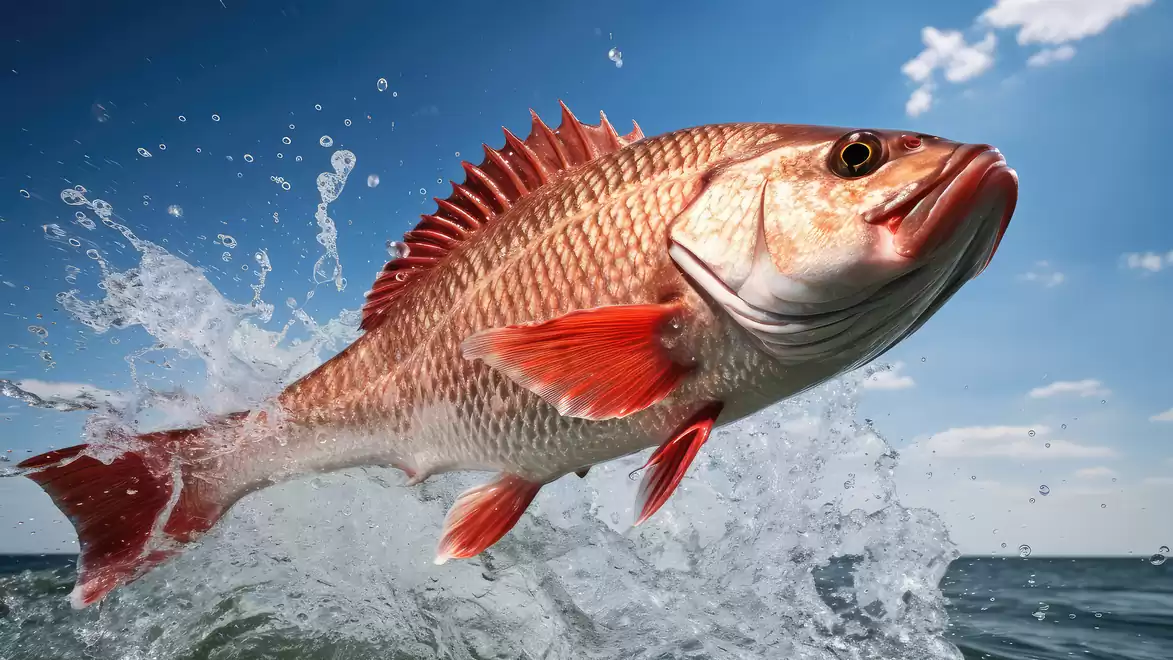
The Redfish, also known as the Red Drum (Sciaenops ocellatus), is a popular saltwater fish primarily found in the coastal waters of the Gulf of Mexico and along the Atlantic coast of Florida. It belongs to the drum fish family (Sciaenidae) and is highly prized by both anglers and chefs for its firm, flavorful meat.
The Redfish is a staple in Southern U.S. cuisine. One of the most famous dishes is "Blackened Redfish", where the fish is coated with spices and seared in a hot pan. Its mild, slightly sweet meat makes it ideal for grilling, frying, or steaming.
Due to overfishing, strict catch limits were imposed in the 1980s. Thanks to conservation efforts, the Redfish population has since stabilized.
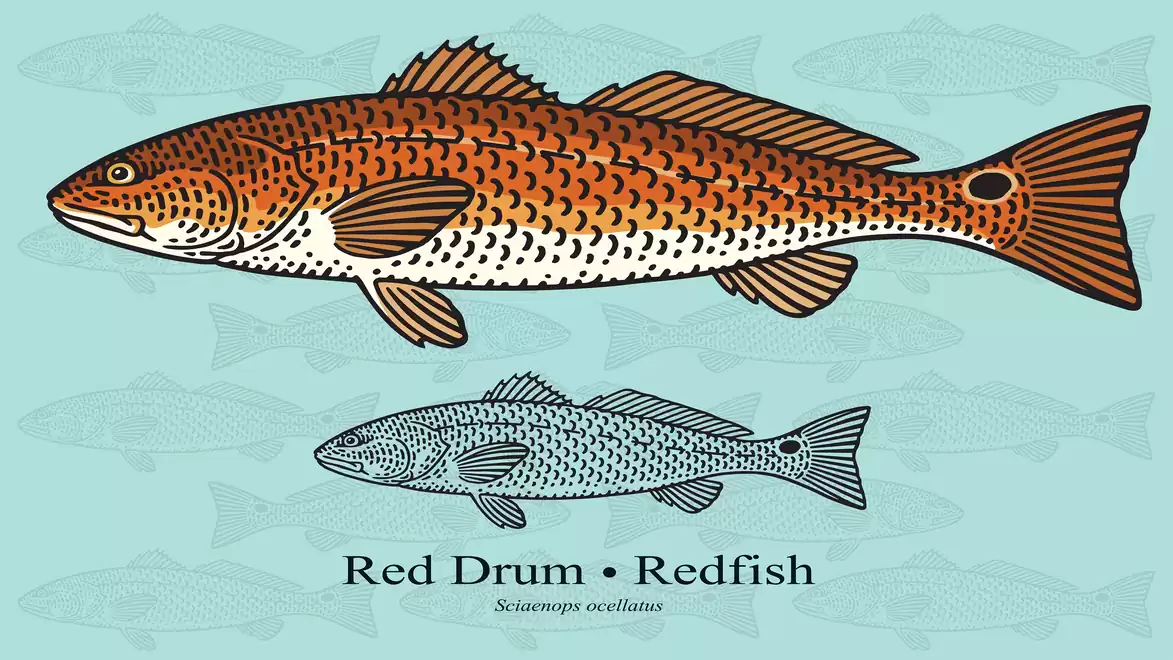
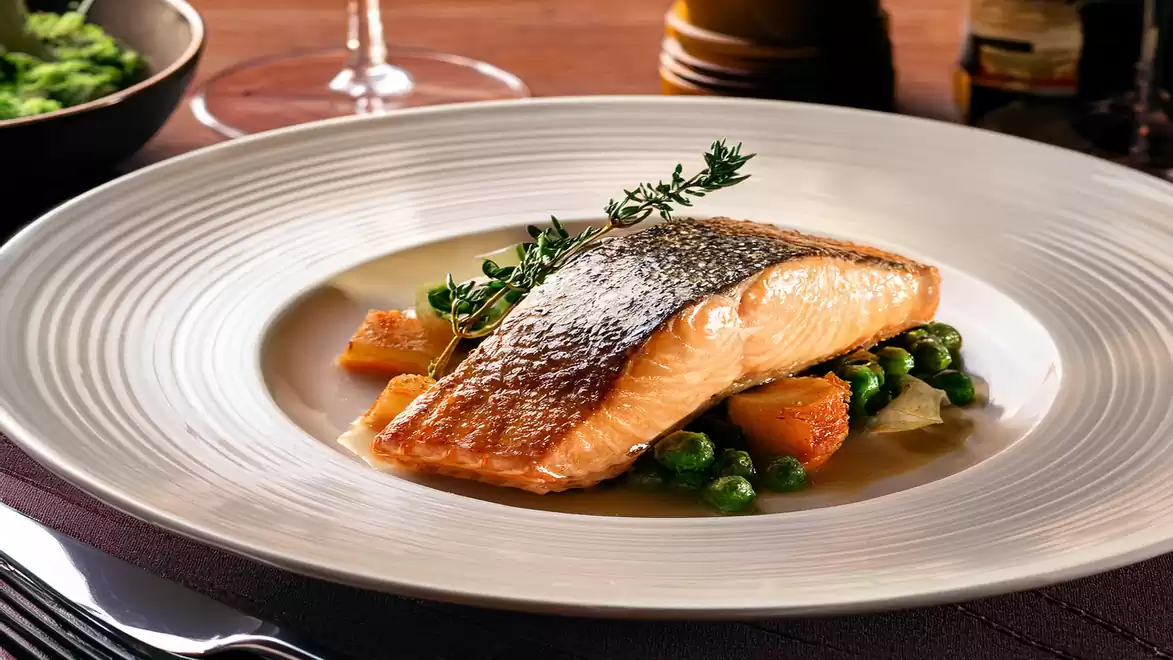
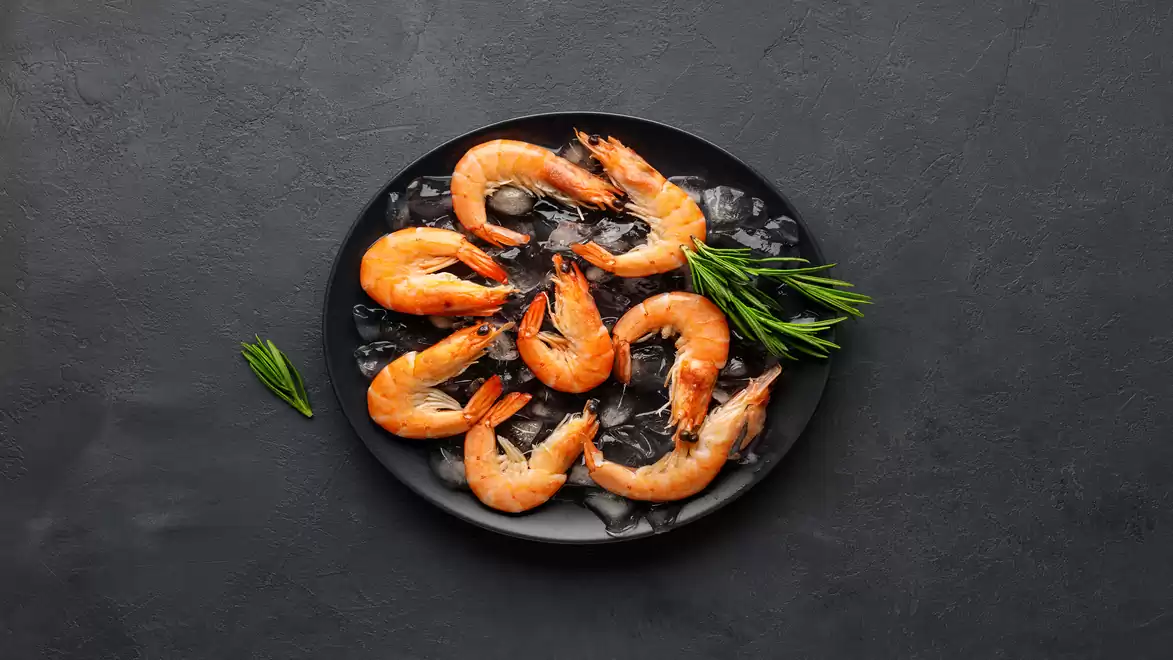
Rock shrimp are known for their juicy and tender meat. They originate from the depths of the Gulf of Mexico and are considered the deep-water cousins of pink, brown, and white shrimp. Despite their smaller size, they cook faster and their flavor resembles that of lobster. (Visit Florida)
Due to their firm flesh, rock shrimp are suitable for various cooking methods:
Rock shrimp offer a unique taste experience appreciated by lobster enthusiasts. Their versatility in preparation makes them a sought-after ingredient in gourmet cuisine.
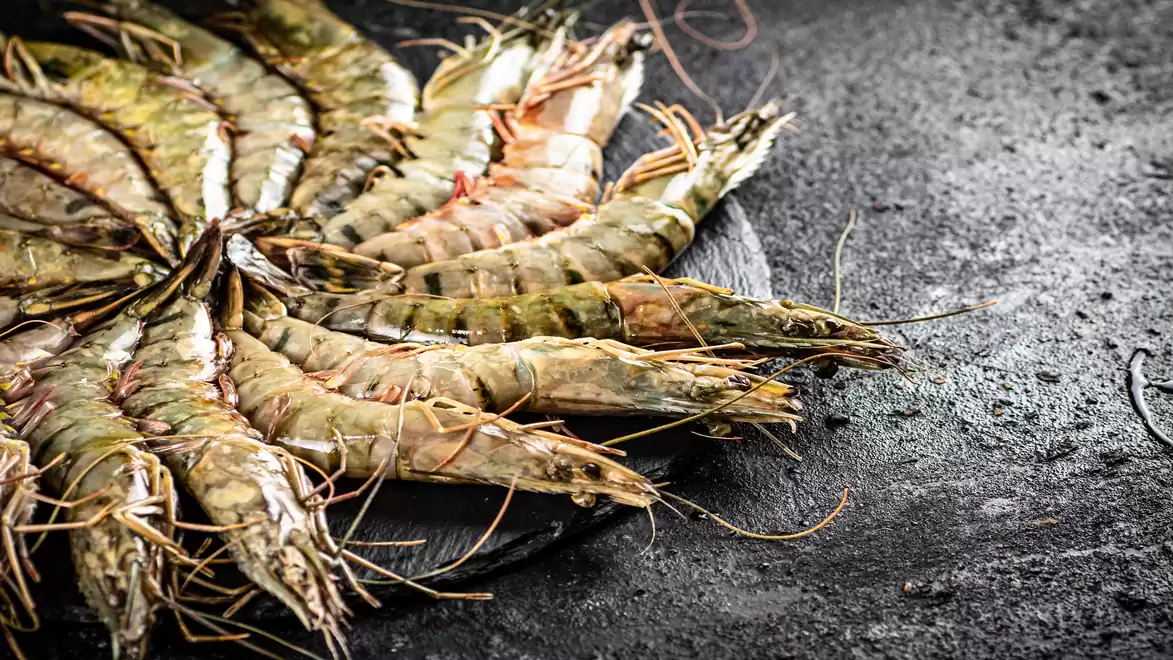
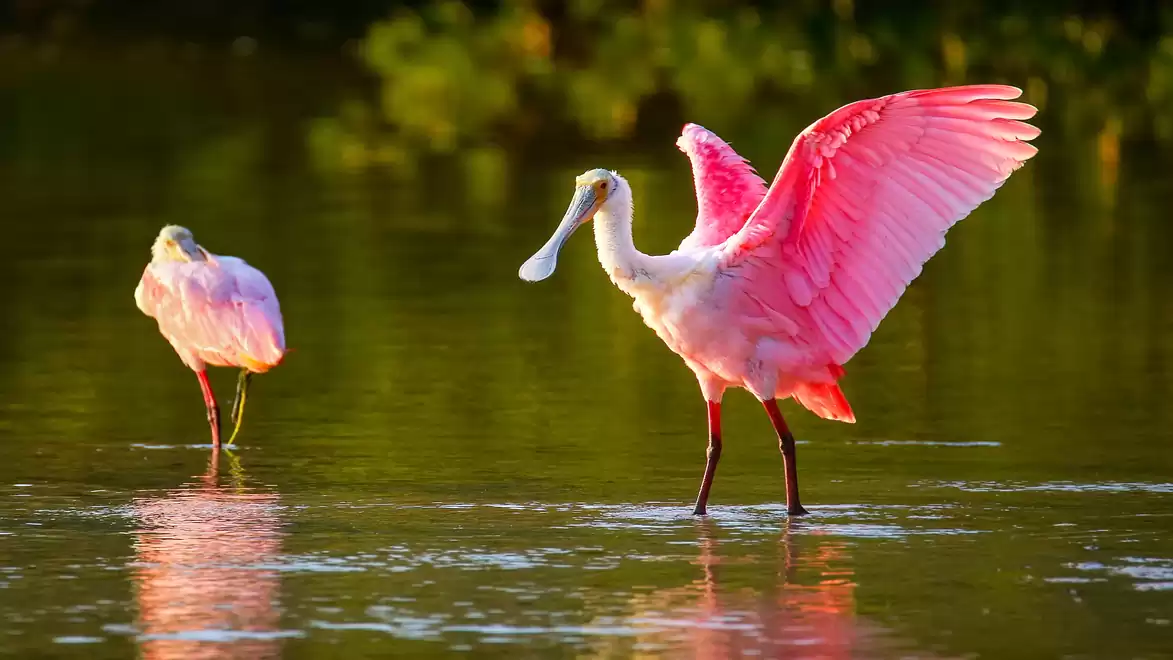
The Roseate Spoonbill (*Platalea ajaja*) is one of Florida’s most colorful birds. With its vivid fuchsia plumage, bright red shoulder patches, and its distinctive spoon-shaped bill, it is easily recognizable. Unlike the flamingo, which is often associated with Florida but rarely seen in the wild, the Roseate Spoonbill is a true native species. (Florida State Park)
The Roseate Spoonbill is primarily found in South Florida, inhabiting mangrove forests, coastal lagoons, and marshes. Large populations can be seen in the Florida Bay, the Everglades, and along the Gulf Coast. During the breeding season, they retreat to protected wetlands. (Audubon Bird Guide)
Roseate Spoonbills are wading birds that forage in shallow waters. They sweep their spoon-shaped bills from side to side to detect small fish, crustaceans, and insect larvae. Their pink coloration comes from carotenoid pigments found in their diet, similar to flamingos. (All About Birds)
During the breeding season, Roseate Spoonbills nest in colonies, often in mangroves or isolated islands. A clutch consists of two to five eggs, incubated by both parents. Hatchlings are born with white feathers and gradually develop their pink coloration as they mature. (Audubon Bird Guide)
The Roseate Spoonbill was nearly hunted to extinction in the 19th century due to its striking feathers. Thanks to conservation efforts, populations have rebounded, but the loss of wetland habitats remains a concern. While not currently endangered, it remains a protected species. (U.S. Fish & Wildlife Service)
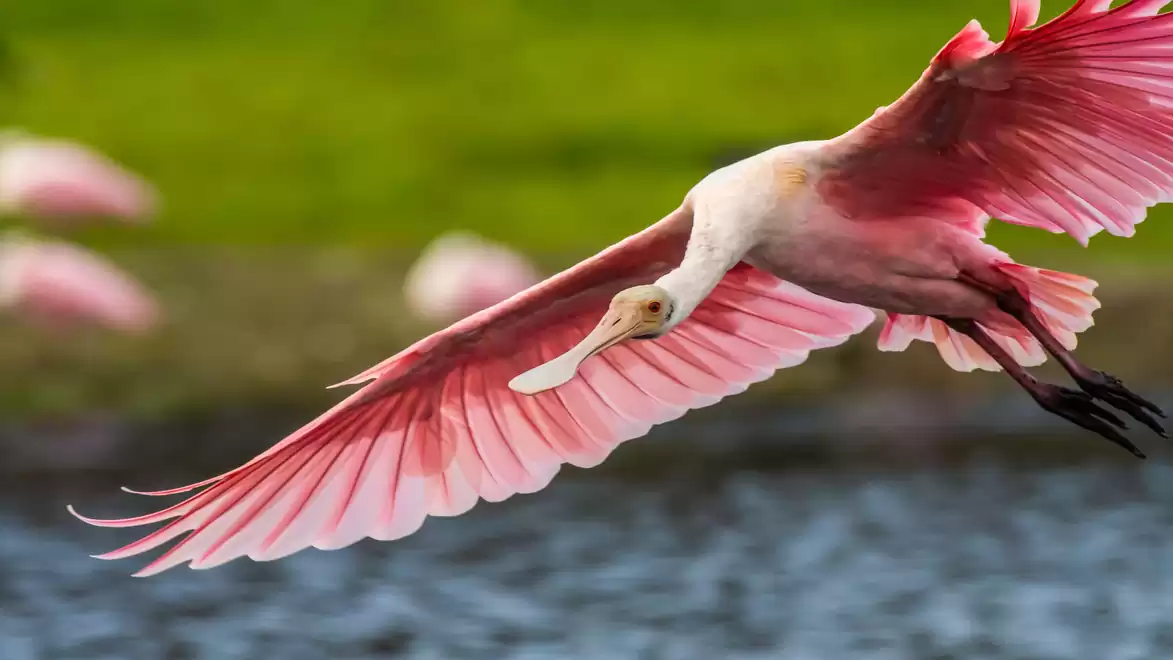
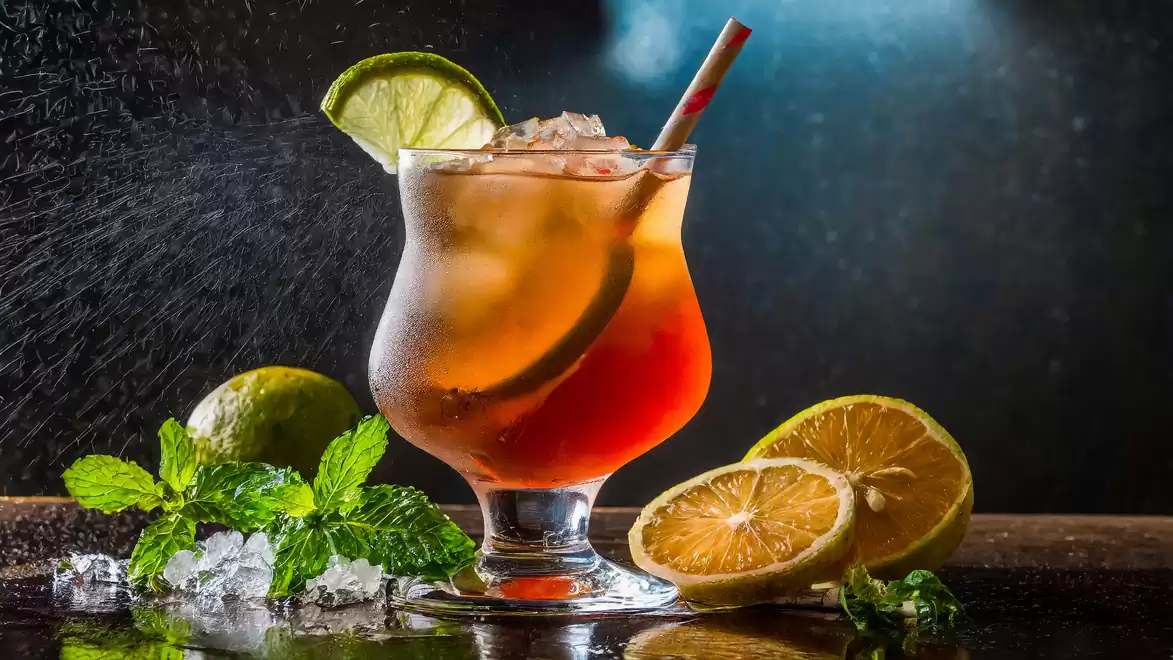
The Rum Runner is a fruity, Caribbean-inspired cocktail with a bold rum flavor. It was created in the 1950s in Florida, specifically at the Holiday Isle Tiki Bar in Islamorada. This drink blends rum, fruit liqueurs, and juices into a tropical taste sensation that brings pure vacation vibes to your glass.
Add all ingredients to a shaker filled with ice and shake well. Strain into a glass filled with ice cubes and garnish with an orange slice or cherry.
This cocktail delights with its fruity sweetness and harmonious blend of rum and liqueurs. It’s especially popular in Florida, often served as a refreshing sundowner. Whether in a relaxed beach bar or a Tiki lounge – the Rum Runner remains a true classic in the tropical cocktail world.
Whether it's Caribbean cocktails, dreamy beaches, or exciting adventures – Florida has something for everyone. Book your vacation home in Cape Coral, Naples, or Fort Myers and experience the ultimate holiday vibe!
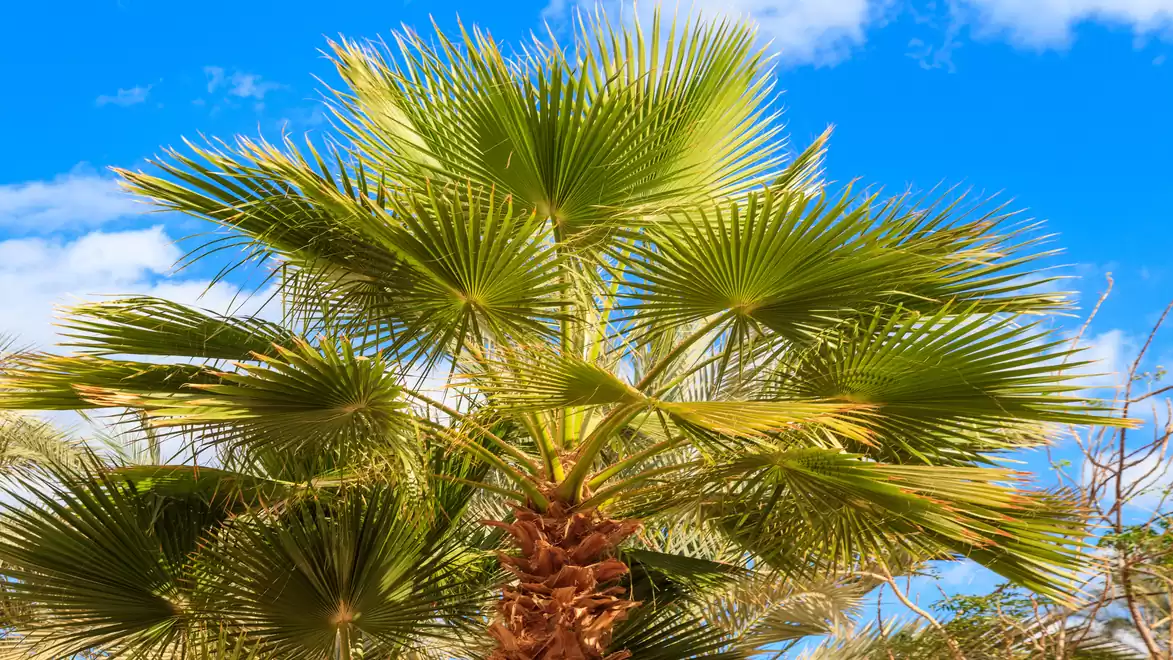
The Sabal Palm (Sabal palmetto), also known as the Cabbage Palm, is the official state tree of Florida. It thrives in almost any soil type and is found throughout the state. Due to its adaptability, it grows in various habitats, including pine forests, coastal dunes, swamps, and floodplains. This palm is particularly valued for its resilience to harsh weather conditions, including hurricanes. (University of Florida Gardening Solutions)
The Sabal Palm is distinguished by its gracefully curved, fan-shaped leaves, with fronds reaching lengths of 3 to 4 feet and leaf stalks extending between 3 to 6 feet. A mature tree forms a dense, round canopy and grows up to 40 feet tall. In late spring, it produces branched inflorescences with thousands of tiny, creamy-white, fragrant flowers that attract bees and other pollinators. Its small, black fruits ripen in late summer and serve as an important food source for wildlife. (Wild South Florida)
The Sabal Palm is widely used for both ornamental and practical purposes. The tree is a popular choice for landscaping due to its low maintenance and ability to withstand strong winds. Additionally, its young, tender palm hearts, known as "Swamp Cabbage," are considered a delicacy in Florida and are often used in traditional Southern cuisine. Historically, its leaves were used by Indigenous peoples for thatching roofs and weaving baskets. (Florida Department of State)
The Sabal Palm is an essential component of Florida’s ecosystem. It provides shelter and food for various wildlife species, including birds, mammals, reptiles, and insects. The tree’s trunk and leaf bases (often called "boots") serve as a habitat for ferns and other epiphytic plants. Many animals, including the Florida black bear and deer, feed on its fruit. (Florida Wildflower Foundation)
Despite being abundant, Sabal Palms are protected under Florida law in certain areas due to their ecological importance. Conservation efforts focus on preserving native palm populations, as habitat destruction and urban expansion threaten some wild stands. These palms continue to be a vital part of Florida’s landscapes, both in nature and in urban settings. (National Wildlife Federation)
The Sabal Palm is more than just Florida’s state tree—it is a symbol of resilience, adaptability, and cultural significance. Whether in the wild or in cultivated landscapes, it remains an iconic feature of the Sunshine State.
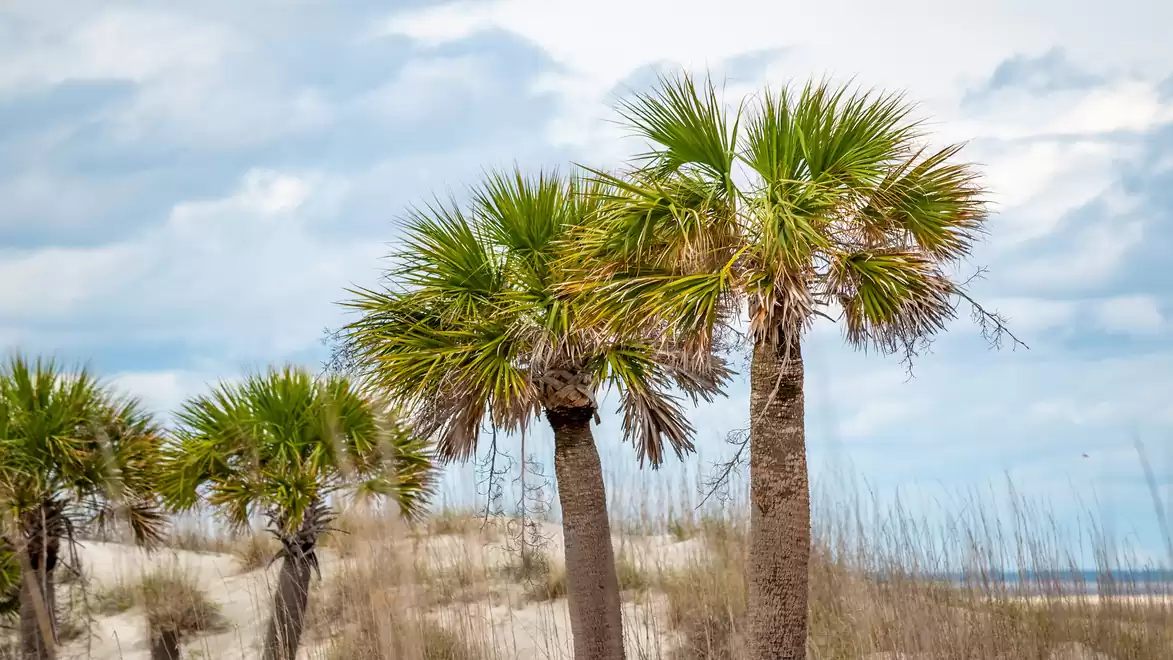
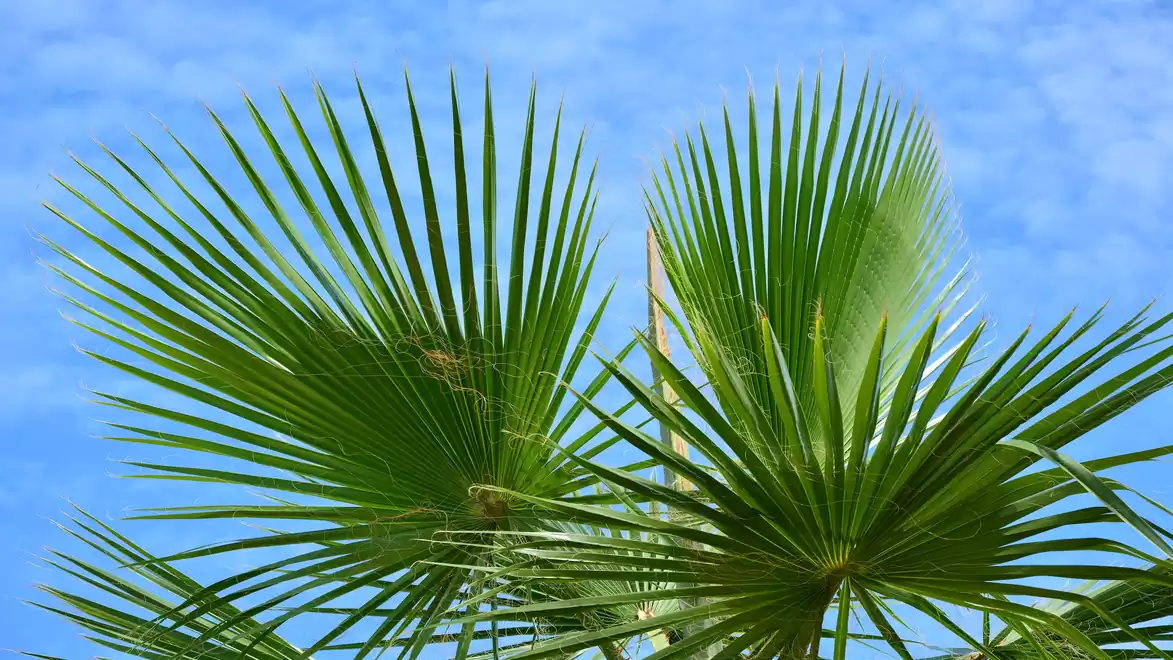
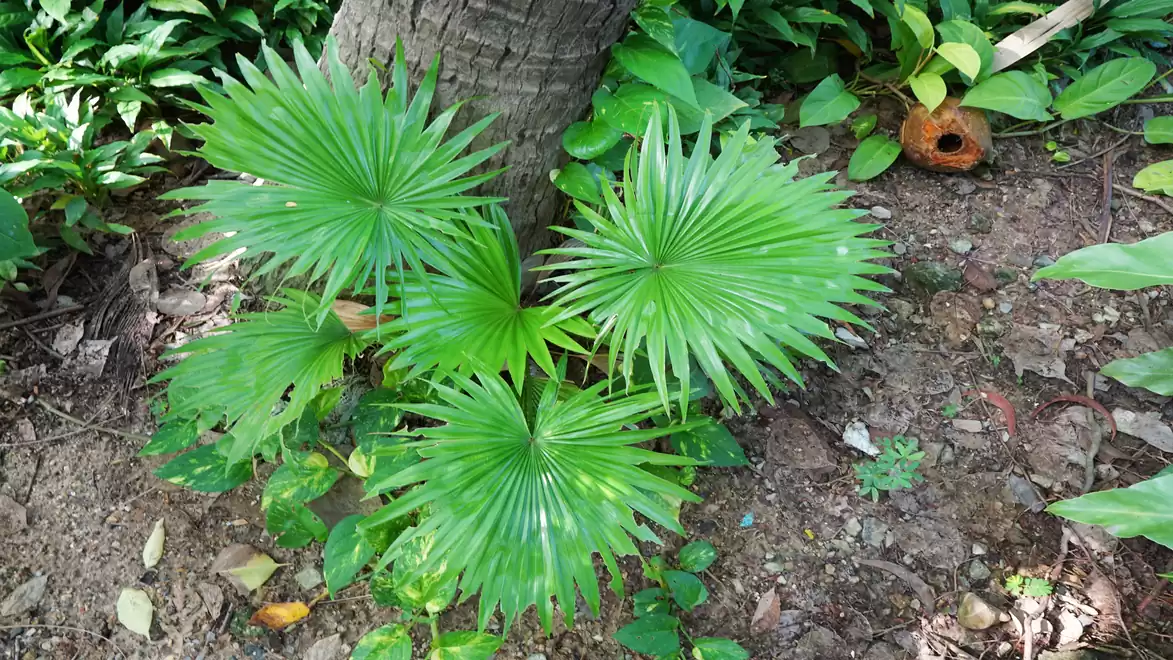
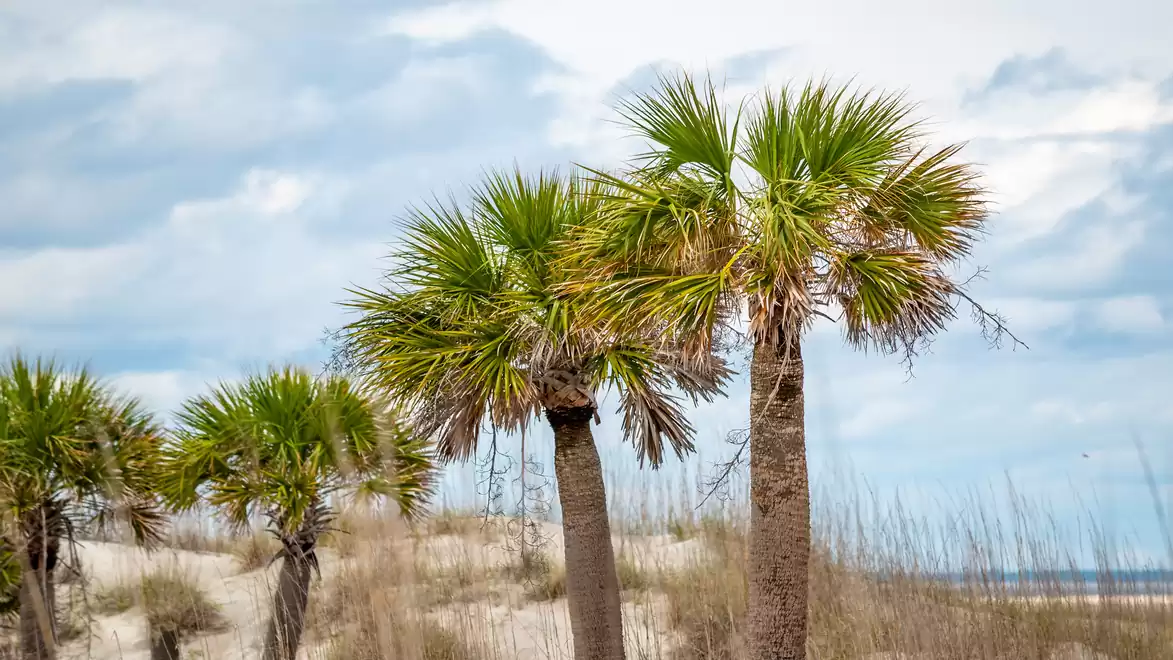
The Palmetto Palm (Sabal palmetto), also known as the cabbage palm or Carolina palm, is a hardy and resilient palm species that thrives in the southern United States, especially in Florida. It is the official state tree of both Florida and South Carolina and is an iconic feature of coastal landscapes.
The Palmetto Palm is highly adaptable and thrives in both moist and dry soils. It is salt-tolerant and resistant to storms and hurricanes, making it a popular choice for gardens and urban landscapes across Florida.
Beyond its decorative appeal, the Palmetto Palm has been historically utilized in various ways:
Palm trees, sunshine, and endless beaches – Florida offers the ultimate vacation experience. Book your holiday home in Cape Coral, Naples, or Fort Myers and immerse yourself in the unique atmosphere of the Sunshine State!
Sandbars are a fascinating natural phenomenon in Florida and a popular destination for boaters, anglers, and nature enthusiasts. These shallow, often offshore sand formations are created by ocean currents that transport sand from rivers and beaches, depositing it in certain areas. Some sandbars are only visible at low tide, while others remain above water year-round.
Some of the most beautiful and well-known sandbars are located along the Gulf Coast and in South Florida:
Sandbars are not only stunning places for a relaxing day on the water but also crucial ecological habitats for marine life. Constantly shaped by tides and storms, they remain a dynamic and ever-changing experience.
The Saw Palmetto (Serenoa repens) is a hardy, fan-shaped palm native to the southeastern United States, particularly Florida. It grows in dense clumps that can reach diameters of over 6 meters and is found in various habitats such as coastal sand dunes, dry understory areas, pine forests, hammocks, and wetlands. (UF/IFAS Gardening Solutions)
The Saw Palmetto is a slow-growing, multi-trunked palm that typically reaches a height of 5 to 10 feet and spreads 4 to 10 feet wide. It has stout stems that usually crawl across the ground and produce fan-shaped fronds. While most forms have green leaves, leaf color is variable, with silver to blue-silver forms common on Florida's east coast. (UF/IFAS Gardening Solutions)
The Saw Palmetto plays a crucial role in Florida's ecosystem. It provides food and shelter for a variety of wildlife, including birds, mammals, and insects. Its berries are an important food source for many animal species, and its dense clumps offer protection and nesting sites. (Florida Museum of Natural History)
Extracts from the berries of the Saw Palmetto are commonly used as an herbal remedy, particularly for treating symptoms of an enlarged prostate, known as benign prostatic hyperplasia (BPH). While some studies have shown positive results, the effectiveness of saw palmetto extracts remains a subject of scientific research. (National Center for Complementary and Integrative Health)
The Saw Palmetto is not only a characteristic component of the Floridian landscape but also a plant of great ecological and medicinal significance. Its adaptability and usefulness make it an essential part of Florida’s natural flora.
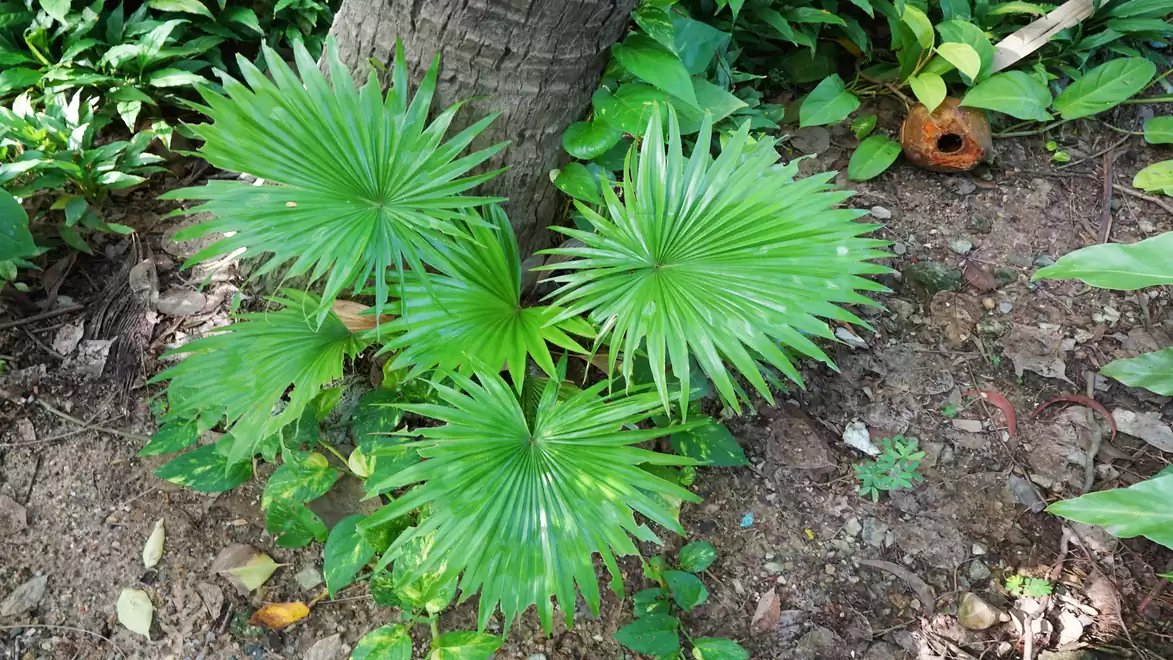
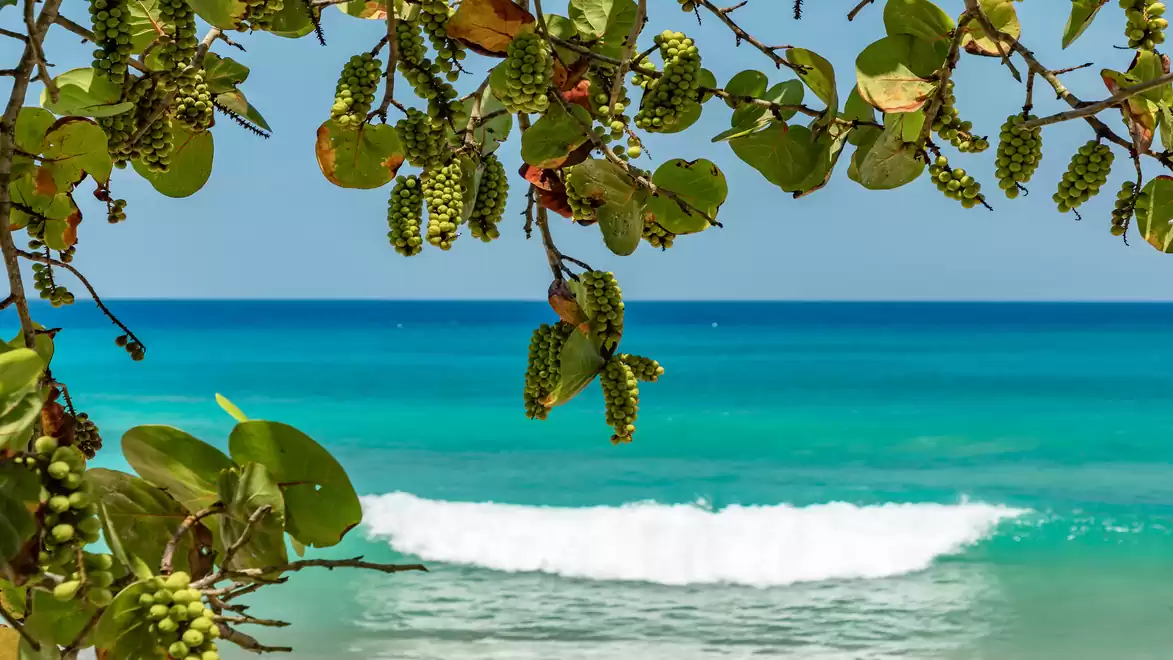
The Sea Grape (Coccoloba uvifera) is a salt-tolerant, evergreen plant commonly found along Florida’s beaches. Its dense root system helps stabilize sand dunes, preventing erosion and supporting the coastal ecosystem. (University of Florida IFAS)
The Sea Grape grows as a shrub or small tree, reaching heights of up to 30 feet (9 meters). Its large, round leaves are leathery, green, and often streaked with distinctive red veins. In summer, the plant produces grape-like clusters of fruit that transition from green to purple as they ripen. (South Florida Plant Guide.)
Beyond coastal protection, the Sea Grape serves as a food and habitat source for many wildlife species:
The fruit of the Sea Grape is edible and is often processed into jams, jellies, or wine. Its durable wood has been used for furniture and firewood. (Wikipedia)
The Sea Grape is a versatile coastal plant with both ecological and practical benefits. It not only helps protect Florida’s beaches from erosion but also provides valuable resources for both wildlife and humans.
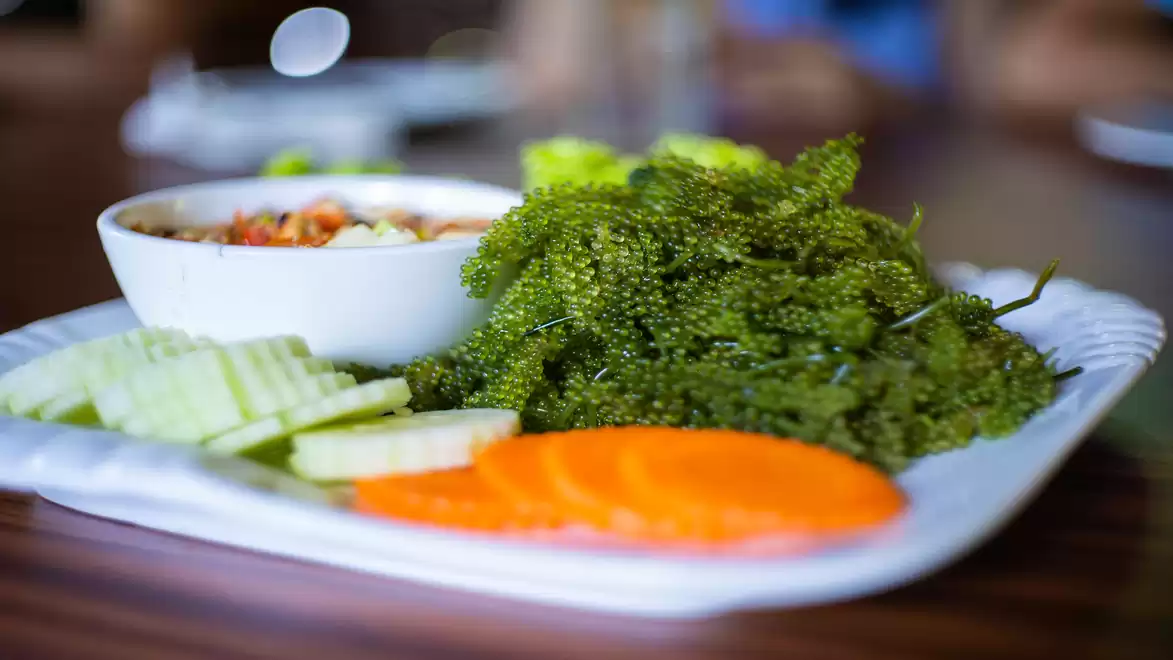
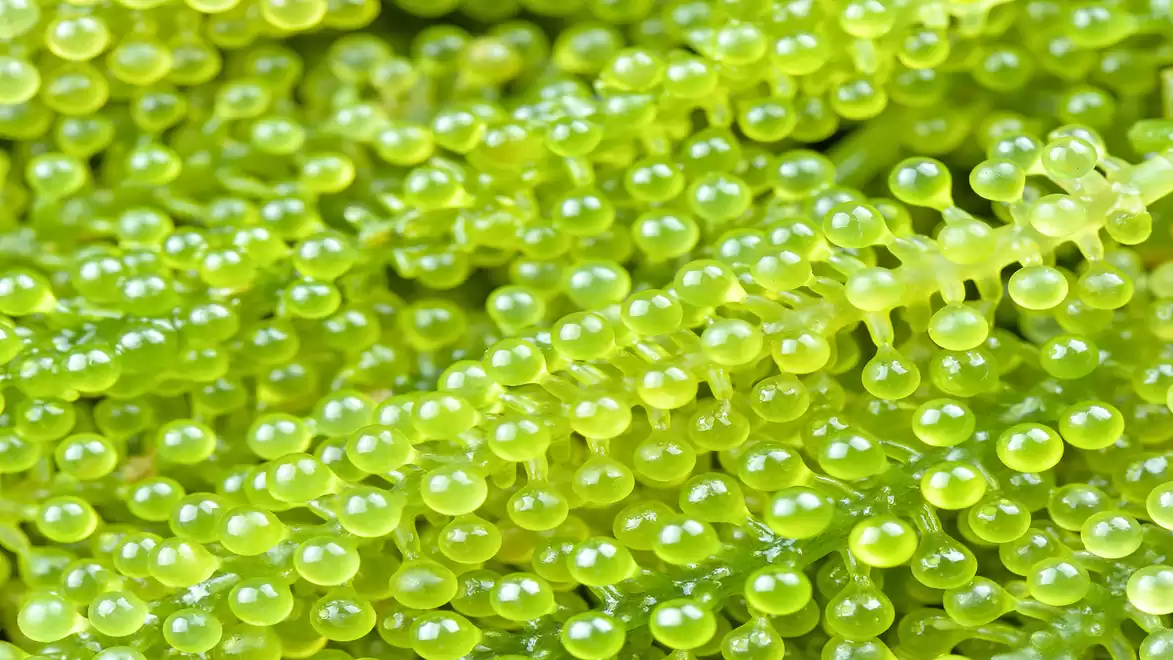
Sea Oats (Uniola paniculata) are a perennial grass species found along the Atlantic and Gulf of Mexico coasts. With their slender, silky stems and a height of up to 6 feet (1.8 meters), they are the most widespread dune plants in Florida. Their deep root systems play a crucial role in stabilizing sand dunes and protecting beaches from erosion caused by wind and water. (Florida Wildflower Foundation)
Sea Oats thrive in sandy, dry soils and prefer full sunlight. The plant features long, narrow leaves and produces golden-brown seed heads in the summer, which are dispersed by the wind, contributing to the natural spread of the species. (USDA Plant Guide)
Beyond their role in dune stabilization, Sea Oats are essential to the coastal ecosystem:
Due to their crucial role in protecting beaches, Sea Oats are legally protected in Florida. Harvesting or removing them without official permission is prohibited, as it can contribute to increased coastal erosion. (Sunshine Online)
Sea Oats may seem unremarkable, but they are essential in preserving Florida’s beaches. Their deep root systems and erosion-controlling properties make them a key component in the state’s coastal protection.
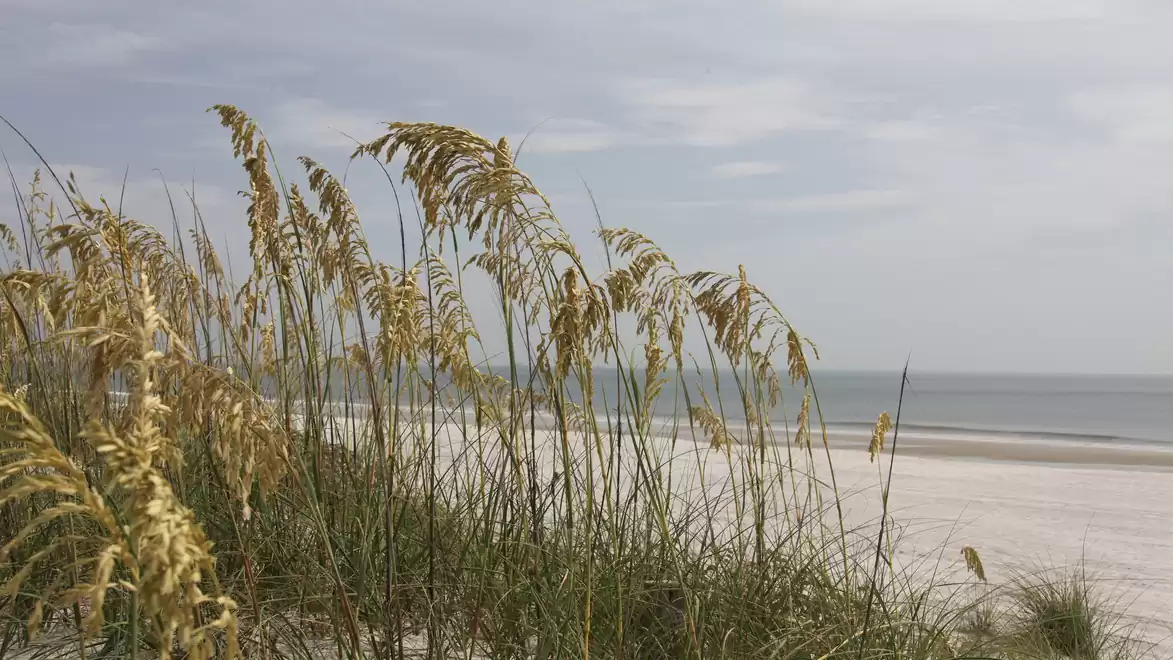
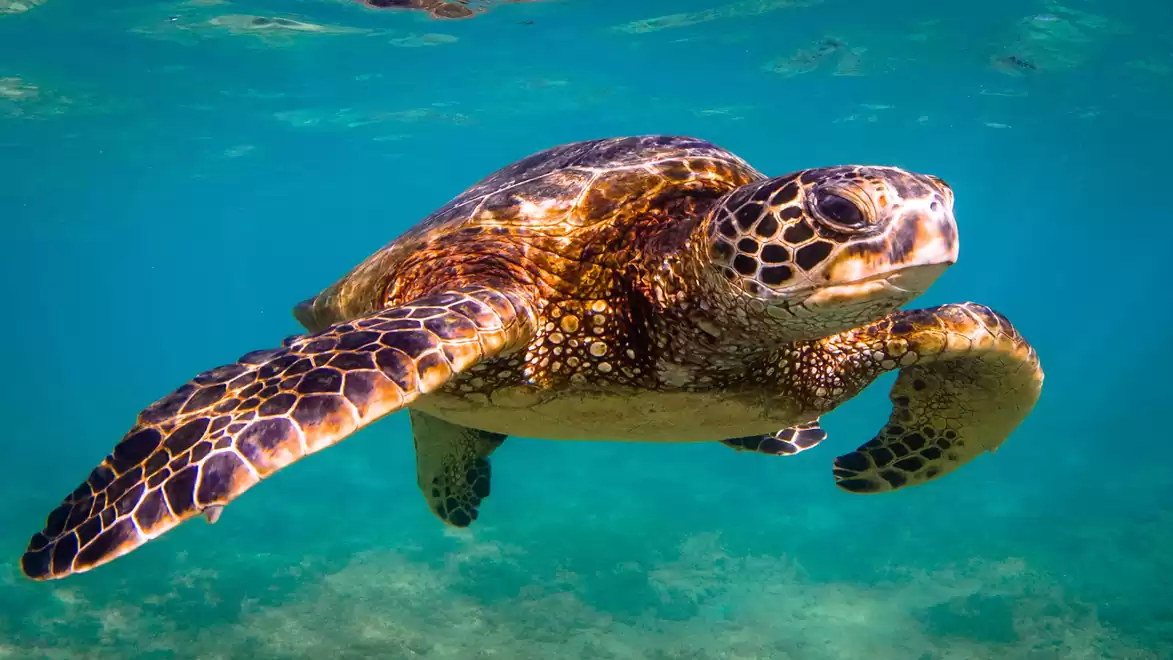
Sea turtles are fascinating creatures that have inhabited the oceans for millions of years. In Florida, species such as the Loggerhead Turtle (*Caretta caretta*), the Green Sea Turtle (*Chelonia mydas*), and the Leatherback Turtle (*Dermochelys coriacea*) are commonly found. These species return annually to Florida's beaches to lay their eggs. (Visit Space Coast)
Florida's beaches, particularly the region between Titusville and Sebastian Inlet, are significant nesting sites for sea turtles. The Archie Carr National Wildlife Refuge, extending from Melbourne Beach to Wabasso, hosts the largest population of nesting sea turtles in the Western Hemisphere. Annually, between 15,000 and 20,000 nests are recorded here, equating to approximately 1.5 to 2 million hatchlings. (Visit Space Coast)
Despite their long existence, sea turtles today face numerous threats, including habitat loss, pollution, and bycatch in fisheries. To protect their populations, various conservation measures have been implemented in Florida. These include monitoring nesting beaches, protection programs, and public education about the importance of preserving these fascinating animals. (U.S. Fish & Wildlife Service)
Visitors and residents can contribute to sea turtle conservation by minimizing beach lighting during nesting season, avoiding disturbance of nests, and properly disposing of trash. Through such simple actions, everyone can play a part in preserving these ancient marine inhabitants. (Visit Space Coast)
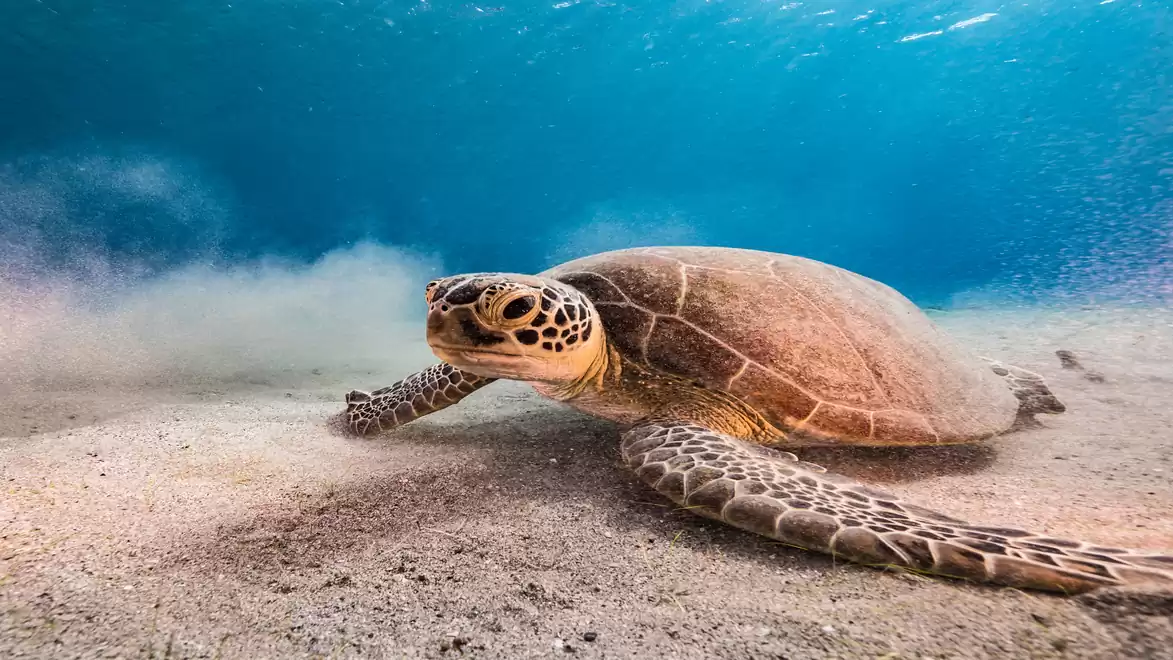
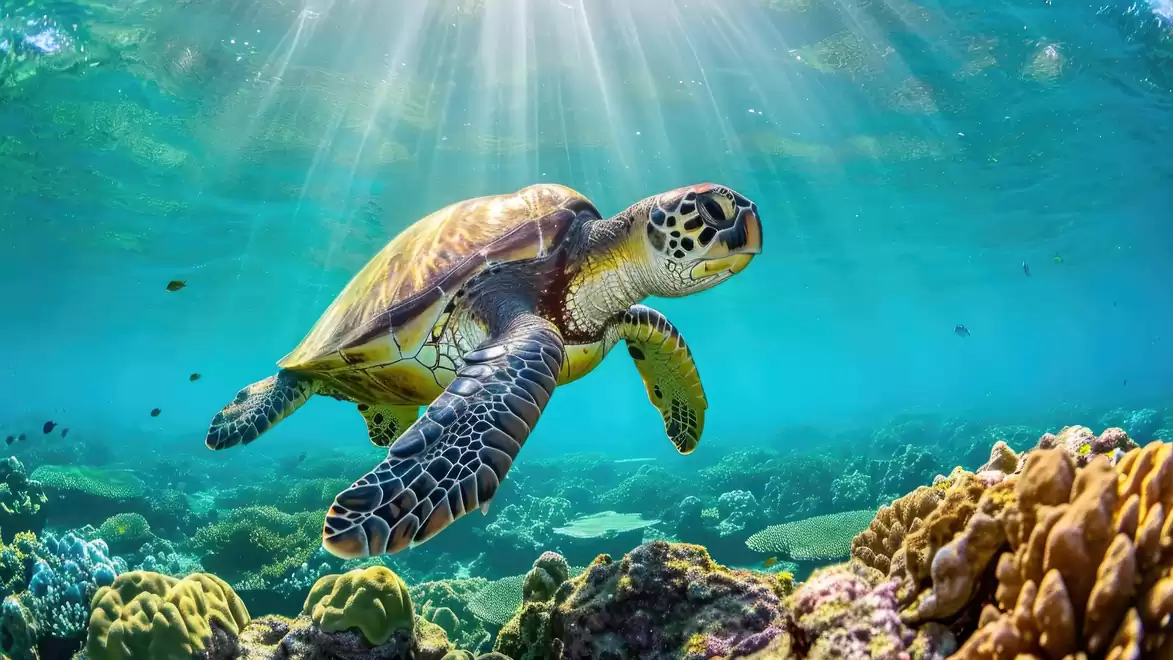
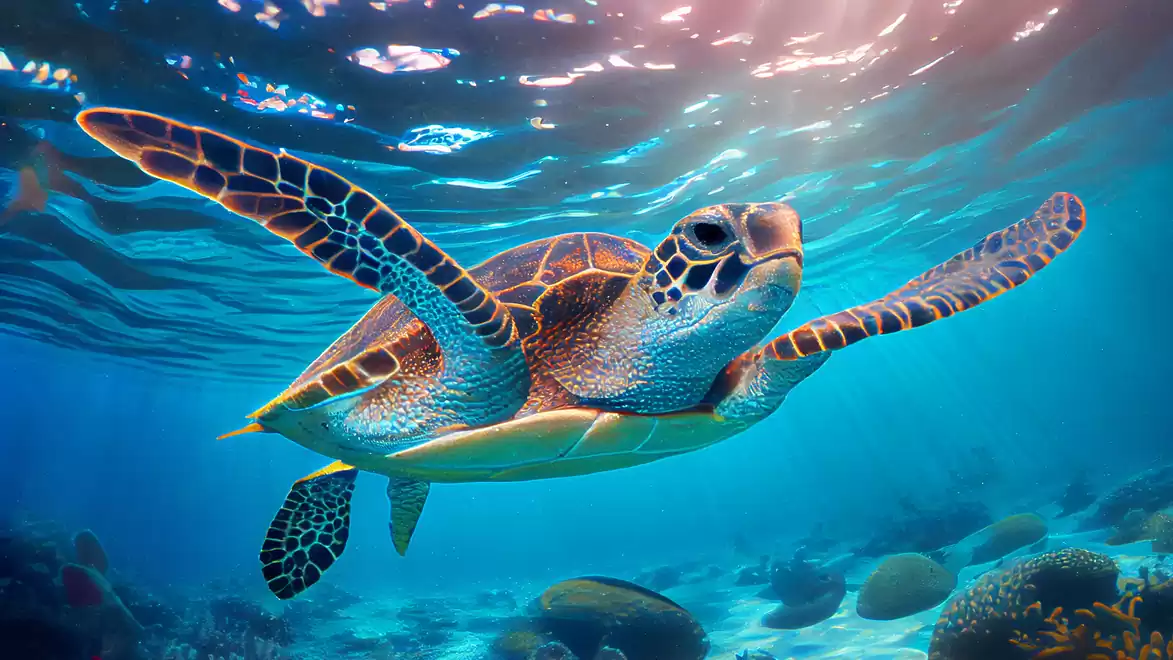
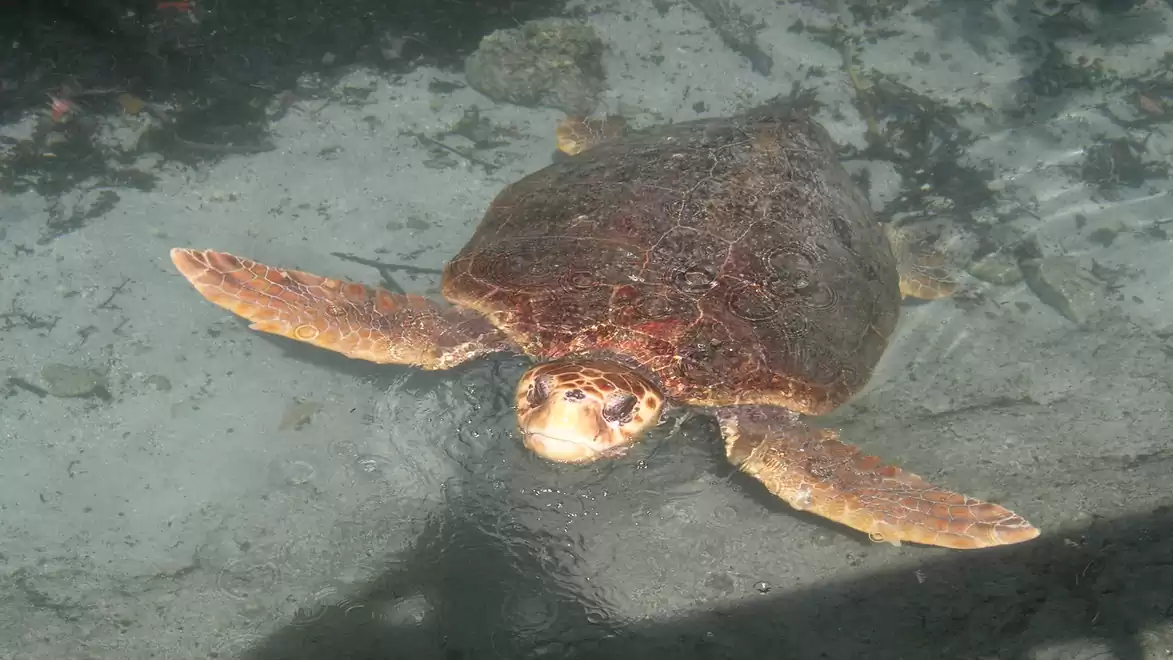
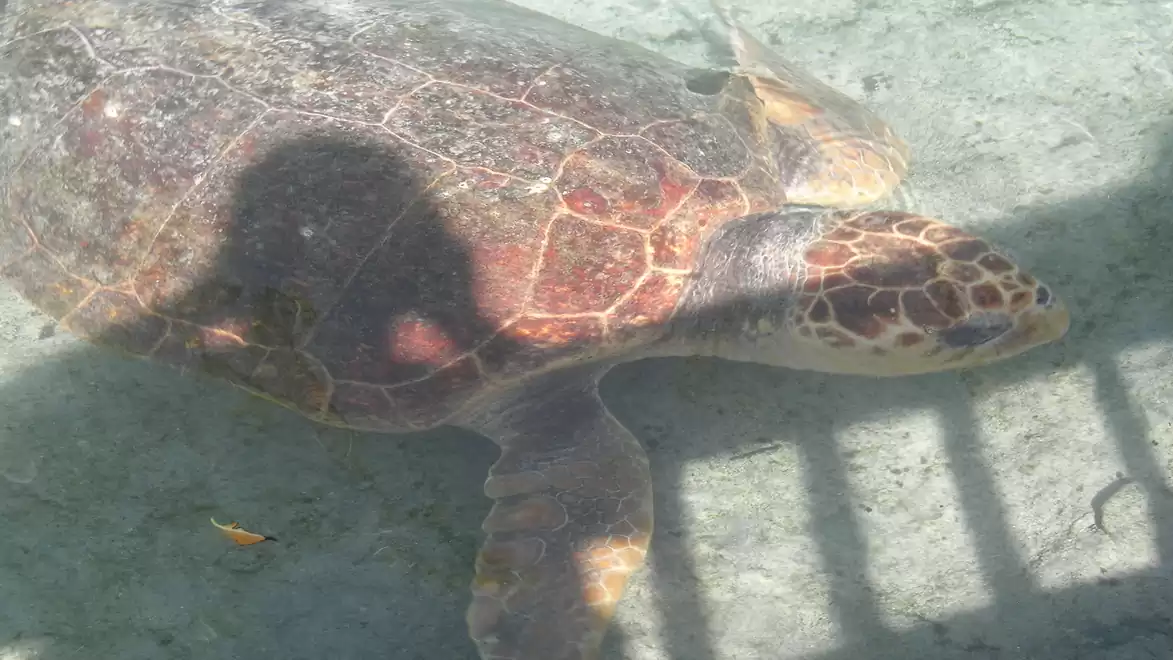
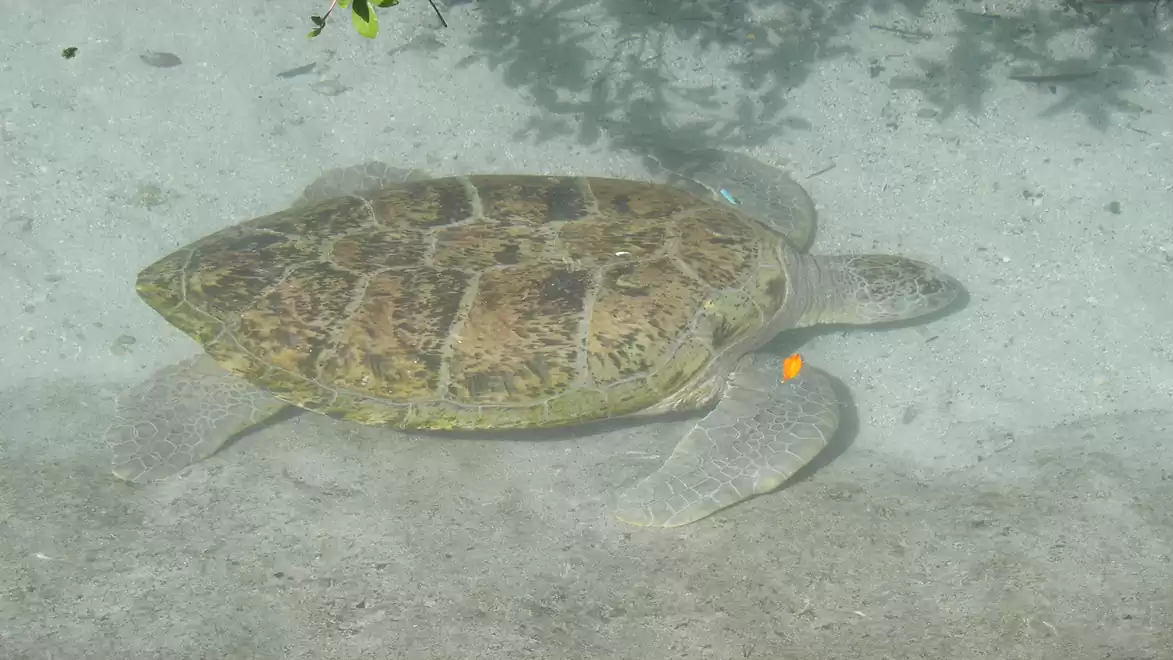
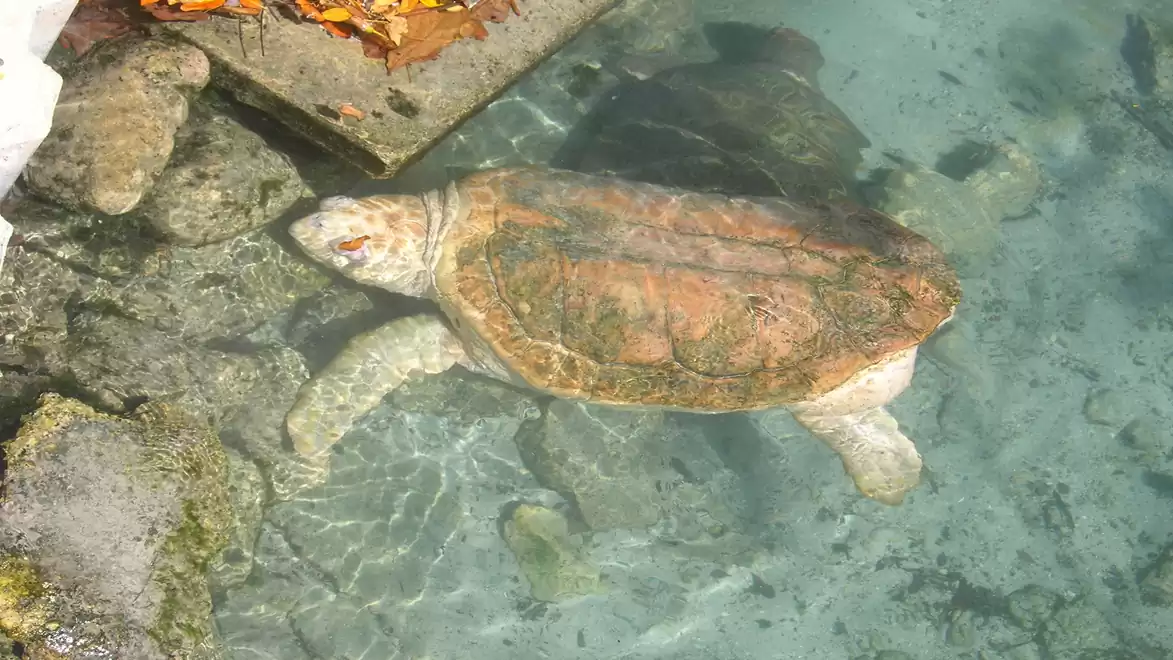
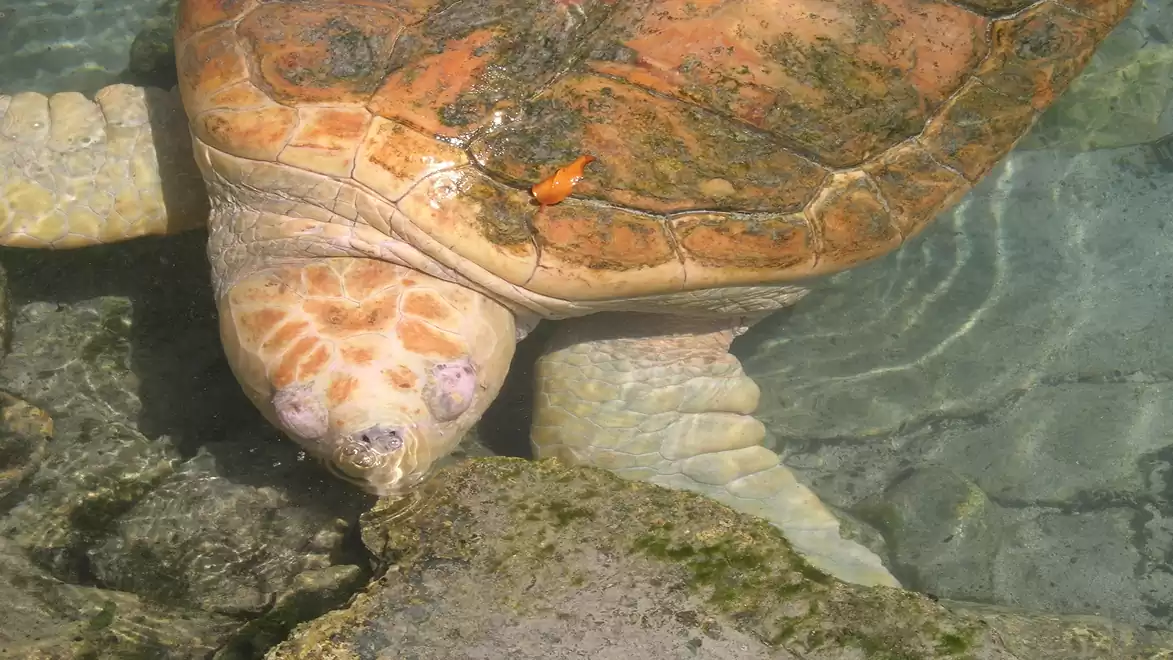
The Seminoles are an indigenous people whose roots trace back to the 18th century. Their ancestors include various indigenous groups, notably the Muskogee (Creek) from Georgia and Alabama, who migrated to Florida. The name "Seminole" likely derives from the Spanish word "cimarrón," meaning "wild" or "runaway," reflecting their resistance to subjugation. (Florida State University)
In the 19th century, the United States fought three Seminole Wars to remove the Seminoles from Florida. Despite heavy losses, a small group managed to retreat into the remote areas of the Everglades, avoiding forced relocation. This group forms the ancestors of today’s Seminoles in Florida. (Museum of Florida History)
Today, over 2,000 Seminoles live on six different reservations in Florida:
The Seminoles have preserved their cultural heritage and actively promote it through various initiatives. Economically, they are independent through their casino industry, agriculture, and tourism. (Seminole Tribe of Florida)
The Seminole Tribe is a crucial part of Florida’s history. Despite many challenges, they have maintained their identity and autonomy and established a strong economic and cultural presence in the state.
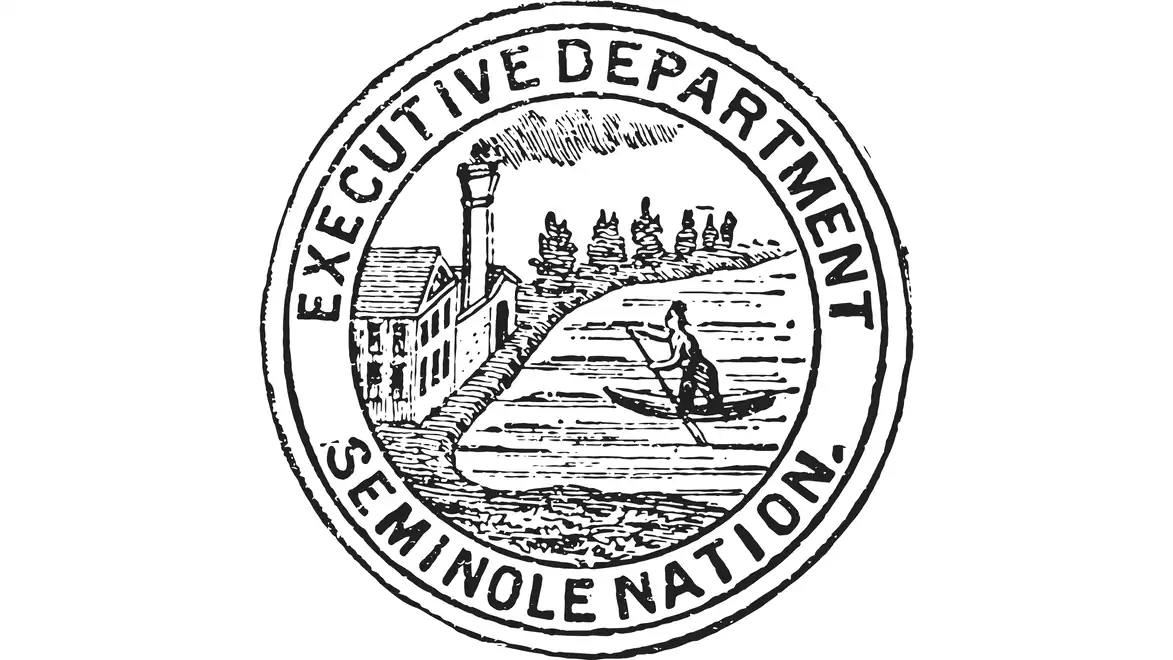
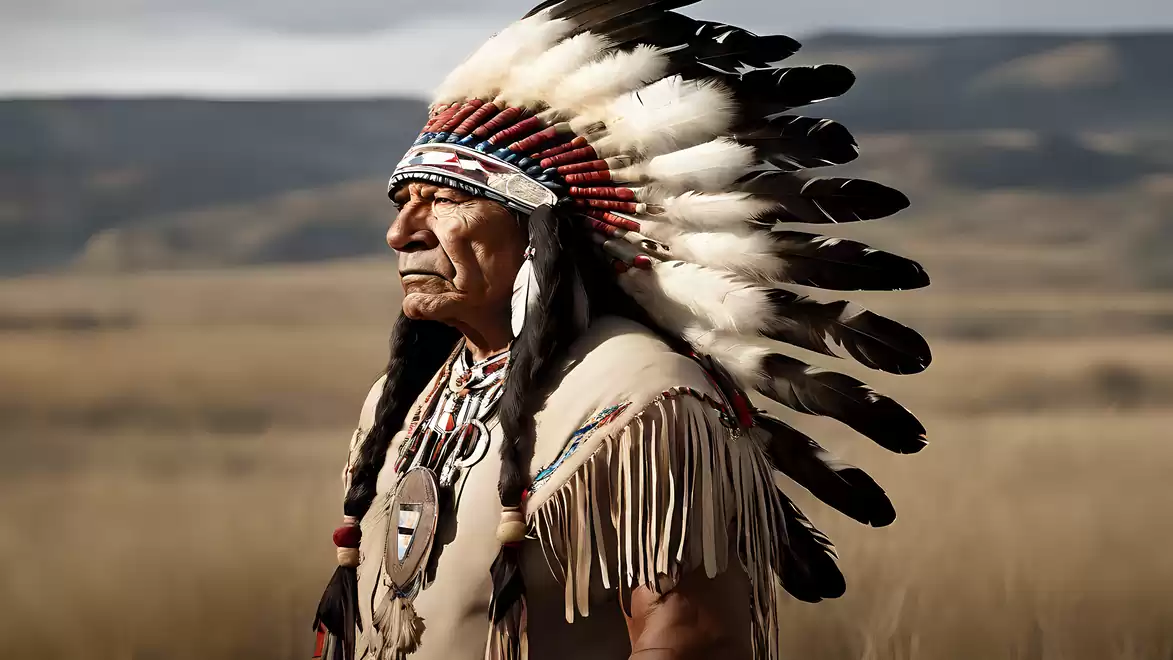

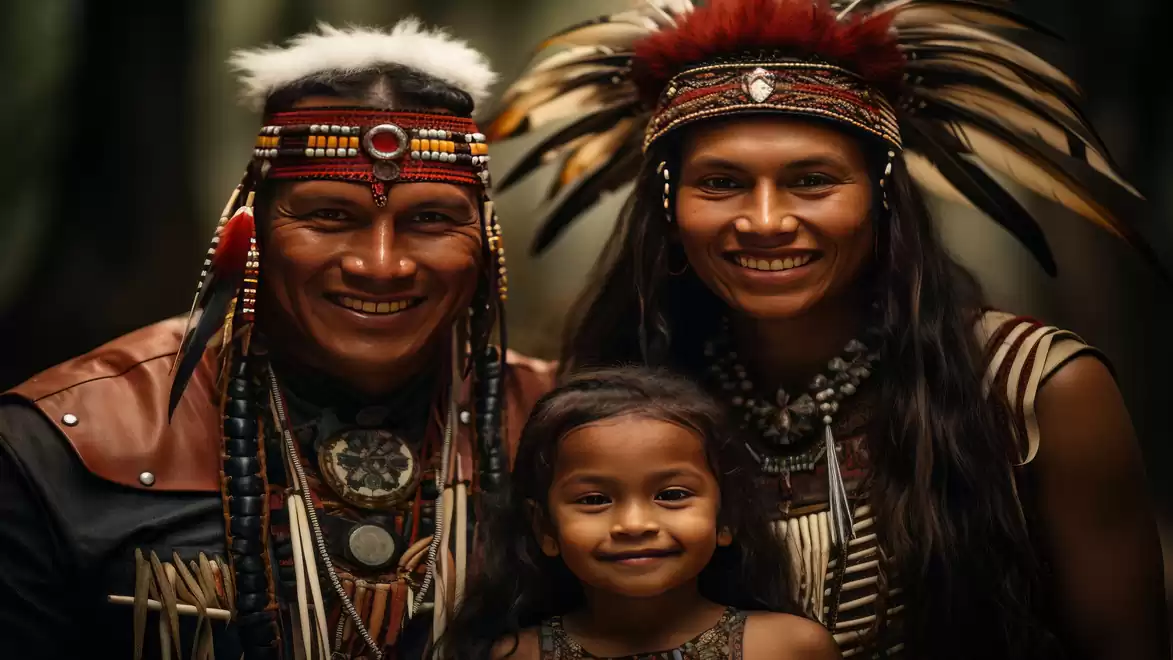
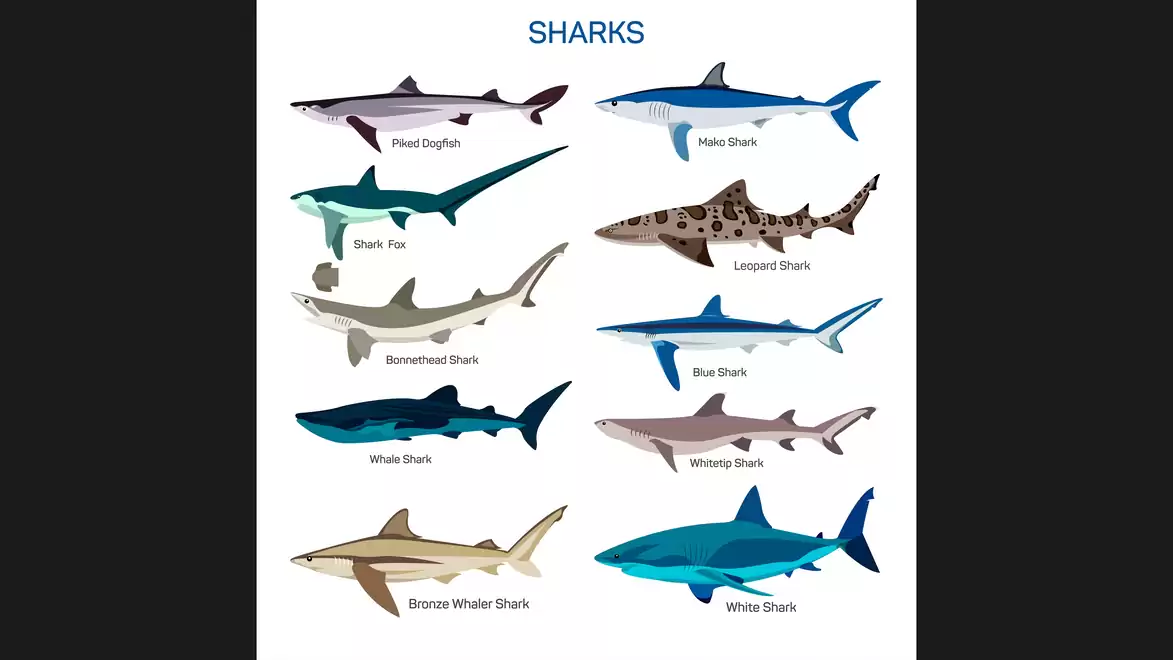
Florida's coastal waters are home to a variety of shark species, playing a crucial role in maintaining marine biodiversity. Some of the most commonly spotted species include:
Despite their reputation, shark attacks on humans are rare. According to the International Shark Attack File (ISAF), 2023 saw 14 unprovoked shark attacks in Florida, the lowest number in years. Volusia County, home to Daytona Beach, reported the highest number of incidents. Fortunately, none of these attacks were fatal. (Florida Museum of Natural History)
To minimize the chances of encountering a shark while swimming or surfing, follow these safety guidelines:
( Florida Fish and Wildlife Conservation Commission )
While sharks are often feared, they are essential to the ocean’s ecosystem. Understanding their behavior and following safety precautions ensures that beachgoers can coexist with these fascinating marine creatures while enjoying Florida’s waters.
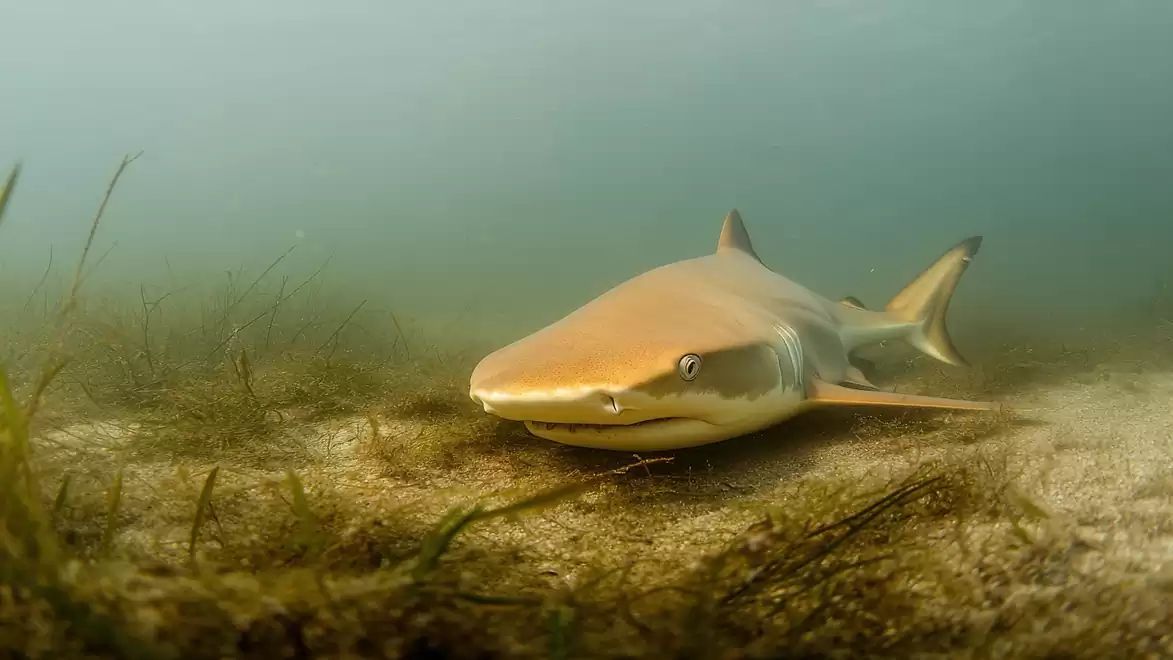
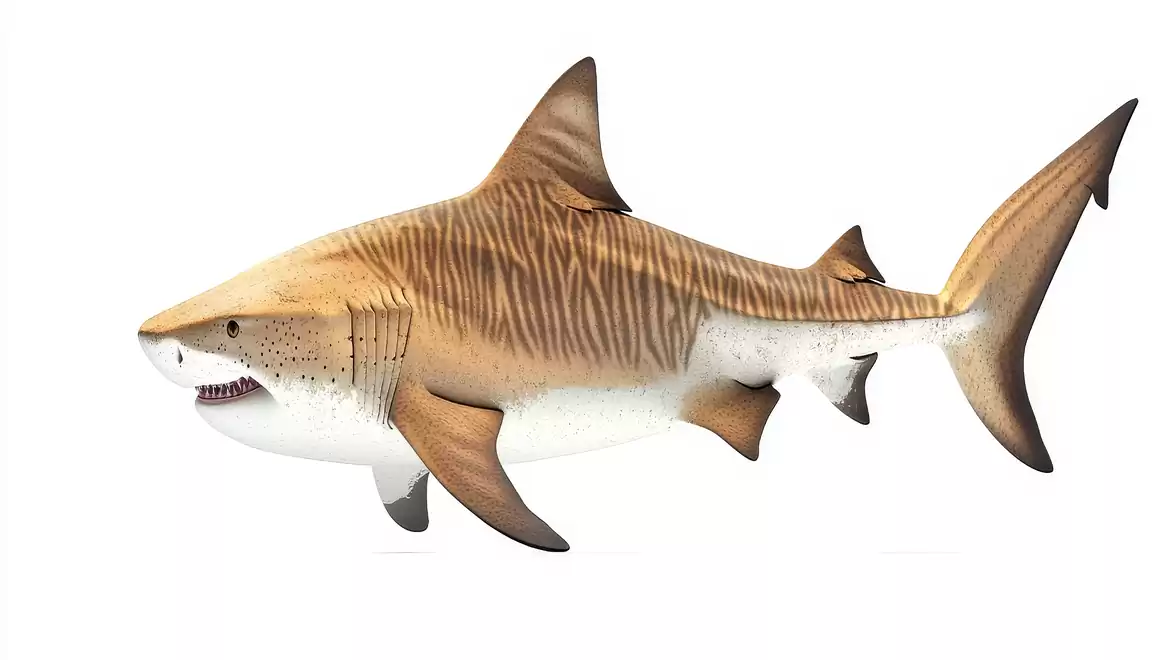
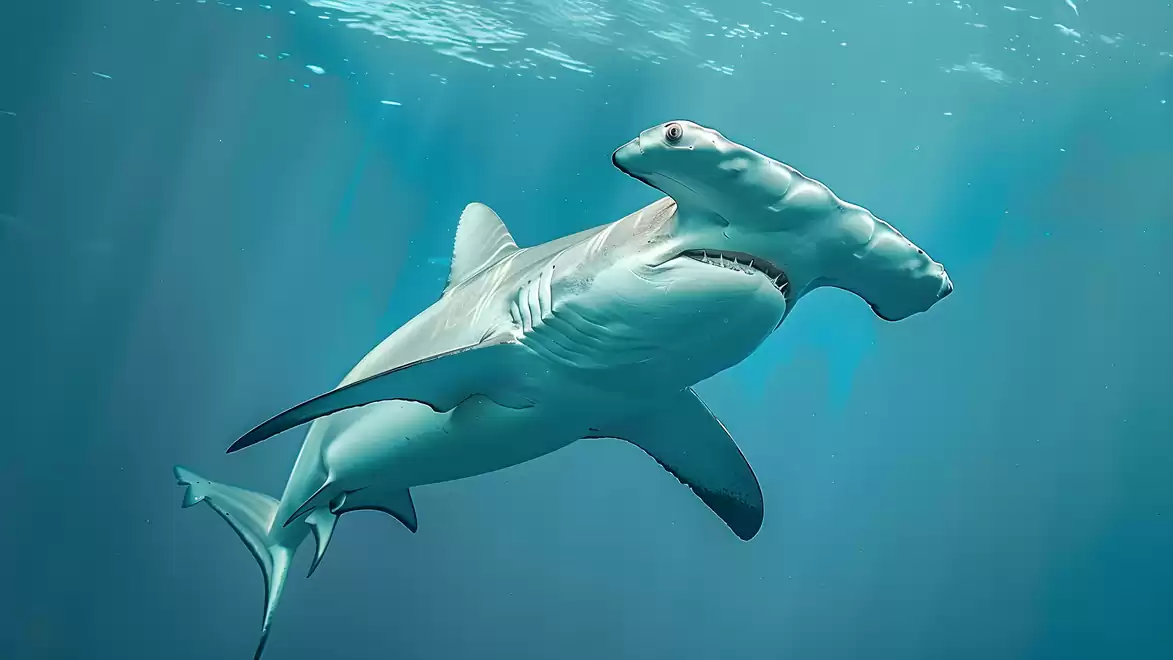
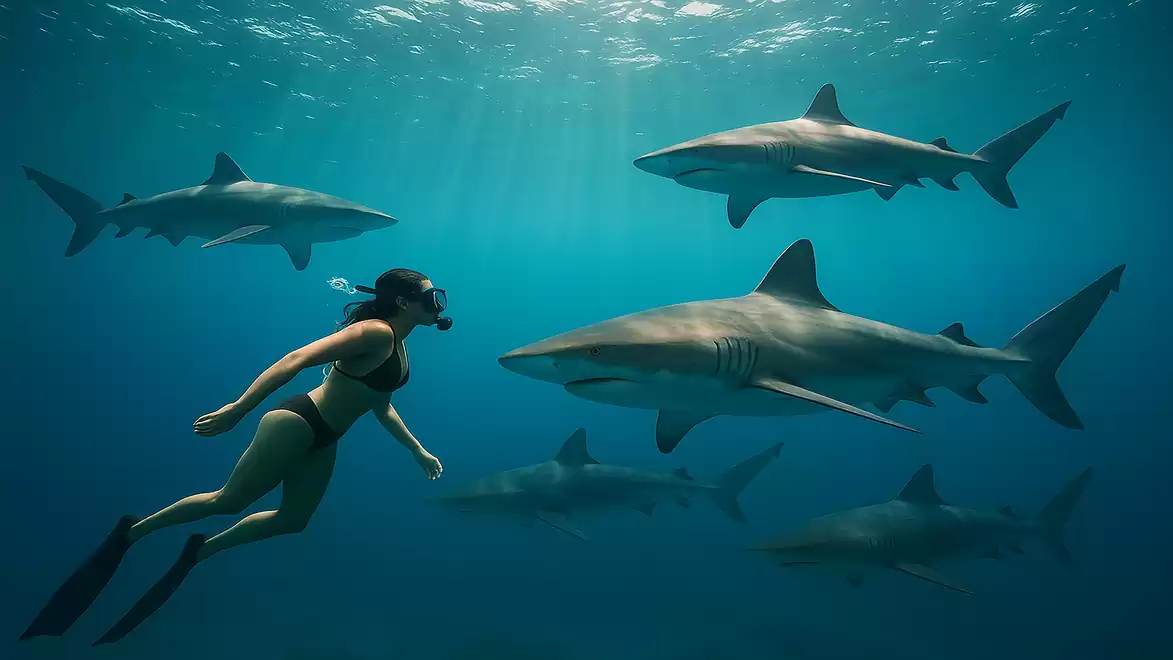
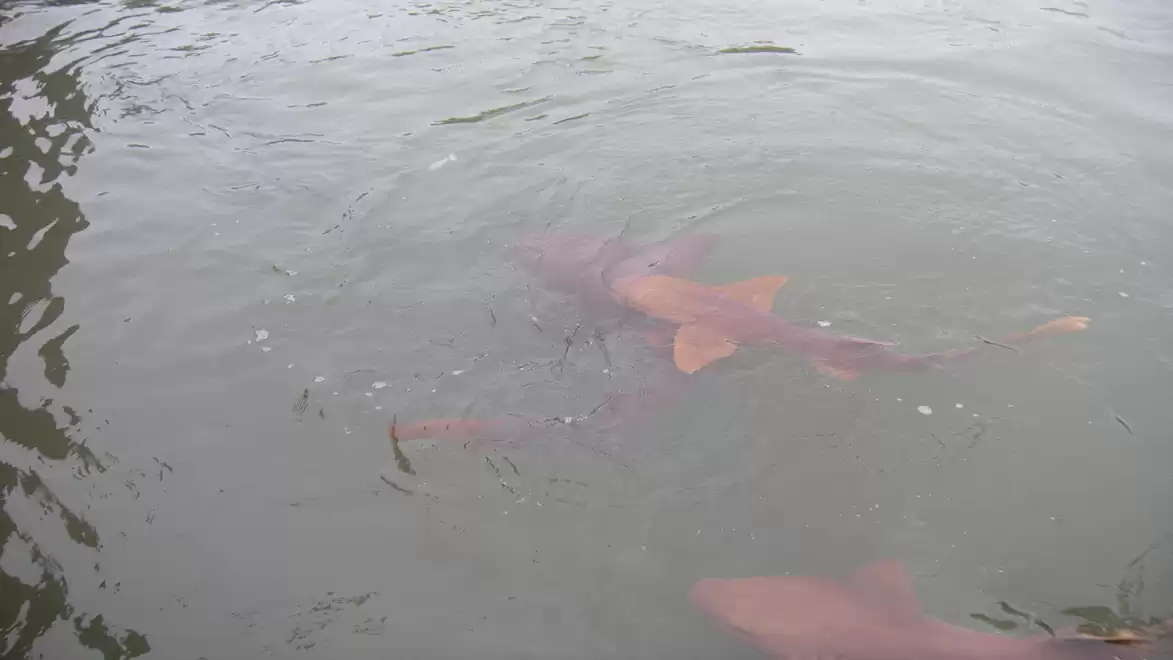
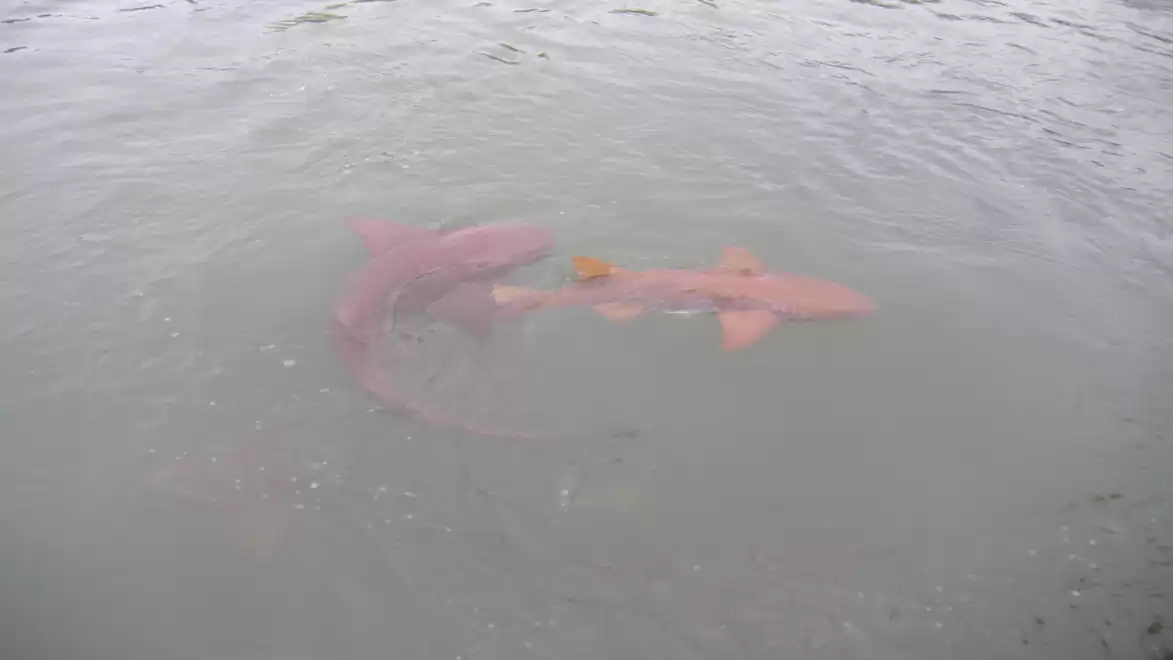
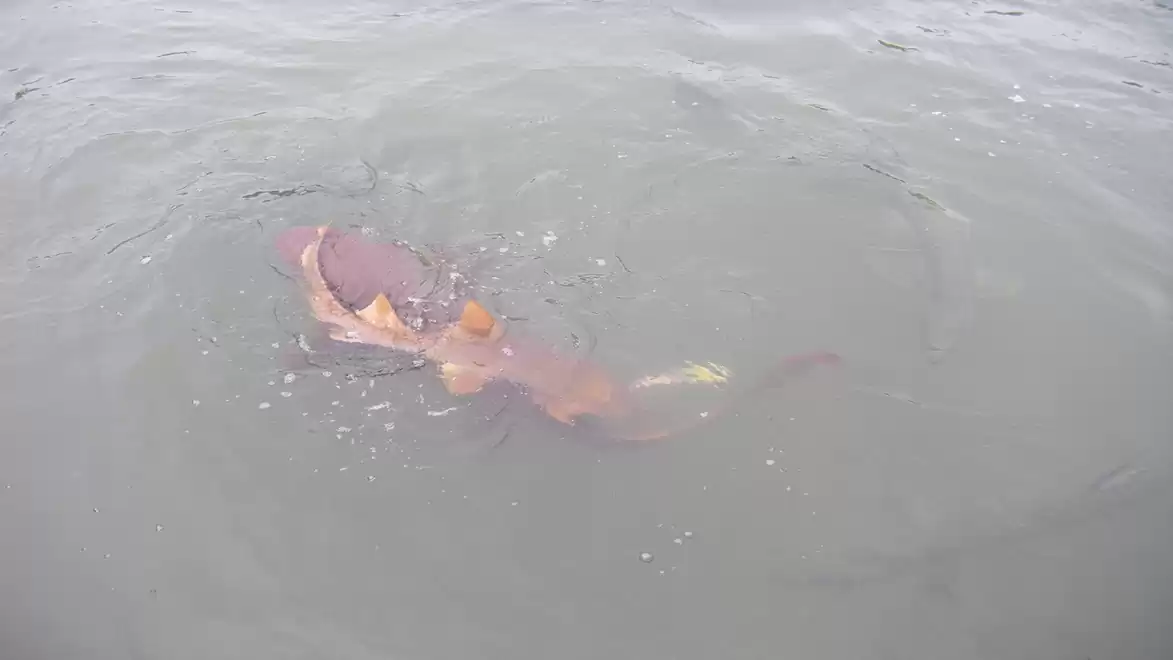
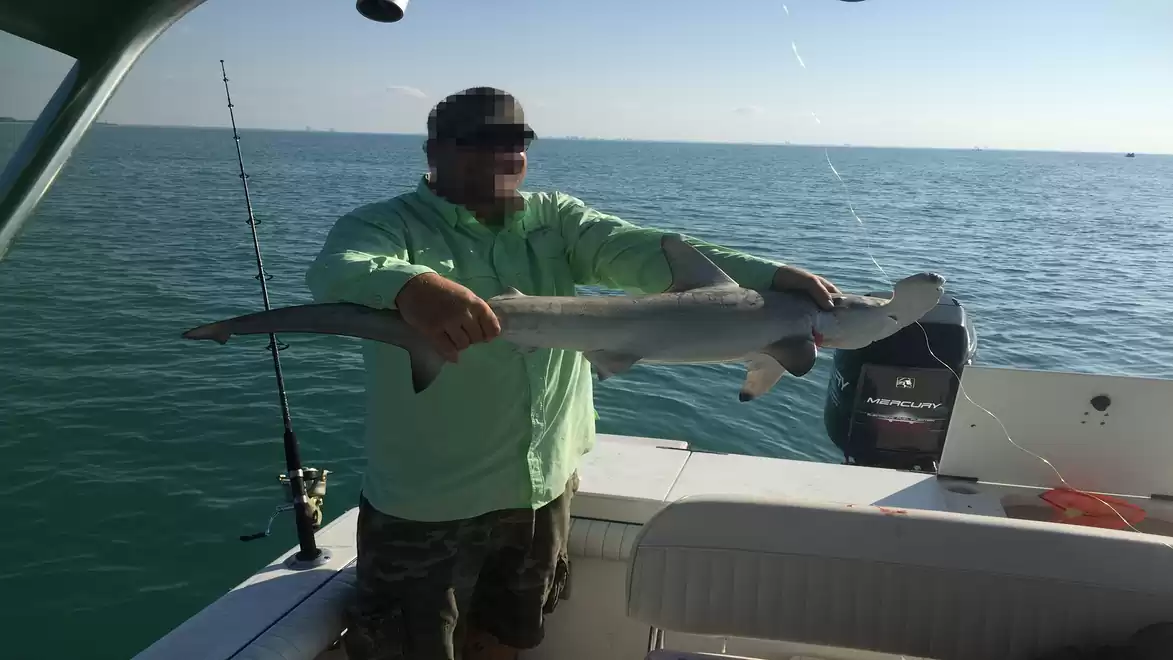
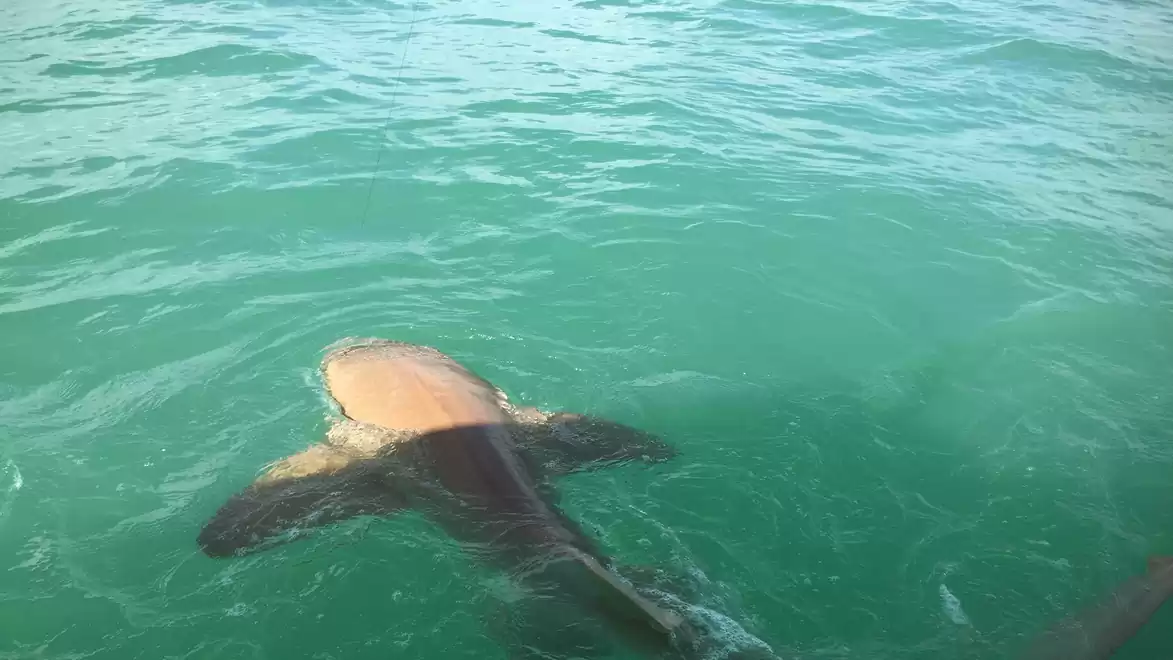
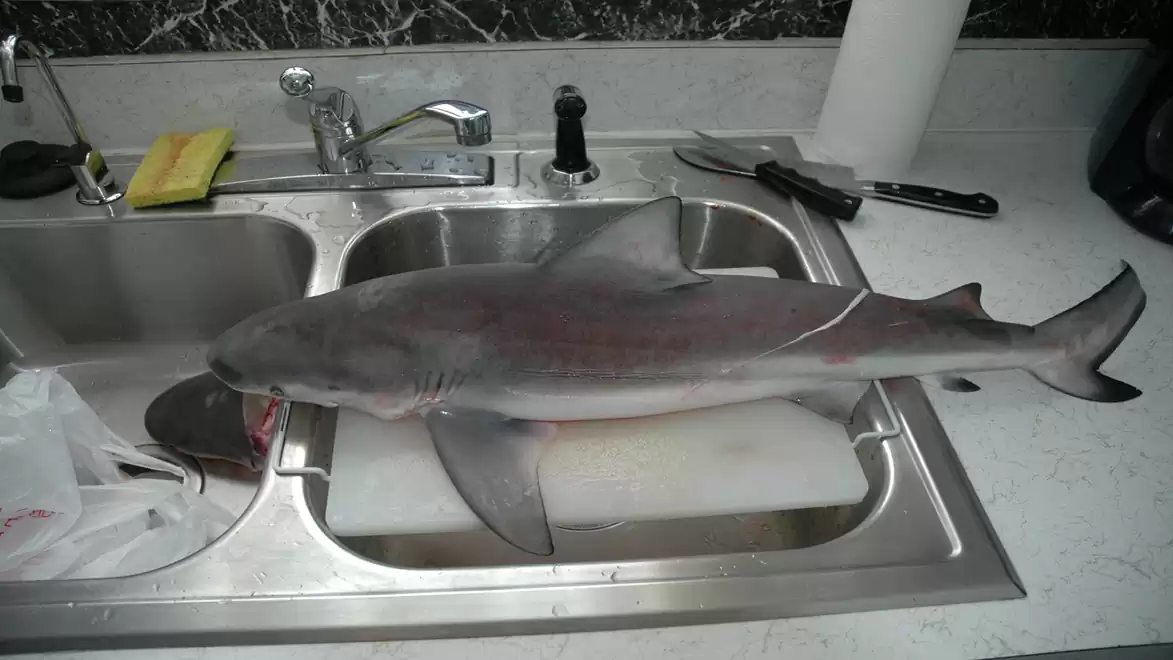
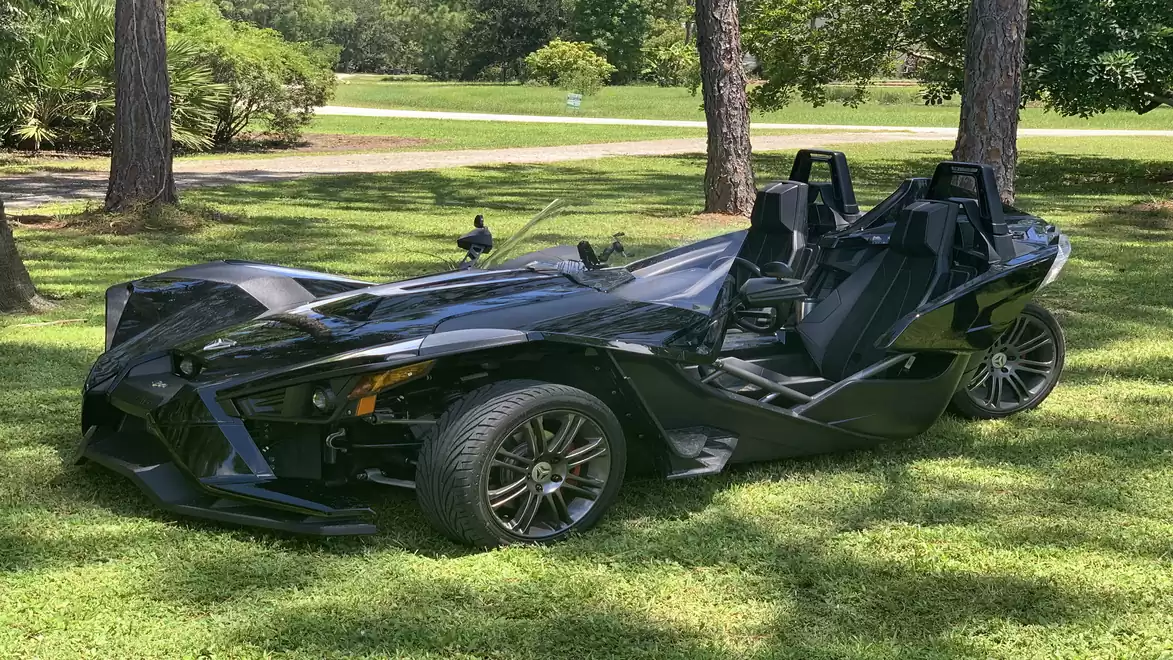
The Slingshot is a unique recreational vehicle often seen on the roads of Florida. It is a three-wheeled vehicle with two wheels in the front and one in the rear, resembling a mix between a motorcycle and a sports car.
The Slingshot has an open design with side-by-side seating for two people. It typically has no roof or doors, offering a thrilling driving experience – perfect for cruising along Florida's scenic routes.
In Florida, you generally do not need a motorcycle license to drive a Slingshot. A regular driver's license is sufficient. Many rental companies in popular tourist destinations like Miami, Orlando, or Fort Myers offer Slingshot rentals – by the hour or for the entire day.
For more details and rental options, visit: Slingshot rental in Florida
The combination of excitement, distinctive styling, and open-air driving makes the Slingshot a favorite among vacationers. It's a memorable experience – especially during sunset rides along the beach or through the Everglades.
















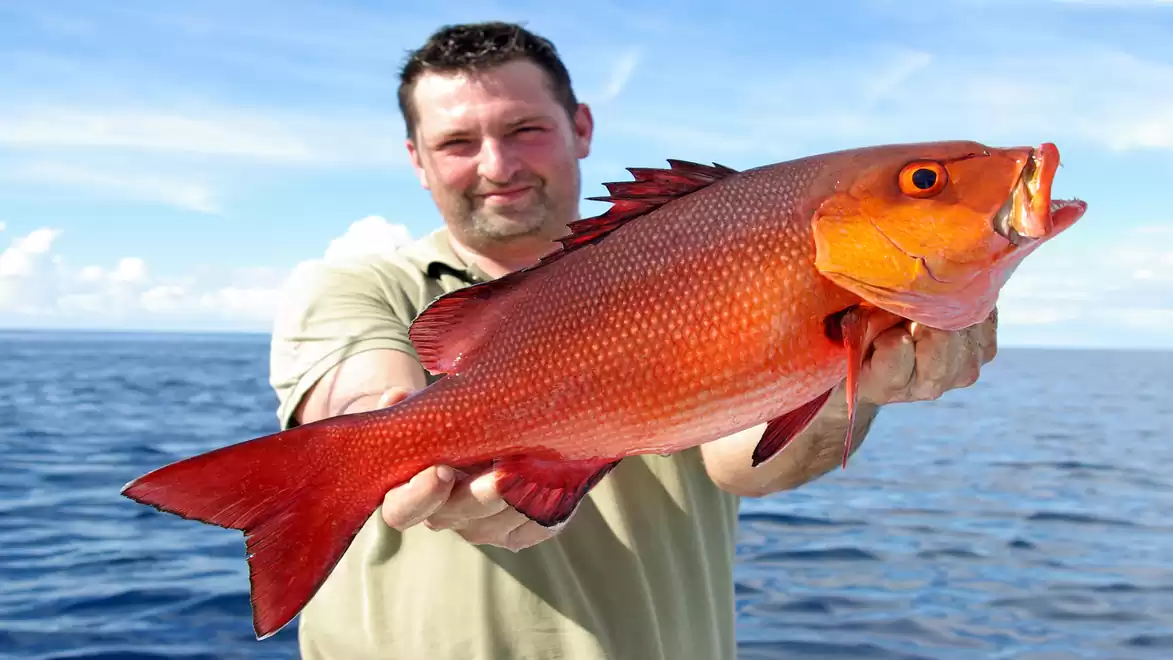
The Red Snapper, known for its firm texture and sweet, nutty flavor, is a popular fish found in tropical and subtropical coastal waters. Its mild taste makes it a favorite among seafood enthusiasts. (The Spruce Eats)
Due to its firm flesh, red snapper is suitable for various cooking techniques:
Red snapper's firm, sweet flesh and versatility in the kitchen make it a seafood favorite. Whether pan-seared, stuffed, crusted, grilled, or baked, this fish consistently offers a delightful culinary experience.
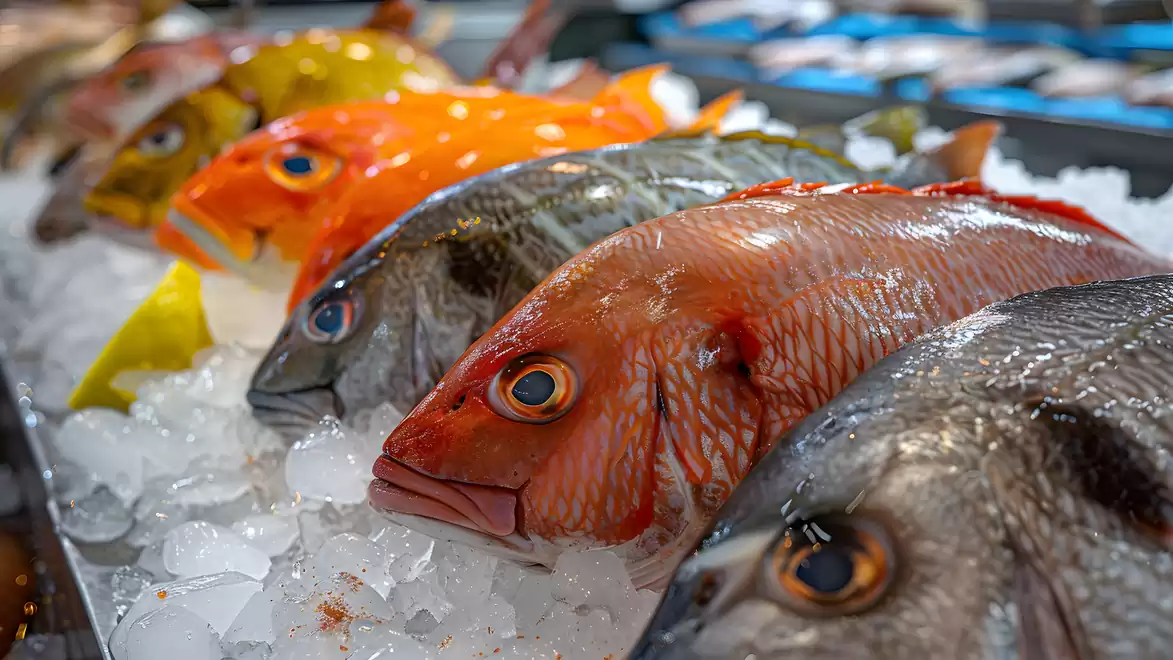
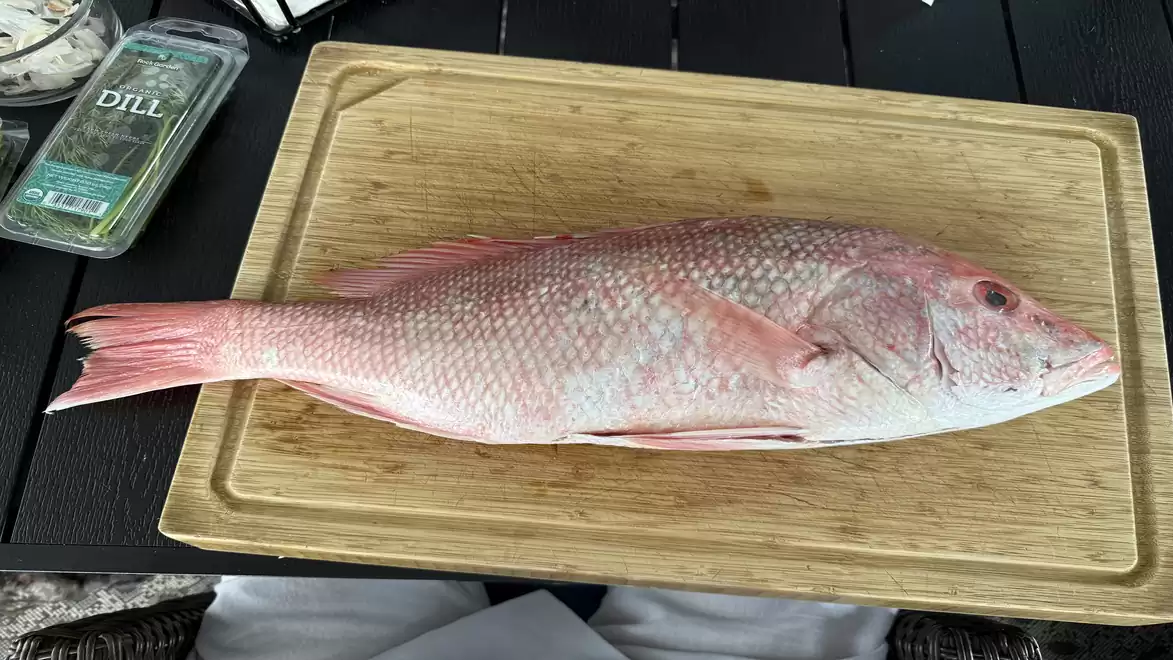
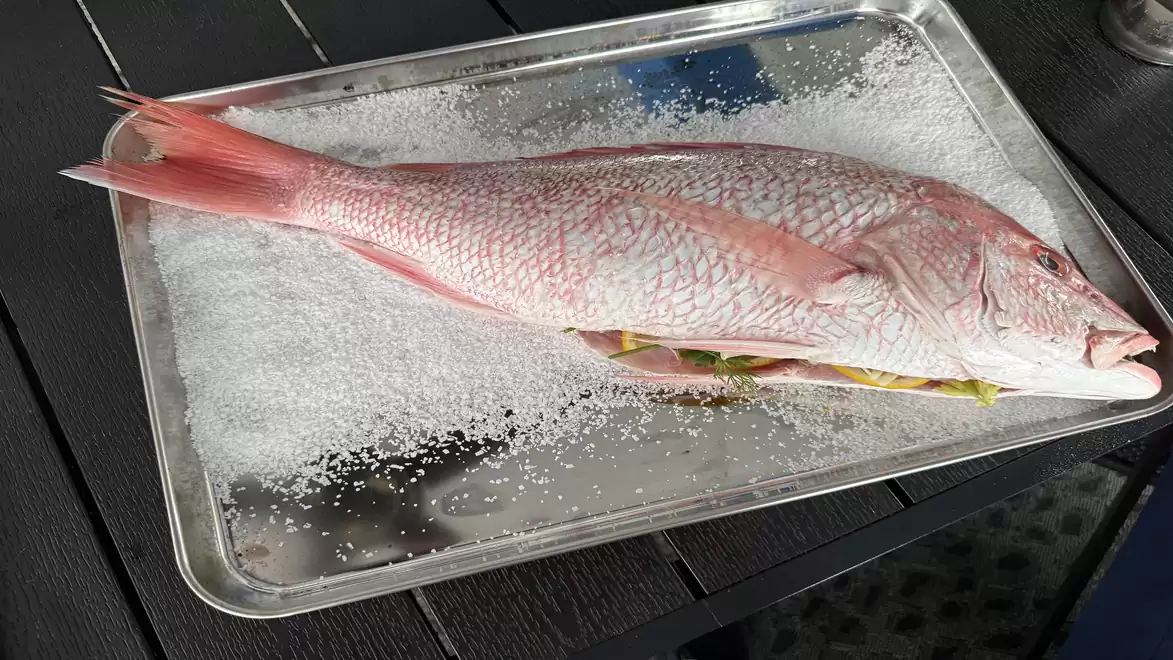
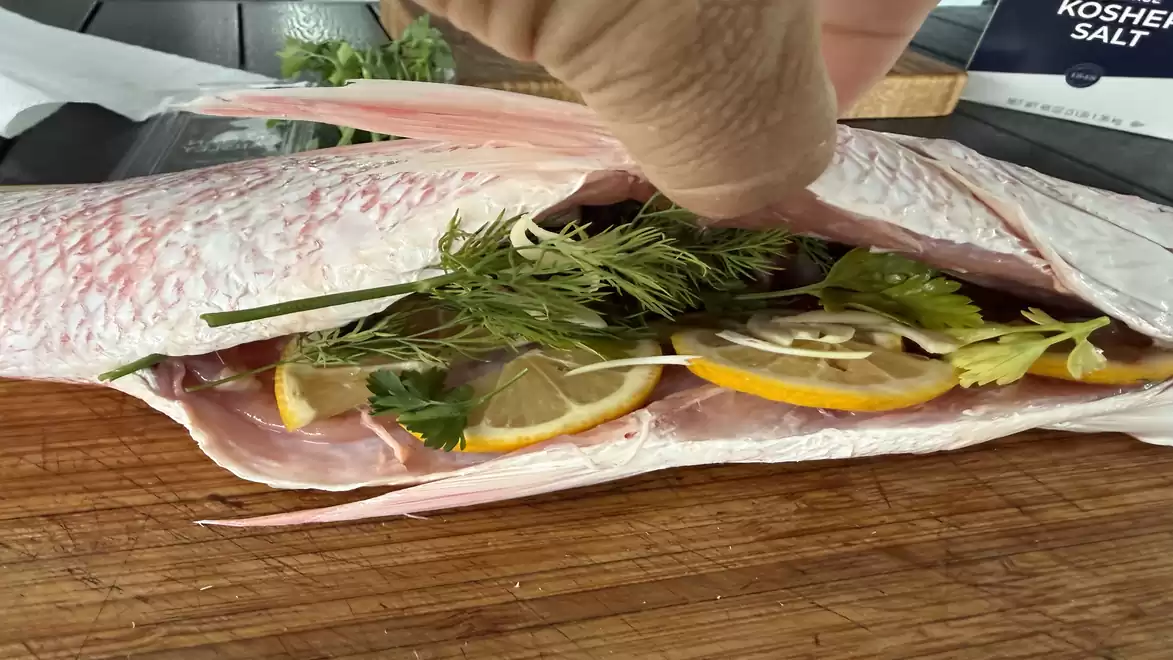

The term Snowbird refers to North Americans, mostly retirees, who leave the cold winter behind and travel south to the sunny regions – particularly Florida. These seasonal migrants often spend several months in warmer areas before returning home in the spring.
Typical Snowbirds come from Canada or the northern U.S. states and travel south in different ways:
Florida offers the perfect conditions for Snowbirds:
For many, the Snowbird lifestyle is not just about avoiding winter but a way of life. It represents freedom, sunshine, and an active retirement. Many Snowbirds build long-term friendships and return to the same destination year after year.
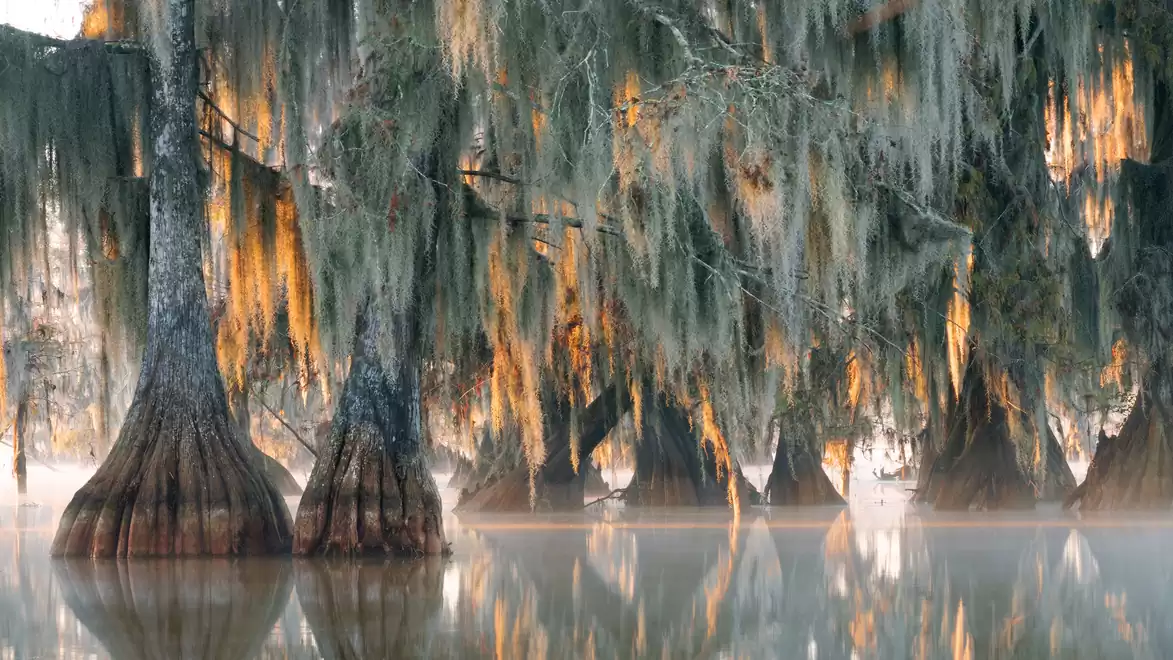
The Spanish Moss (Tillandsia usneoides) is an epiphytic plant commonly found growing upon large trees in tropical and subtropical climates. It is native to much of Mexico, Bermuda, the Bahamas, Central America, South America (as far south as northern Patagonia), the Southern United States, and the West Indies. (Wikipedia)
This plant lacks a conventional stem or roots. Instead, it consists of long, thin, gray-green strands that hang from tree branches, reaching lengths of up to 6 meters. The leaves are slender, curved or curled, and about 2–6 cm long. (Wikipedia)
The Spanish Moss thrives in humid environments and typically grows on trees such as the Virginia live oak (Quercus virginiana) and bald cypress (Taxodium distichum) in the lowlands, swamps, and marshes of the southeastern USA, from the coast of southeastern Virginia to Florida and westward to Texas. (Wikipedia)
As an epiphyte, the Spanish Moss does not extract nutrients from its host trees but obtains water and nutrients from the air and rainfall. It provides habitat for various animals, including insects, birds, and small mammals, offering shelter and nesting sites within its dense strands. (Wikipedia)
Historically, the Spanish Moss has been used for various purposes, including as stuffing material for furniture, insulation, and mulch. In modern floristry, it is often used as a decorative element in floral arrangements. (Wikipedia)
The Spanish Moss is not only a characteristic feature of Southern landscapes but also plays a vital role in the ecosystem as a habitat for numerous species and as an indicator of healthy, unpolluted environments.
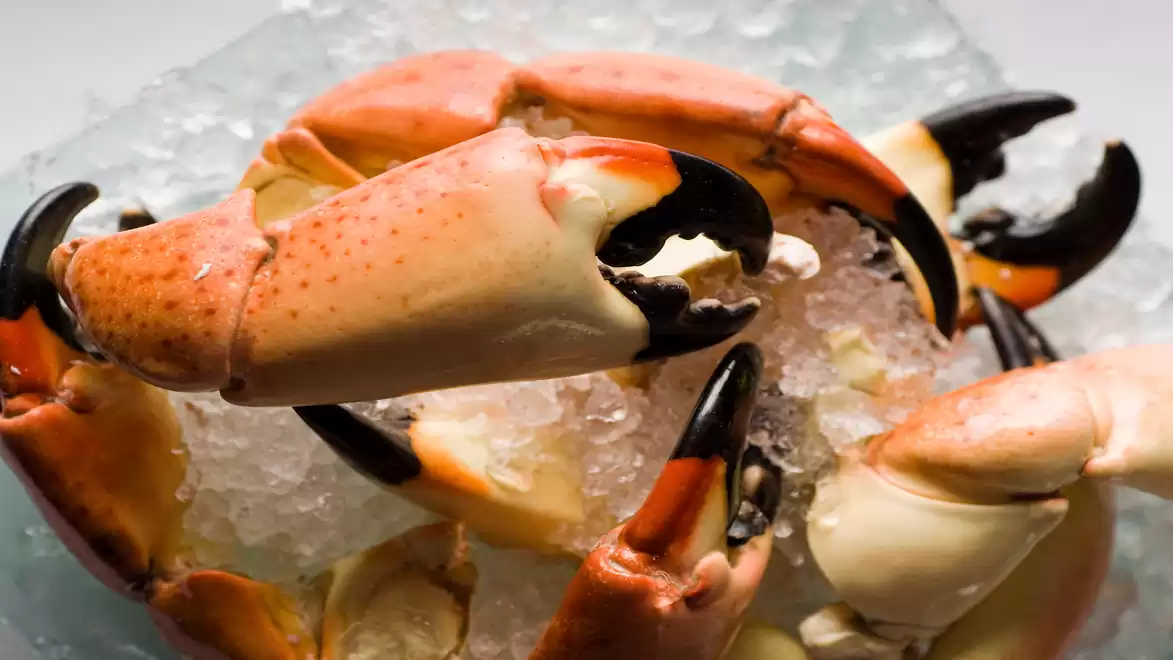
Stone crab claws are a prized delicacy in Florida, renowned for their tender and slightly sweet meat. The stone crab season runs from October 15 to May 1, allowing the crabs time to regenerate their claws.
A notable aspect of the stone crab fishery in Florida is its sustainability. One claw is harvested from each crab before it is returned to the sea. This practice ensures the crabs survive and can regenerate their claws, contributing to population conservation. It takes up to three years for the claws to regrow to 95 percent of their original size.
Stone crab claws are often served chilled with spicy mustard sauce or melted butter. They pair excellently with dry white wine, Prosecco, or a fresh beer. This delicacy is available in many restaurants along Florida's Gulf Coast during the season.
Stone crab claws offer not only a culinary delight but also represent a sustainable fishing practice that considers both human enjoyment and the protection of crab populations.
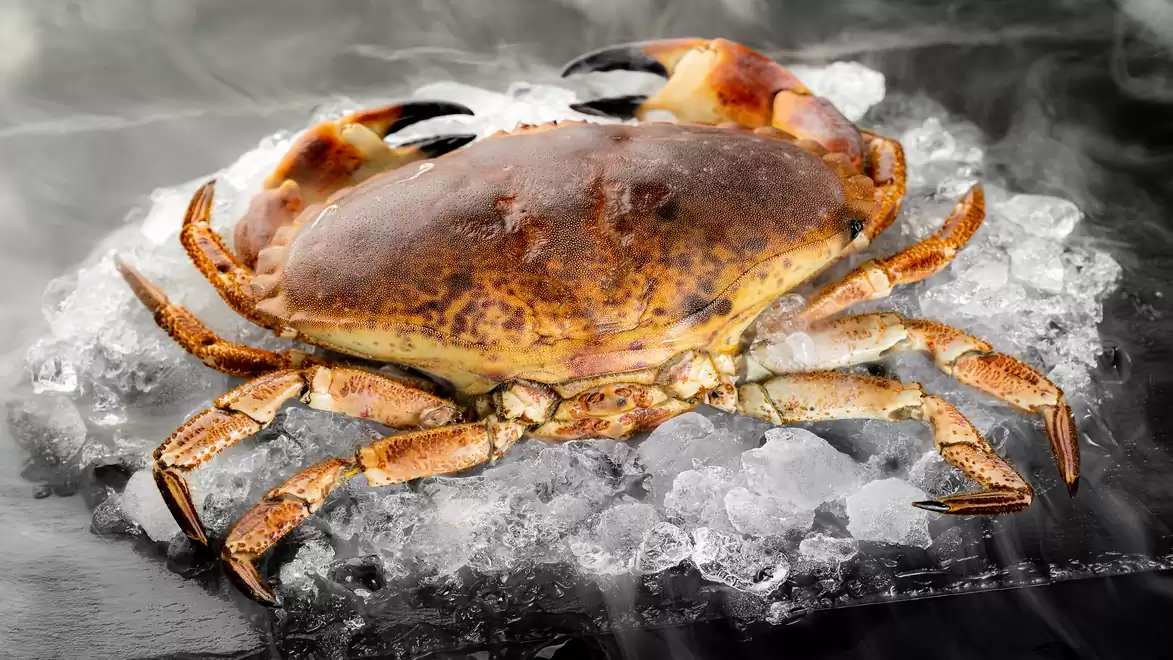
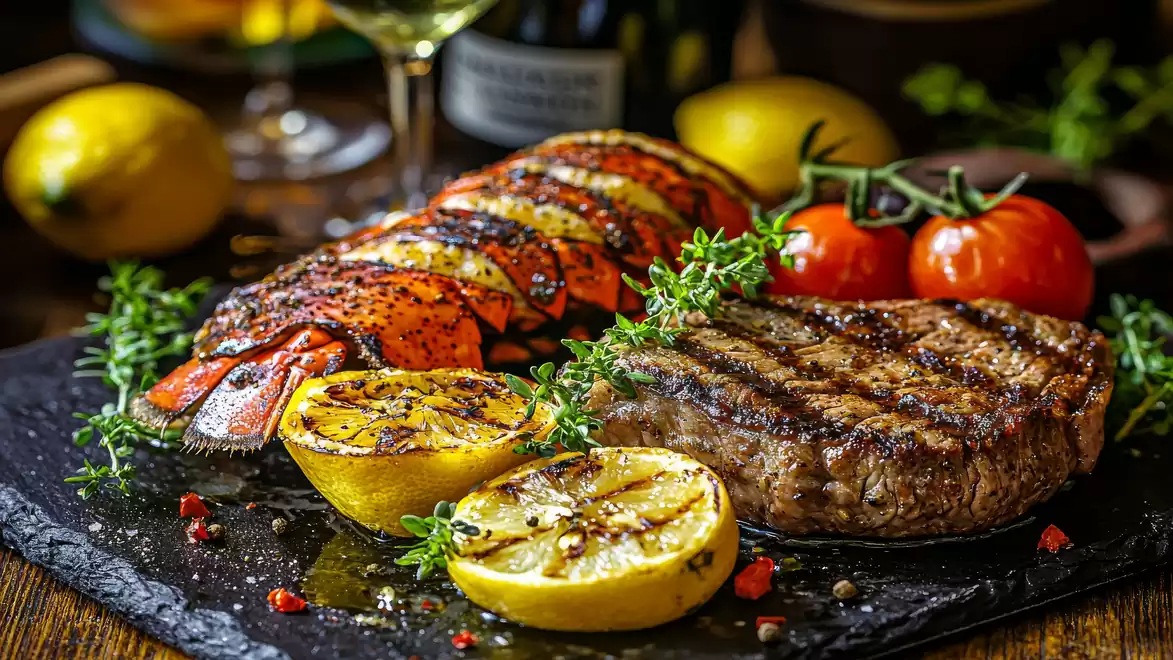
Surf and Turf is a popular dish that combines premium meat with fresh seafood. It brings together the rich flavors of a tender steak with the delicate, oceanic notes of lobster, shrimp, or scallops. This combination creates a unique culinary experience that delights both meat and seafood lovers.
While the classic version typically features a filet steak with a lobster tail, there are many variations:
The dish is often paired with grilled vegetables, potato dishes, or flavorful sauces that perfectly complement the taste.
Florida is known for both its high-quality steakhouses and its fresh seafood, making Surf and Turf a staple in many restaurants along the coast.
Whether as a special dinner or a unique culinary experience, Surf and Turf is a must-try dish when visiting Florida.
Whether it’s culinary delights, stunning beaches, or exciting excursions – Florida has something for everyone. Book your vacation home in Cape Coral, Naples, or Fort Myers and experience the diversity of the Sunshine State!
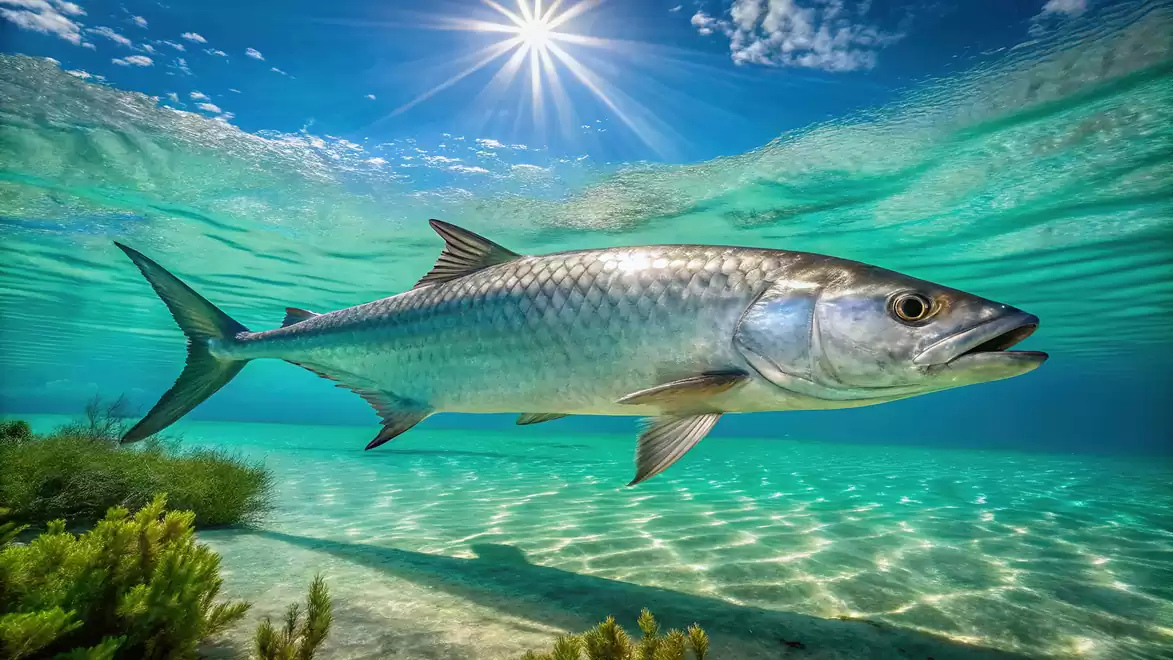
The Tarpon is a fascinating saltwater fish primarily found in the warm coastal waters of the Atlantic, the Caribbean, and the Gulf of Mexico. In Florida, it is one of the most sought-after species among sport anglers.

Thomas Alva Edison (1847–1931) was one of the most significant inventors in world history. With over 1,000 patents, he revolutionized modern industry and everyday life – from the light bulb to the phonograph and groundbreaking electrical innovations. However, not only his technical achievements make him remarkable – his deep connection to Florida, especially to Fort Myers, is also noteworthy.
In 1885, Edison acquired a property on the Caloosahatchee River in Fort Myers and built his winter residence, “Seminole Lodge”. The mild climate of Florida inspired him to continue his inventions and provided a retreat from his hectic work life. Together with his wife, Mina Edison, he spent many winters there, experimenting with new ideas. Later, the residence was expanded to include a botanical garden, where he cultivated various plant species – particularly rubber plants to explore alternative rubber production.
Edison had a close friendship with Henry Ford, the founder of the Ford Motor Company. Ford admired Edison’s innovative spirit and, in 1916, purchased the neighboring property to be close to him. The two inventors spent many winters together in Fort Myers, exchanging ideas about new technologies. Their legacy is preserved today at the Edison & Ford Winter Estates – a museum that provides a unique insight into their lifestyle and groundbreaking inventions.
To this day, Edison’s influence is still felt in Southwest Florida. Every year, the Edison Festival of Light is held in his honor – a festival featuring parades, exhibitions, and events dedicated to his inventions. His former estate, the Edison & Ford Winter Estates, is now a museum with original preserved buildings, laboratories, and a botanical garden. Visitors can experience Edison’s work and historic technological developments up close.
Thomas Edison was far more than just a brilliant inventor – he was a visionary whose ideas changed the world. His love for Fort Myers shows that Florida is not just a vacation destination, but also a place for creativity and innovation. His legacy remains alive in Florida – and a visit to his winter residence is a fascinating journey into the history of modern technology.

Florida is known for its sunshine, beautiful beaches, and palm trees – but occasionally, a different natural event captures attention: tornadoes. While they are mostly associated with the Midwest, they can also occur in the Sunshine State. Particularly in the summer months, smaller tornadoes can develop, often as a result of strong thunderstorms or tropical storms.
The region around Naples, Cape Coral, and Fort Myers rarely experiences strong tornadoes. When they do occur, they are typically weak and cause minimal damage. Statistically, these cities are not hotspots for severe tornadoes, making them a safe choice for travelers.
Even though tornadoes in Florida are rare, it is important to be prepared. If a tornado warning is issued, authorities recommend the following safety measures:
Florida has extensive experience handling extreme weather events. In the rare cases where tornadoes cause damage, emergency services and relief organizations work quickly to restore infrastructure. Public services and roads are typically repaired swiftly, ensuring minimal disruption for visitors.
Tornadoes should not discourage travelers from visiting Florida. Due to their rarity and the state's efficient response systems, the Sunshine State remains one of the most popular and safest travel destinations in the U.S.
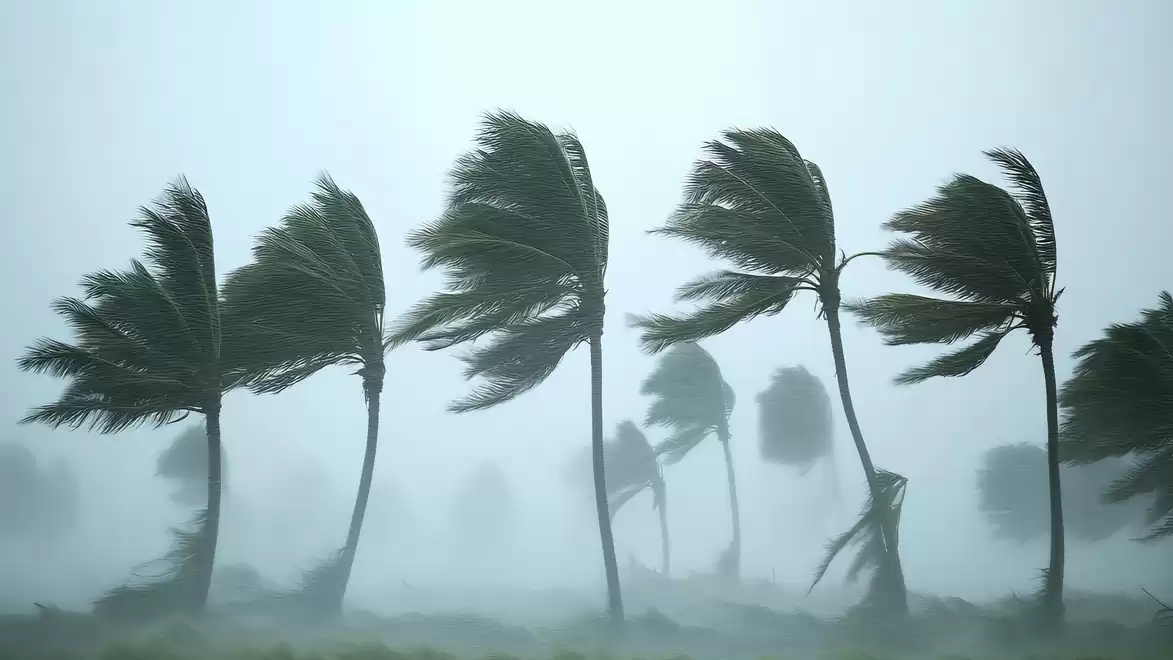
A tropical storm is a powerful cyclone that forms over warm ocean waters, bringing high wind speeds and intense rainfall. Tropical storms are part of a larger weather system and, under certain conditions, can develop into hurricanes, typhoons, or cyclones, depending on the region where they occur.
These storms typically form near the equator, where ocean temperatures remain above 26°C (79°F). Rising warm air creates massive cloud formations, and due to Earth's rotation, the system begins to spin. Once wind speeds reach between 63 and 118 km/h (39–73 mph), it is classified as a tropical storm.
If wind speeds exceed 118 km/h (74 mph), the storm is classified differently based on the region:
Tropical storms often bring heavy rainfall, which can cause flooding and landslides. They are particularly dangerous for coastal regions, as strong winds and high waves can lead to storm surges. Thanks to modern weather monitoring, meteorologists can detect tropical storms early and issue necessary warnings.
Although tropical storms can be destructive, they play a crucial role in the global climate system. They transfer heat from the tropics to other regions, influencing weather and precipitation patterns worldwide. Nevertheless, proper preparation is essential to minimize damage and risks for the population.
Florida is famous for its tropical climate and stunning beaches. With the right preparation, your visit will remain safe and unforgettable.
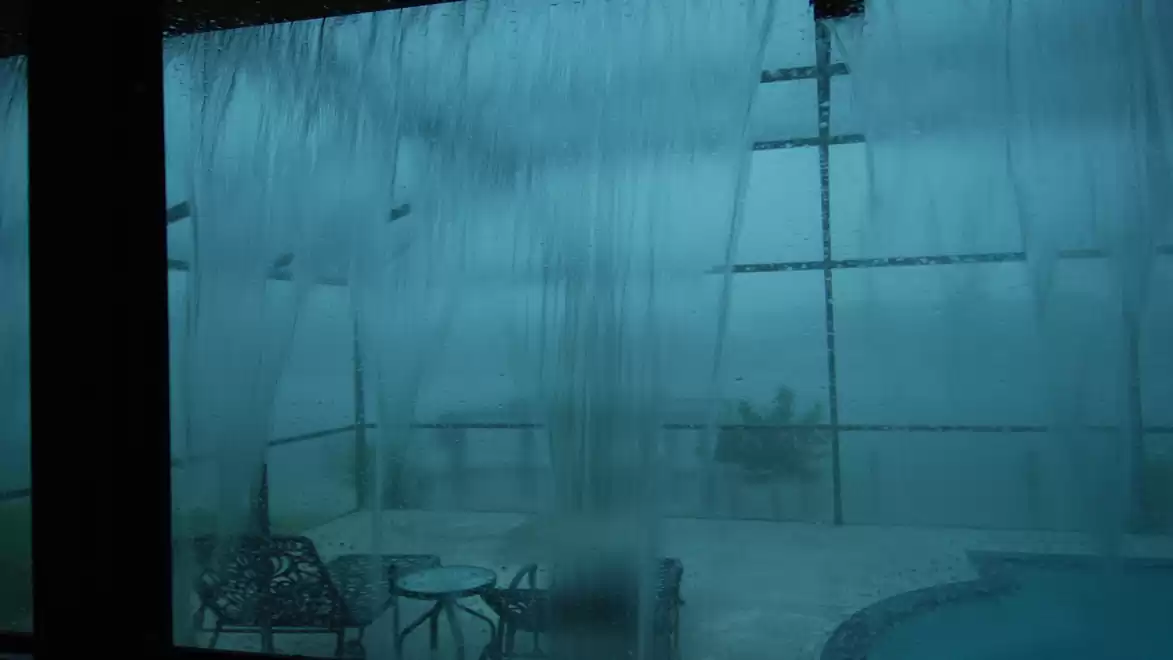
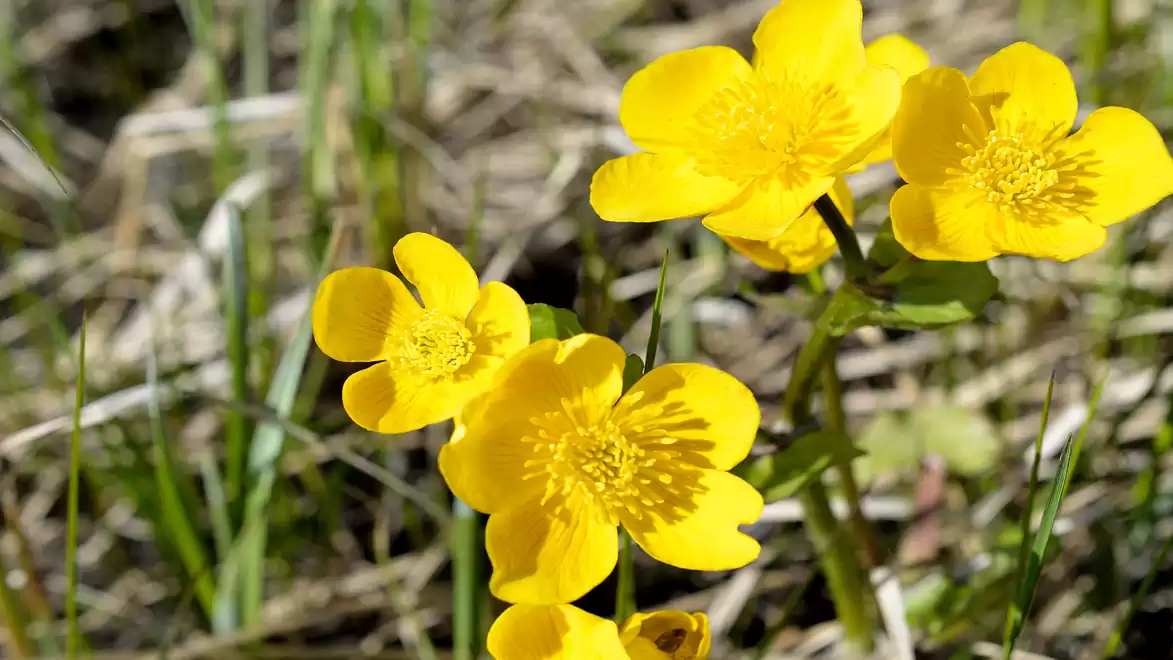
The Golden Trumpet (Allamanda cathartica) is an evergreen, tropical climbing shrub from the dogbane family (Apocynaceae), originally native to Brazil. It is prized for its bright yellow, trumpet-shaped flowers and is cultivated worldwide in tropical and subtropical regions as an ornamental plant. (Wikipedia)
The Golden Trumpet is a vigorously growing, woody climber that can reach heights of up to 20 feet. Its glossy, leathery leaves are arranged oppositely or in whorls and are about 4–6 inches long. The striking, golden-yellow flowers appear year-round, especially during the summer months. They are funnel-shaped and approximately 2–3 inches in diameter. (Gardenia.net)
The Golden Trumpet prefers a sunny location with well-drained, humus-rich soil. It requires regular watering but does not tolerate waterlogging. In cooler climates, it can be grown in containers and moved to protected areas during winter. Regular pruning promotes a bushier growth form and more abundant flowering. (Missouri Botanical Garden)
Due to its decorative flowers, the Golden Trumpet is often used in gardens, on pergolas, or as a privacy screen. However, caution is advised, as all parts of the plant are toxic and can cause skin irritation. It is advisable to wear gloves when handling the plant. (NC State University)
The Golden Trumpet is an attractive plant for tropical and subtropical gardens, spreading exotic flair with its bright blooms. With proper care and site selection, it can bring joy for many years.
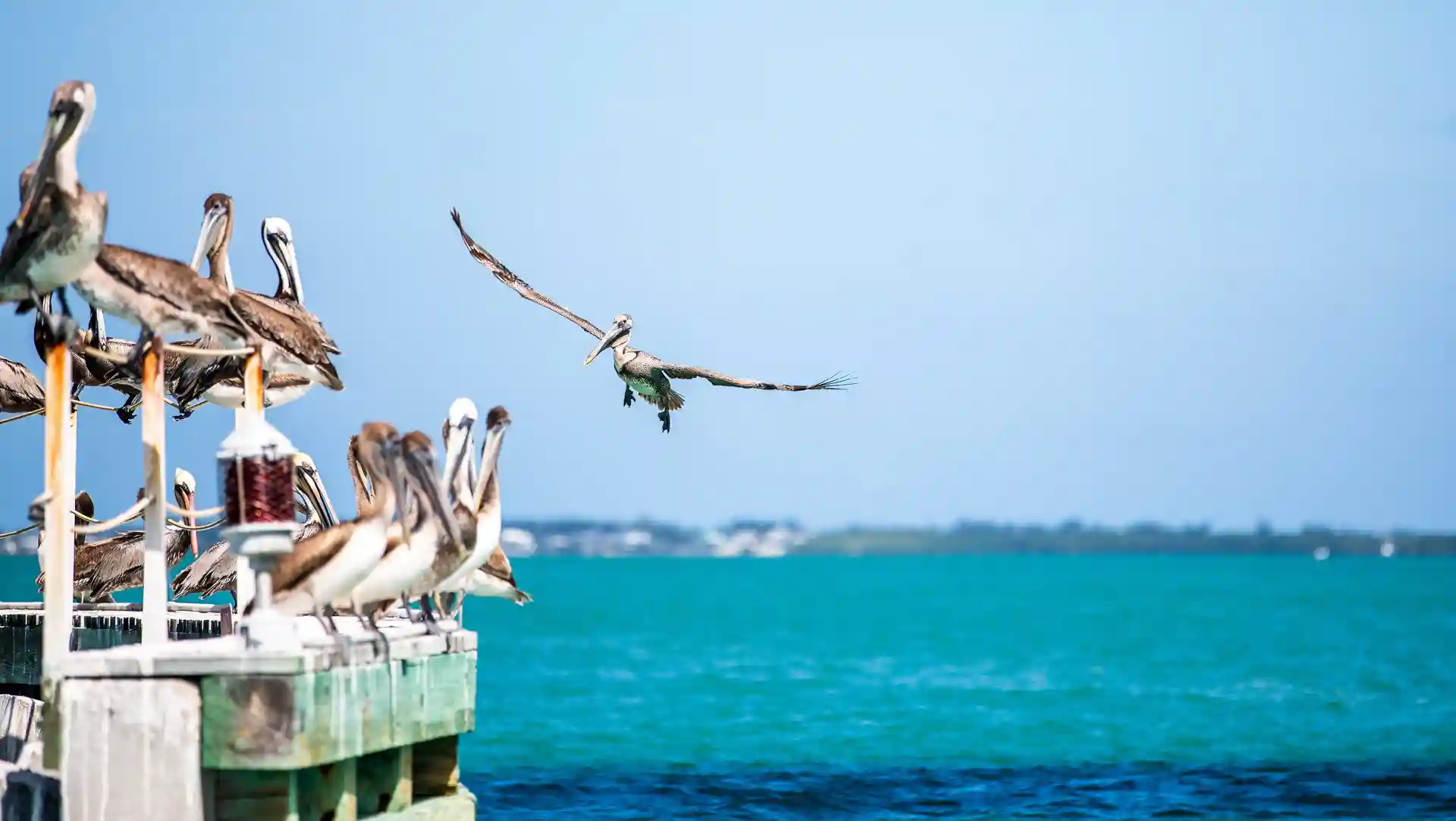
Explore more of Florida in our vacation rentals, boat rentals, and things to do sections.
Still have a question? We're happy to help — contact us and we'll get back to you as quickly as possible.