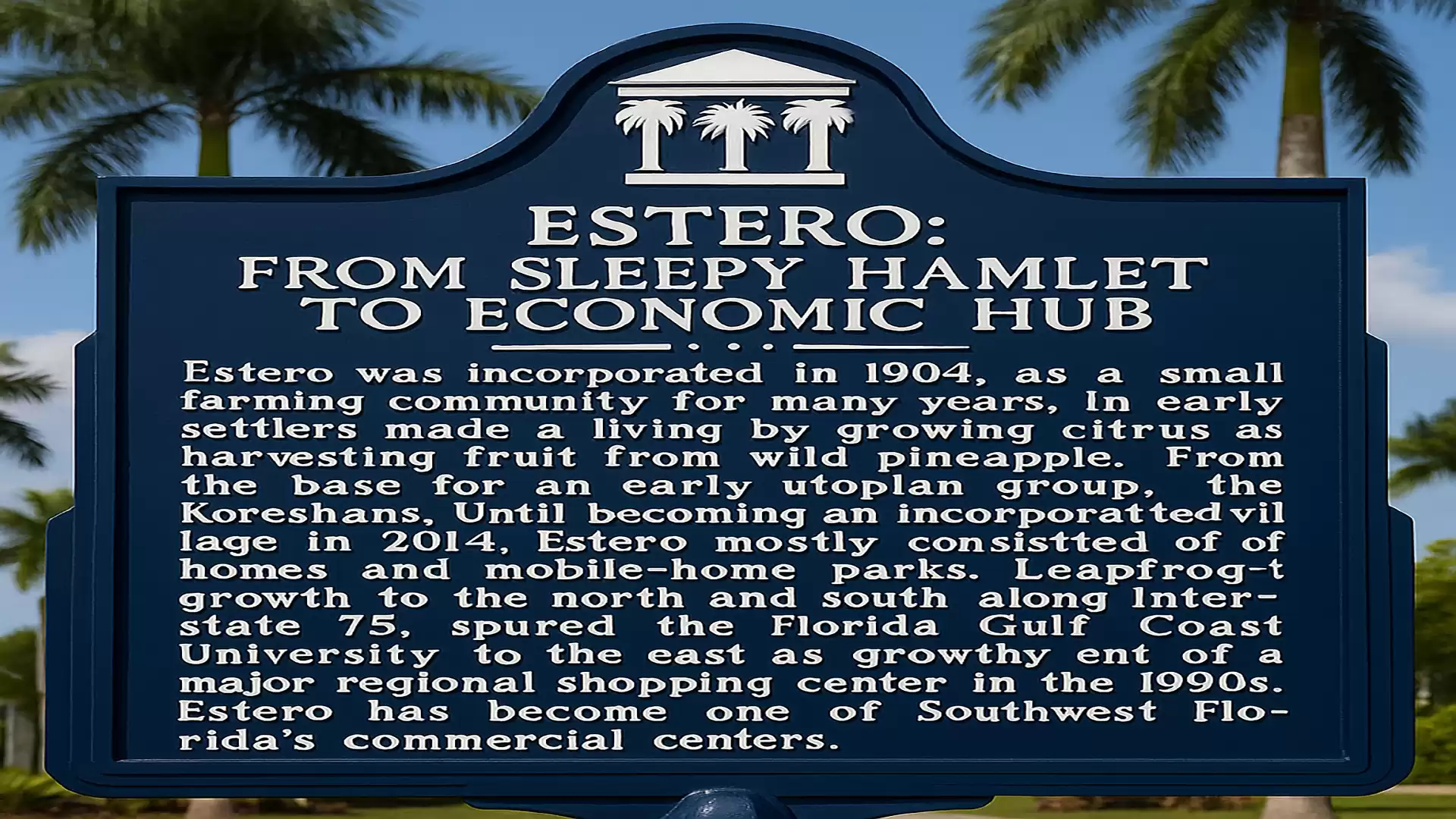
Estero — Spanish for “estuary” — officially became an incorporated village in Lee County, Florida, on December 31, 2014. Covering approximately 65.8 km² (63.1 km² land and 2.7 km² water), it had a population of 36,939 as of the 2020 census. The population density is about 1,515 people per square mile.
From 2000 to 2020, the population grew from around 9,500 to nearly 37,000, with a median age of 61 and a large portion (over 40%) aged 65 or older. About 85–86% of households are owner-occupied — a notably high rate.
Estero was once little more than a wide spot along US 41 between Fort Myers and Naples — an unincorporated area where people farmed oranges and fished the Estero River. But since 2014, it has been known as the Village of Estero, the newest incorporated community in Lee County. Today, it is considered the economic heart of Southwest Florida, especially after Hertz moved its global headquarters to the village center.
Hertz relocated its headquarters to Estero in 2013, bringing about 750 jobs and investing approximately $75 million in the new facility. Estero features upscale shopping centers like Coconut Point Mall, Miromar Outlets (with over 140 stores), and Gulf Coast Town Center.
Estero is filled with shopping, cinemas, fine dining, and hotels. Yet parts of its past remain at the Koreshan State Historic Site, which preserves 11 historic buildings that offer insight into local history. The Koreshan Unity was a religious cult. The Koreshans are long gone, but a growing, vibrant community is emerging — where business and leisure coexist.
Hertz Arena serves as home to the Florida Everblades ice hockey team (ECHL). The Southwest Florida International Airport is located less than 8 km to the north.
In 1894, Cyrus Teed and his followers established the Koreshan Unity and acquired 300 acres of land along the Estero River. Although the group once numbered in the hundreds, only a few remained by the 1960s. The state took over the site in 1961.
The Koreshan State Historic Site includes 11 restored, historically registered buildings. The adjacent Koreshan Preserve is home to rare plants and animals such as the gopher tortoise.
Mound Key is an archaeological site located in Estero Bay on a cluster of islands. It was inhabited by the Calusa Native Americans over 2,000 years ago and includes ceremonial mounds, burial sites, and the remnants of the first Spanish Jesuit mission “San Antón de Carlos” established in the 1560s.
The Estero River is a 10 km spring-fed waterway that flows into Estero Bay. Once frequented by fishermen and citrus farmers, it is now a hub for kayaking, hiking, and environmental education.
In addition to the Koreshan Preserve (37 acres), Estero includes protected areas within the Estero Bay Preserve State Park, offering habitats for a variety of birds and wildlife.
Estero’s village master plan supports mixed-use development in the town center, with a focus on walkability, architectural quality, modern infrastructure, and the protection of green spaces.
Population projections estimate around 50,000 residents by 2040. Currently, about 37,500 people live west of the main corridor, with plans for another 42,000 residents in new developments.
In just a few years, Estero has transformed from a rural outpost into a dynamic, socio-economically advanced village. With major corporations, upscale shopping, cultural heritage sites, protected natural areas, and sustained population growth, Estero stands as a model of planned development in Florida.
Estero: From Sleepy Hamlet to Economic Hub offers Sleepy, Hamlet.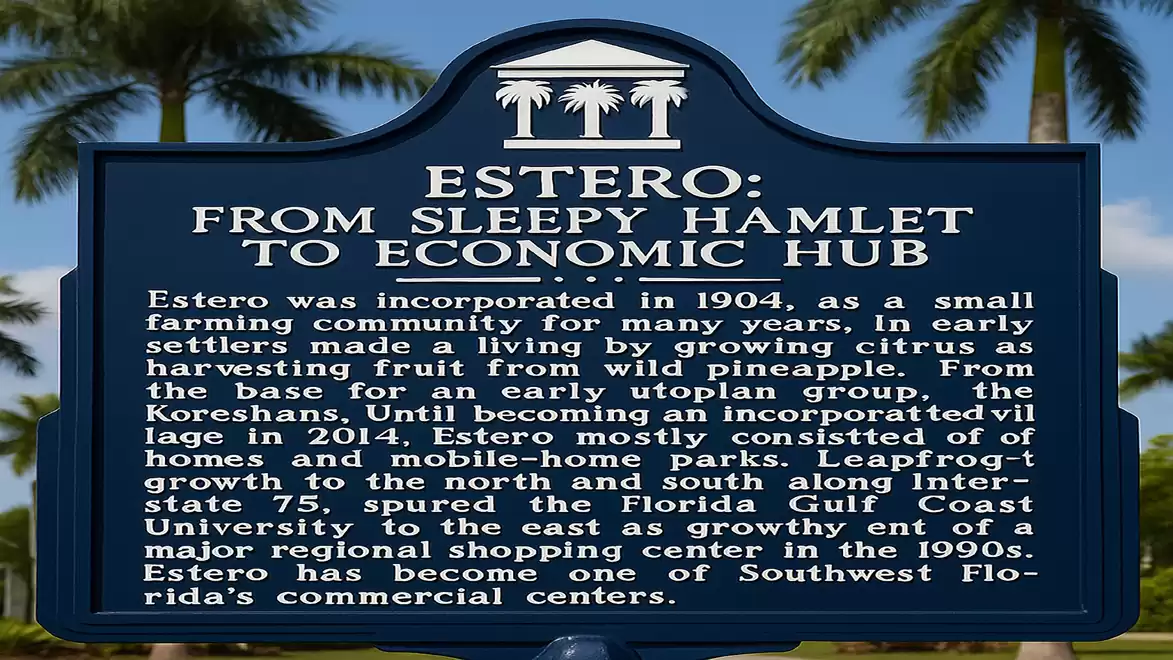
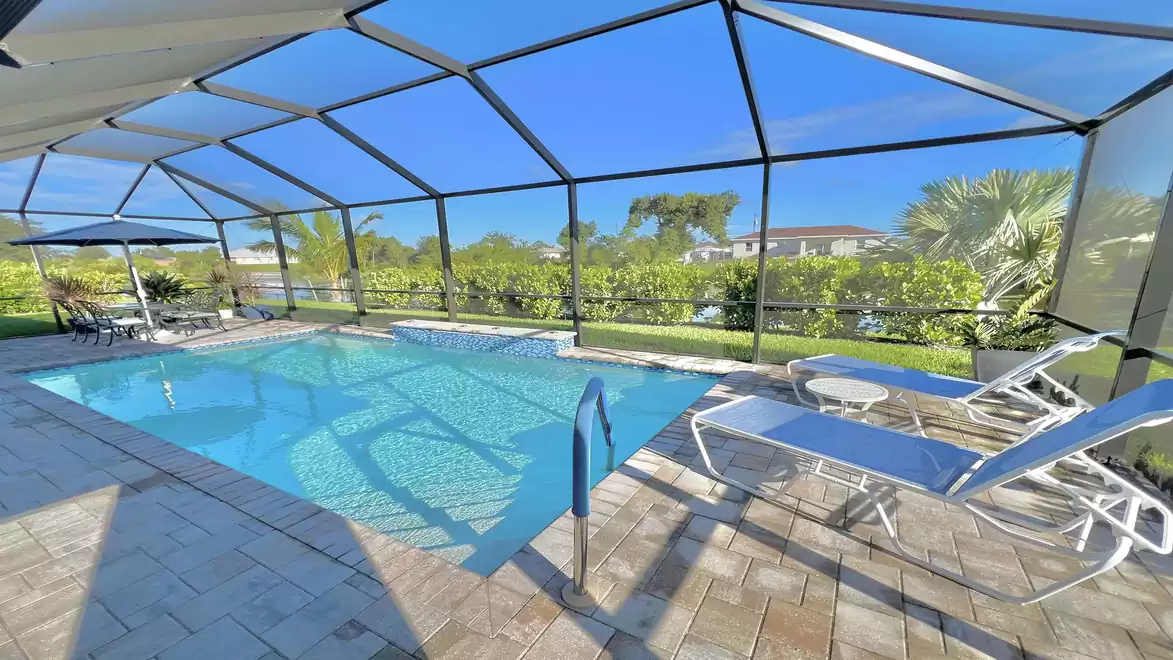
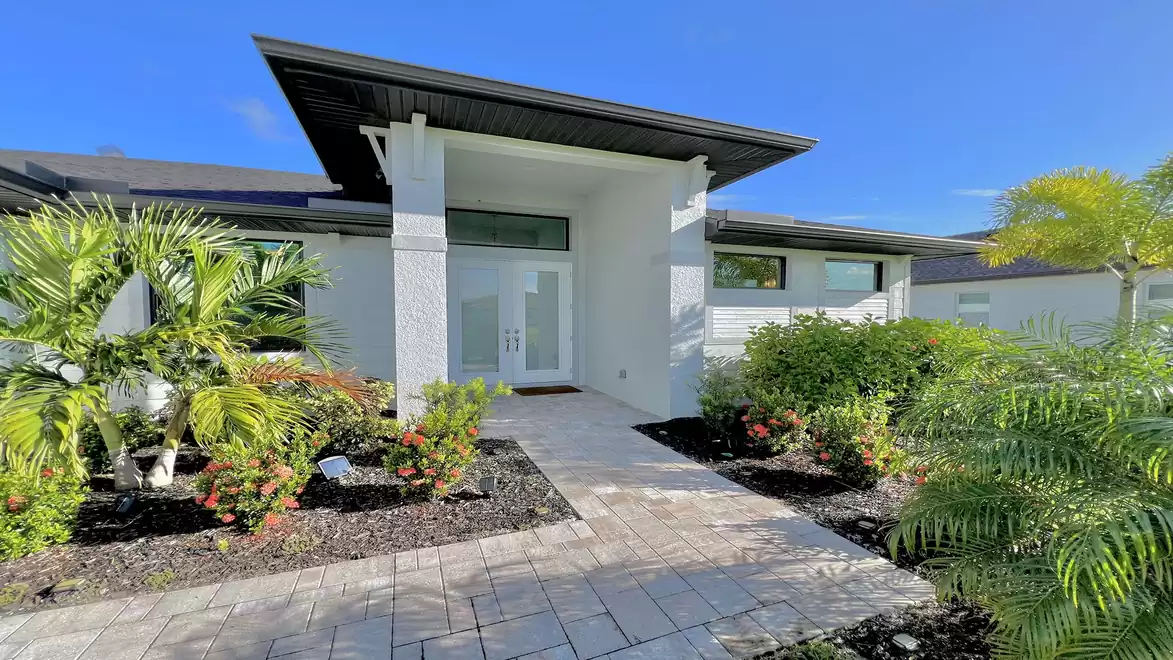
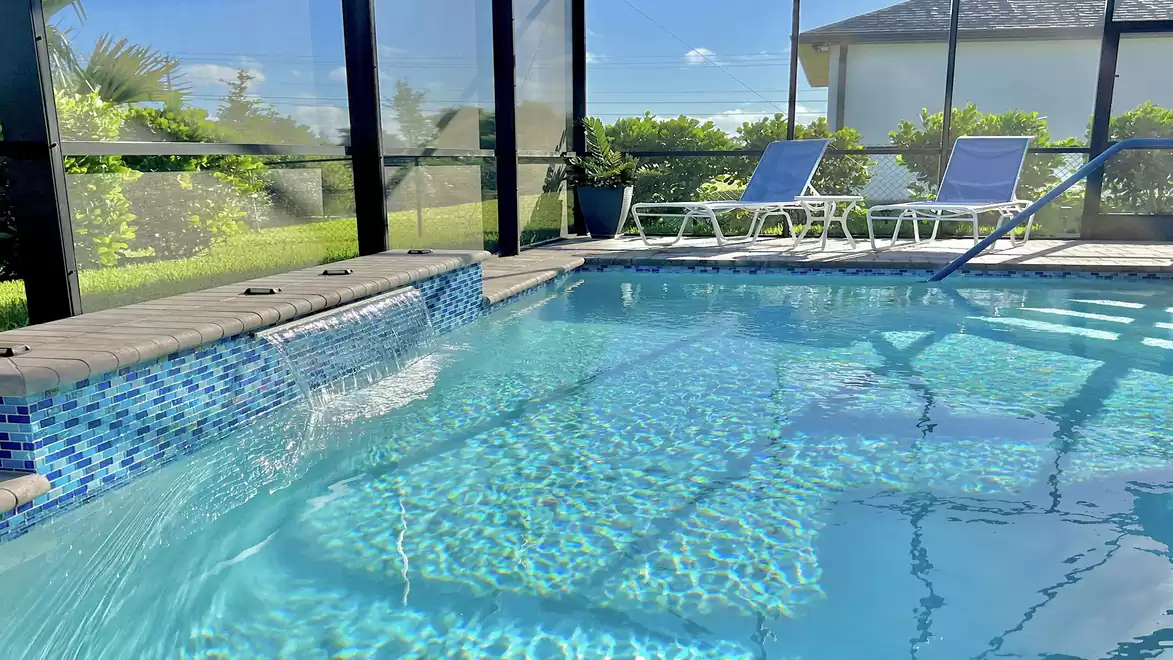
 Bedroom: 3 (King, 2 Queen)
 Bathroom: 2