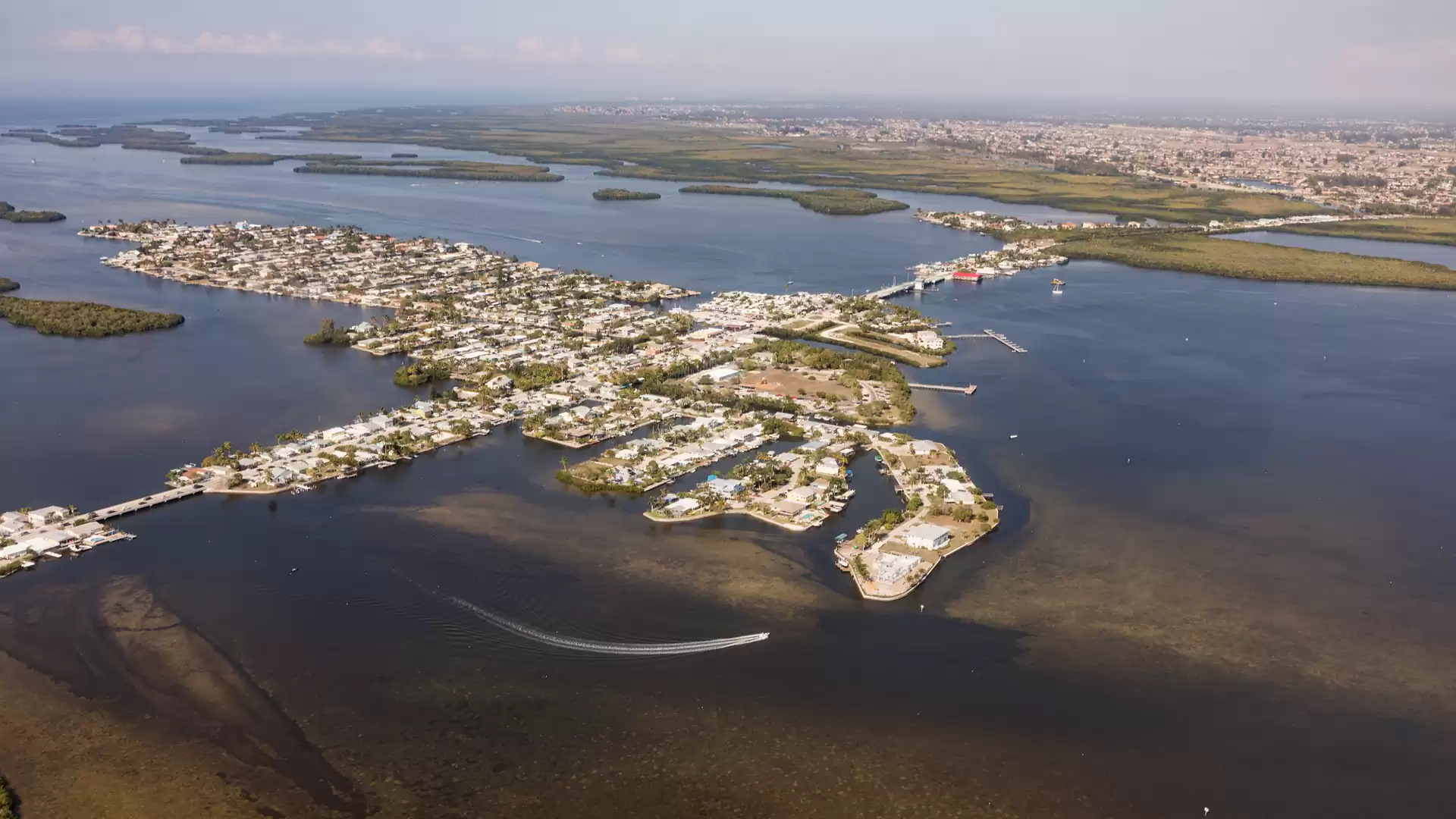
Matlacha – A unique fishing village full of creativity
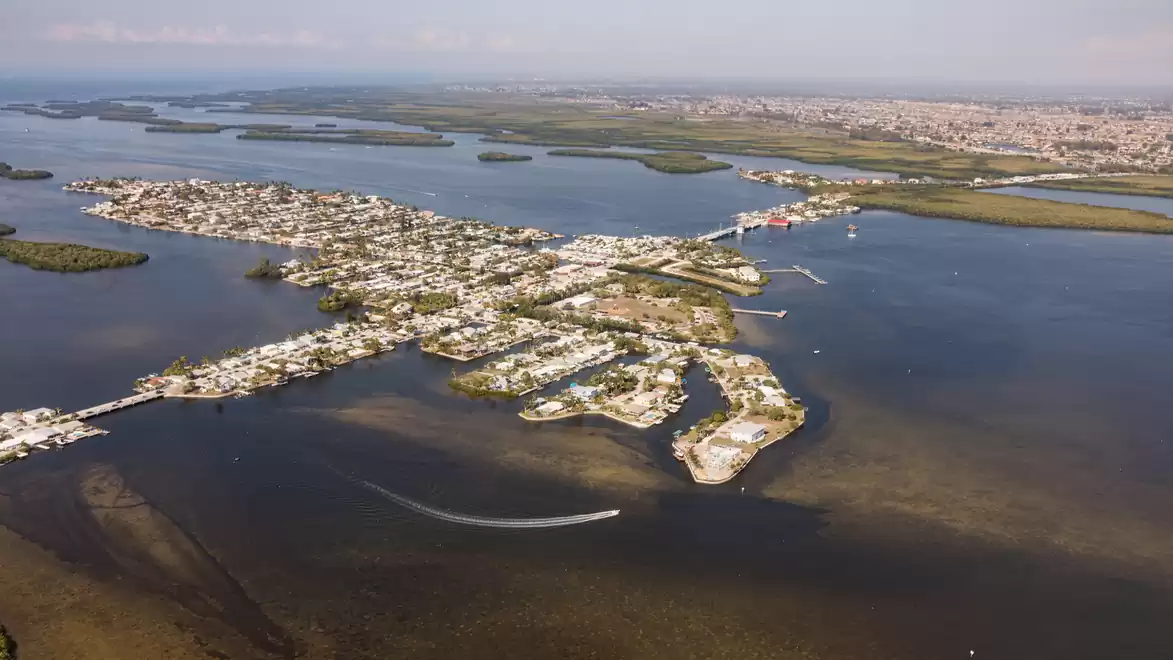
Idyllic fishing village, creative artist colony, quirky hippie enclave – the small town of Matlacha, between Cape Coral and Pine Island, is all that and more. In all its colorful facets, it still remains unique. There’s a certain lightness in the air when you drive over the bridge from Cape Coral to Matlacha. Somehow everything seems a bit brighter and more vibrant here than on the mainland. Perhaps it's the water, shimmering like liquid silver in the warm breeze wrapping around the island. Or maybe it’s the spirit of the Caloosa Indians, said to still hover over the barrier islands after centuries?
The fishermen of Matlacha, however, don’t seem concerned with unusual light effects or ancient mysticism as they unload their catch from the fishing grounds of the Gulf of Mexico at the wooden pier. They go about their work with practiced routine. Whatever the reason for the special atmosphere may be – everyday stress simply disappears here, on this picturesque island just half an hour from Fort Myers. A pleasant floating sensation.
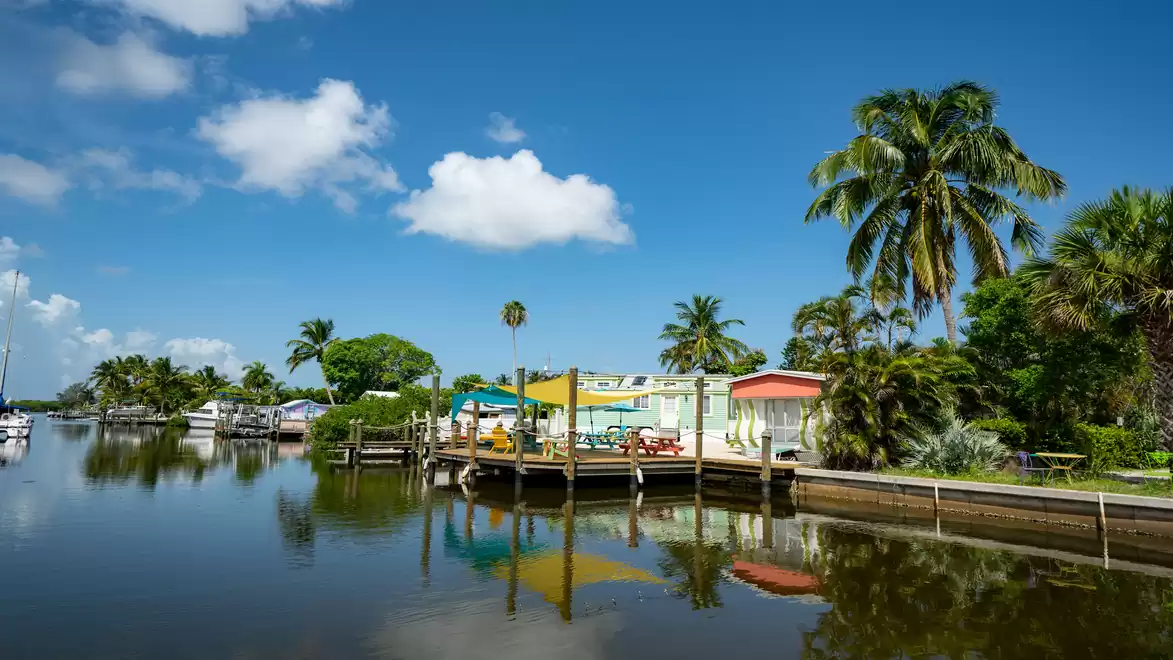
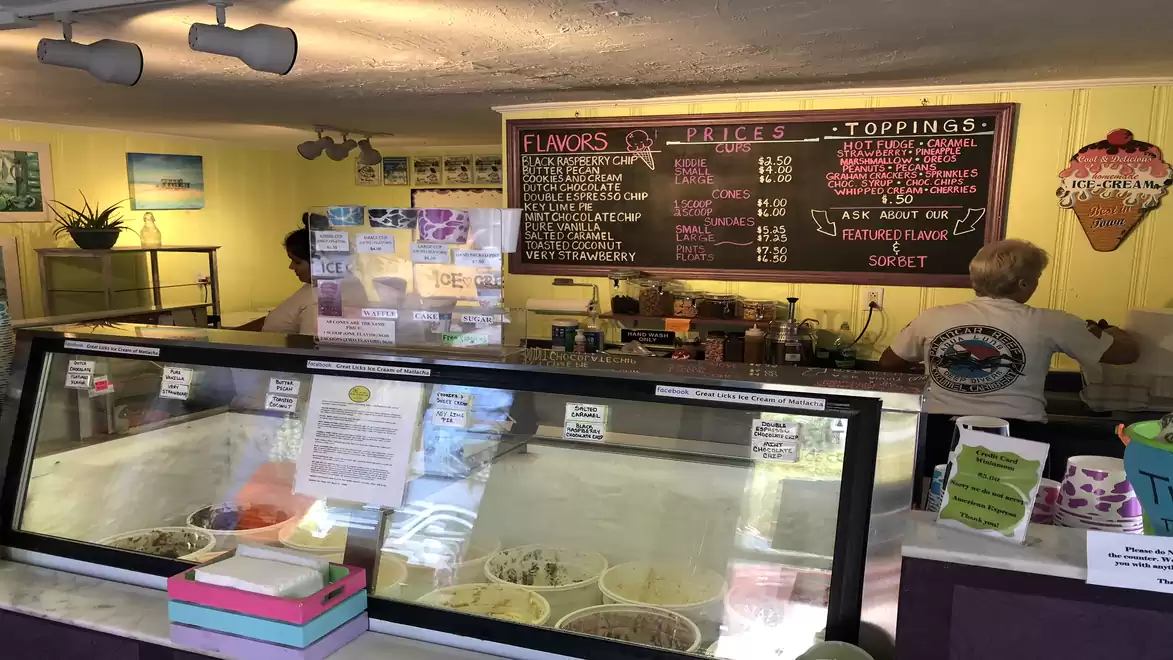
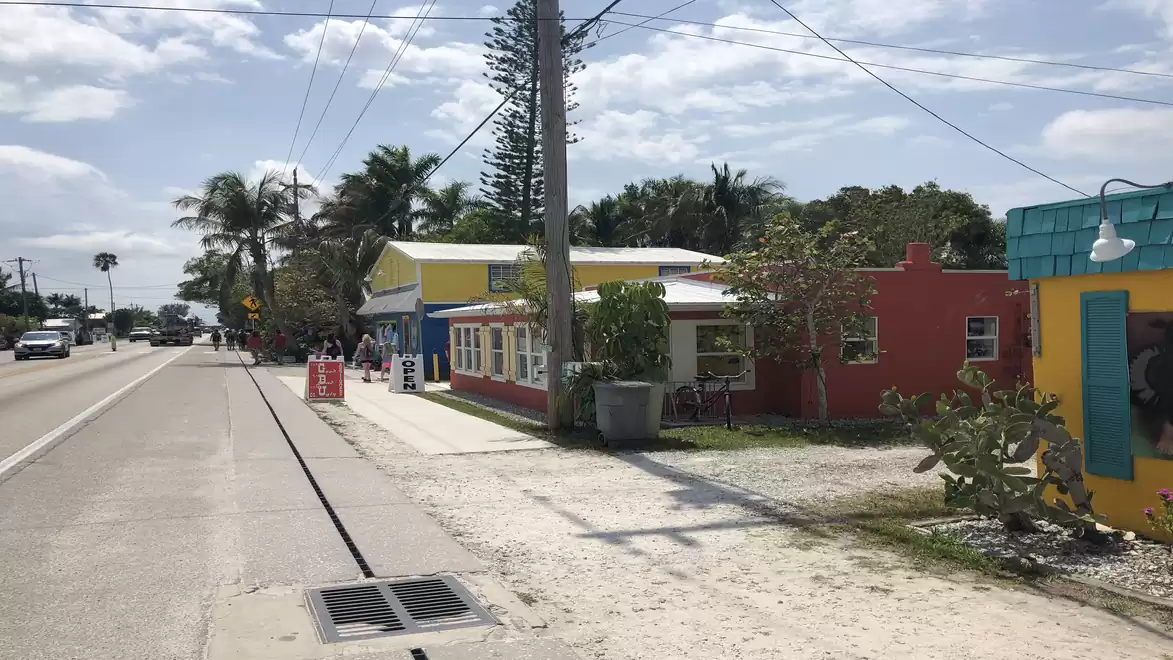
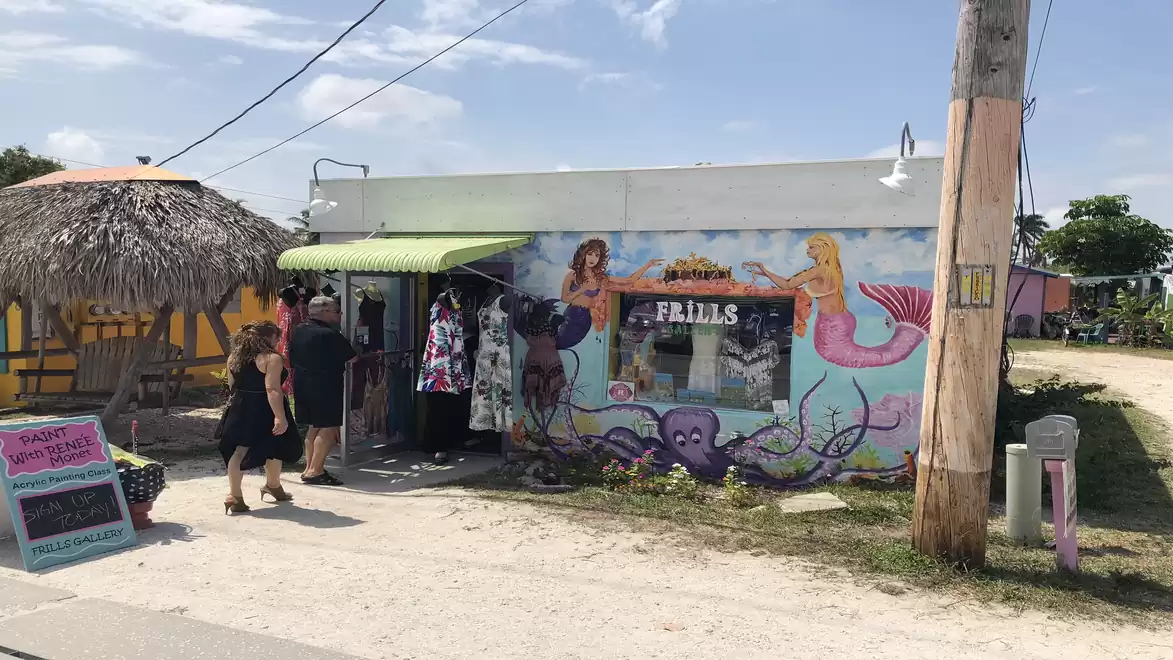
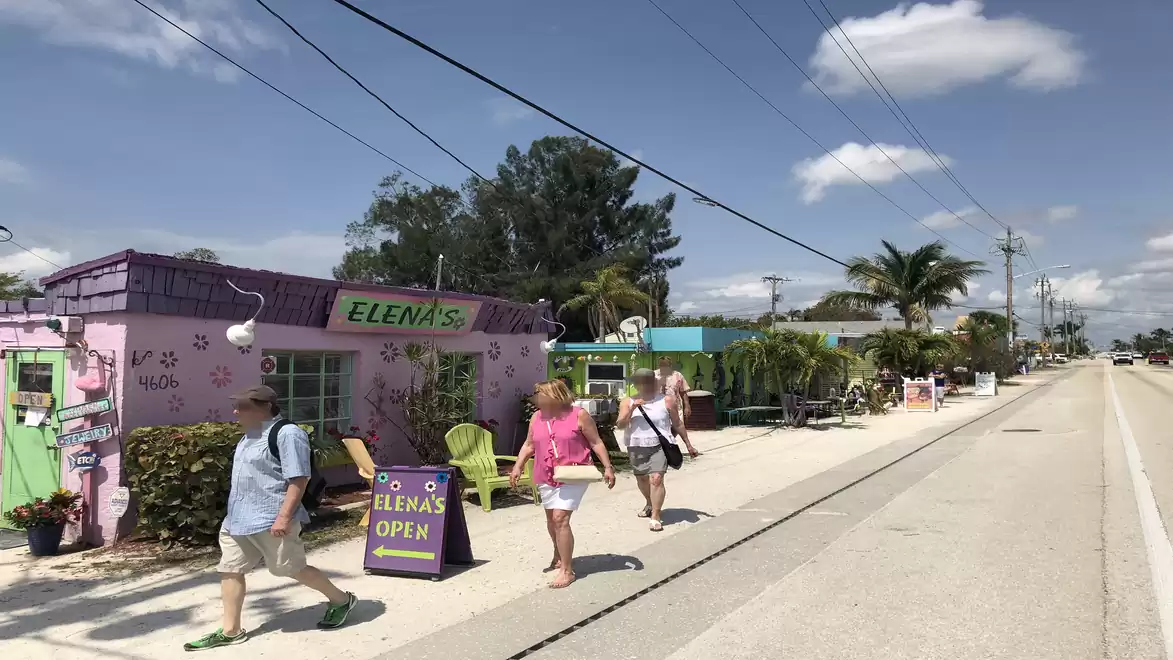
When the tropical green of the mangroves suddenly gives way to the vibrant colors of the one-story houses along Pine Island Road, you feel like you’ve stepped into a childhood dream. Sun-yellow restaurants, azure-blue galleries, and bright orange houses create a real Caribbean feeling.
Matlacha and neighboring Pine Island were discovered as early as 1513 by Ponce de León, who was struck by an arrow of a Caloosa Indian eight years later – after an unsuccessful search for gold and the Fountain of Youth. Somehow, Matlacha (pronounced "Matt-laah-shee") still seems like a place where time moves a bit more slowly.
"Slow down" is the motto in Matlacha. Life here is relaxed and unconventional. The roughly 750 residents are a colorful mix of fishermen, artists, and free spirits – or, as one might casually call them, "old hippies." Add in successful professionals from Fort Myers who are drawn to the island’s creative and free atmosphere. A charming mix!
Those looking for luxury hotels and apartment complexes like those on Sanibel or Fort Myers Beach will search in vain in Matlacha. Instead, you’ll find small bed & breakfasts, winding bait shops, and lovingly run art galleries.
For a long time, fishing was the main source of income in the region, as the fishing grounds north of Matlacha are particularly abundant. Today, day-trippers also contribute a large share of the local income.
It was artists who discovered Matlacha for themselves – bringing not only color but also a new lifestyle. The colorful galleries, quirky bars, and laid-back seafood restaurants often reveal from the outside that their owners are true individualists.
One example is the Matlacha Art Gallery by Leoma Lovegrove: its façade is as colorful as a tequila sunrise, with a gentle transition from deep orange to sunny yellow. Leoma Lovegrove was one of the first artists to settle here – and her passion for art soon inspired the whole town.
Today, during high season, she organizes art walks through Matlacha and neighboring Pine Island galleries every second Friday of the month. These evenings usually end with cocktails and live music.
At the Matlacha Art Gallery, visitors can find prints and originals of Lovegrove’s work, as well as pieces by other local artists. Right next door, the Wild Child Art Gallery offers a colorful mix of work by dozens of artists from Southwest Florida.
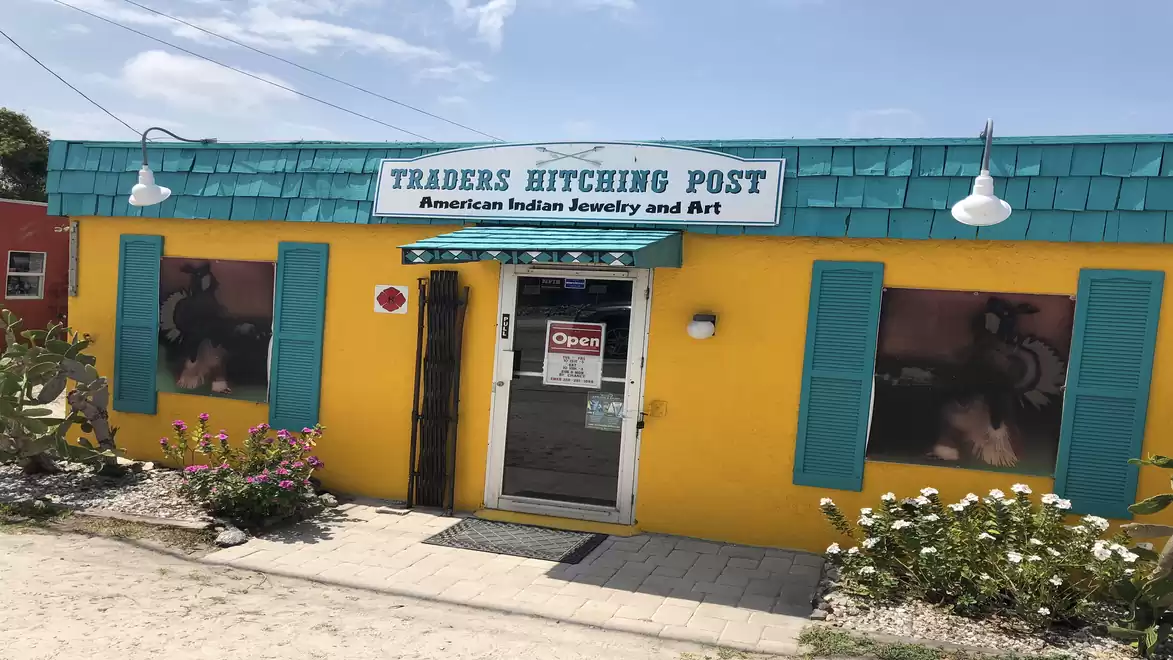
A few steps down at the dock, a garden bench made of forged horseshoes invites you to relax and watch the bustle. Across the street, next to the Matlacha Bridge, you’ll find Trader’s Hitching Post – a shop for Native American silver jewelry and Southwestern U.S. art. Owners Jerry and Cindee have collected authentic Native American artifacts for years, such as Hopi Katsina dolls, Navajo pottery, and bracelets. Their gallery has become a Matlacha institution and has been in the same location for over 20 years.
Several quirky features make Matlacha even more lovable. For example, the "Matlacha Yacht Club" – whose "fleet" usually consists of kayaks and small fishing boats with outboard motors. A clubhouse? None.
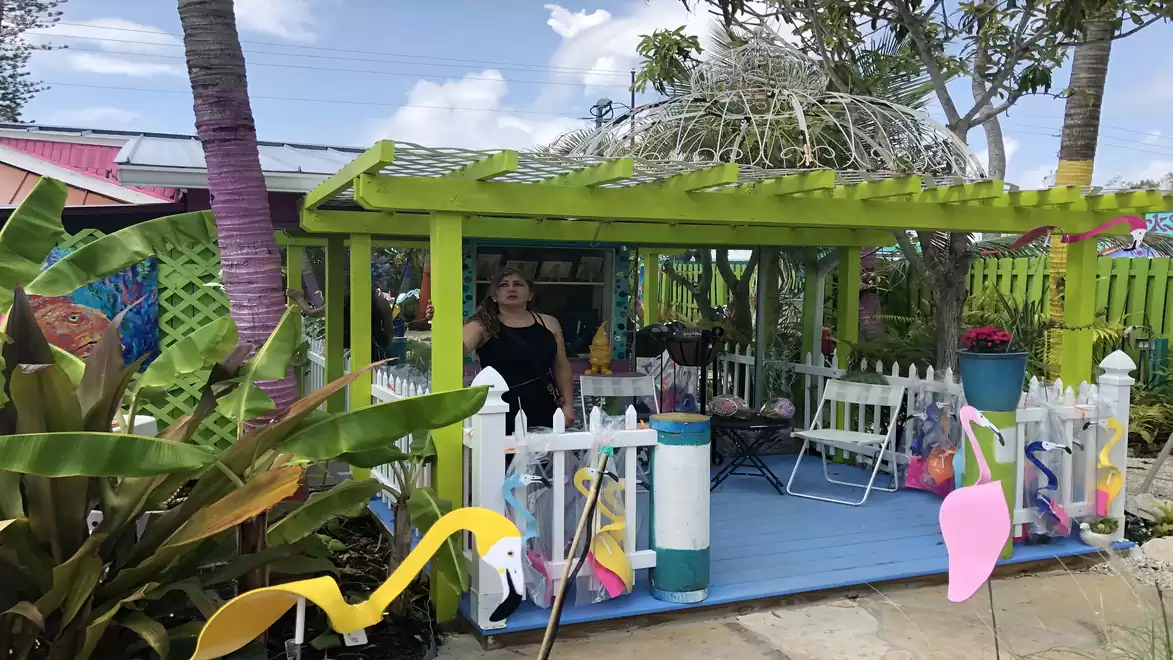
But there’s the Doll Lady, who’s been standing in front of her tiny dollhouse for years – along with a few wooden horses and old metal chairs. A sign on the door reads: "Sorry. This is not a real store. Just for fun!" As if the locals needed to explain the town’s wink-wink sense of humor to visitors...
Another example? In Matlacha, there are women who always carry fishing hooks – known as "hooks" in English. At some point, they were cheekily called "hookers" – a term that’s usually negative elsewhere. But in Matlacha, the "hookers" are anything but that – they belong to a respected organization that hosts fishing tournaments and fundraisers for the local school and neighbors in need.
You can recognize a real Matlacha local by their knee-high white rubber boots, worn by nearly everyone wading through the shallow waters. These "Matlacha Reeboks" are everyday gear – and even in Bert’s Bar, nobody takes them off.
This legendary bar has been around for 75 years and is the ultimate insider hangout. With live music, karaoke, and a unique mix of fishermen, artists, and free spirits, it’s the perfect place to end the day.
Located right on the bay with a wonderful view of the water, Bert’s Bar was already a meeting place for Air Force soldiers from Fort Myers during World War II. Today it’s the first stop for fishermen docking their boats – and, of course, for the artists and creatives who call Matlacha home. And who can’t imagine living anywhere else.
Visitors discover a true paradise for outdoor enthusiasts in the heart of Southwest Florida.
Matlacha Artistic Fishing Village Fun features artistic.