
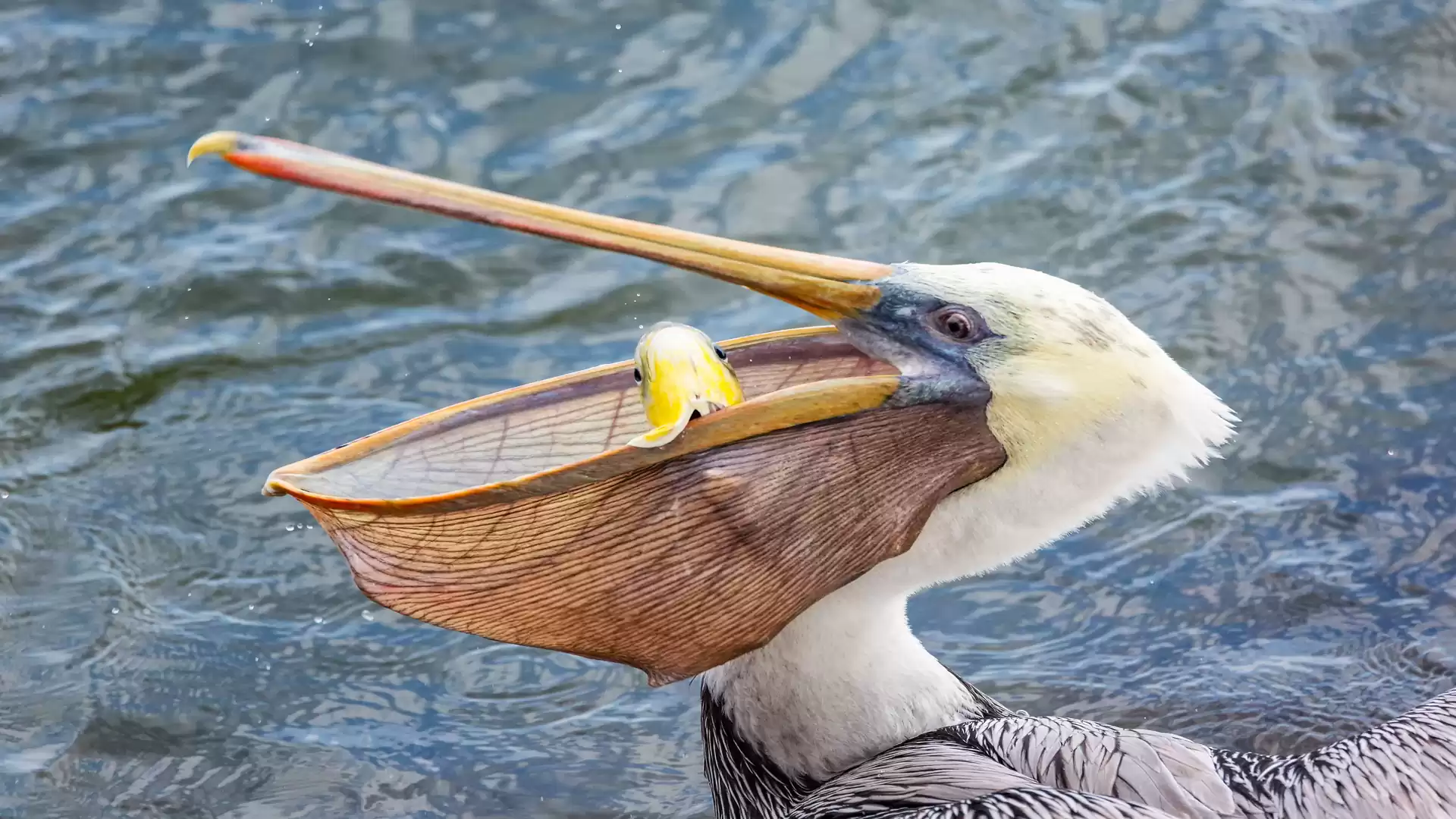
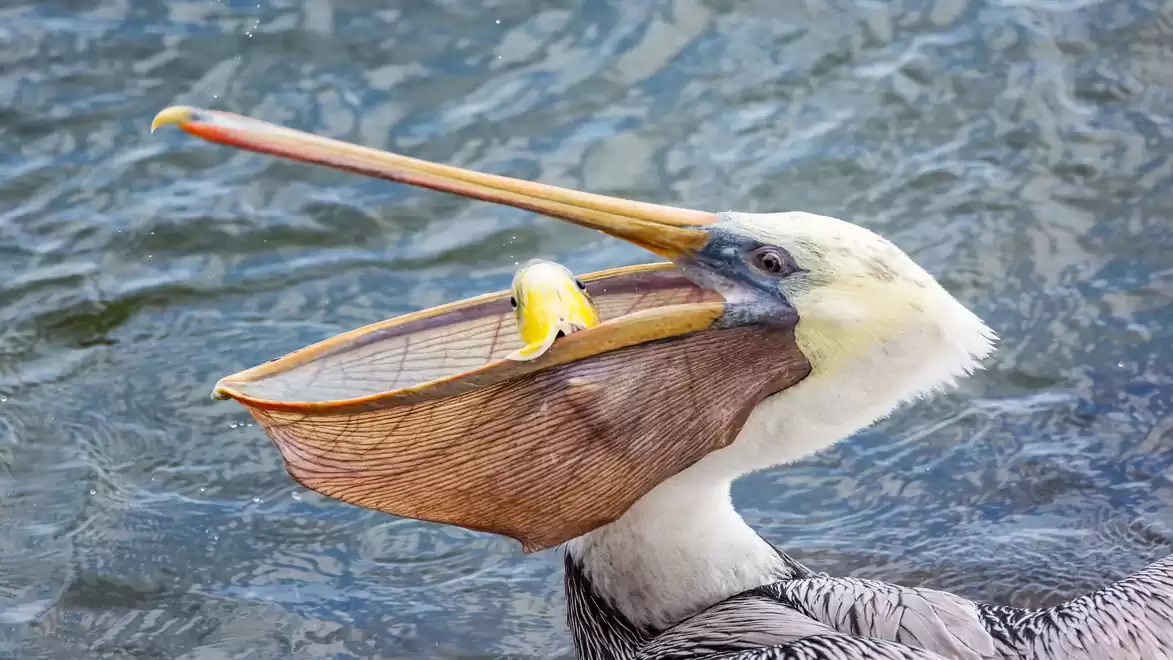
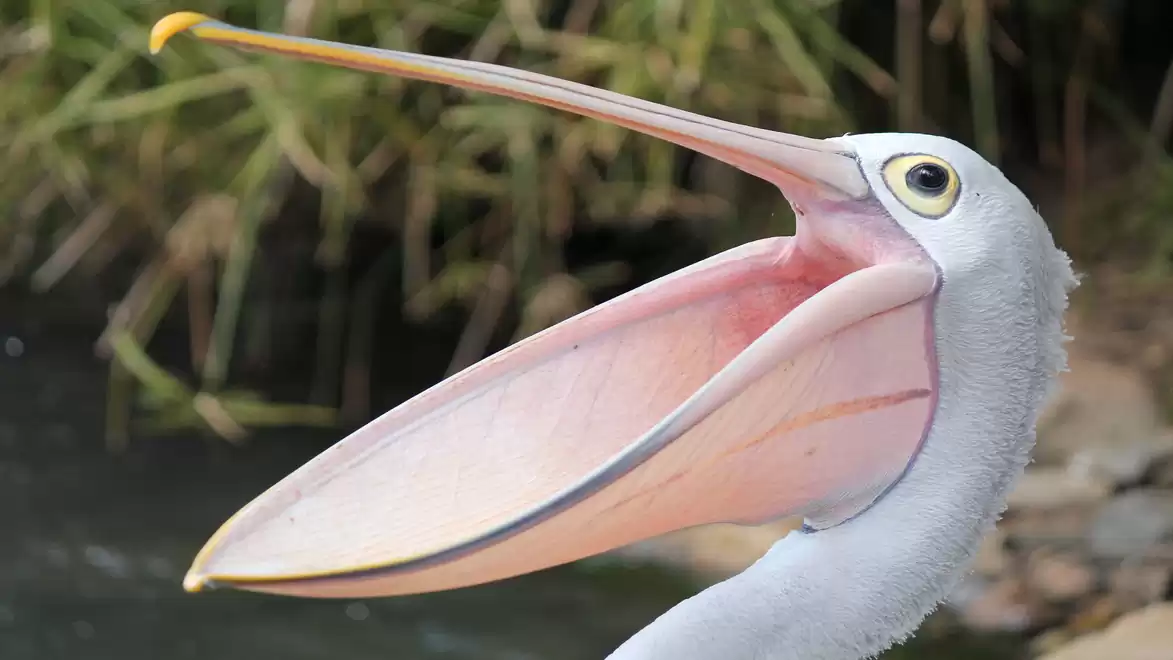
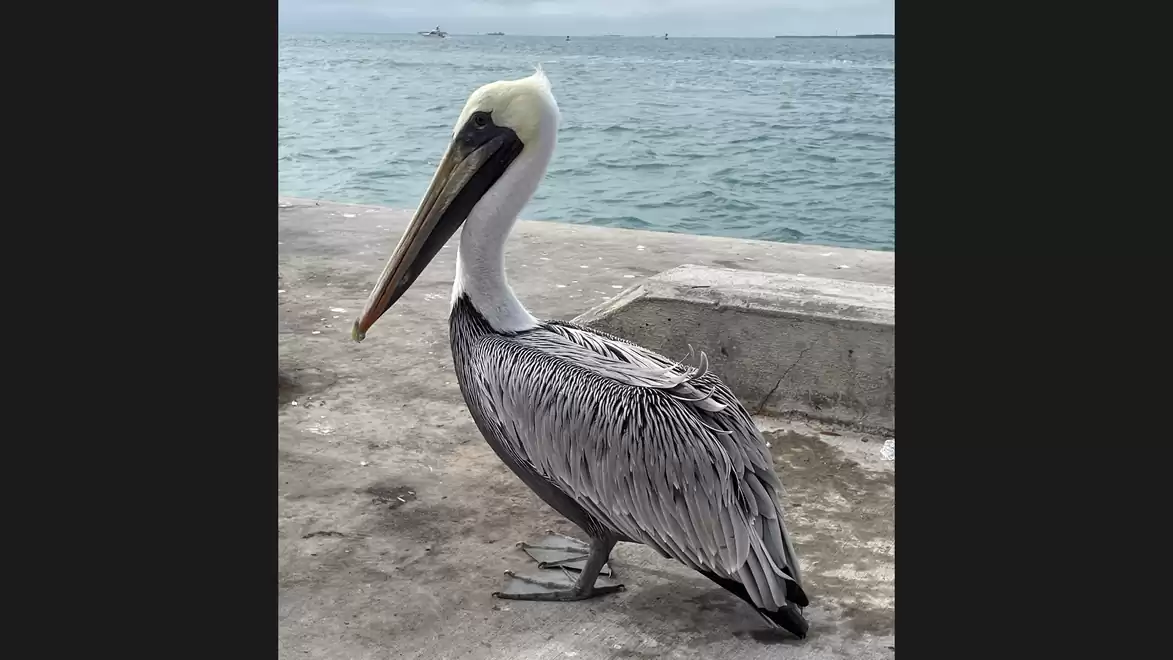
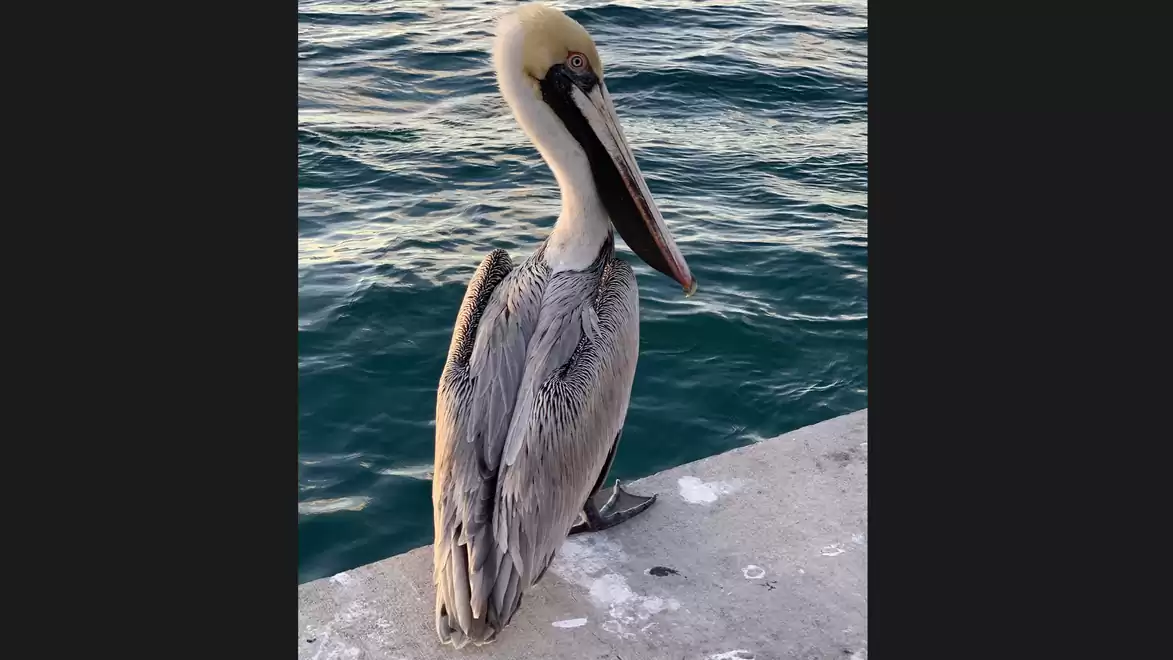
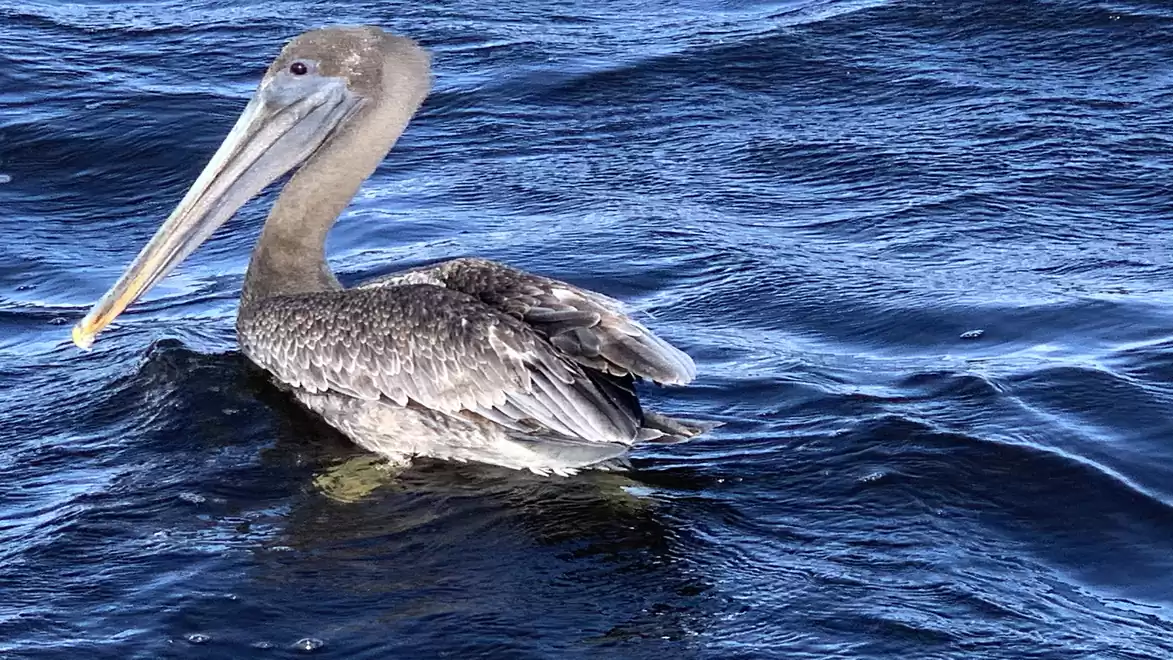
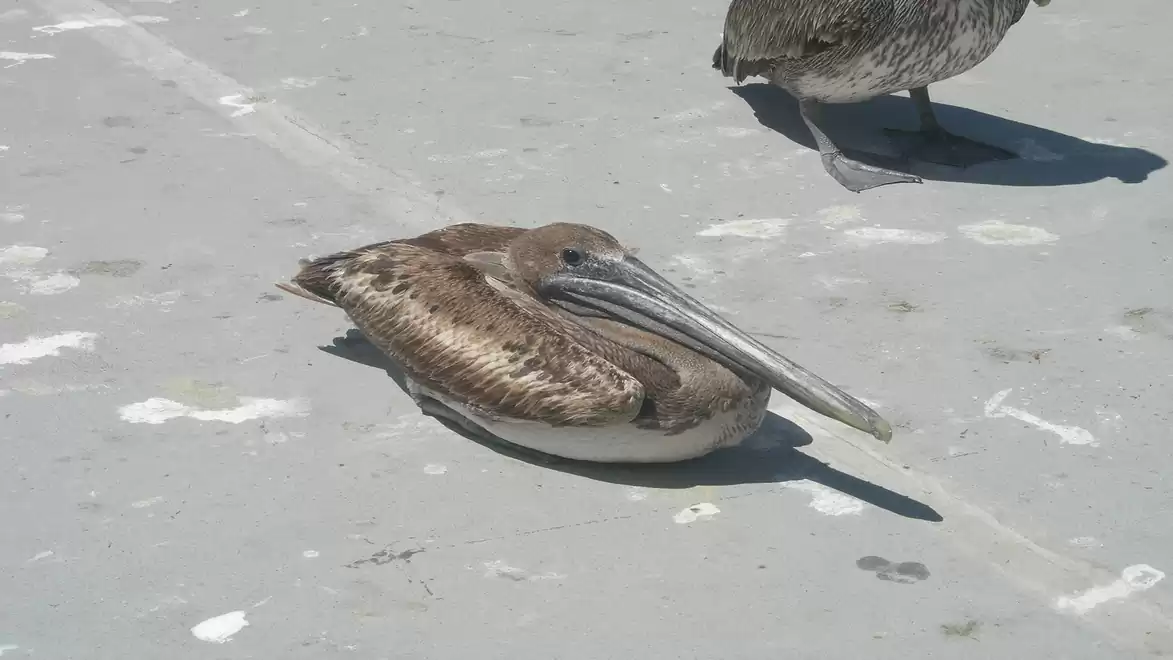
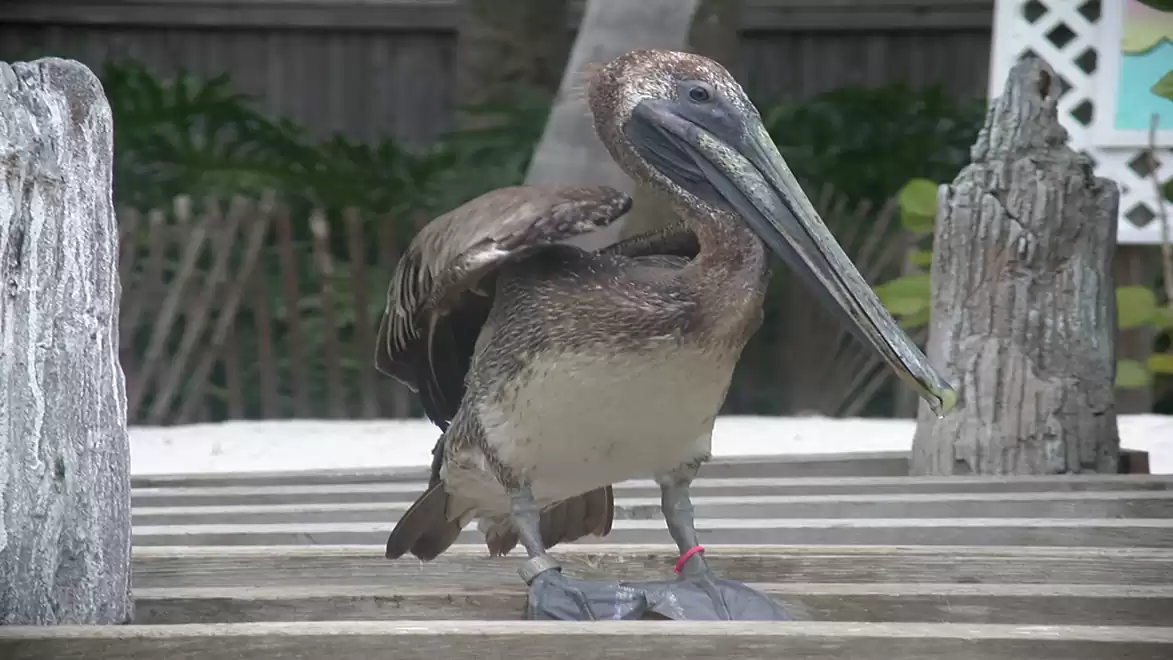
The Pelican is renowned for its distinctive large throat pouch, enabling it to hold more fish than its stomach can contain. In Florida, two primary species are found: the Brown Pelican, a year-round coastal resident, and the American White Pelican, a winter visitor. (Pelicans in Florida)
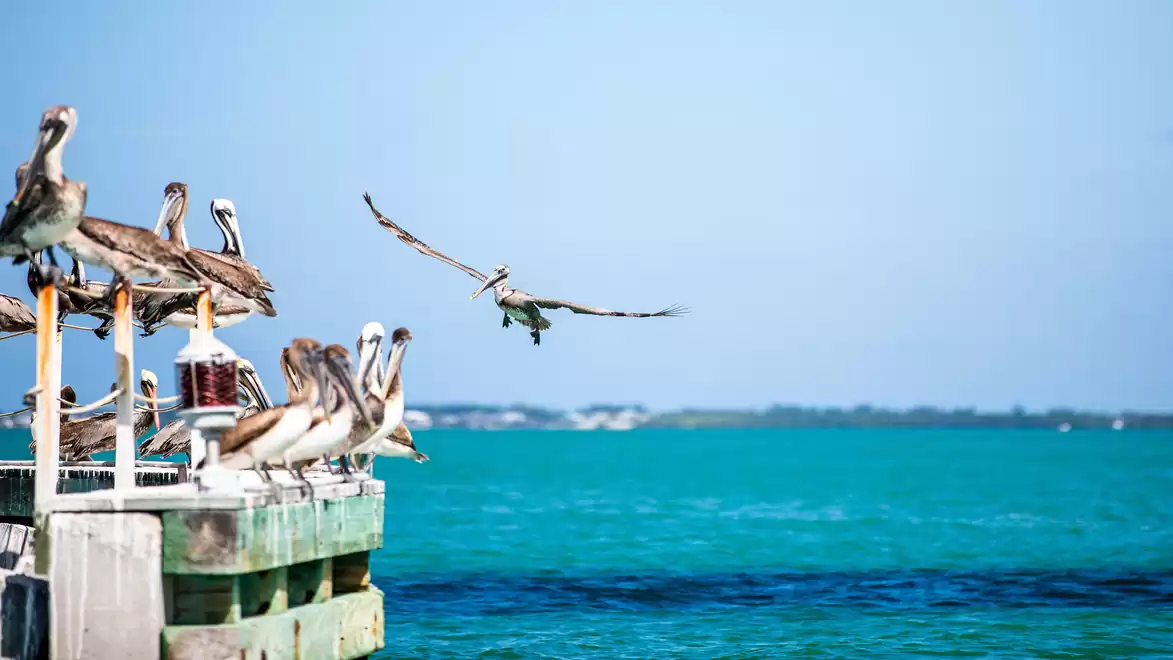
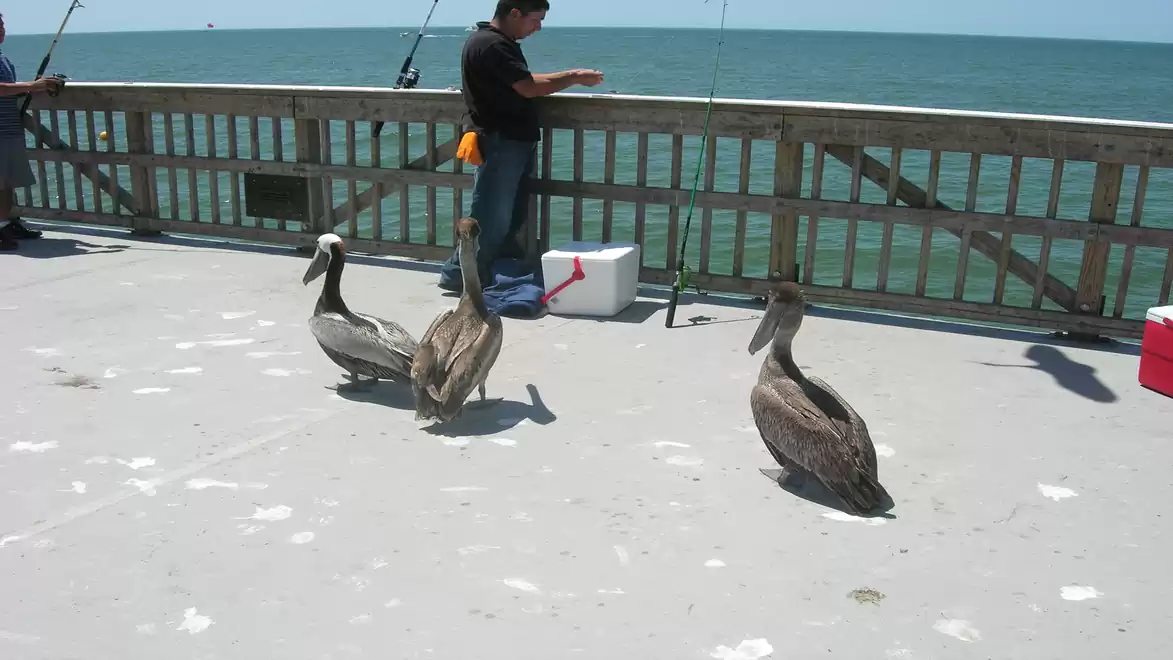
Pelicans are commonly seen along Florida’s beaches and waterways. A significant sanctuary is the Pelican Island National Wildlife Refuge in Vero Beach, established in 1903 as the USA’s first national wildlife refuge. This refuge provides a safe habitat for numerous bird species, including pelicans. (Pelican Island National Wildlife Refuge)
Pelicans utilize their large throat pouches to scoop fish from the water. The Brown Pelican is known for its spectacular plunge-diving, where it dives from the air into the water to catch prey. In contrast, White Pelicans fish cooperatively in groups, herding fish into shallow waters. (American White Pelican - FWC)
Pelicans nest in colonies. Brown Pelicans often build their nests in trees or shrubs along the coast, while White Pelicans nest directly on the ground in remote areas. Clutches typically consist of two to three eggs, incubated by both parents. (Brown Pelican - FWC)
Pelicans once faced threats due to habitat loss and pollution. Thanks to intensive conservation efforts, populations have rebounded, and today they are a familiar sight along Florida’s coasts. (Brown Pelican - FWC)


 Bedroom: 3 (2 King, Bunk Bed (3 sleeper))
 Bathroom: 2